

After a six-and-a-half hour bus ride from Puerto Natales to El Calafate, including a one hour process to leave Chile and twenty minutes to enter Argentina, we arrived in El Calafate at 2pm.  Sol and Travis kindly tried to pick us up with a welcome sign at the bus terminal, but we were early and they were late, so we missed each other entirely. Only a brief stop for coffee at the hotel on our way out again delayed us enough to connect with them. Since we can each only communicate when we have WiFi, finding each other once we were out and about might have been a bit tricky.
Puerto Natales was the first place Eric and I saw dogs chase cars in real life. They do it in El Calafate too. The dogs stand in the road as the cars come by and bark and try to bite at the tires. The first time you see it, it seems certain the dog will be run over, but pretty soon you see they have this game figured out, and they love it.
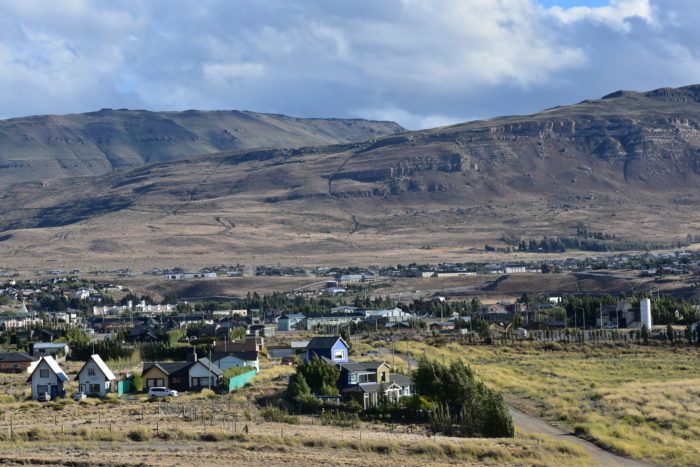
El Calafate has clearly had tourism money flowing into it for longer than Puerto Natales. It’s just a bit more developed with a bustling Main Street, lots of beautiful houses, and tons of restaurants. The banks seem to be straining under the weight of the tourists though. The ATMs limit the amount of cash that can be taken out in a single transaction. We aren’t exactly sure what the limit is, but we know 5000 Argentinian pesos (~$124) exceeds it and 2000 pesos (~$54) does not, or at least not at this ATM and not today. Since the ATM charges a 229 peso (~$6) fee regardless of the amount, cash withdrawals can be pretty pricy. All of the restaurants have signs advising you are allowed to pay with a card and the restaurant is obligated to accept it, which seems like an attempt to alleviate the pressure on cash or perhaps just a necessity. However, tours, taxis, and the glacier park entrance fee still require cash so you can’t avoid the cash problem entirely. Bringing dollars and exchanging them seems to be a more effective way to obtain cash.
When Jess was last in Argentina, Cristina Fernandez de Kirchner was in power and foreign exchange controls were implemented. Argentinians wanted to hold dollars as protection against Argentina’s high inflation, but restrictions forbidding the purchase of dollars were imposed. This allowed a market to thrive in which restaurants, hostels, and tour operators would accept US dollars as payment from tourists at a better rate than the official rate. They would then convert those dollars to pesos at an even more favorable rate on the black market. This meant paying in dollars was way cheaper than paying in pesos. That system no longer exists, so there’s no particular advantage to having dollars other than avoiding the ATMs.
Service in El Calafate also happens at a different pace. We don’t have much to compare it to on this trip yet, but it can take 20 minutes to get a menu, and it might be longer if you don’t ask. The food can take up to an hour to come out, and often drinks you order just don’t show up. It is no surprise that our favorite restaurant in El Calafate is a brew pup called La Zorra that takes your order and your payment up front, delivers your drinks immediately and calls your name with a bullhorn a short time later when your food is ready. It is so efficient, and the food, particularly the lamb stew, is delicious!
El Calafate does deliver on tours and excursions, however. It can be a little difficult to adventure out on your own without a tour because so much of the area is protected, but we did find a long walk around the lake for our last day.
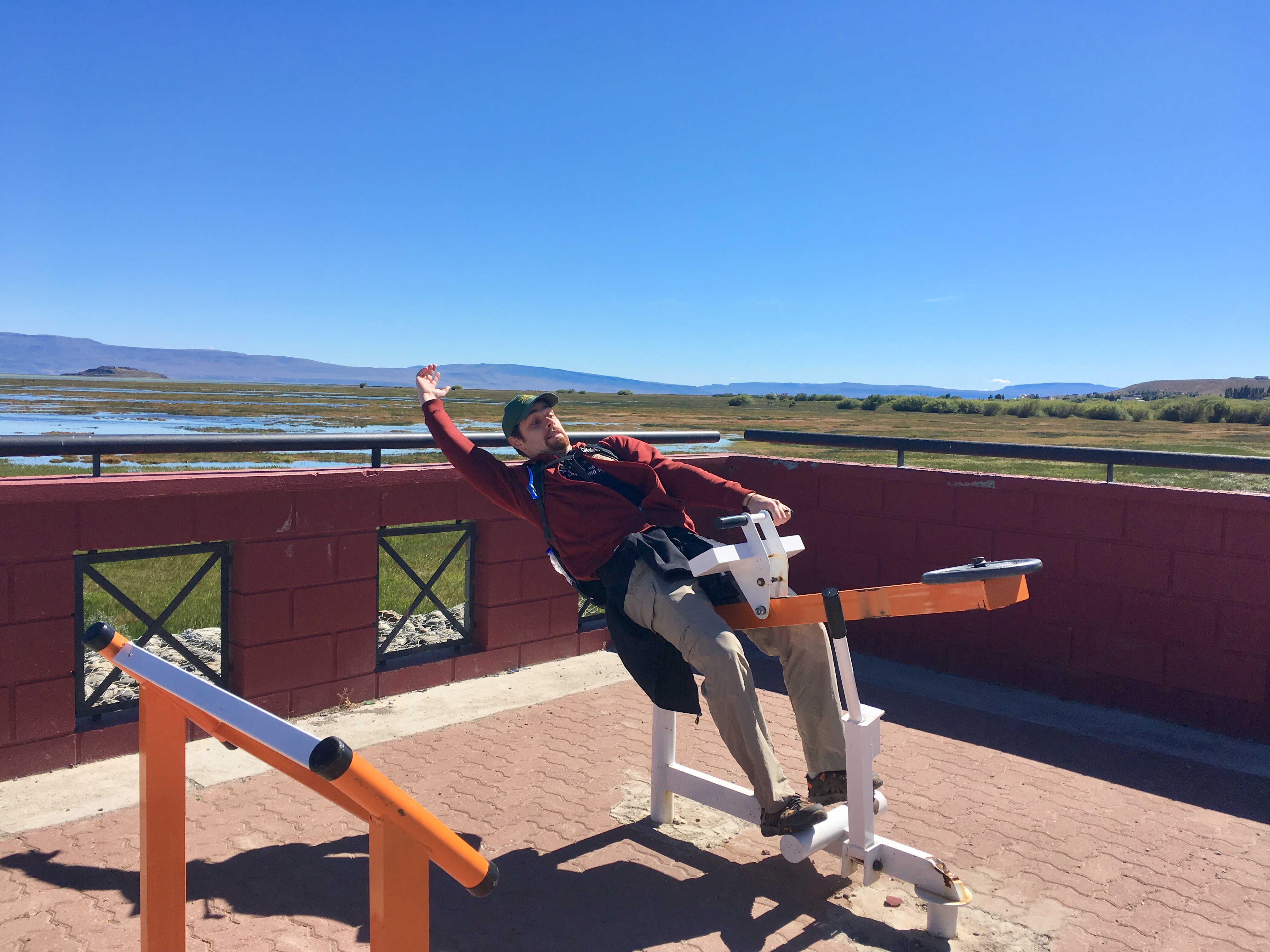
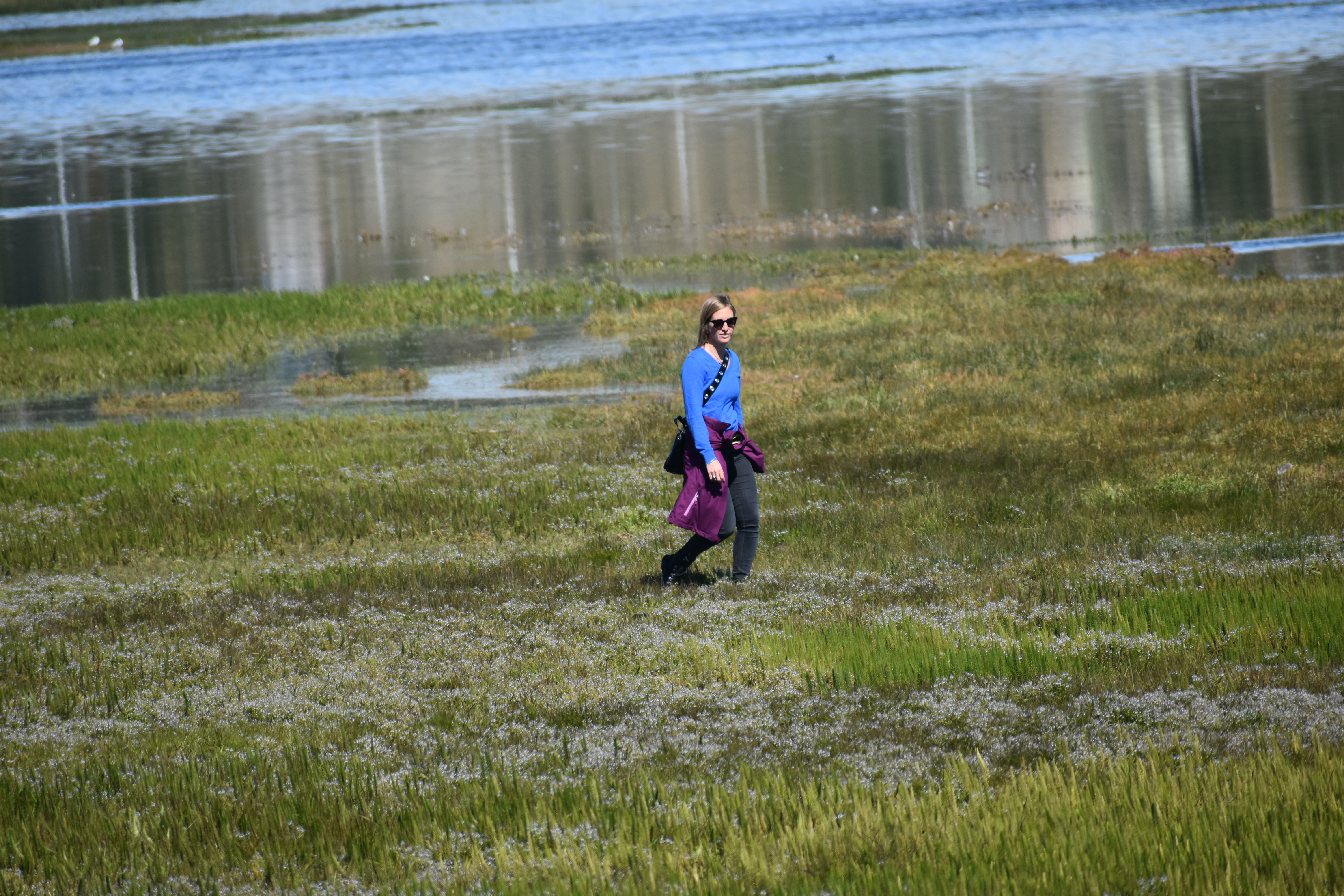
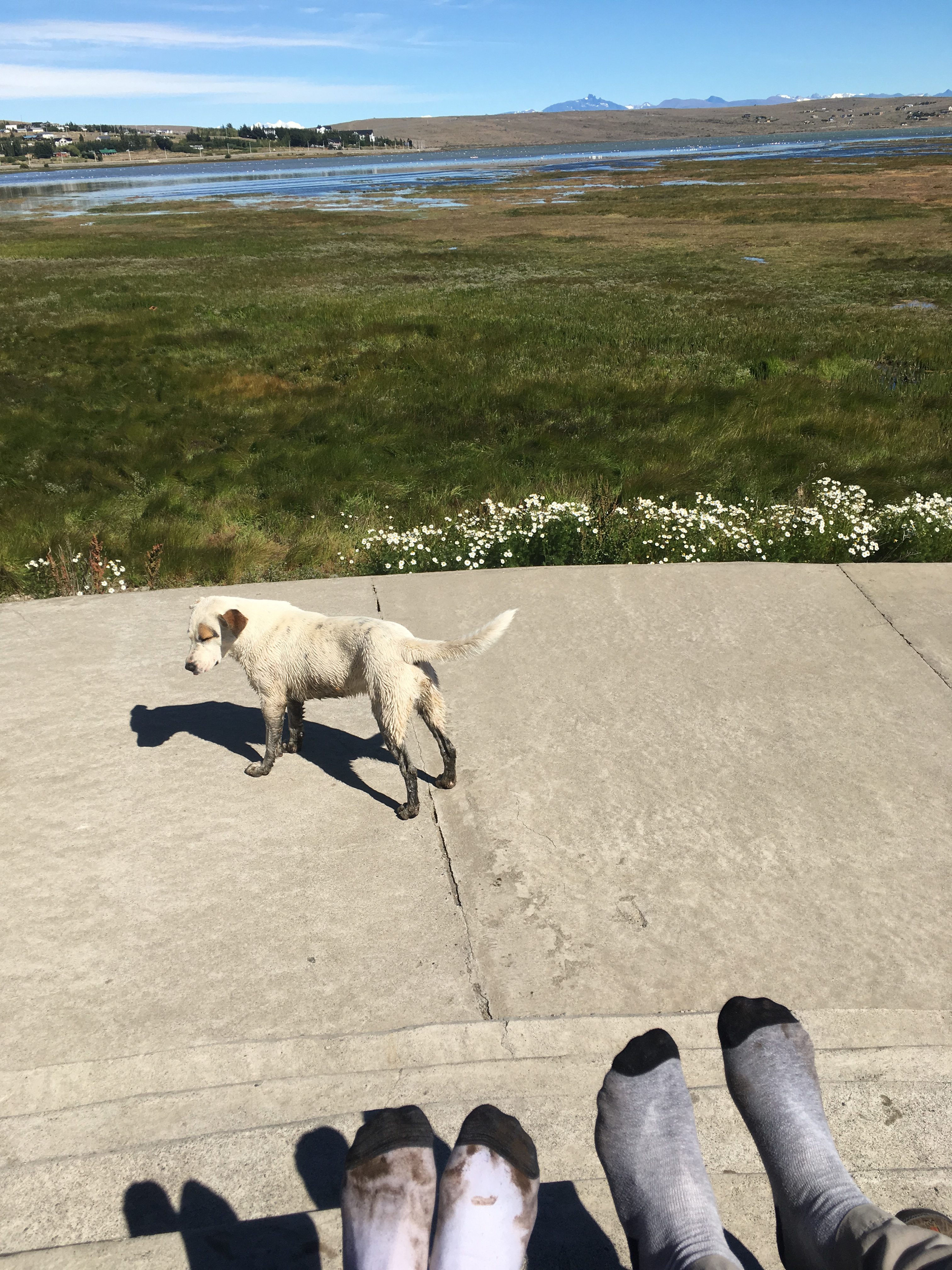
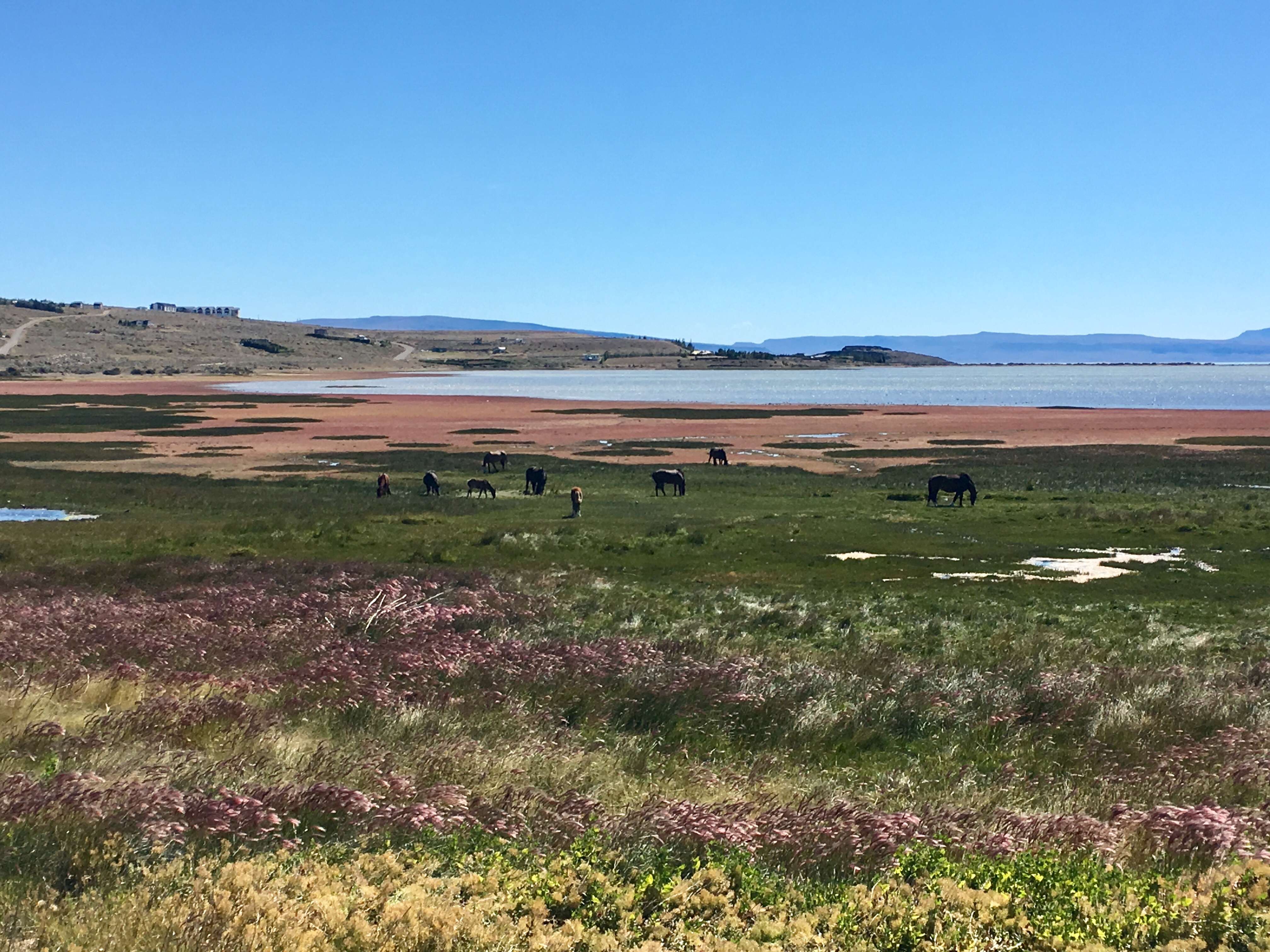
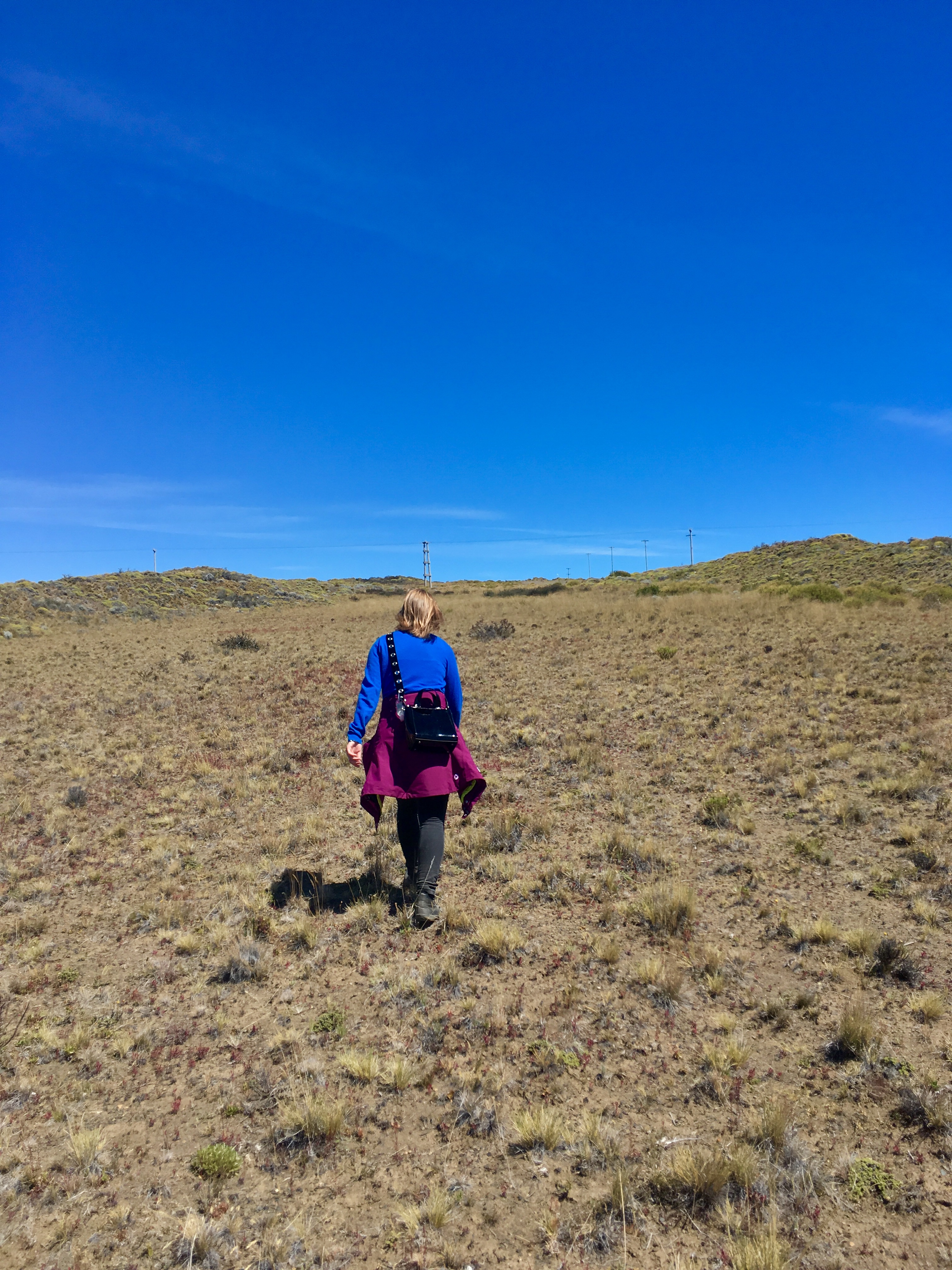
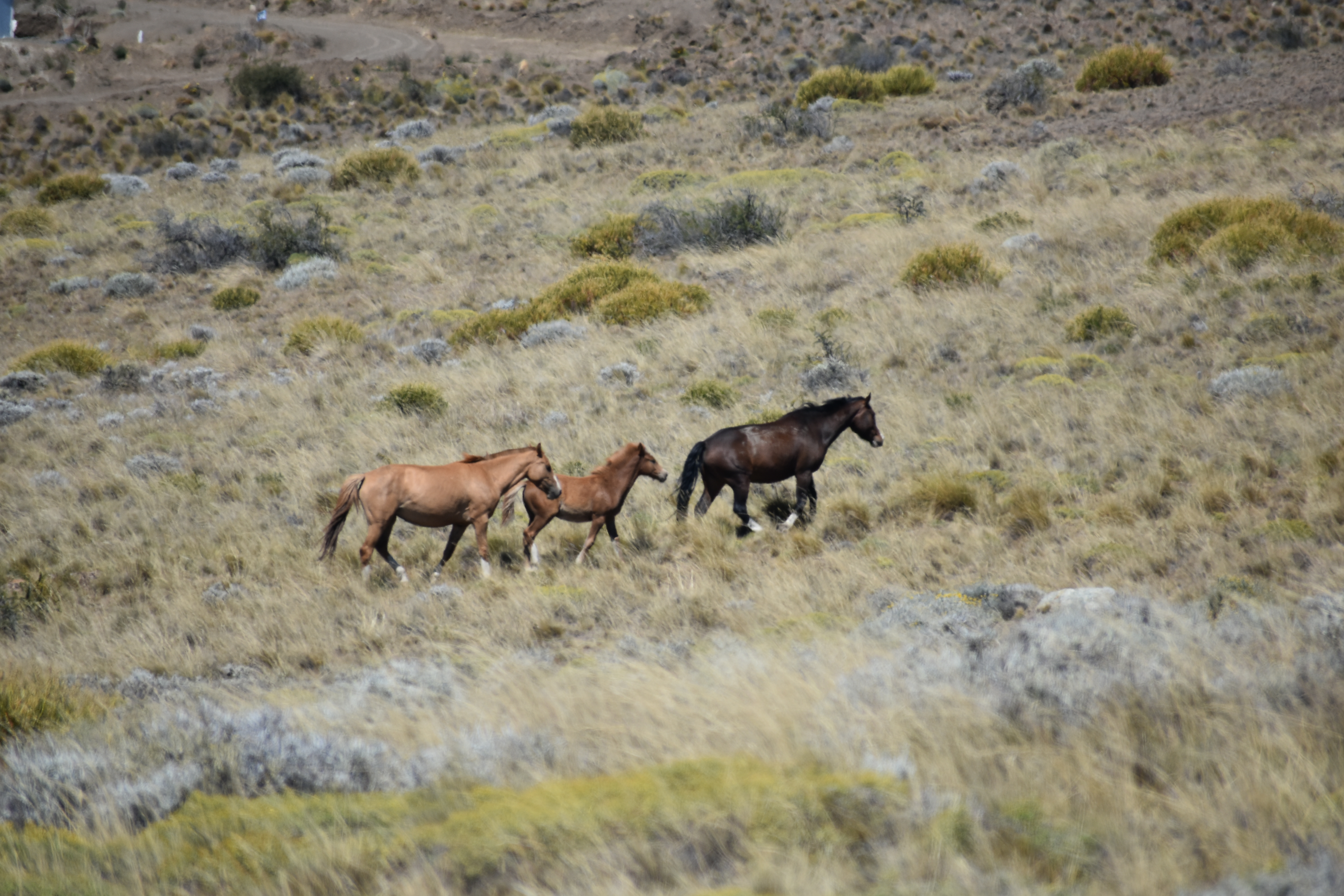
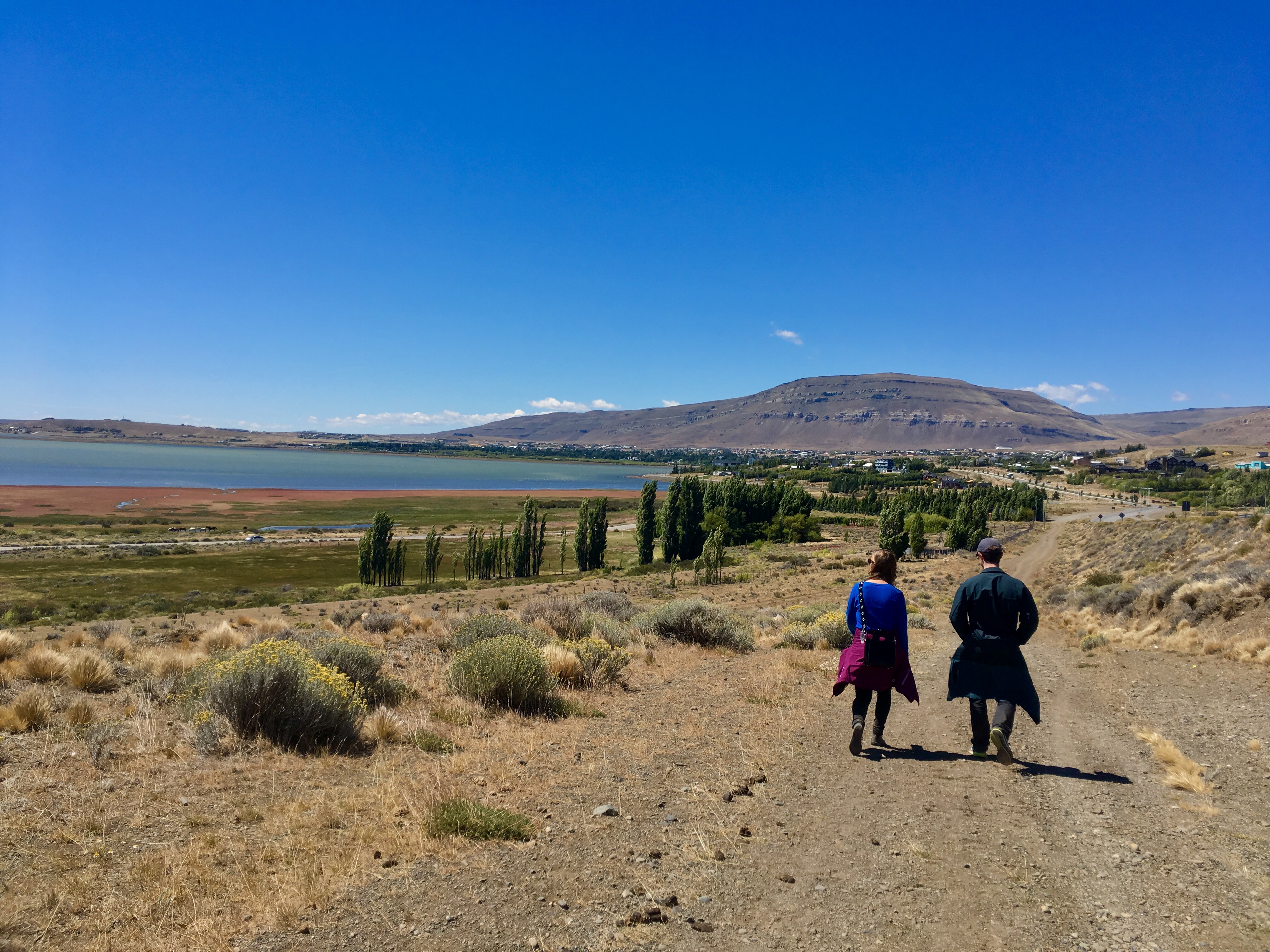
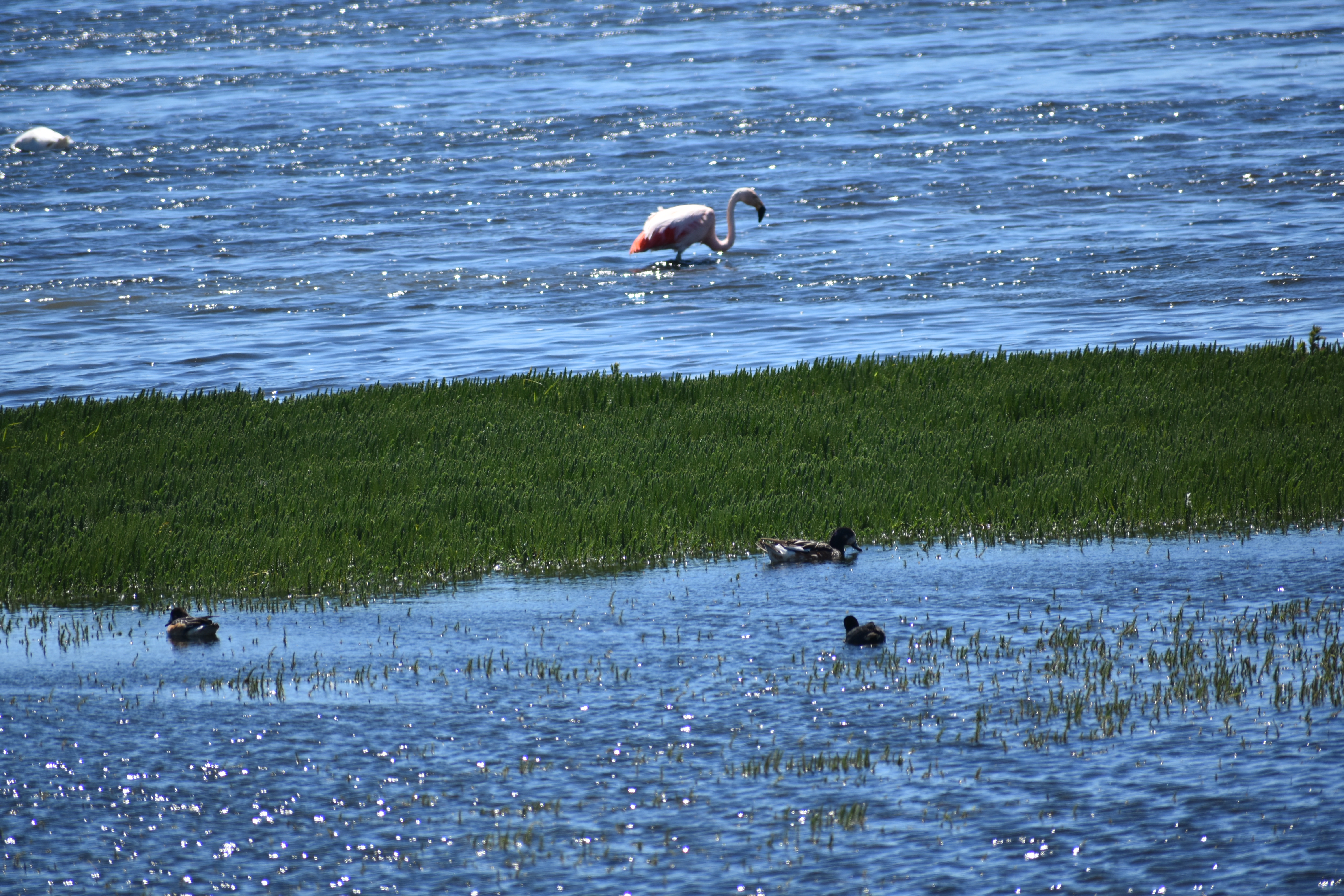
In between, we did three days of tours: hiking, viewing glaciers, and exploring various corners of the Lake Argentina. More to come on those adventures in subsequent posts.
Very interesting about ATM machines. One would think that pasting a limit per day should be obvious unless it changes every day.
I bet you will appreciate American restaurant service very much once you return.
I am sure after this restaurant service you will be the best and most appreciative customers in American restaurants.
We got really irritated with the ATM fees in Argentina, although it seems the currency has devalued since we were there in 2017…
https://www.keanw.com/2017/08/iguassu-falls.html
https://www.keanw.com/2017/09/brazil-to-argentina.html
Thanks for sharing – I’ll be following along as you go!