

Excursions to the Peruvian rainforest are pretty expensive – we’re talking $520 per person for a four-day, three-night excursion, which is over double our daily budget. However, we had heard about Nils’ and Laura’s Brazilian rainforest adventure and we wanted a similar experience. After much searching, we found an obscure reference to a work/travel option in a Tripadvisor forum. Jess did a little more digging and found some positive feedback on the owners of the company and a link to their website. They offered a five-day, four-night work/travel adventure for $260 per person. We would have to sleep in a tent, and we would be expected to work a bit on conservation projects, i.e. planting trees, in the mornings, but that seemed like a reasonable trade for an experience that was now only slightly over budget.
Since Oliver and Carolina, the owners of Manu Peru Amazon, live near the rainforest full time, they contract with a bus company to bring tourists to them. We received a package of information by email with instructions on how to catch the bus from San Jeronimo, a neighborhood of Cusco, to Salvación nine hours away. The information said that we would need to walk with our stuff for about an hour to get to the camp in the rainforest, so we had planned to leave most of our belongings at the hostel we had been staying at in Cusco and just bring the clothes we needed. We had a flight booked to Trujillo for the day after our return from the rainforest, so we needed a hostel for one night when we got back anyway.
We expected to have a leisurely morning before our 11am departure to Salvación. However, when Jess went to pay for the hostel, she discovered that the hostel would be closed when we returned so leaving our stuff there now and staying there later wouldn’t be an option. That left us trying to make breakfast while simultaneously scrambling to find a new hostel. After a frantic Google search, Jess found something promising on Google Maps that advertised a room for $13 near the bus station in San Jeronimo. We packed up our stuff and took a taxi there only to discover there was nothing that resembled a hostel in the area. The map location of the Google listing didn’t match the address, but when we called the associated phone number, we learned the “homestay” we were looking for was in the preschool right in front of us. We knocked on the door and were invited inside. The place was clearly made for small children, not adults with big backpacks because Jess kept knocking things over (speakers, shelves with books). The family was eating breakfast upstairs and kept inviting us to sit down. The mother was frantically making the bed. Eventually we were able to politely explain that we wanted the room for only one day but five days in the future and that we really just hoping to leave our bags and catch our bus. They were so nice and friendly, and they gave us the room for 25 soles ($7.50). We could not believe our good fortune!
With that settled, we got on the minibus to Salvación and began the long journey. To get to Salvación, there is an elevation change of 3,000 meters (9,840 feet), which means the roads are rather terrifying, curvy cliff roads that have been eroded by waterfalls in some places, but with stunning views at every turn. There are thousand meter tall hills of trees for many hours. Just as Jess was thinking it was lucky there weren’t many vehicles coming in the opposite direction, we narrowly avoided a head-on collision. It is not that easy to get to the rainforest, and this is on the new, improved road. To make the adventure that much more exciting, our bus had two flat tires on the way to Salvación, which the bus driver noticed immediately and changed each time without missing a beat, and a stripped axle on the way back from Salvación, which required a trip to the mechanic and ultimately a new bus. Eighteen hours of windy bus ride meant Jess had plenty of time to stare out the window, and she’s learned you can see a lot of interesting things out there. Her favorite moment was catching two six year-old boys sneakily sharing their first cigarette which was both shocking and endearing and an amazing view into life that goes on around us.
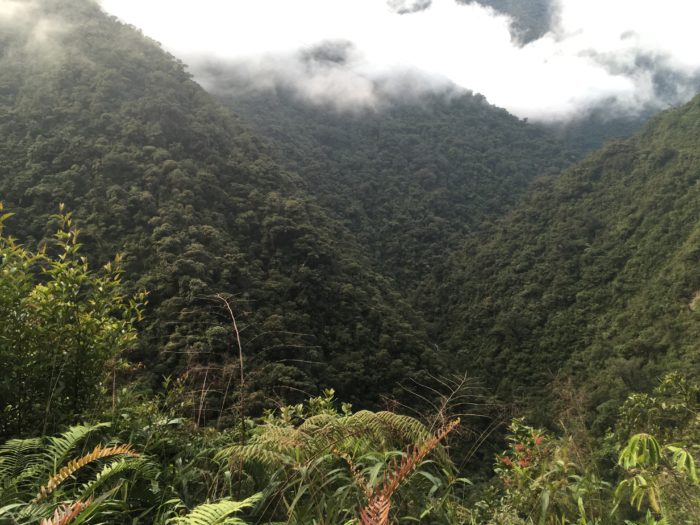
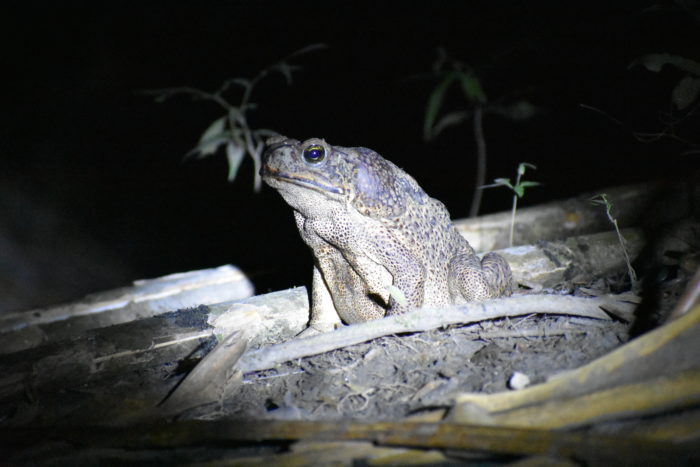
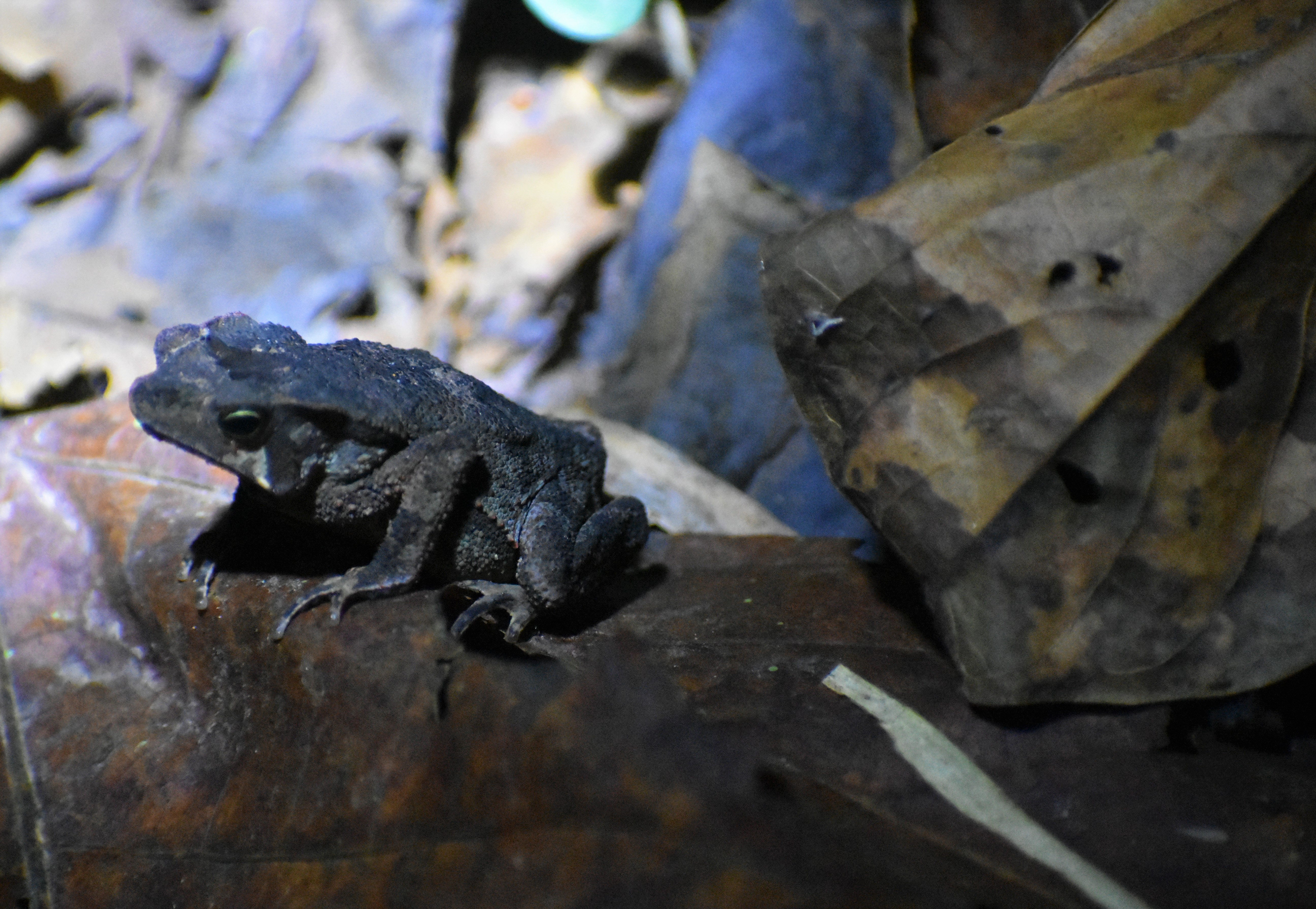
We finally made it to Salvación around 8pm where we were met by Arturo, our guide, and brought to Oliver and Carolina’s house. They have a beautiful house with a wooden platform on the second floor with tents set up. The tents are luxurious by our standards. For one, there’s actually a tent; and for two, there are mattresses inside! We were fed a delicious dinner, and then Arturo took us out on a night-time excursion around the Machu Wasi Lake. We walked through the rainforest for two to three hours shining flashlights into the trees looking for eyes. We didn’t see very much beyond a few insects, but we did see this awesome Cane toad, which was almost as big as our heads.
On the way back, we were admiring the stars and looking for more toads when the skies opened and water poured out. Moments before, Arturo had called his taxi buddy to pick us up, but the signal was weak and they hadn’t actually spoken. So we were walking as quickly as we could in the pouring rain, hoping the taxi driver had gotten the message and would find us along the way. We were both wearing raincoats, but it was raining so hard they were soaked through, and water was running down our pants into the rubber boots we had borrowed. The taxi driver did find us half way back to the house and drove us the rest of the way, however we have never been so wet in our clothes in our lives. We couldn’t hang our clothes up to dry because we had been warned about these moths that like the taste of sweat and lay eggs in your clothes if you hang them up at night. The larvae then burrow into you when you put the clothes on and two weeks later you have worms crawling around in your skin. That sounded frightening enough that we just left our clothes in the tent, where they definitely did not dry
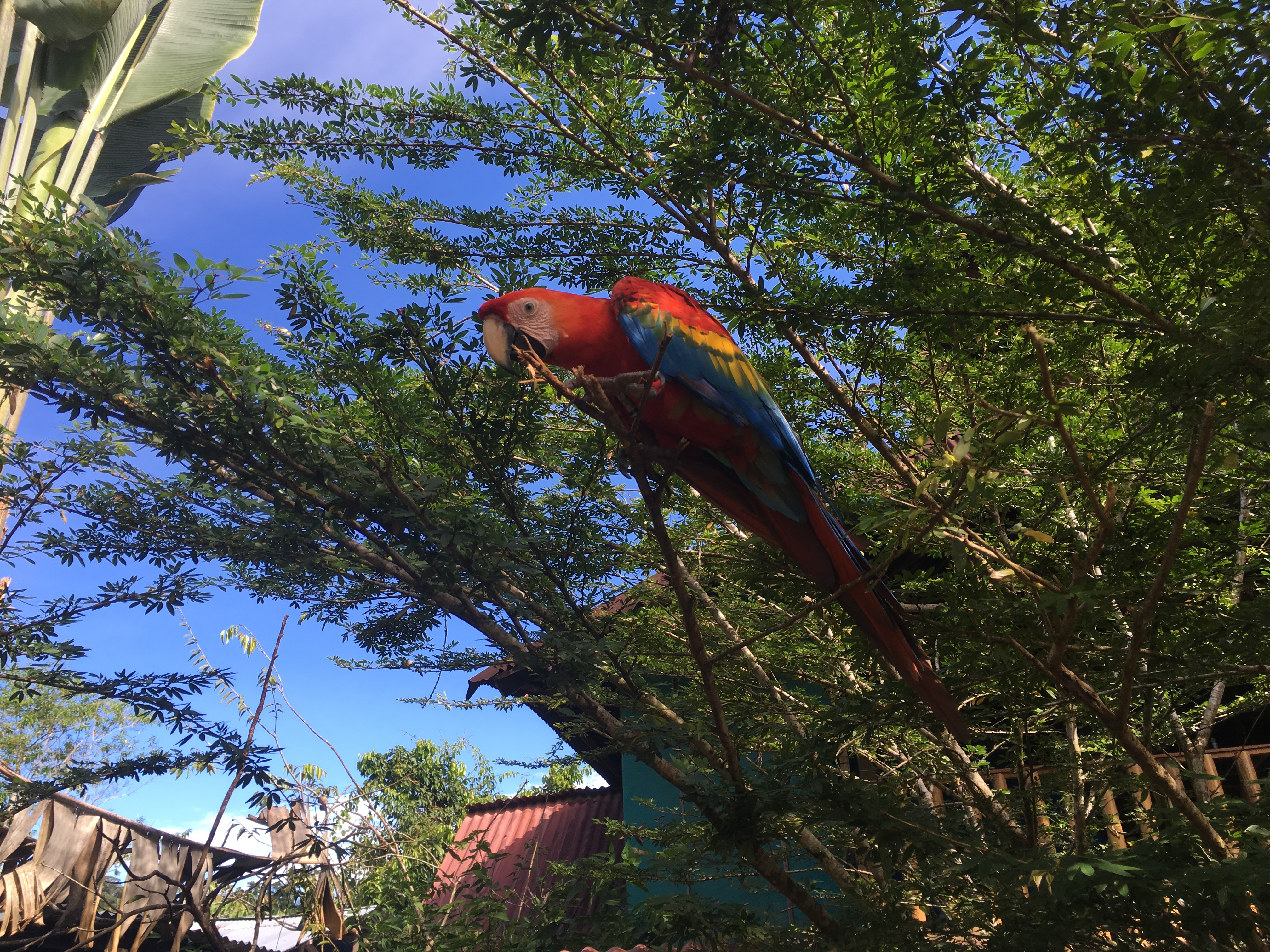
The next morning it was still raining, so we had a leisurely breakfast with the parrots Oliver and Carolina rescue take care of until they can be released into the wild. 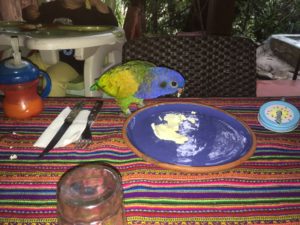 While we were waiting for the rain to stop, we helped make cocona marmalade by peeling and de-seeding a huge bowl of them, with a parrot’s help.
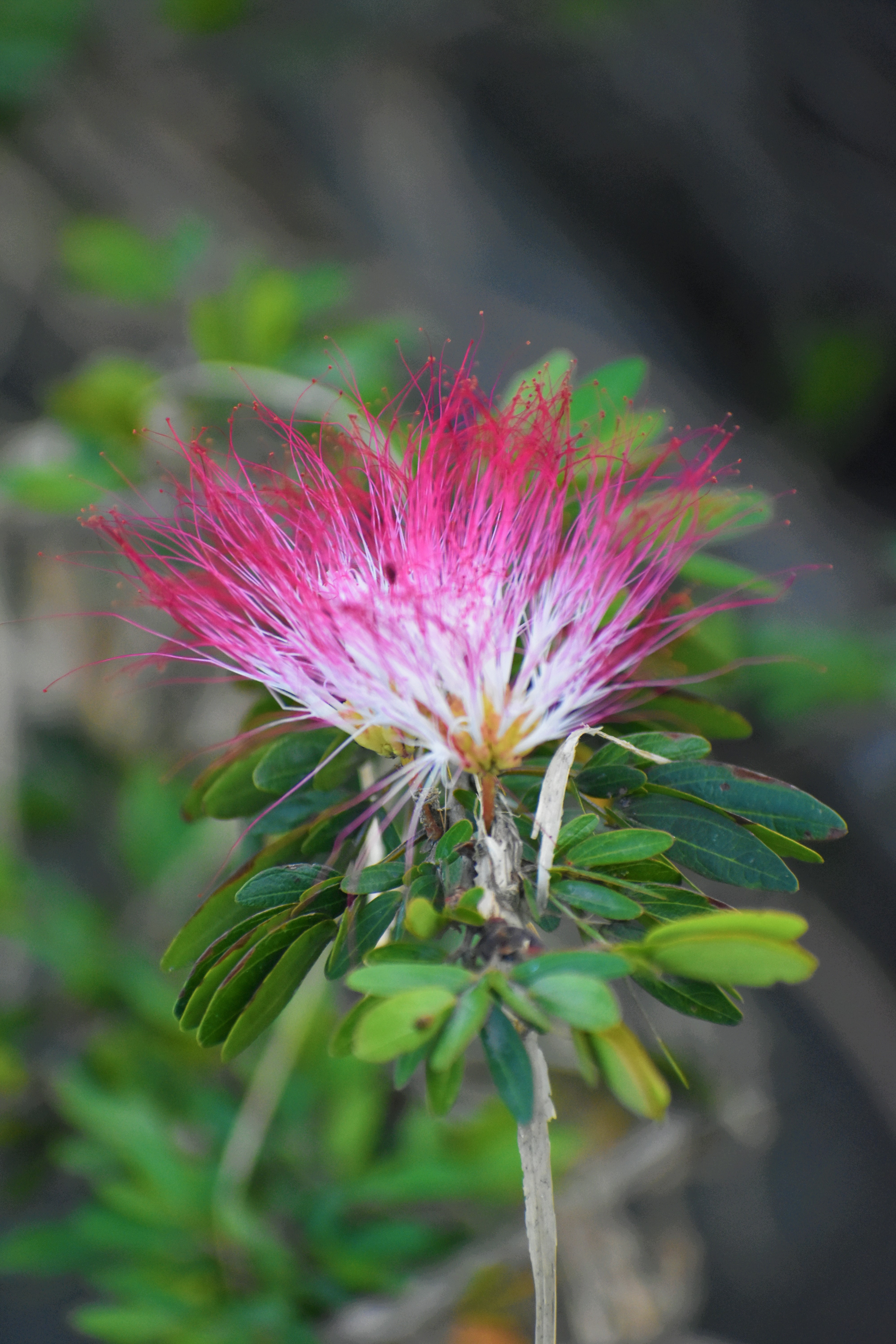
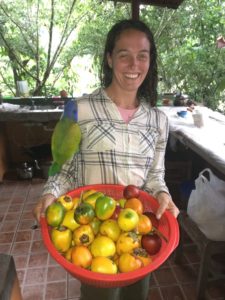 Cocona is a Peruvian fruit that is sort of a cross between a tomato and a persimmon. When the rain stopped, Arturo took us back into the rainforest where we saw lots of birds and beautiful plants.
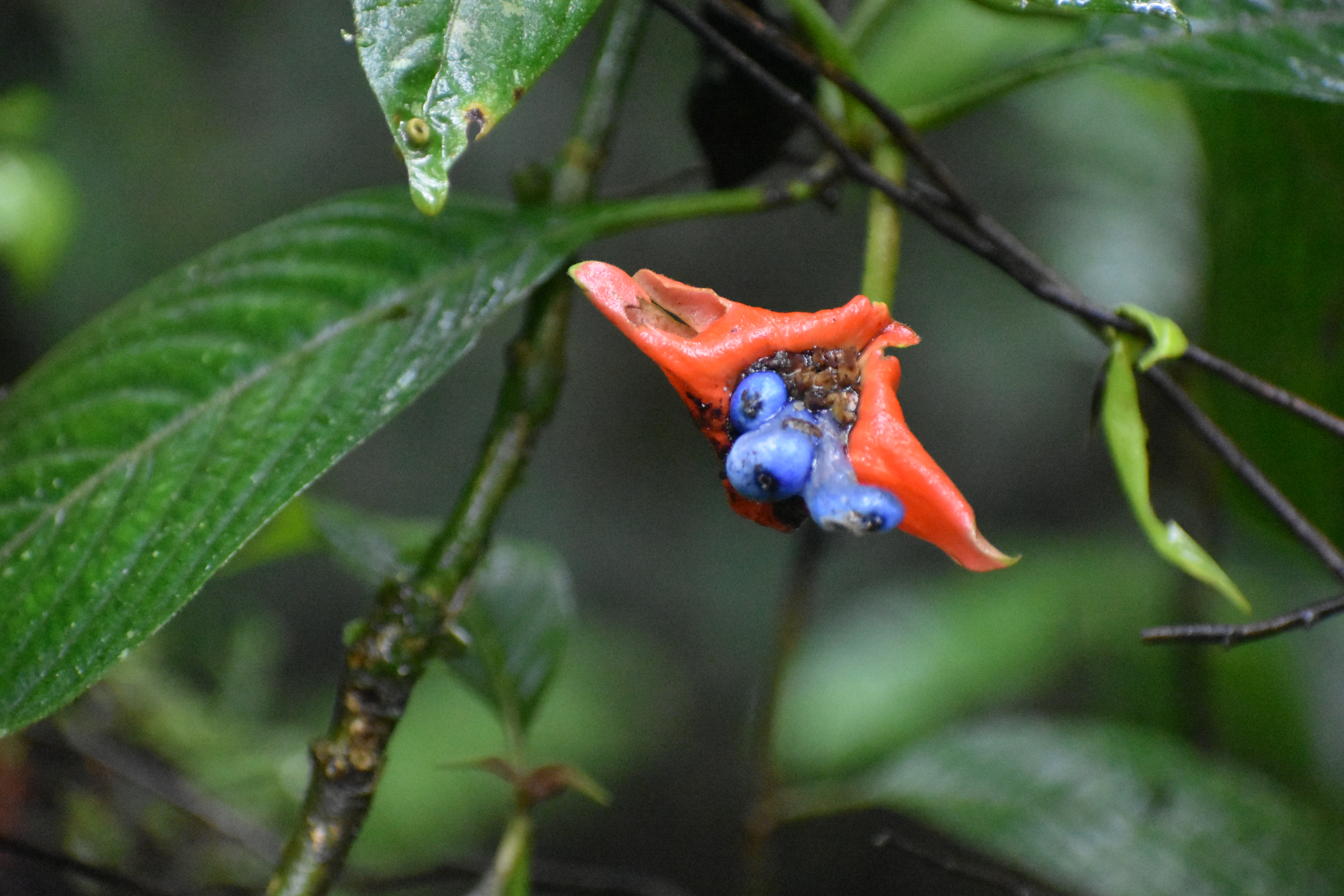
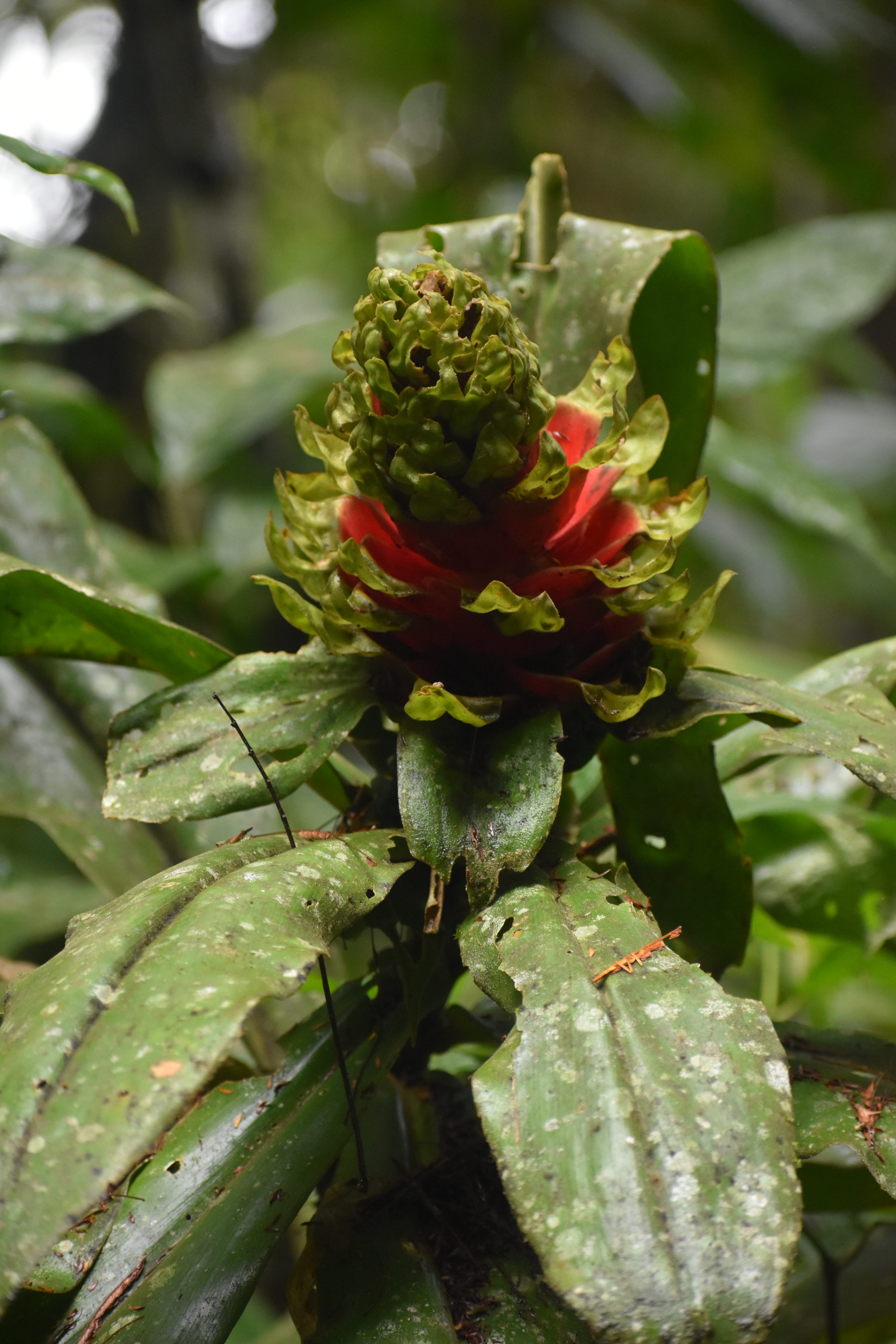
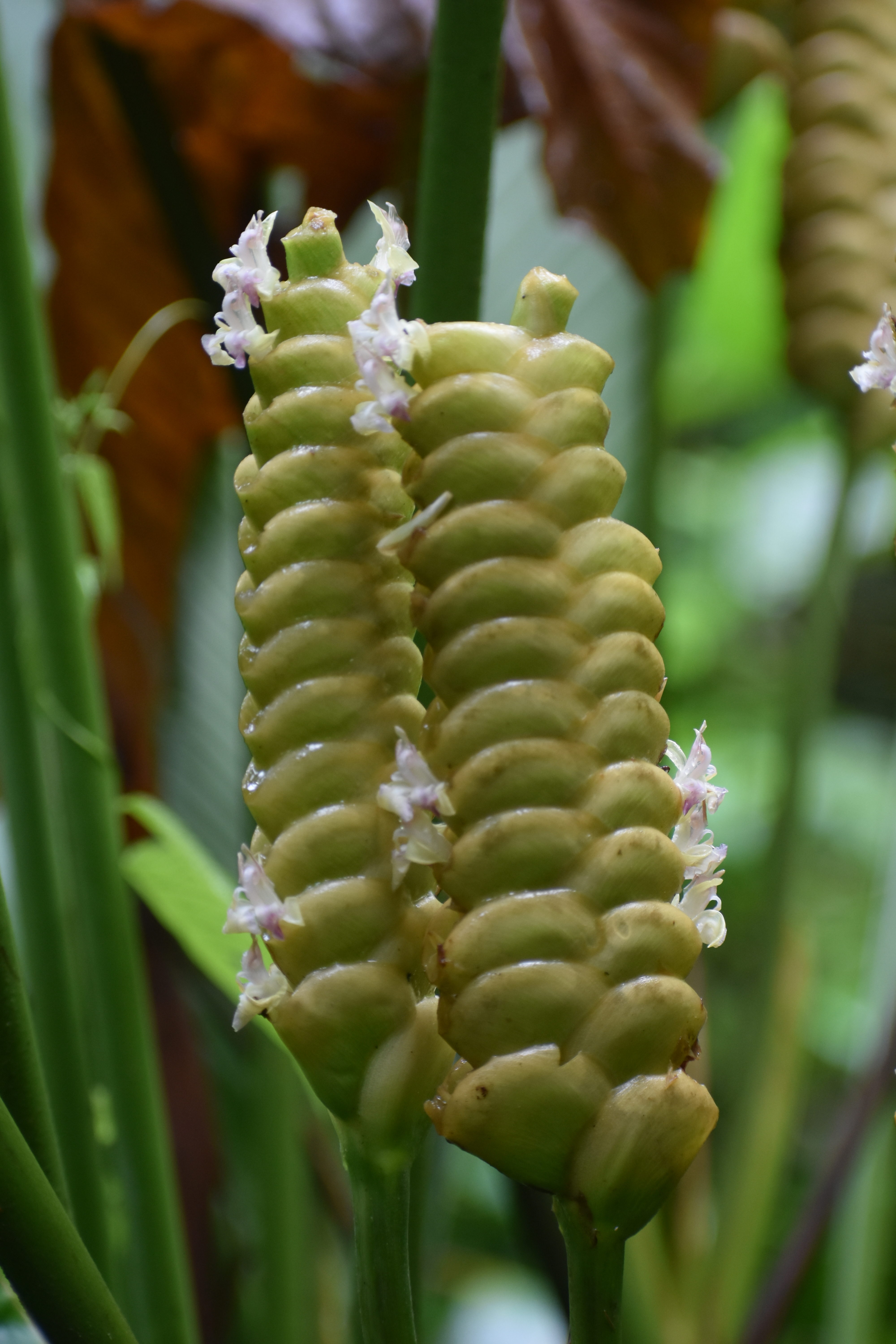
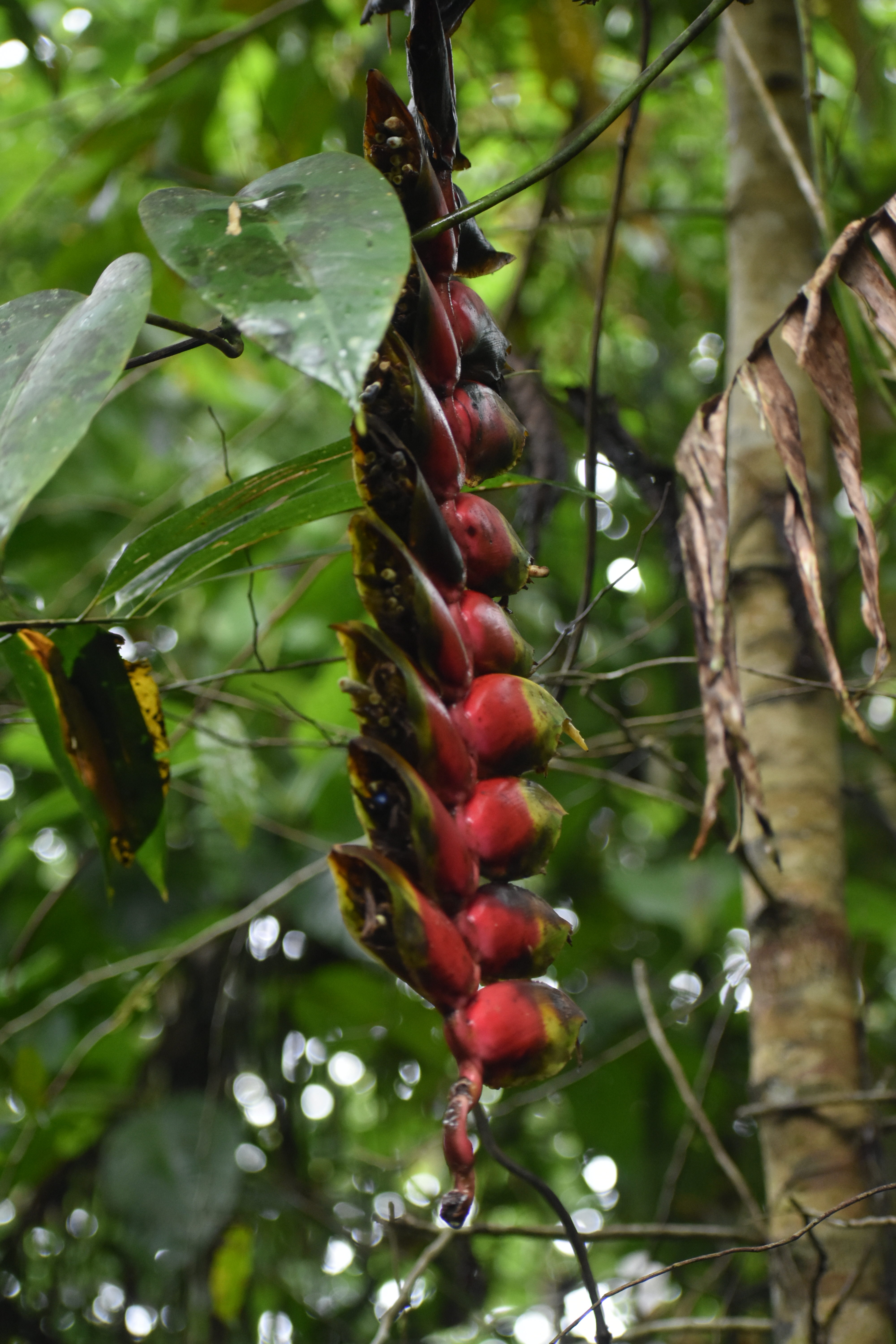
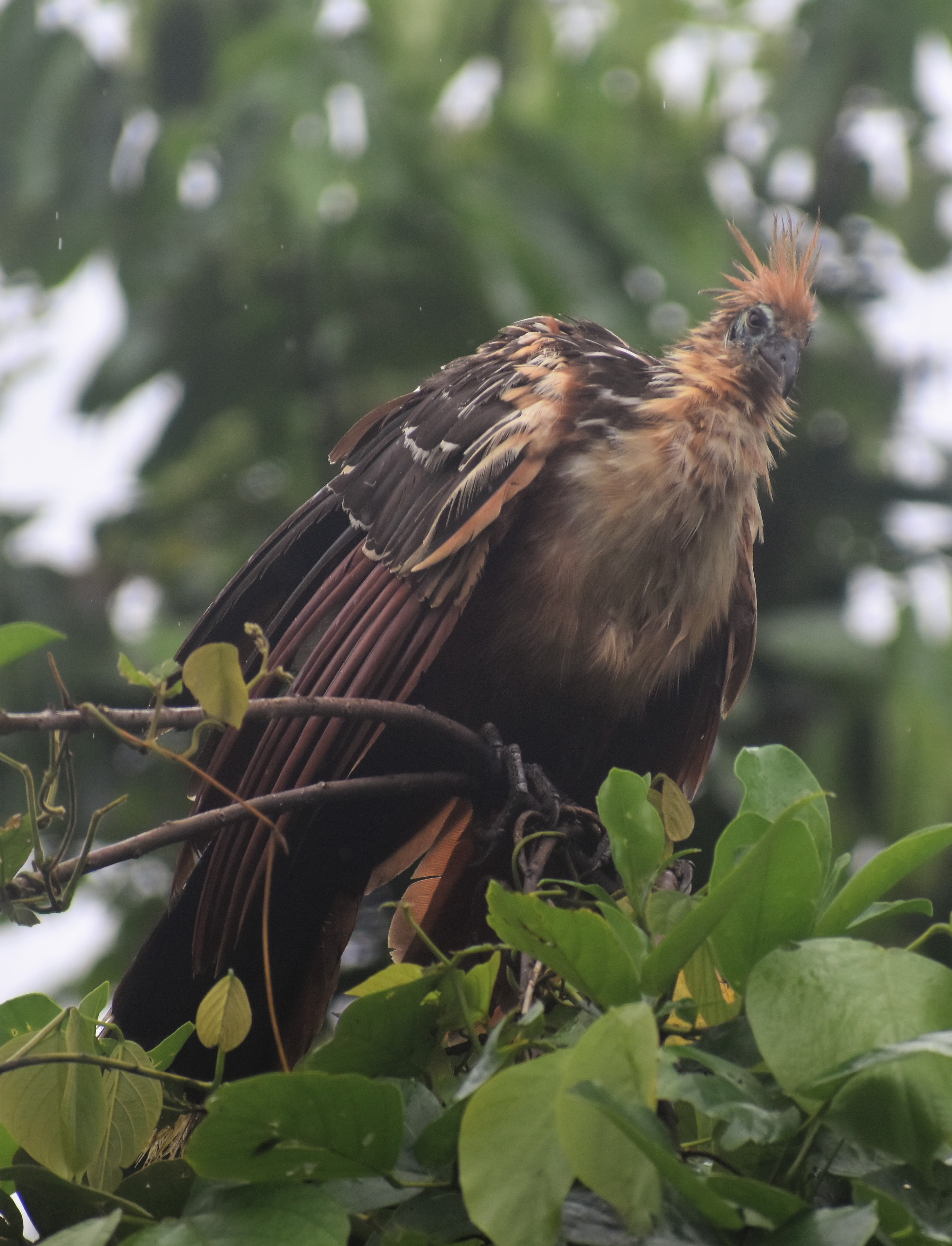
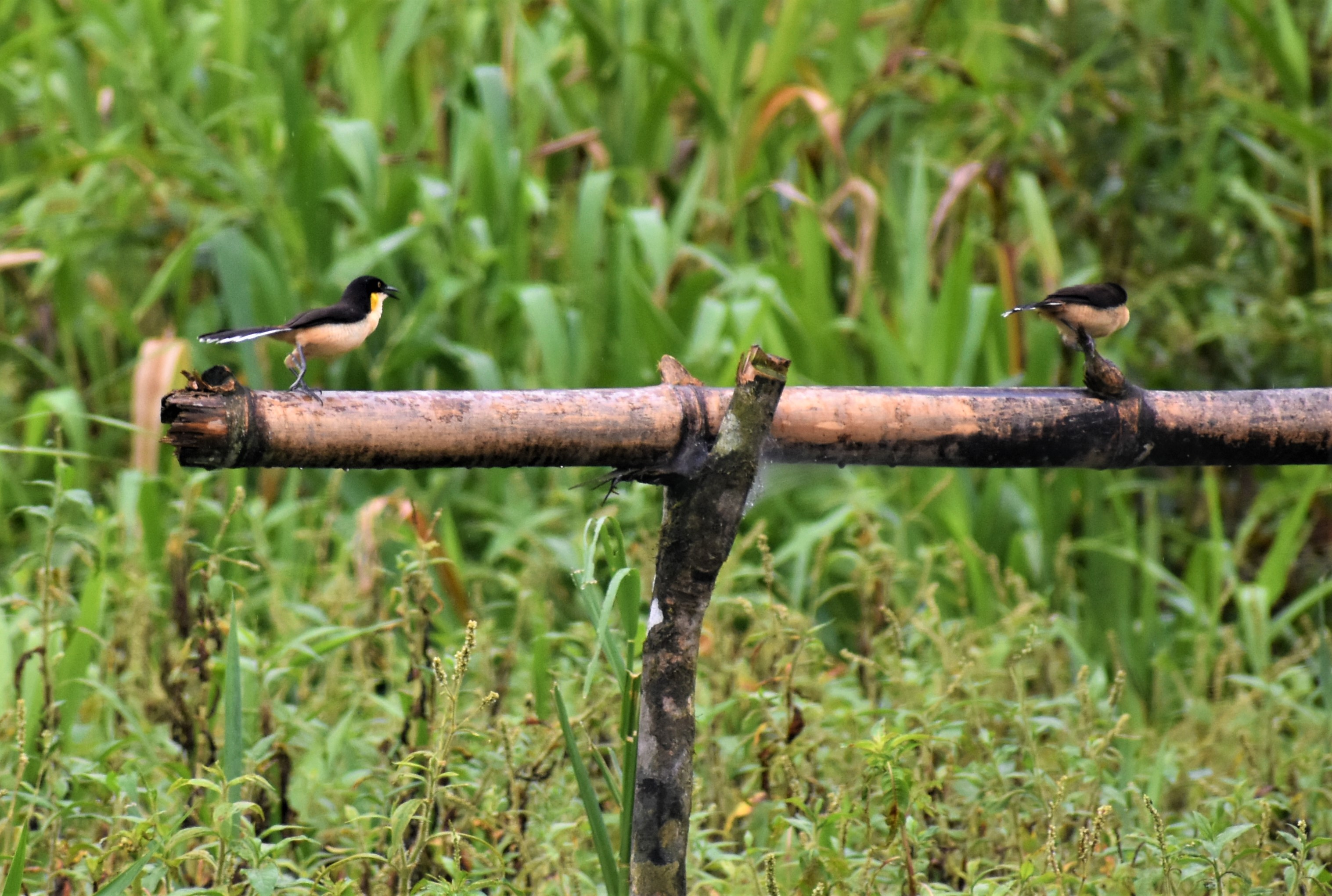
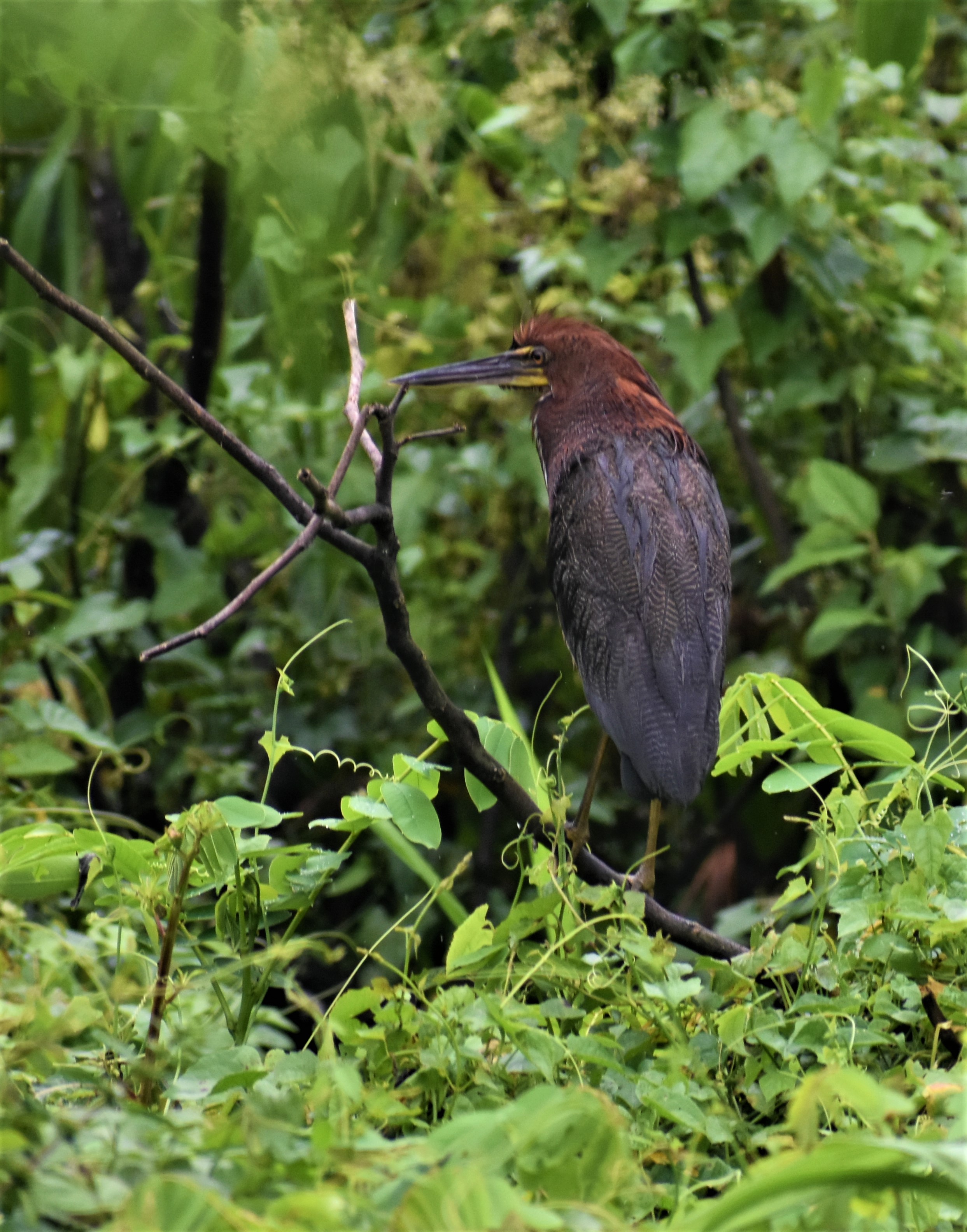
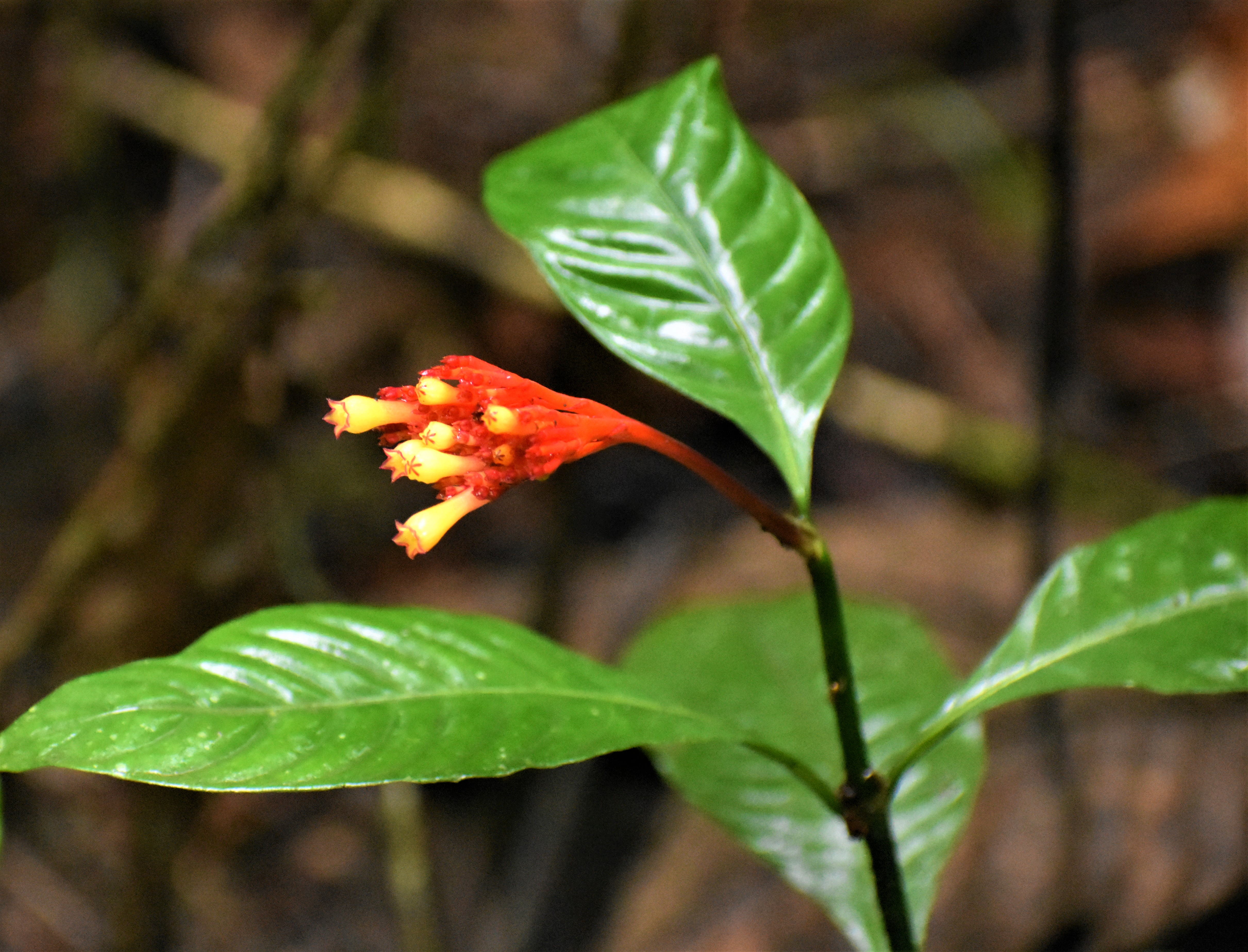
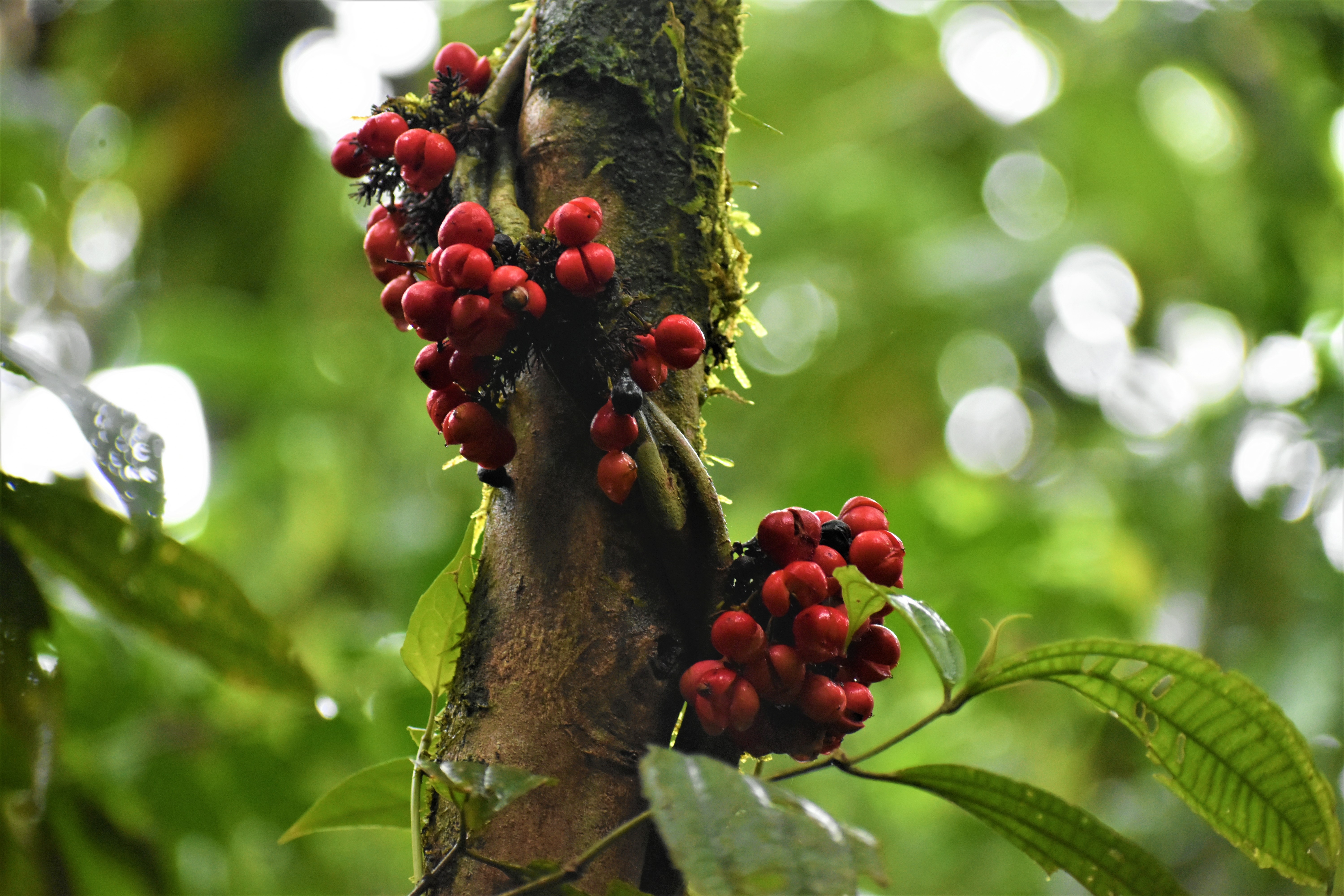
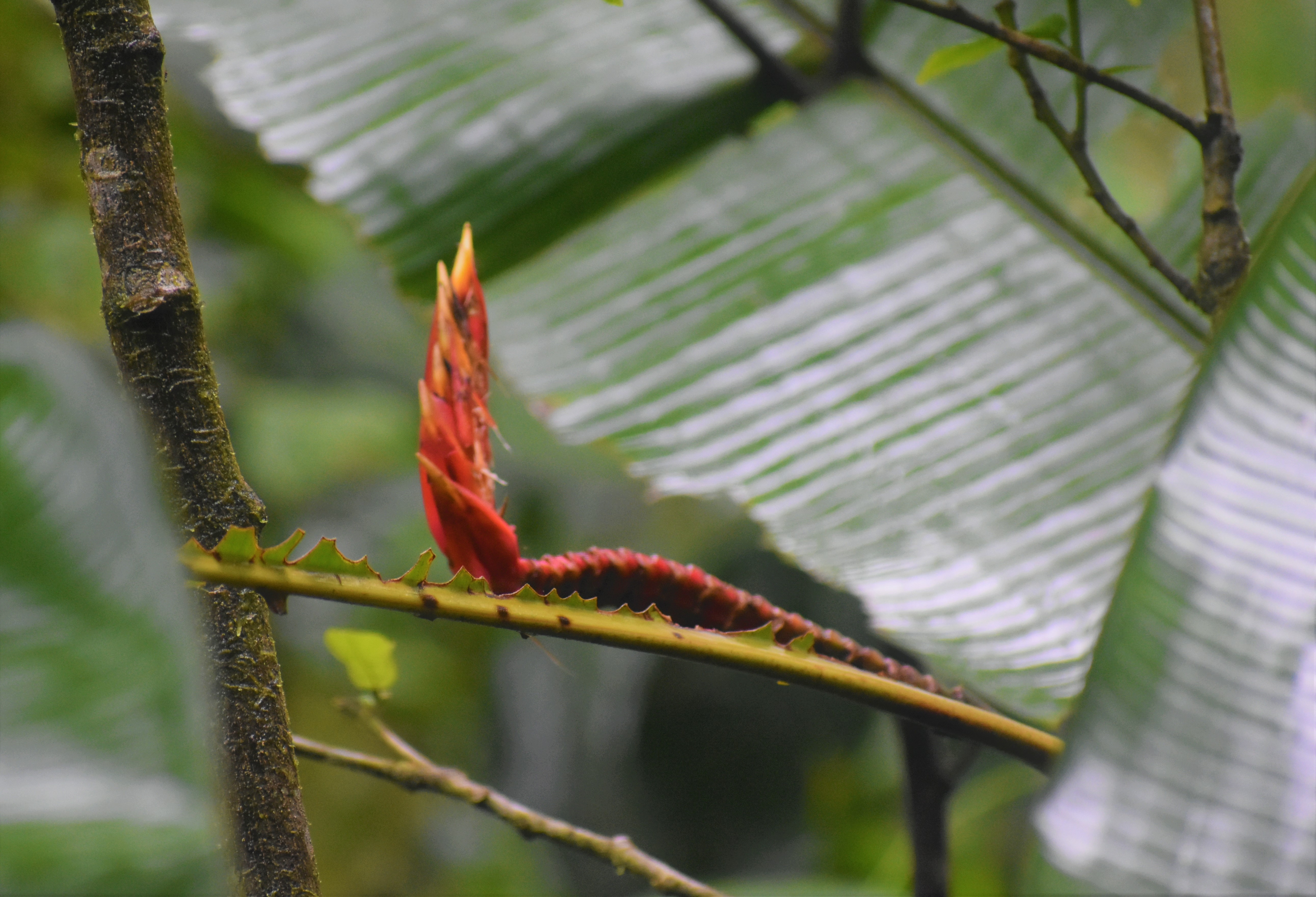
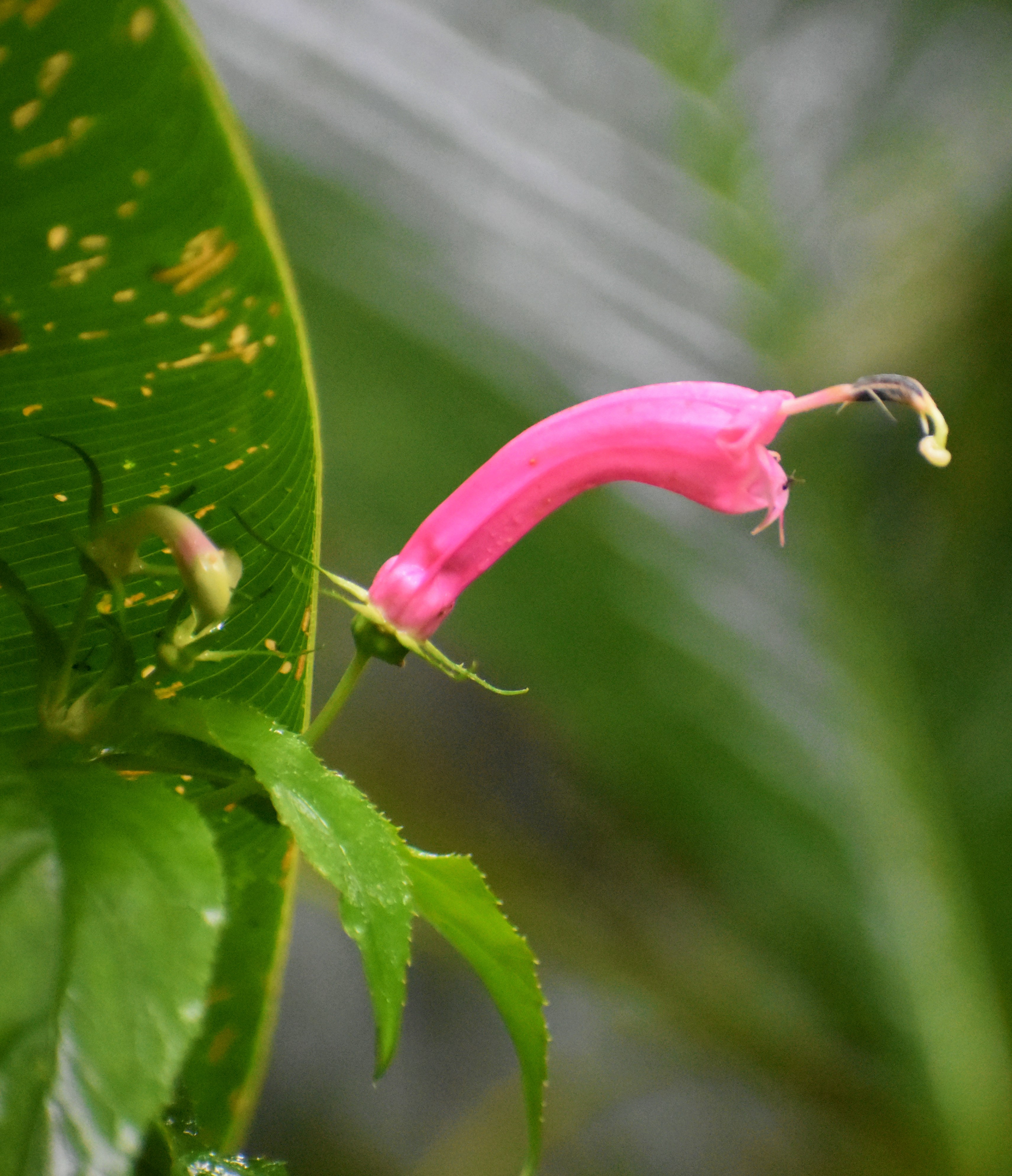
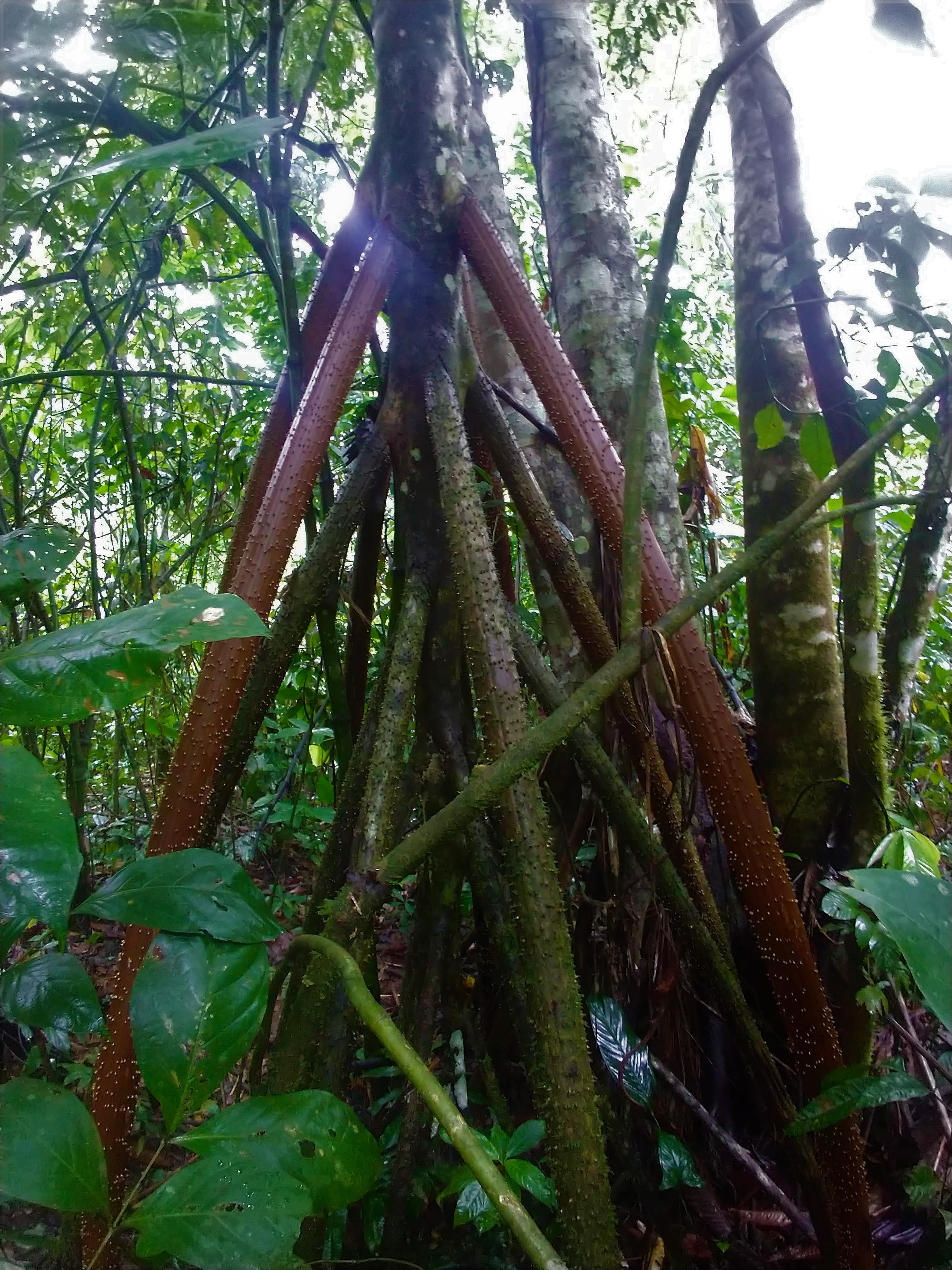
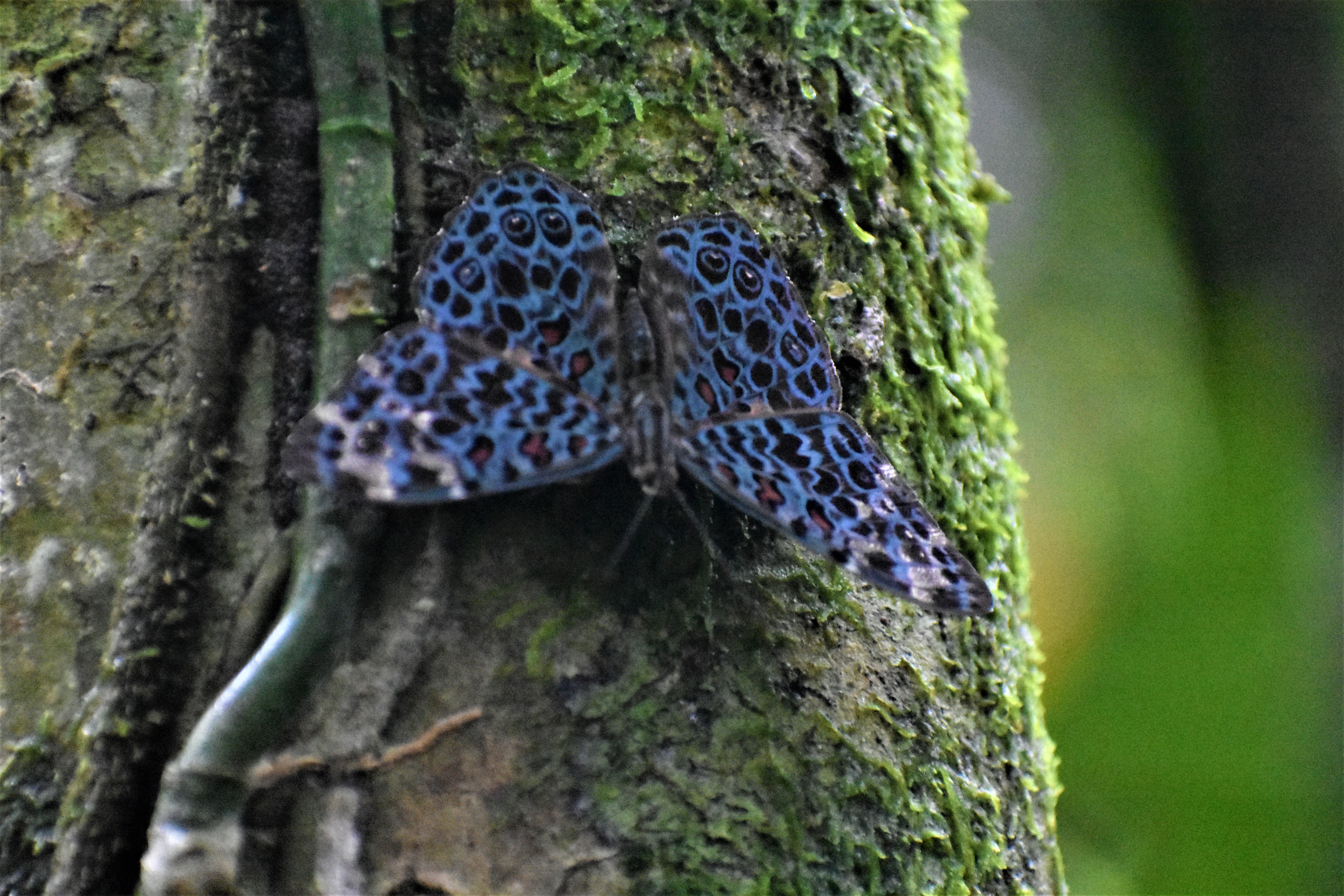
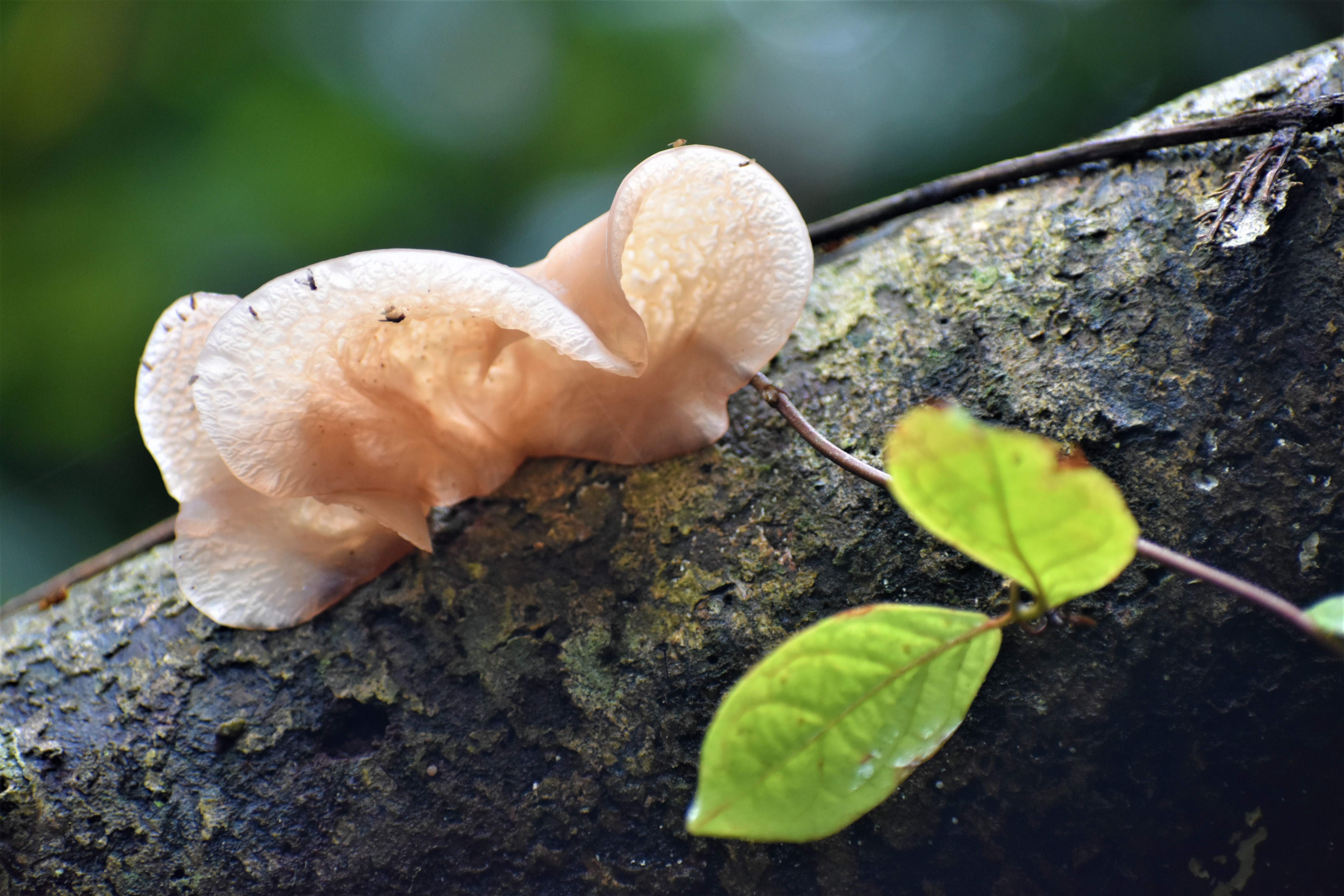
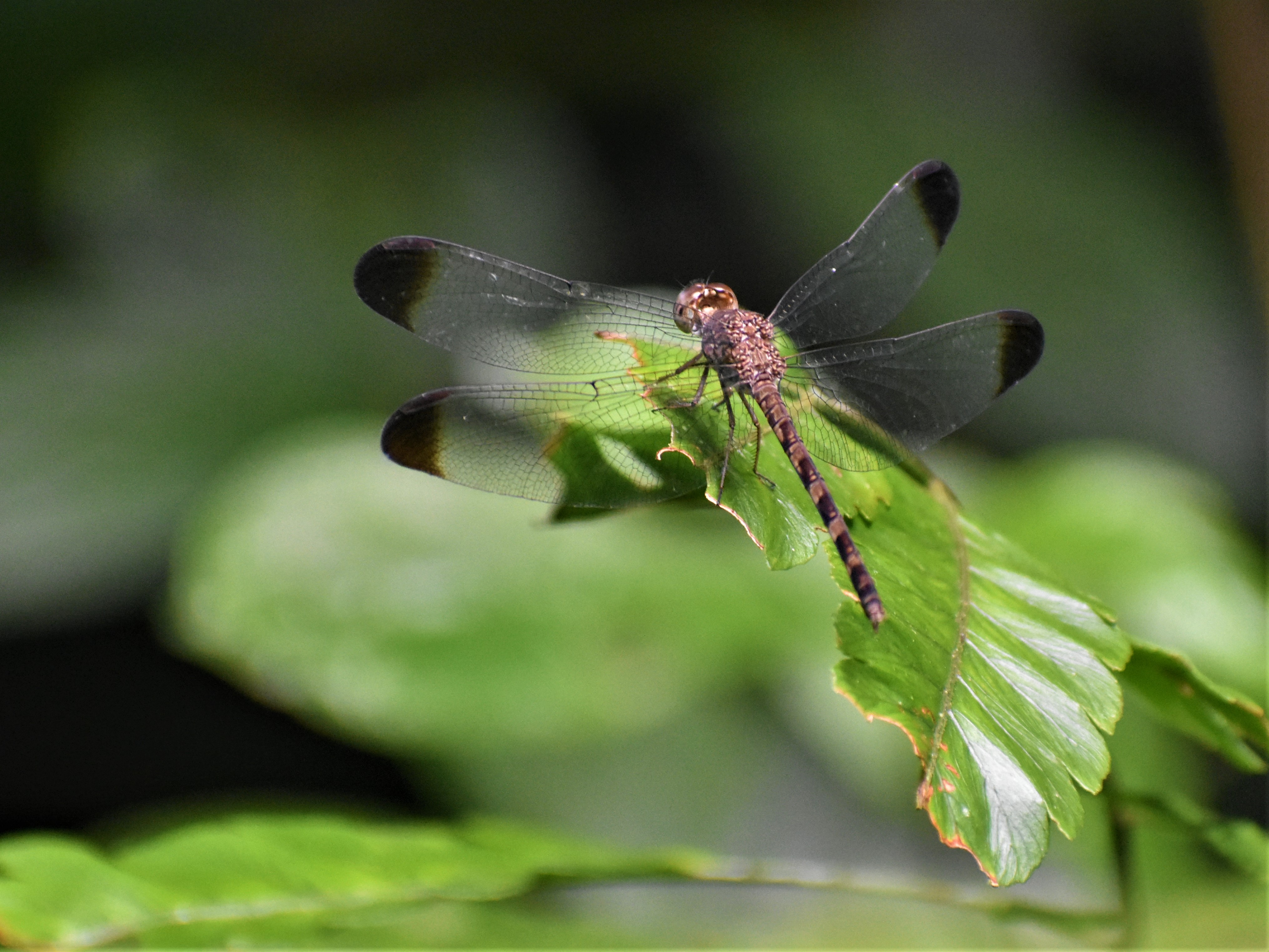
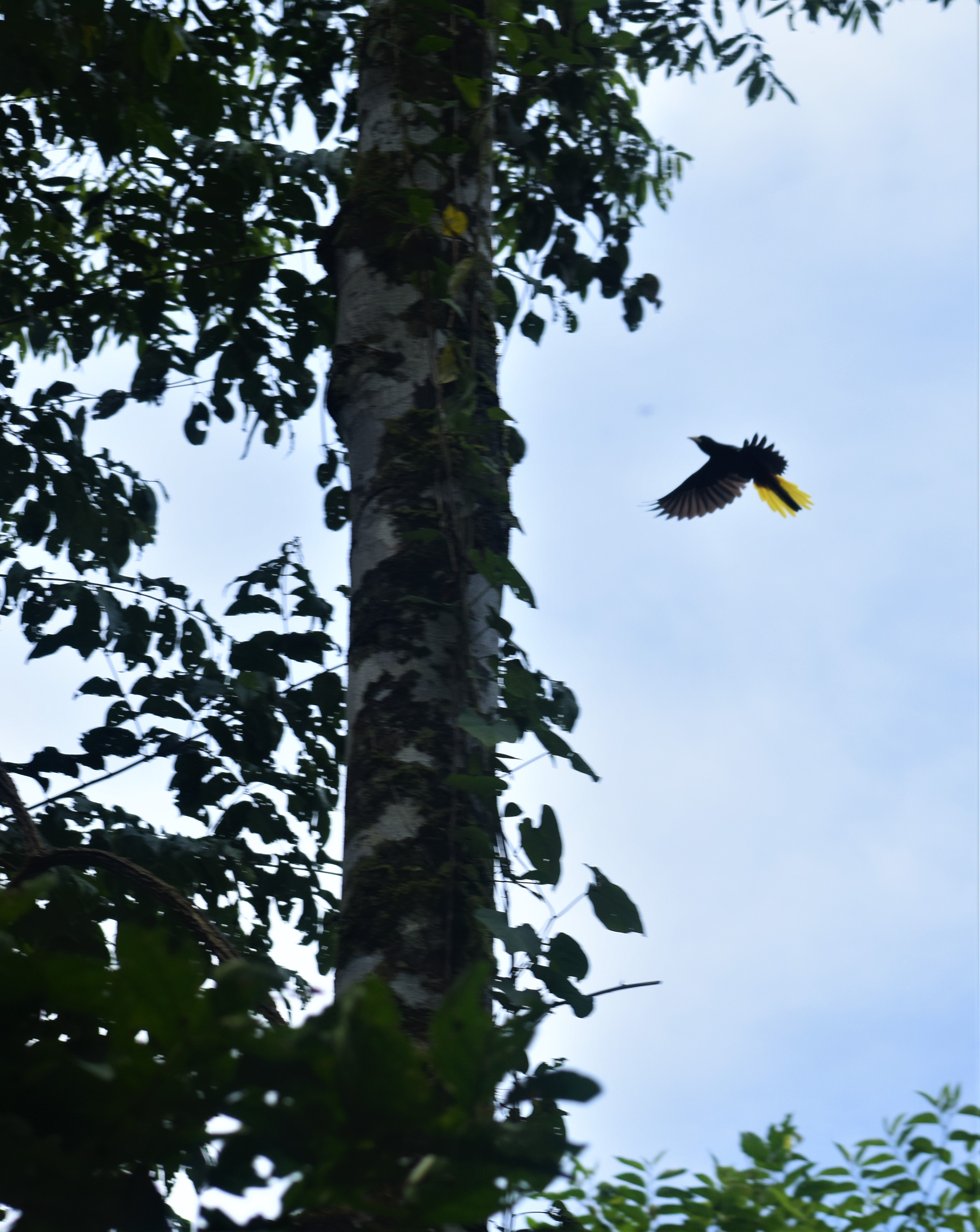
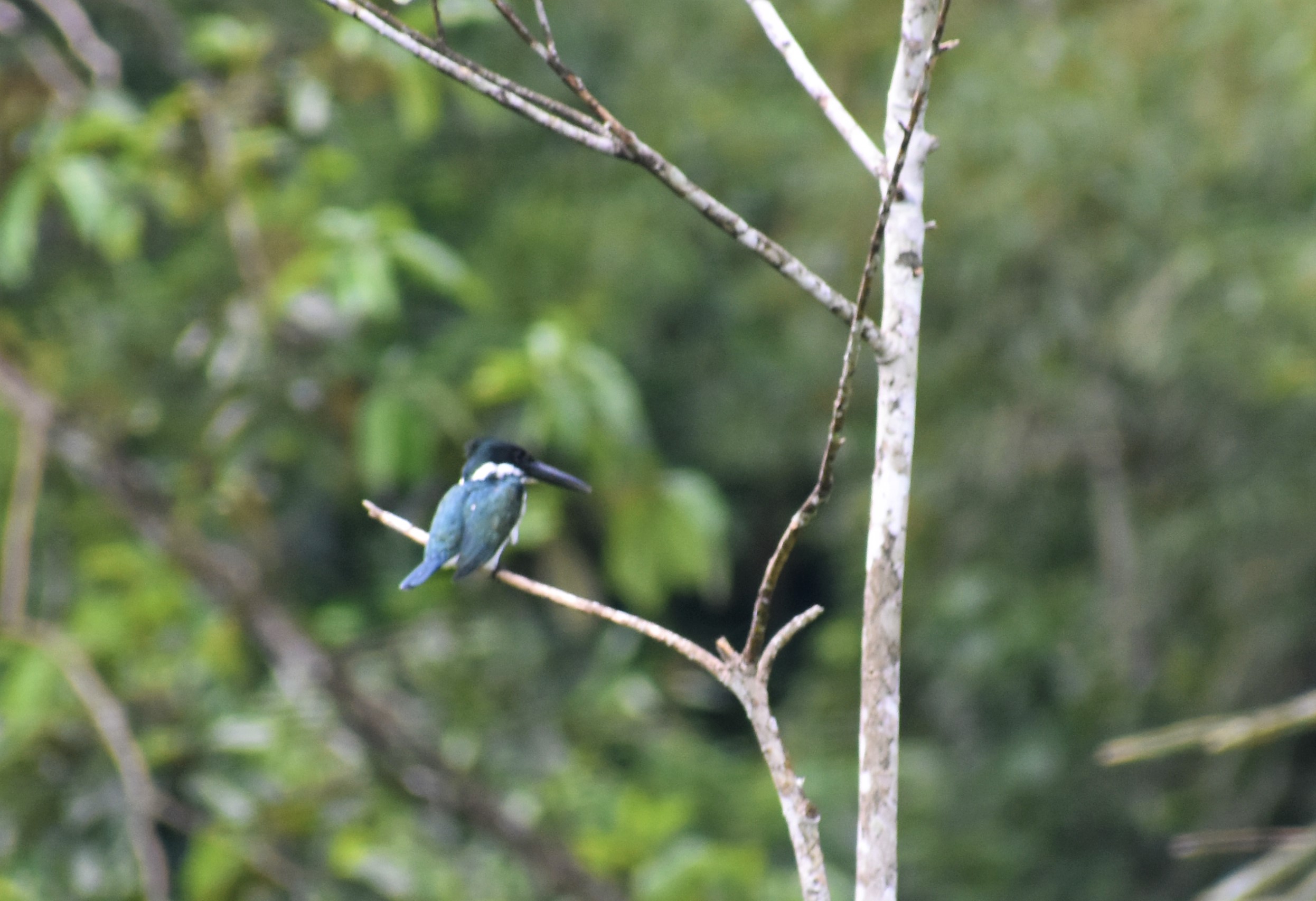
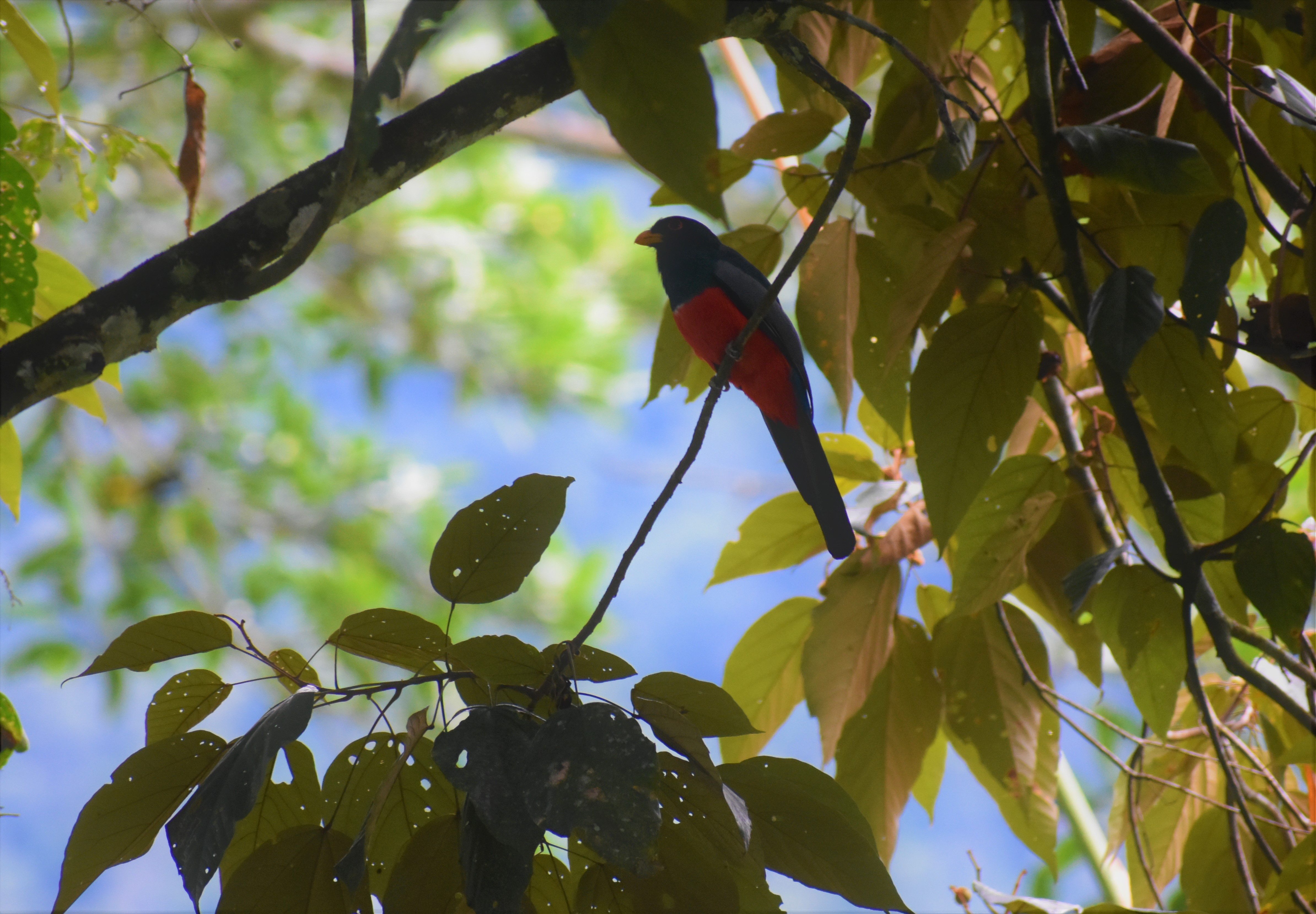
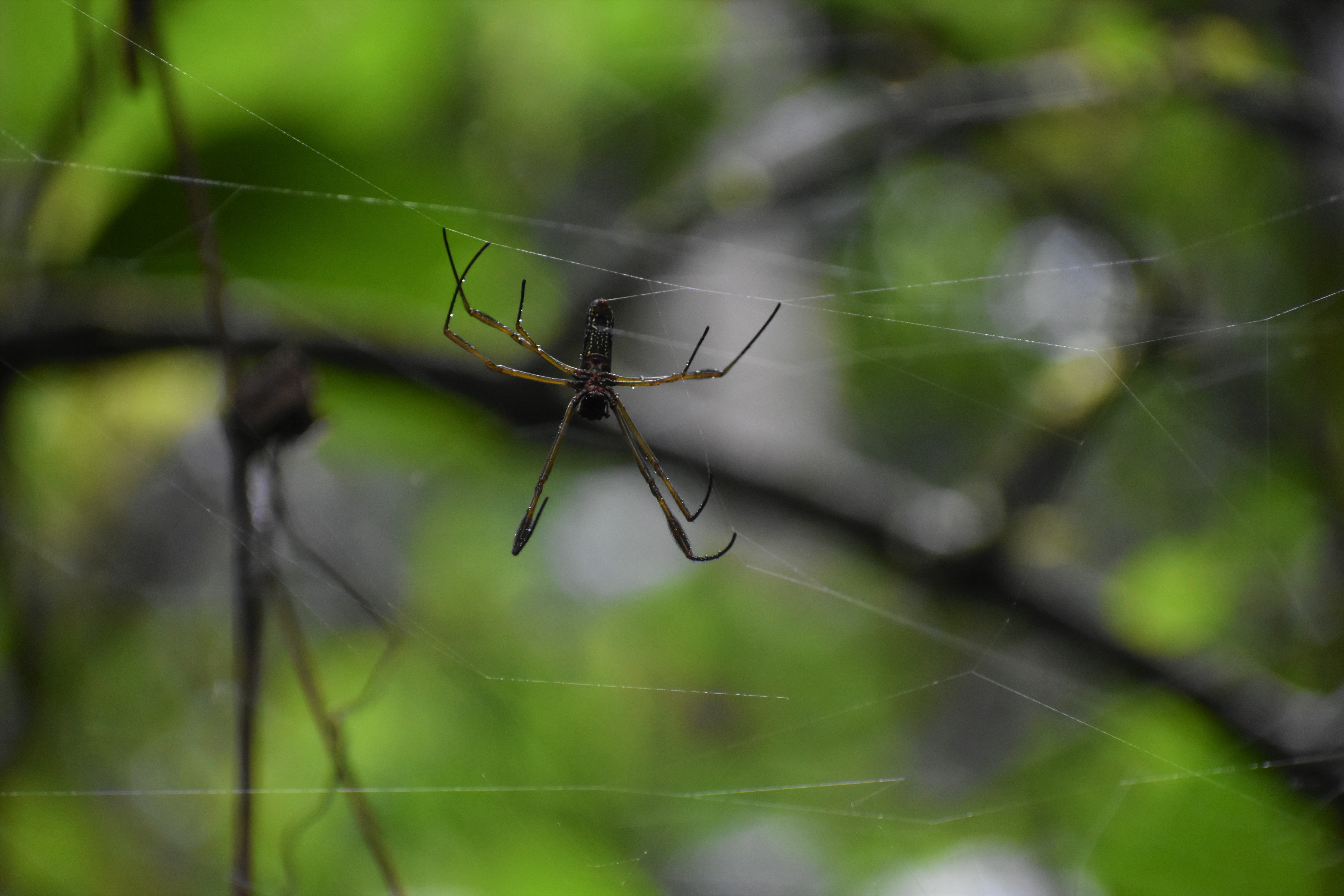
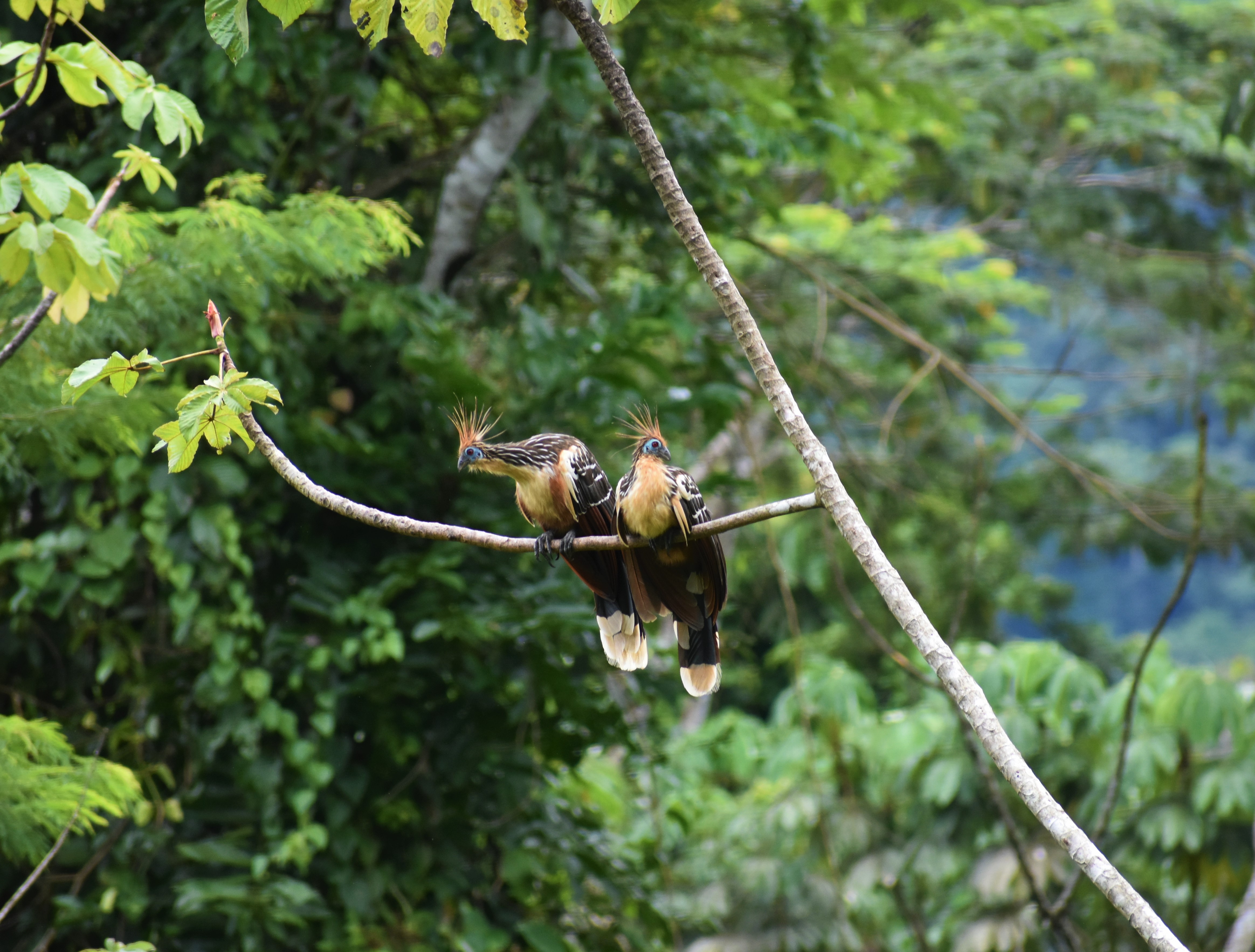
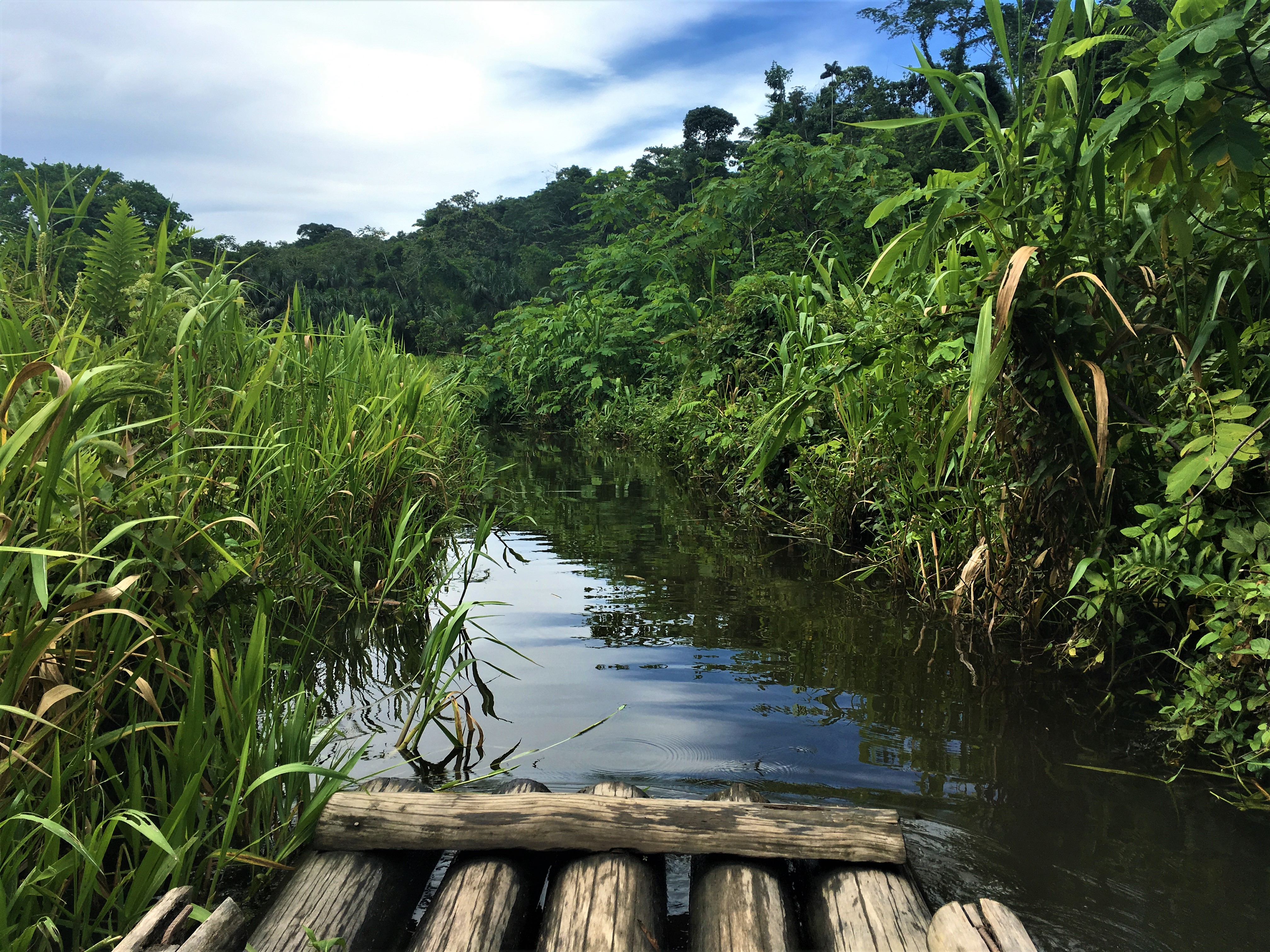
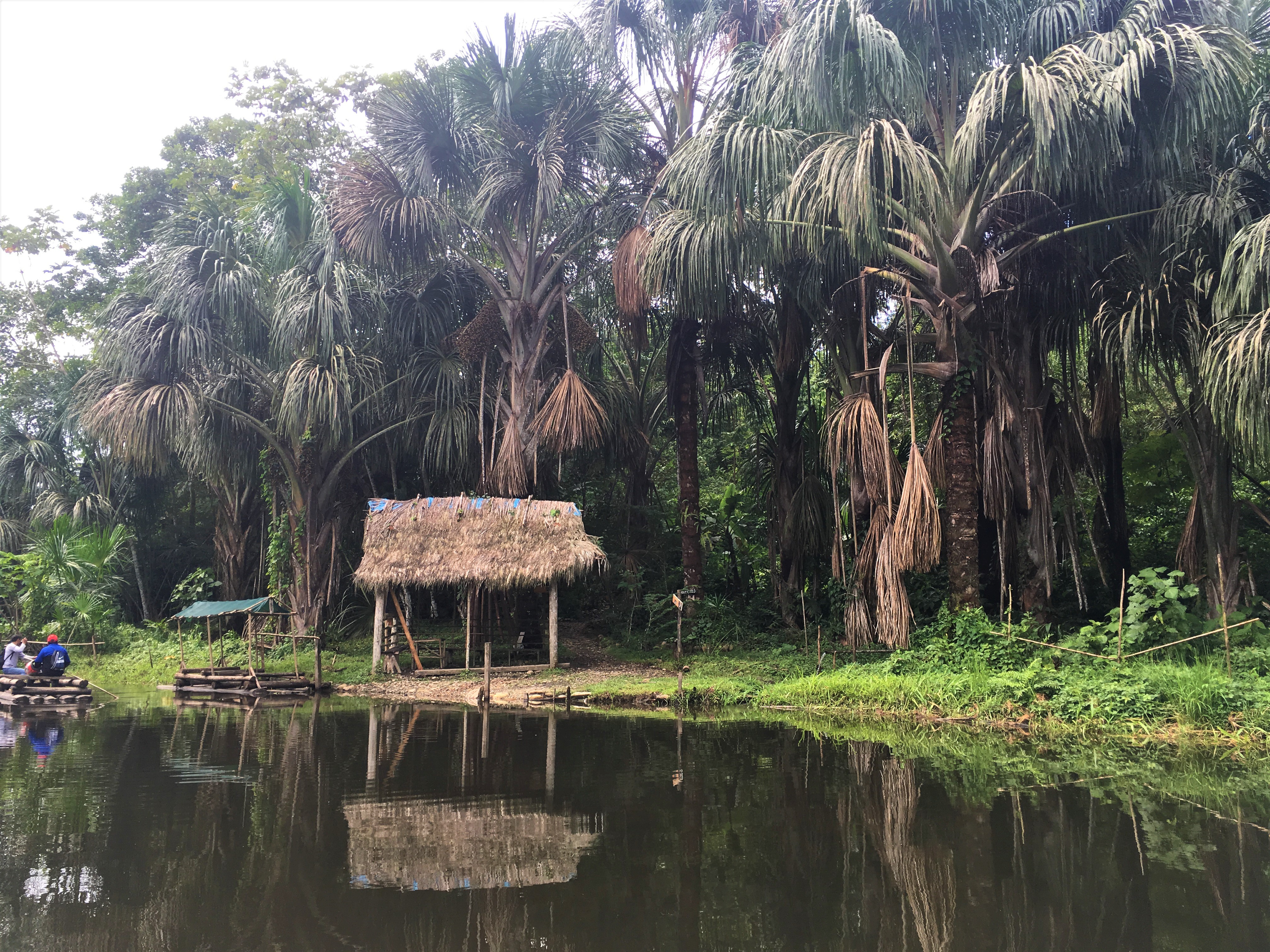
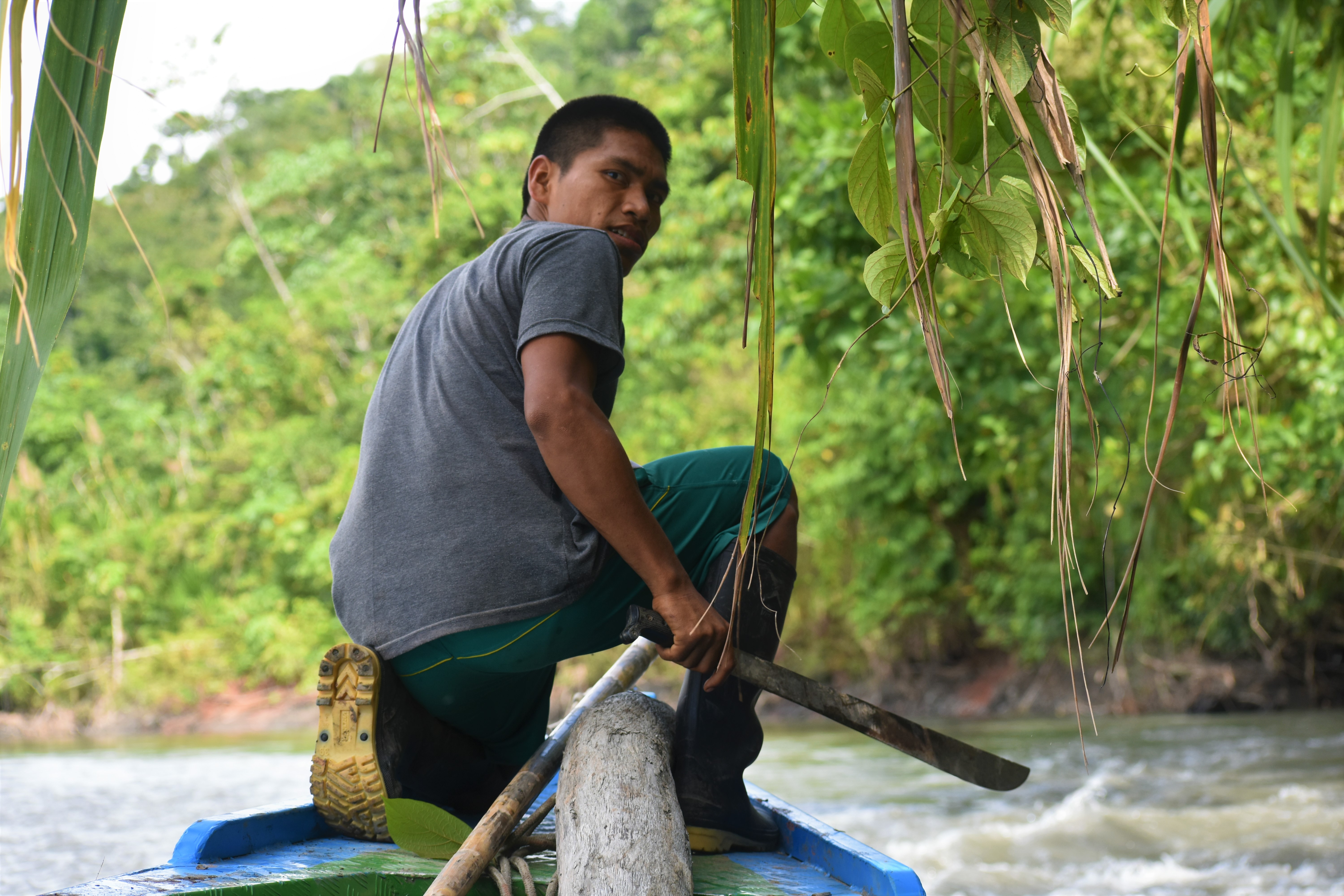
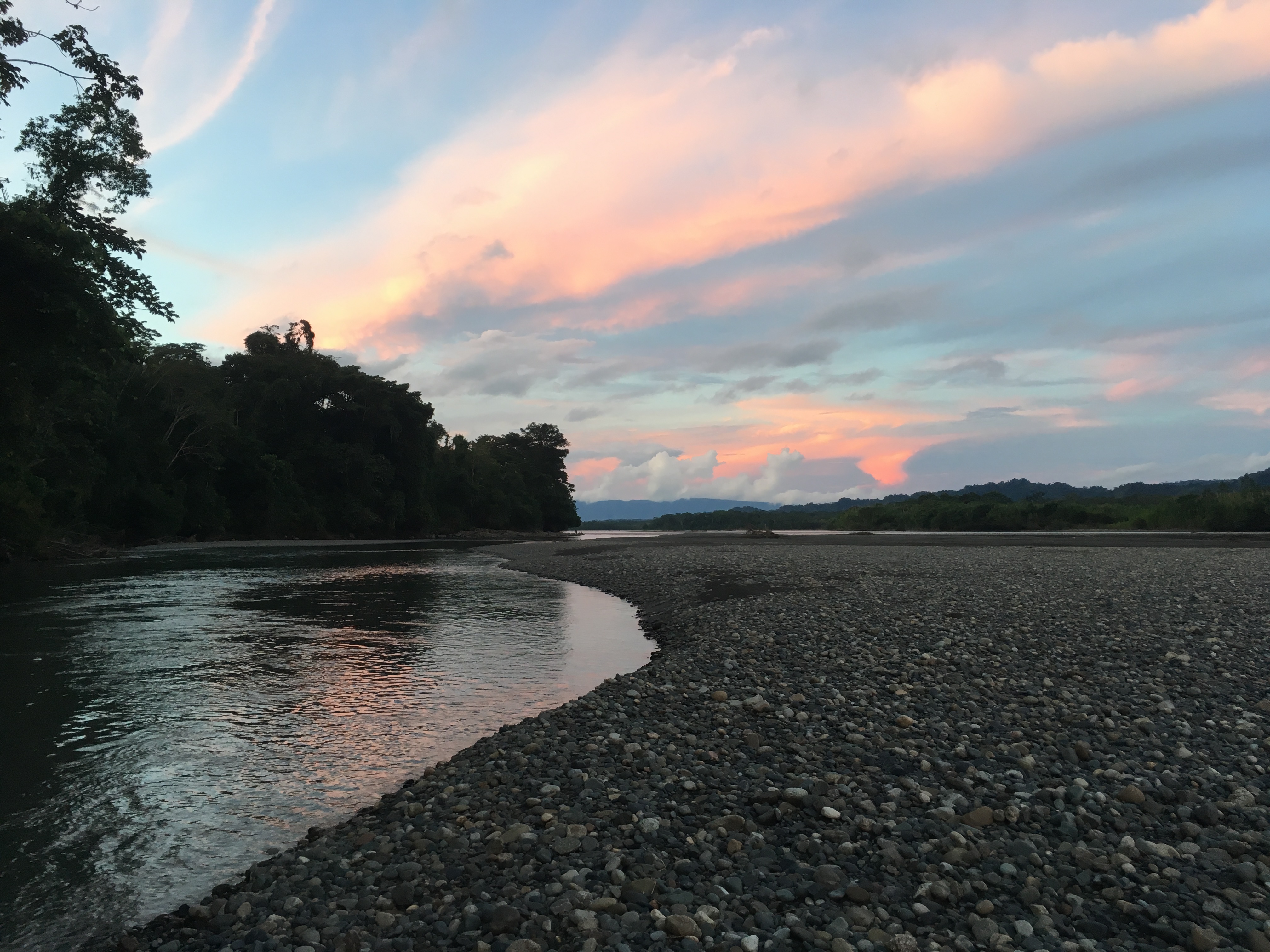
After our morning excursion, we packed up our things and began the trek to Otorongo Blanco in the Cultural Zone of the Manu National Park. This ecological camp is situated on 23 hectares of protected forest.  After a 20-minute walk, we arrived at the boat that would carry us up the river. Arturo introduced us to Manuel who was operating the boat engine and would be joining us in the rainforest. We got in the middle of the boat and Arturo sat on the front.
 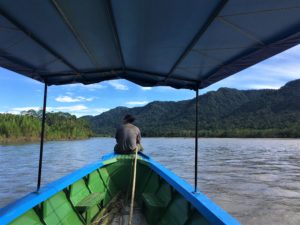 Everything was going smoothly until the propeller blade hit a rock in shallow waters and disappeared. The Madre de Dios river is a powerful river with a strong current and we were now sitting in a flat bottomed boat with no engine. Luckily we had been traveling close to an island so we could dock there while we thought about our plan. There was no spare propeller in the boat, so we needed someone to bring us one, and we needed to get to the other side of the river in order to get it. Manuel got out of the boat, got in the water up to his waist and pulled the boat upstream near the island until we were far enough up that we could launch the boat into the middle of the river and hope the current would carry us to the other side. In the meantime, the bamboo pole Arturo had been using to pole the boat broke, so he had to go in search of a new one. After an exciting ride, we made it to the other side of the river, obtained a new propeller, installed it, and we were off again on our way to camp.
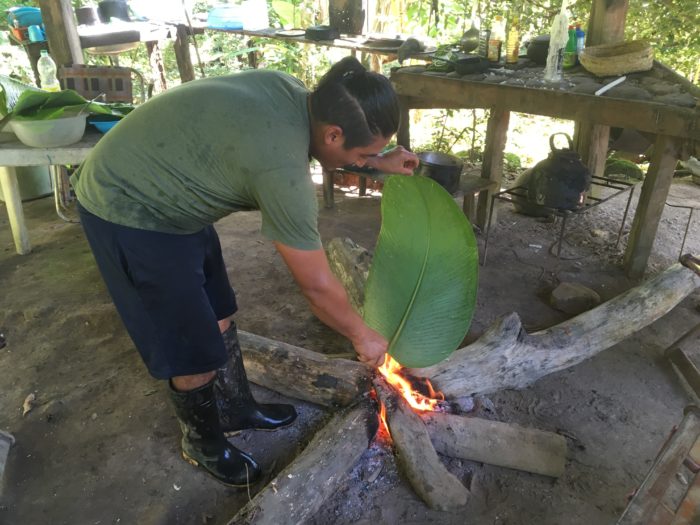
Camp was a ten-minute walk from the boat dock up hill in pretty muddy conditions. The Otorongo Blanco camp is more rustic than Oliver and Carolina’s house but definitely still comfortable. The tents were on a second floor platform again and had mattresses inside. All of the cooking was done over a campfire of massive tree branches. There was running water for showers (cold), toilets and dishes.
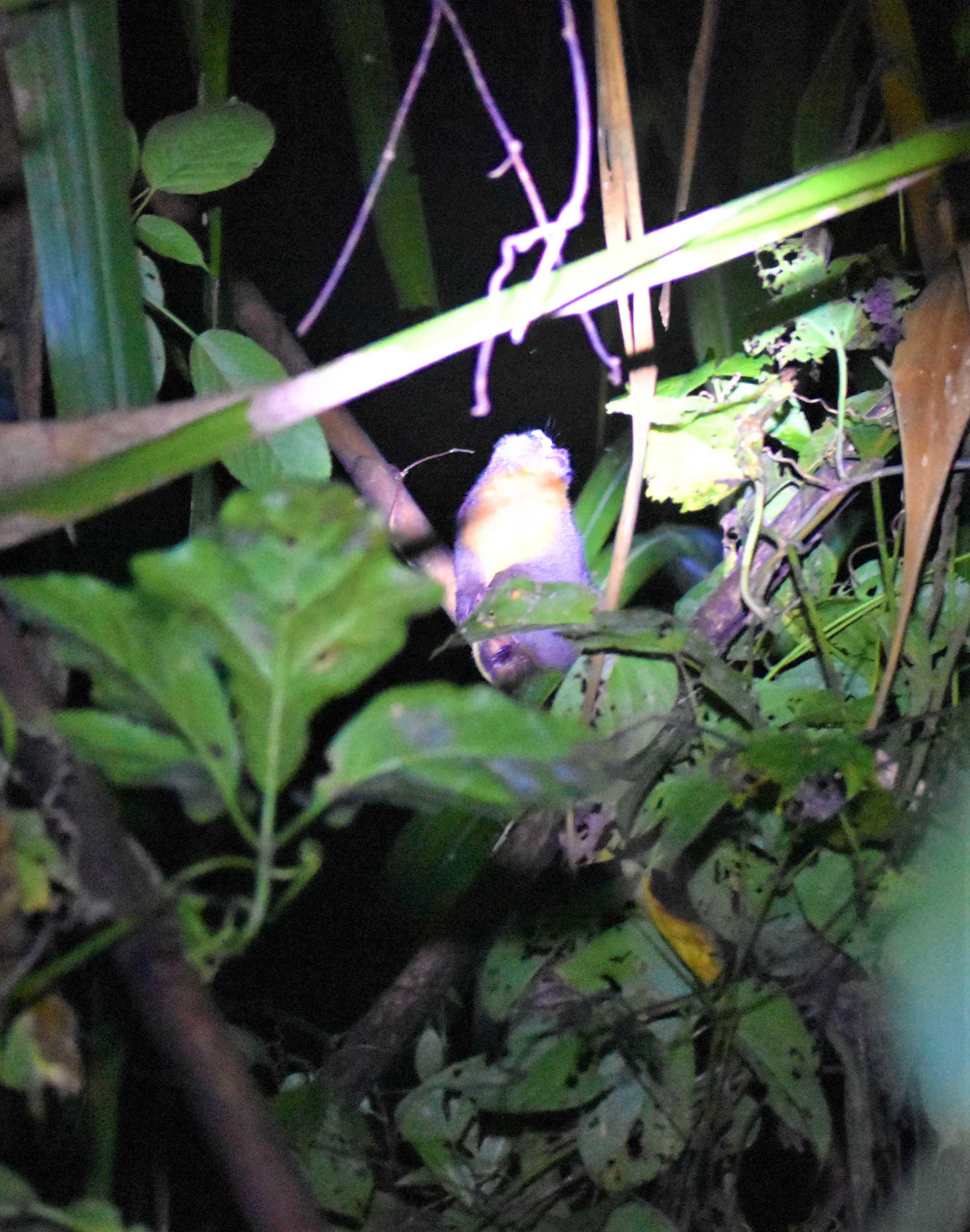
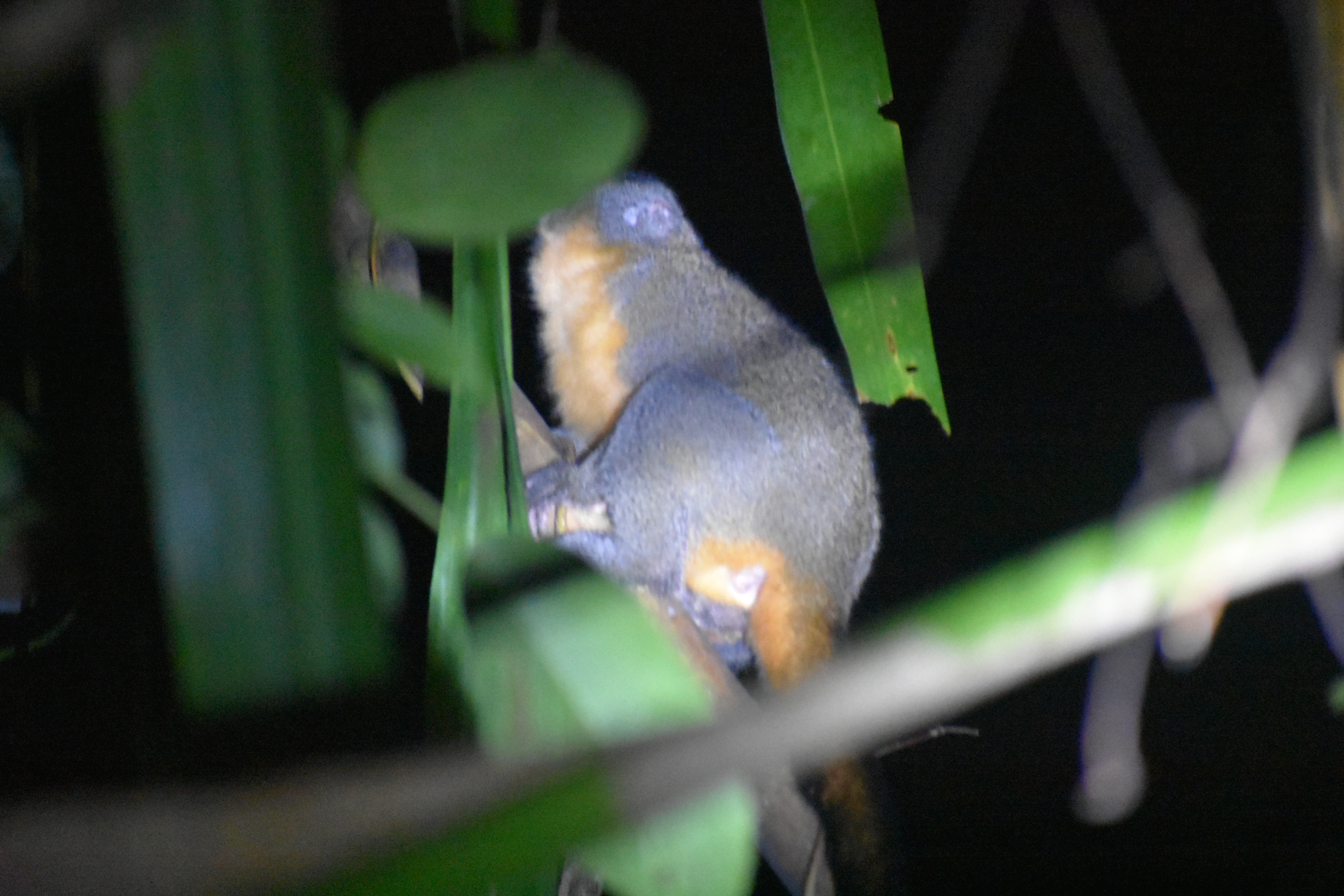
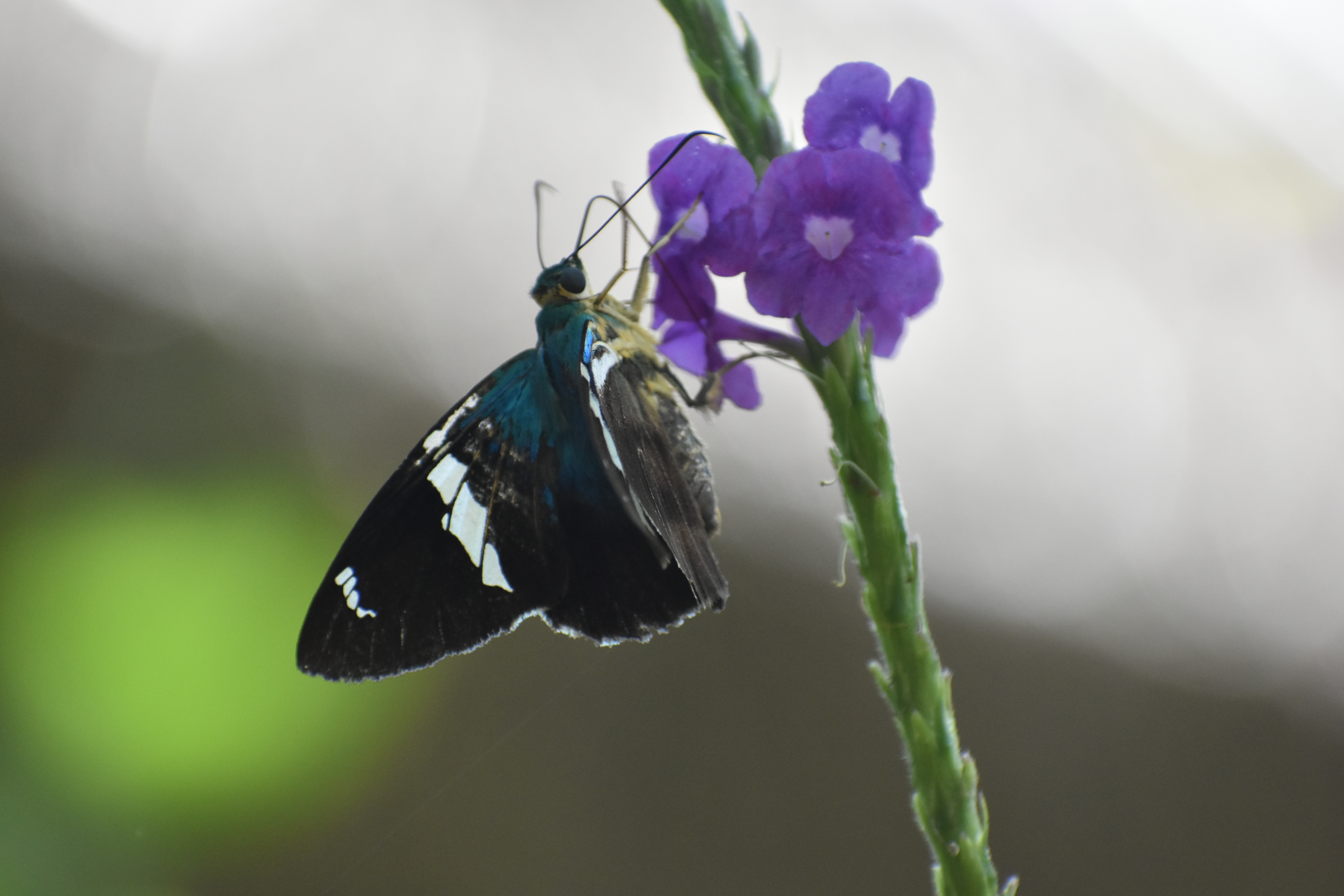
We arrived at camp in time for dinner and then our second night hike. The highlight of this night hike was the Night Monkey sighting. Night Monkeys are the only nocturnal monkeys, so it’s fairly uncommon to see them. They were jumping from tree to tree and seemed to be pretty camera shy, so we struggled to get a good shot, but they were so fun to watch. We also saw tons of frogs, many butterflies, and a large wolf spider.
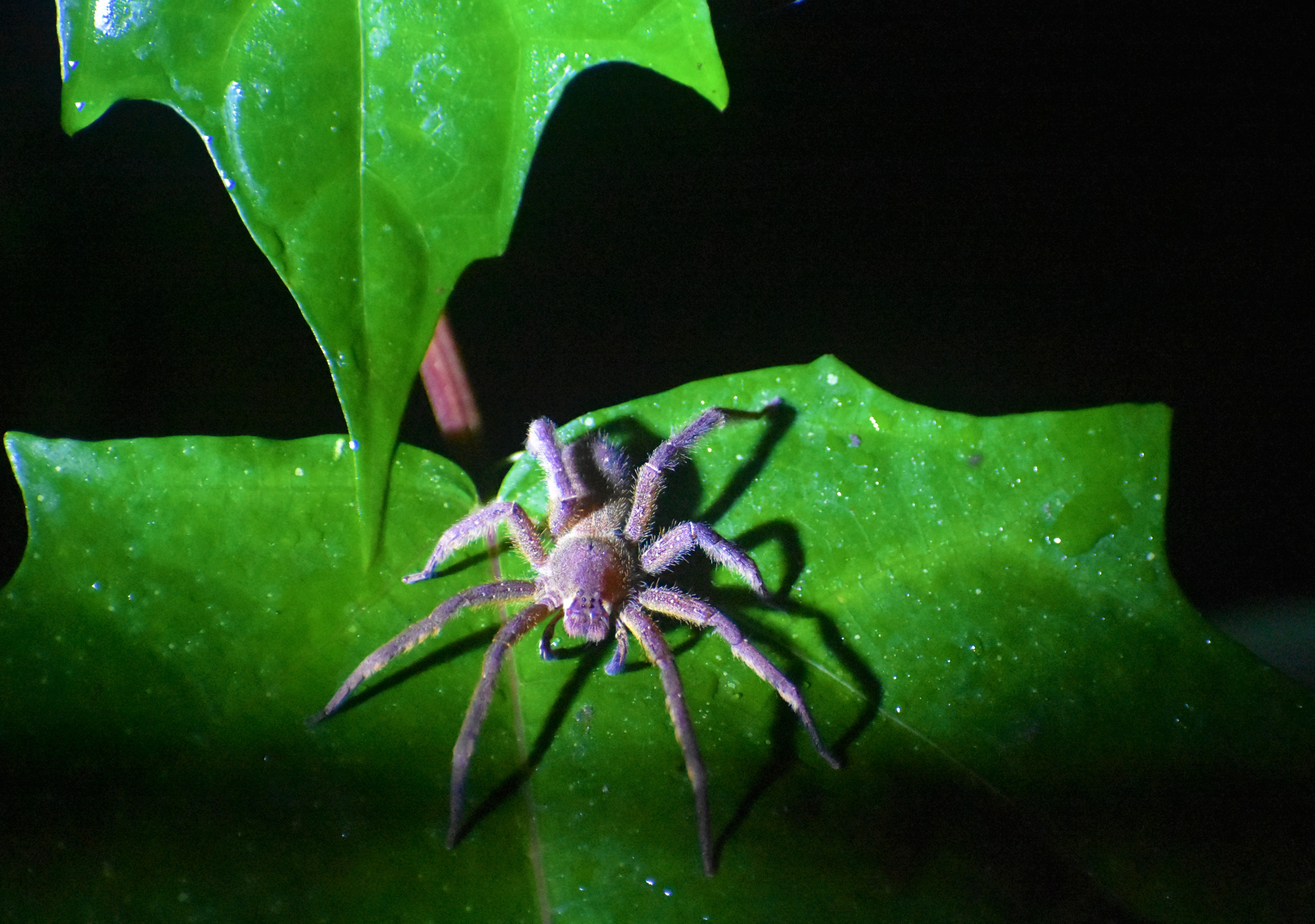
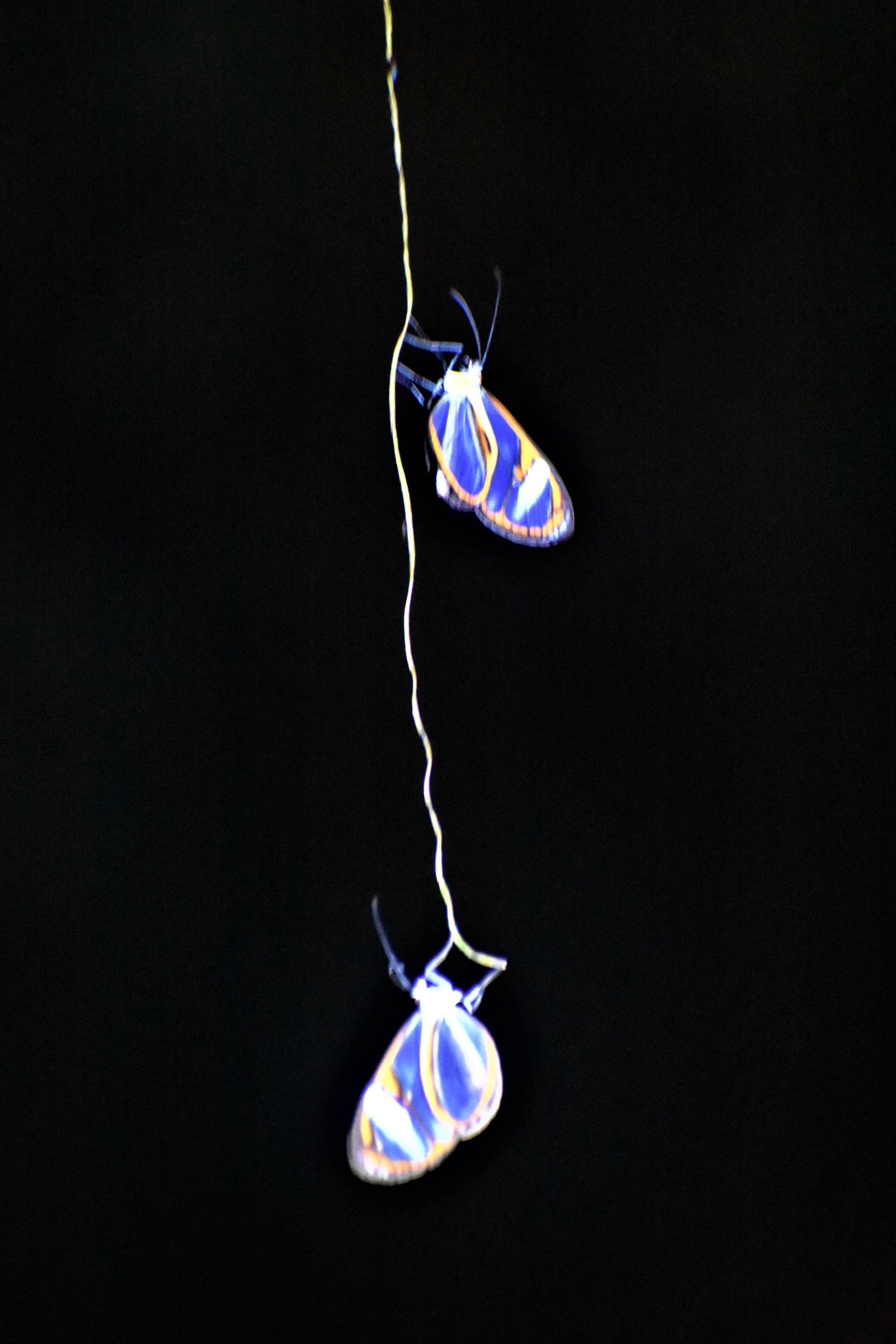
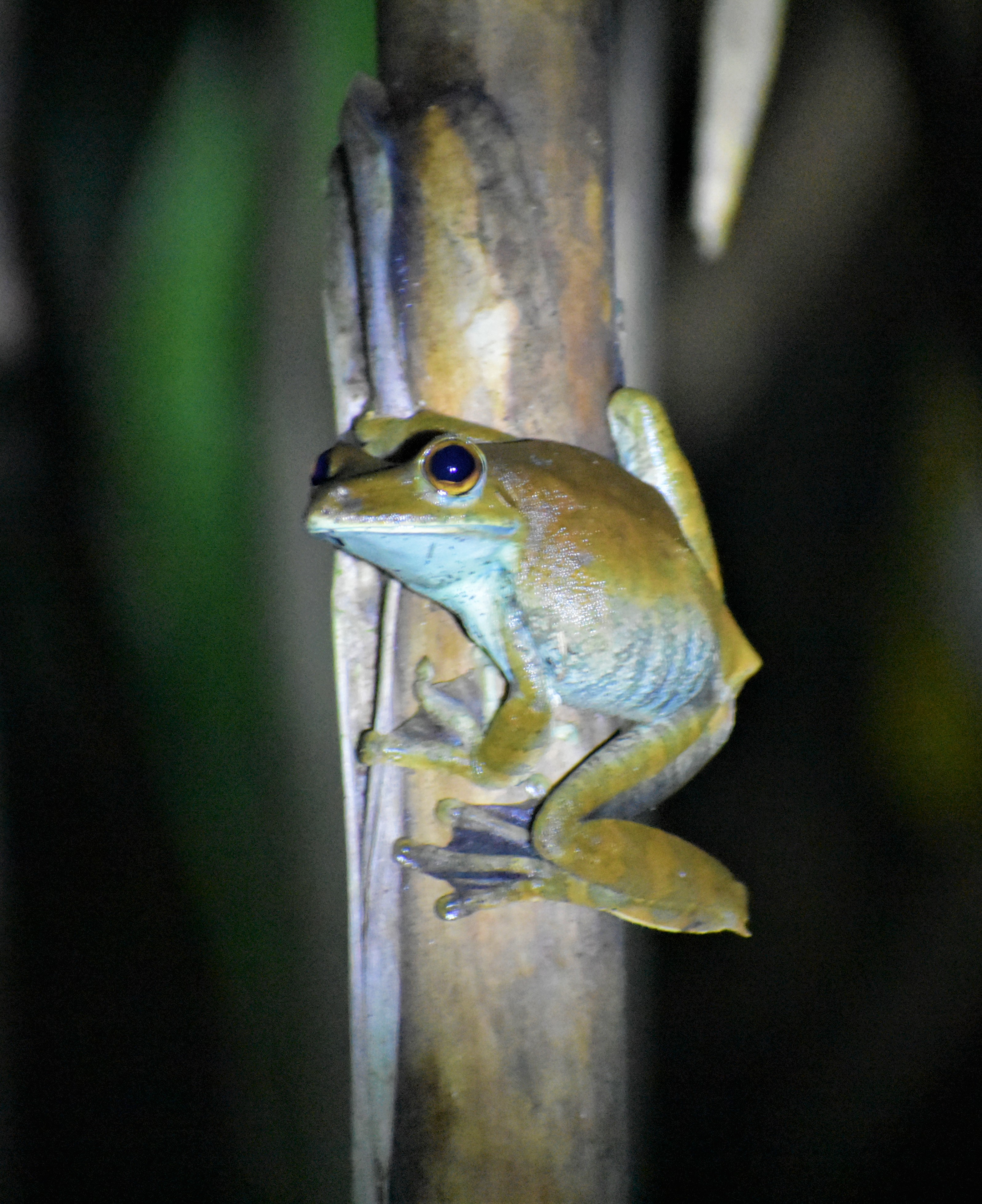
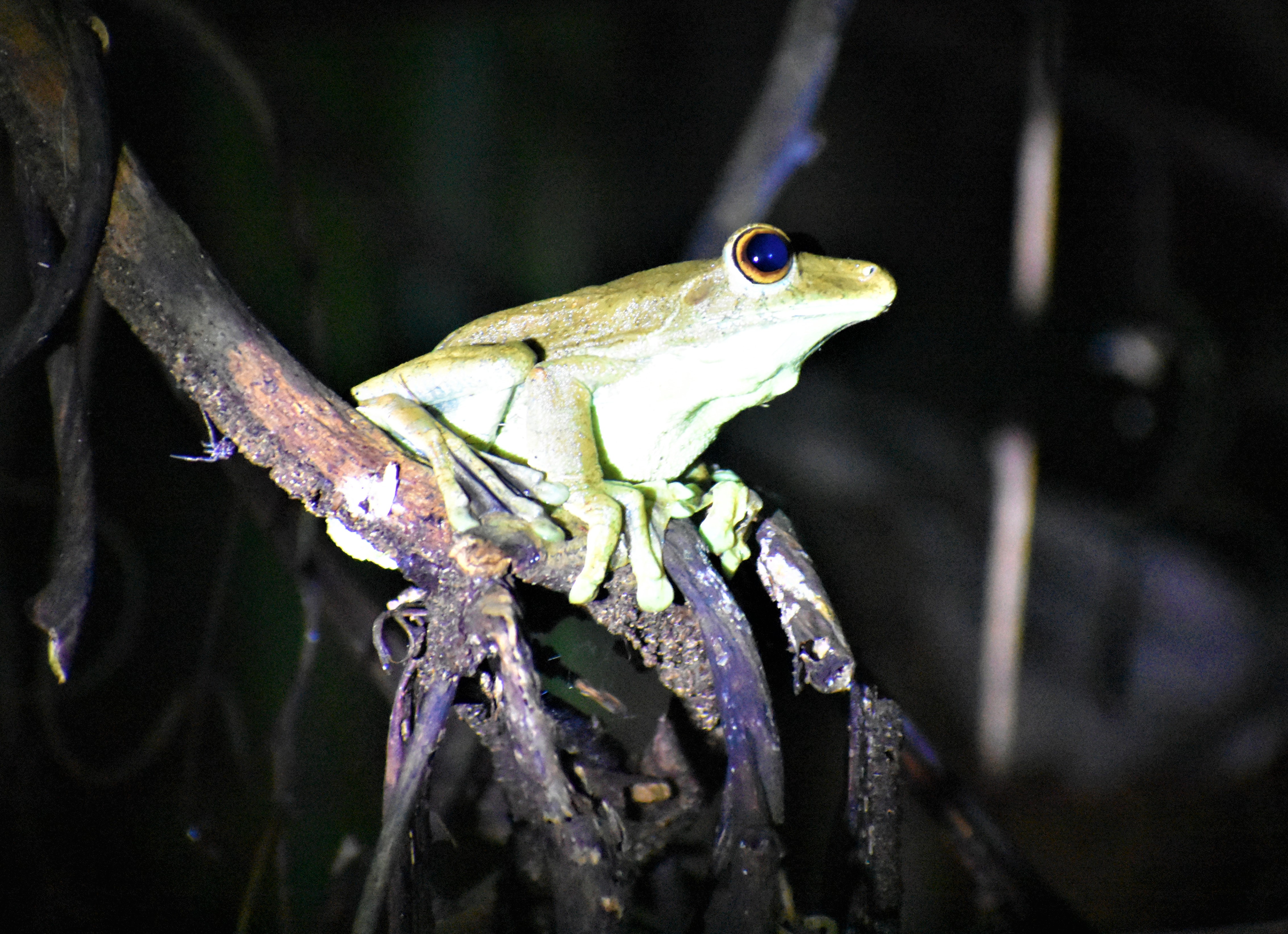
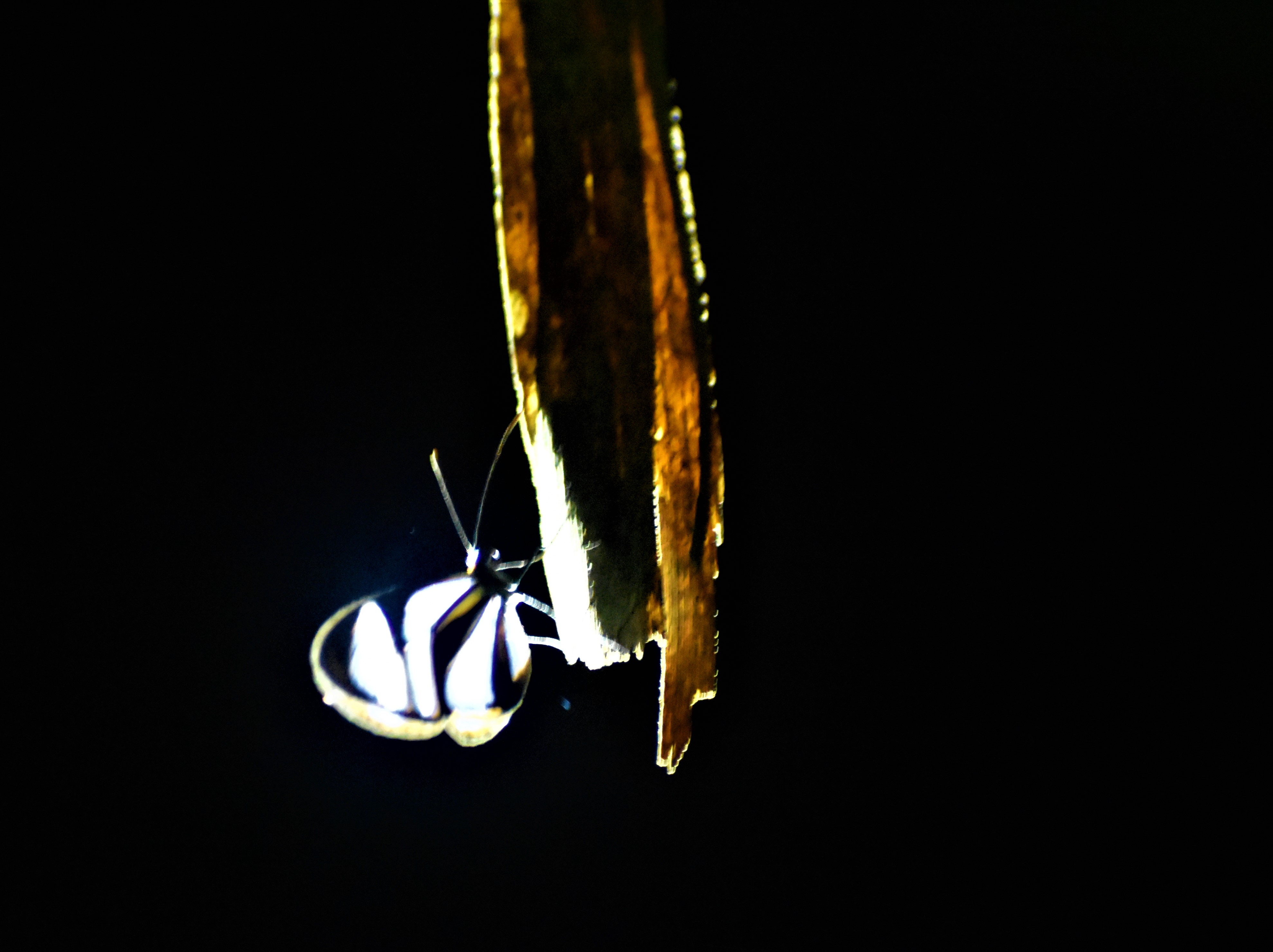
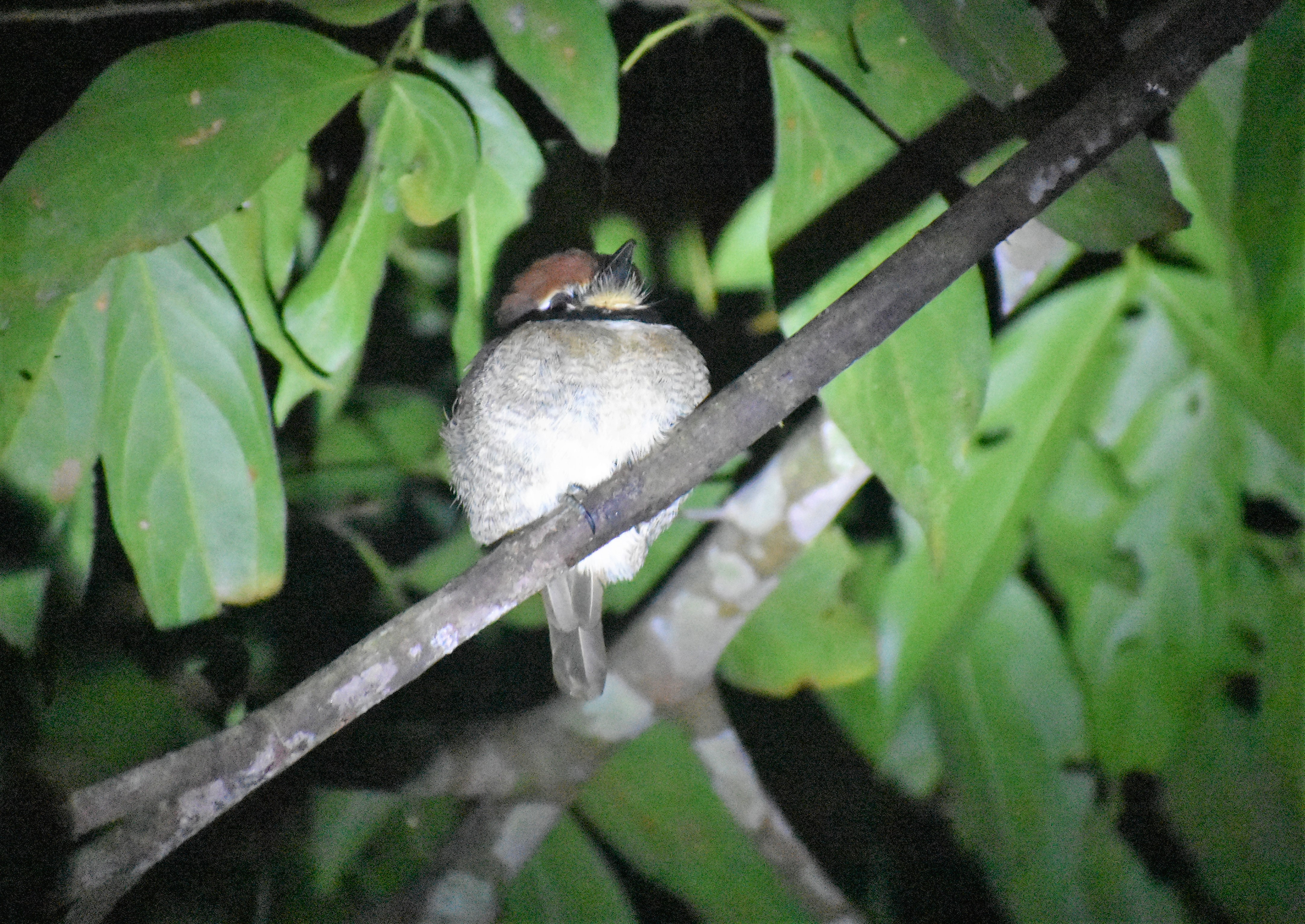
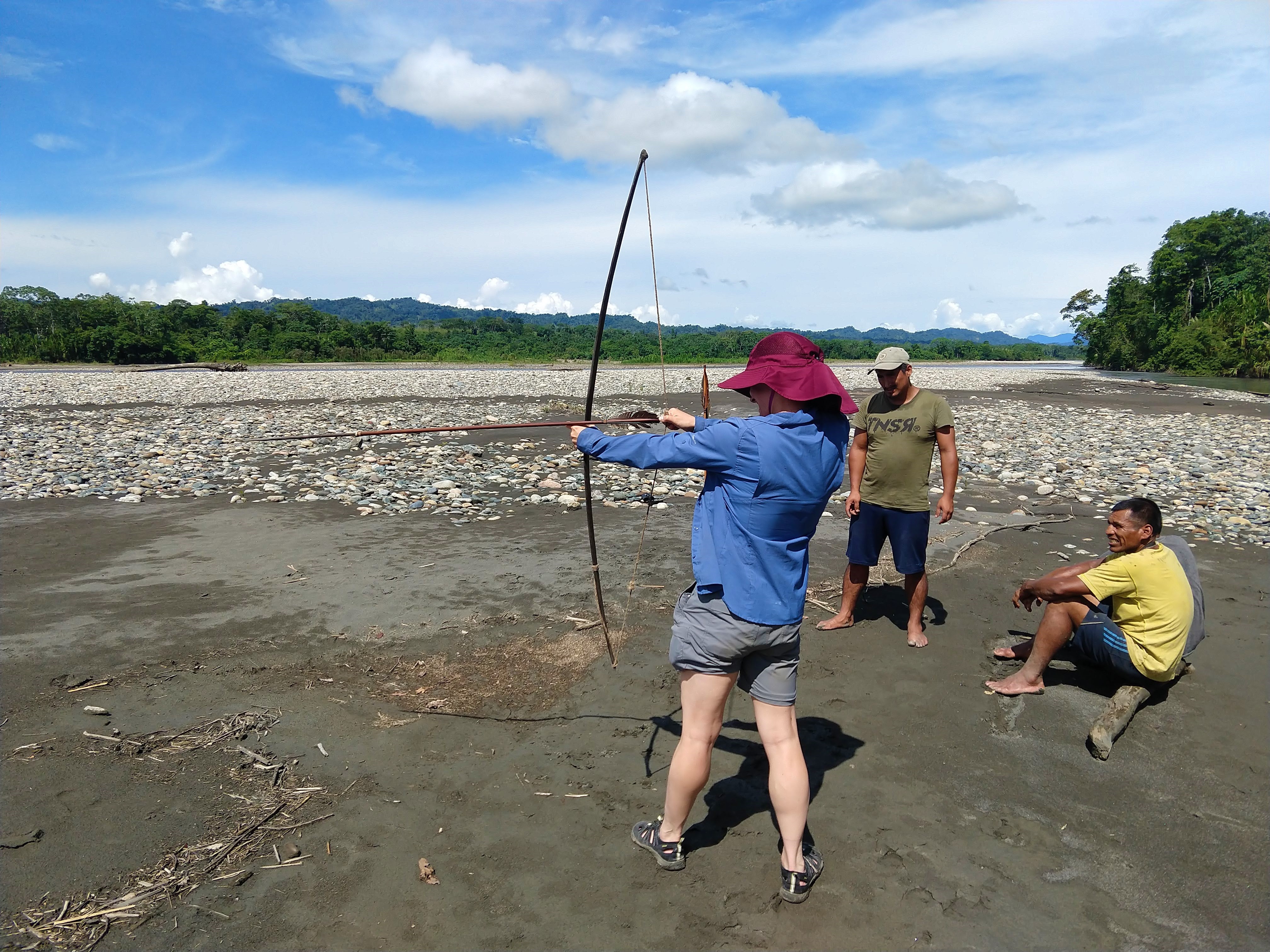
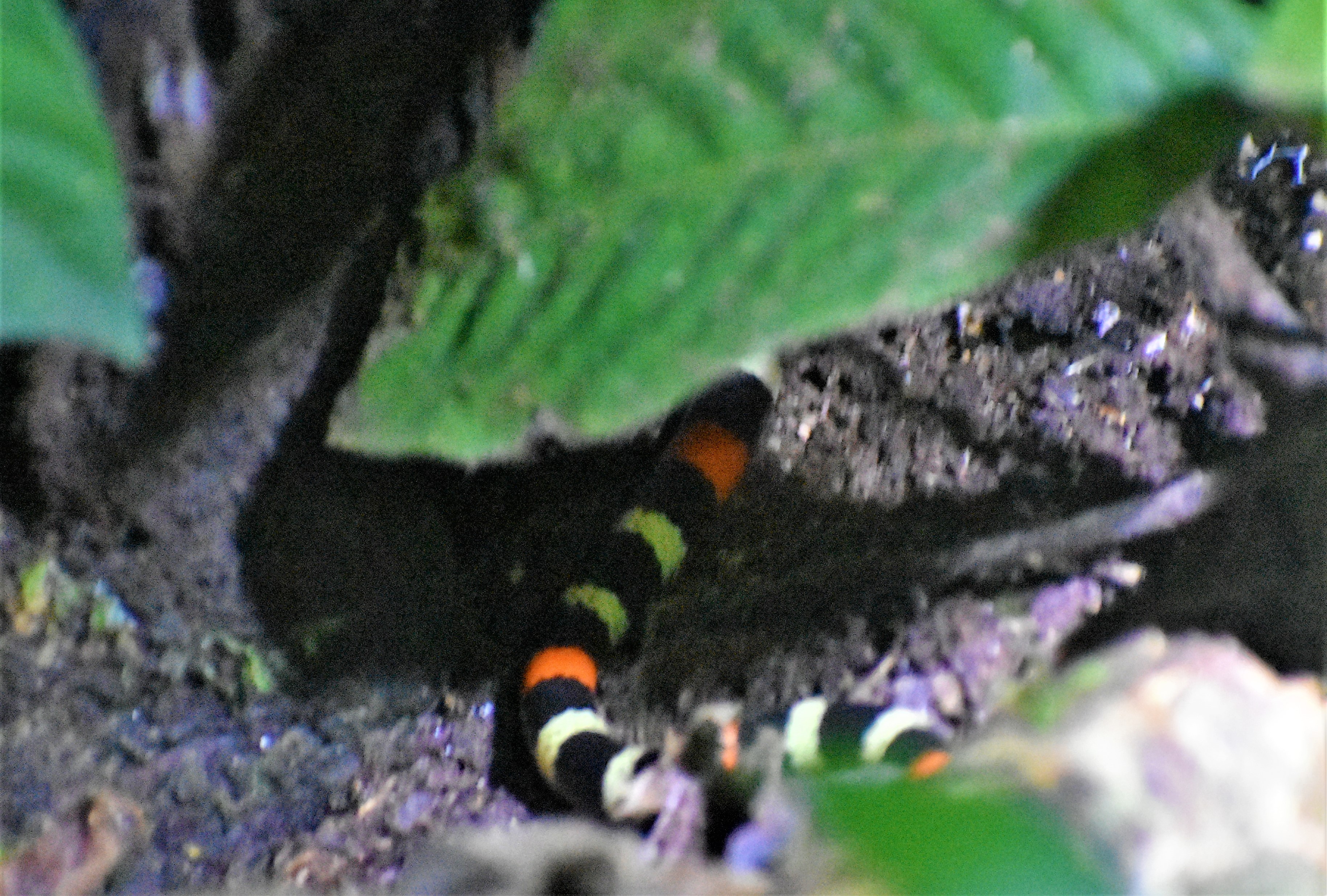
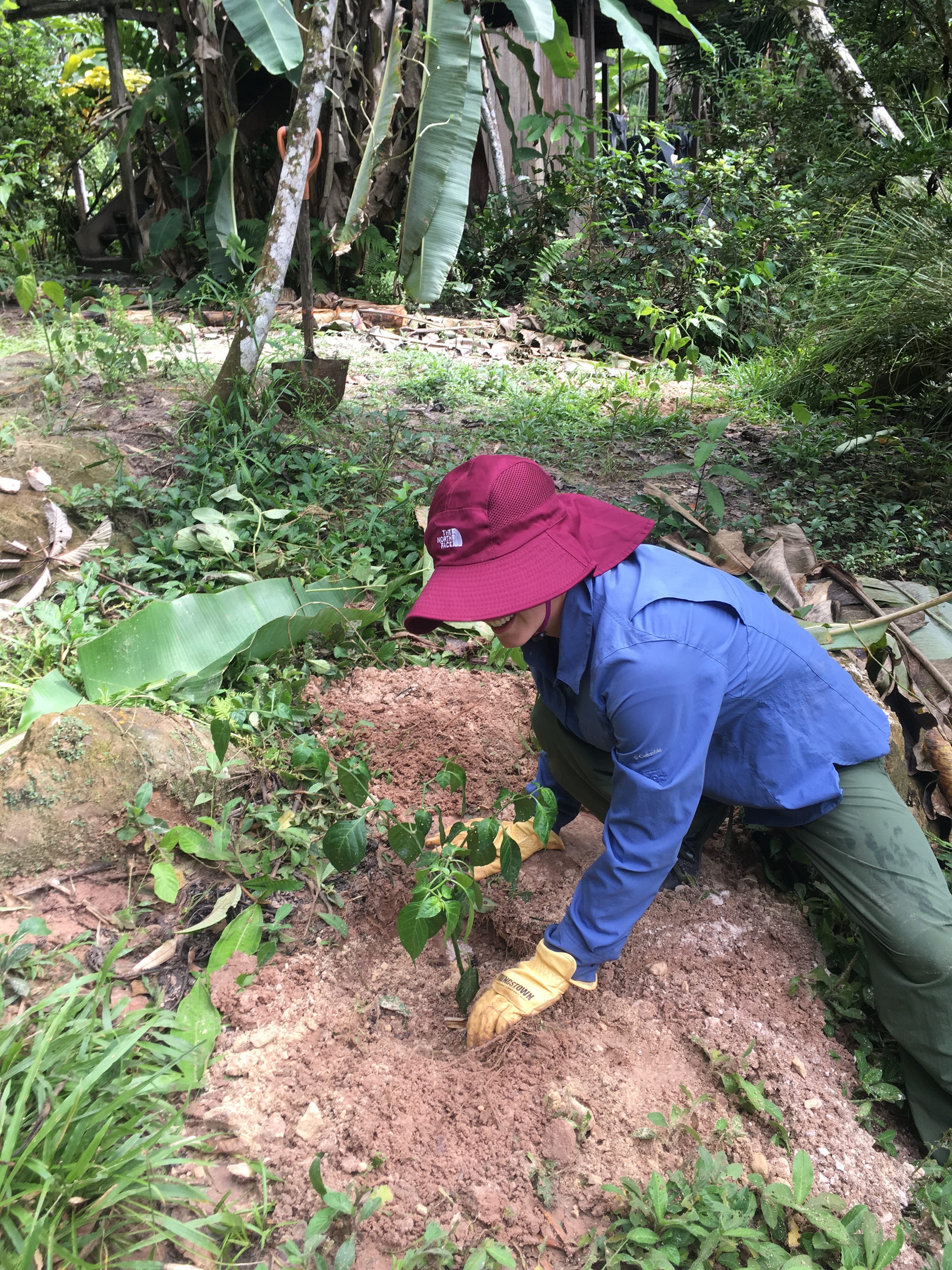
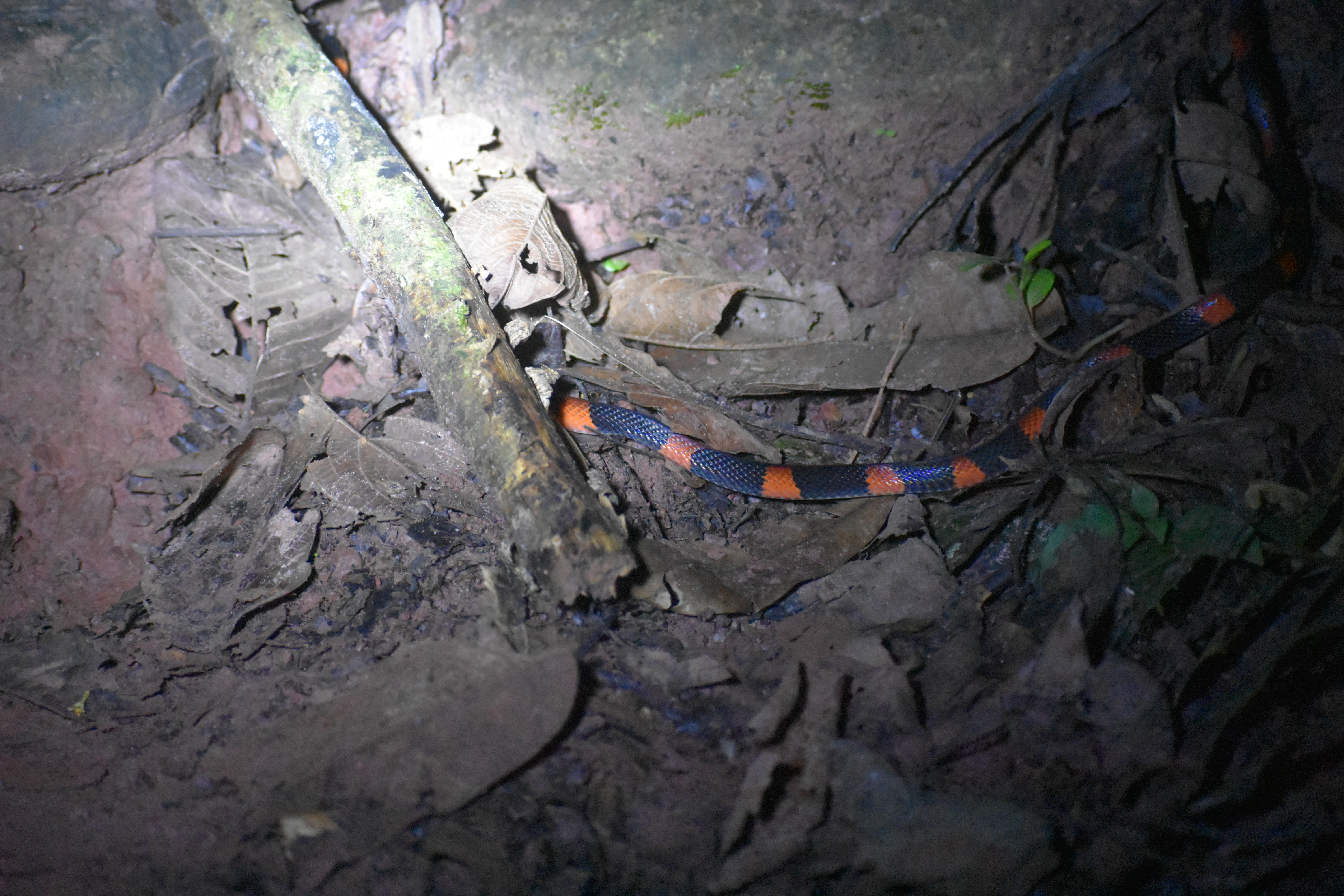
Day three was cloudy, so Arturo decided we should save our big hike up the mountain for the next day and plant trees instead. Manuel and Arturo showed us where to plant them and we dug big holes and planted a total of 10 pepper plants of varying types. Then we went out in the boat to collect yuca from Oscar’s (Manuel’s dad) house, gather more firewood, and practice shooting Oscar’s bow and arrows on the beach. Eric and Arturo swam in the river. In the evening we went out for another night hike where we saw marsupials and frogs and our first snake!
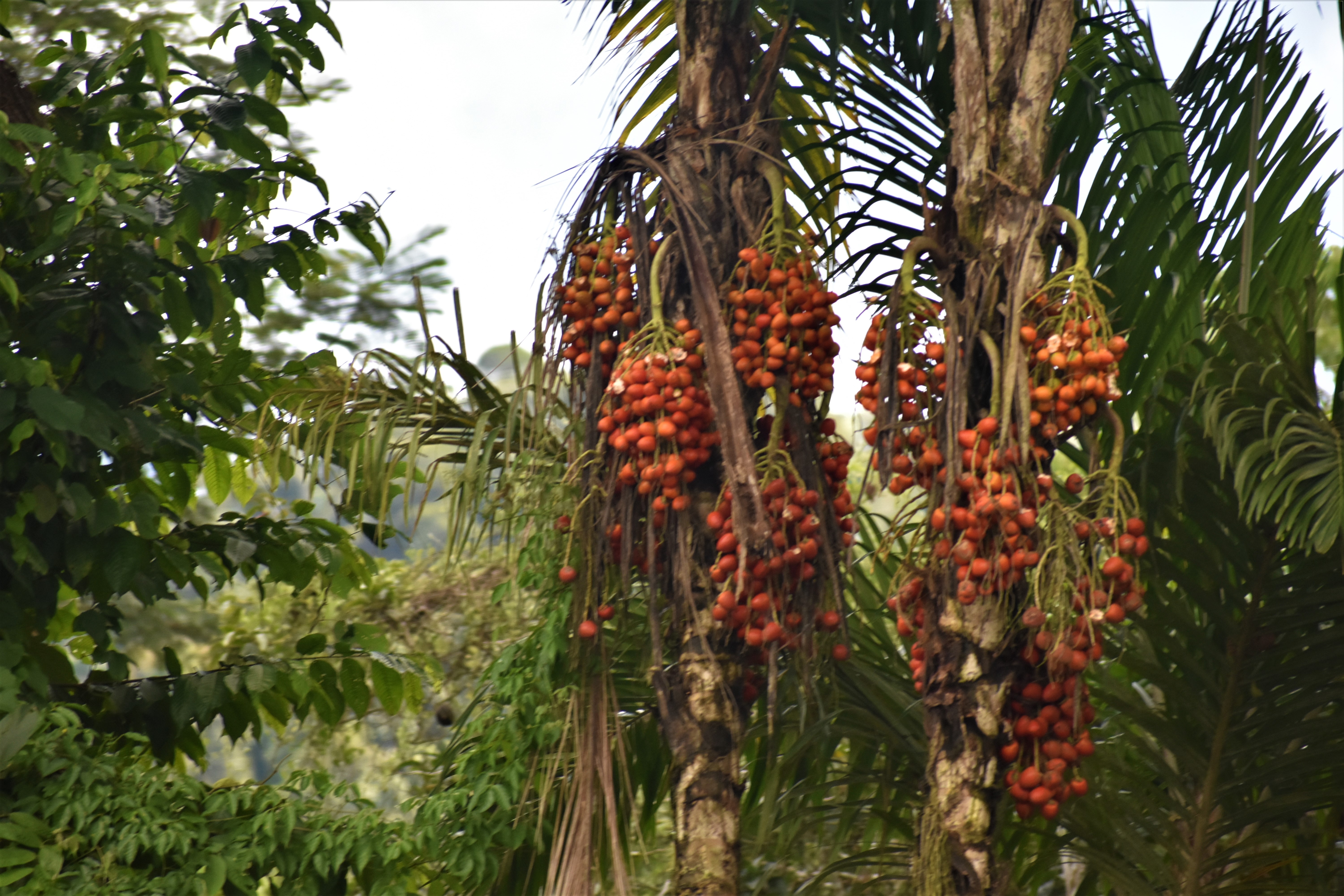
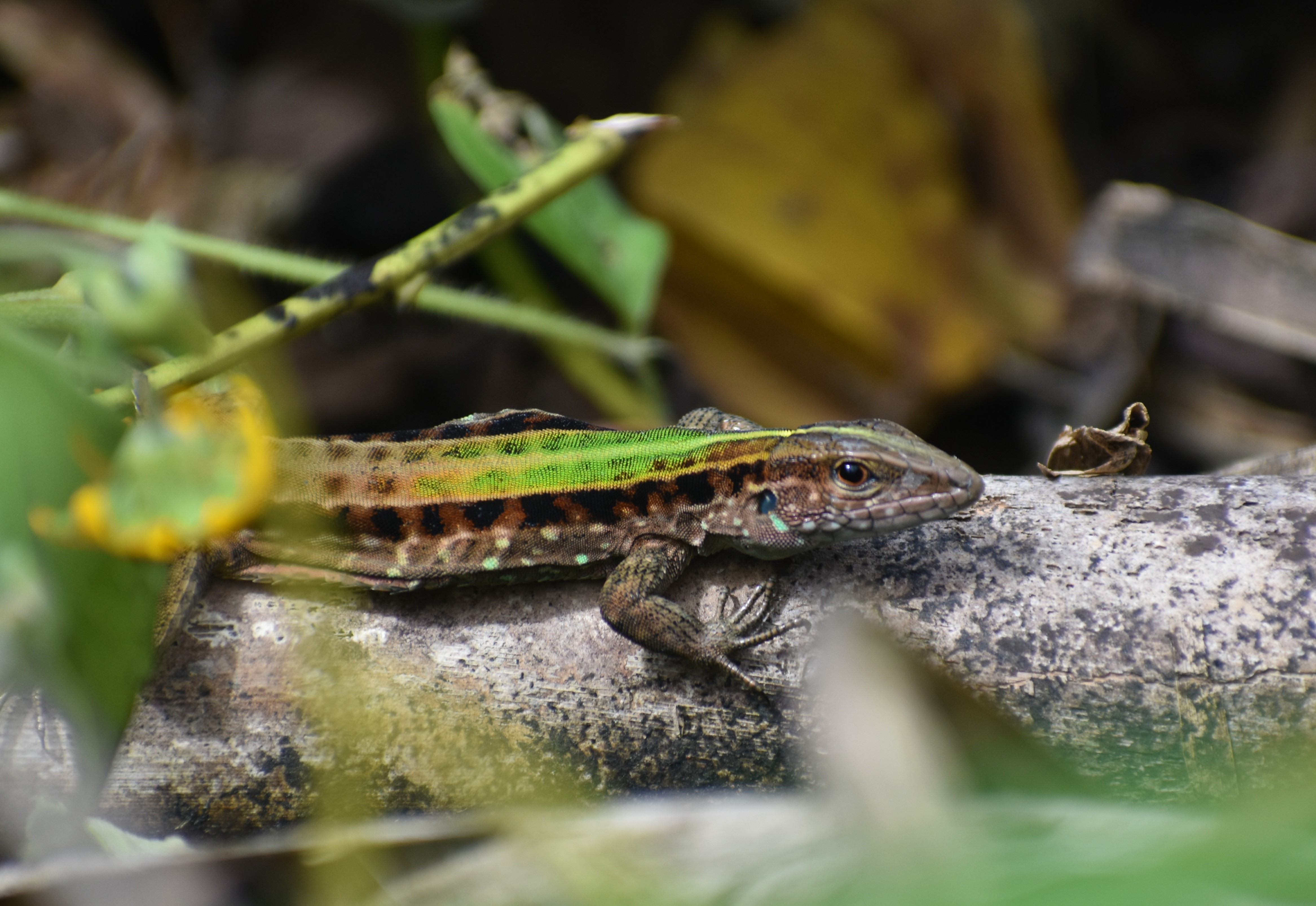
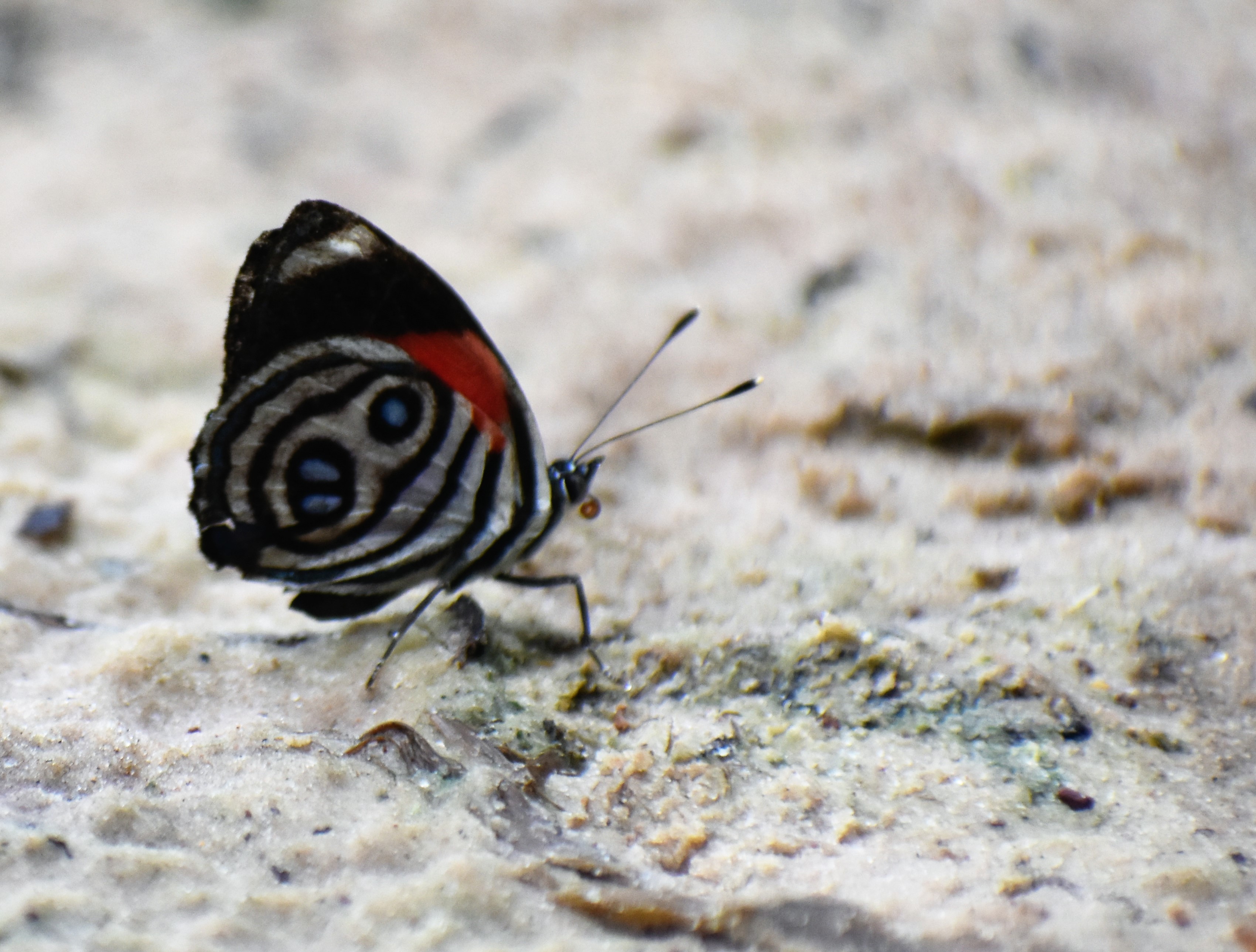
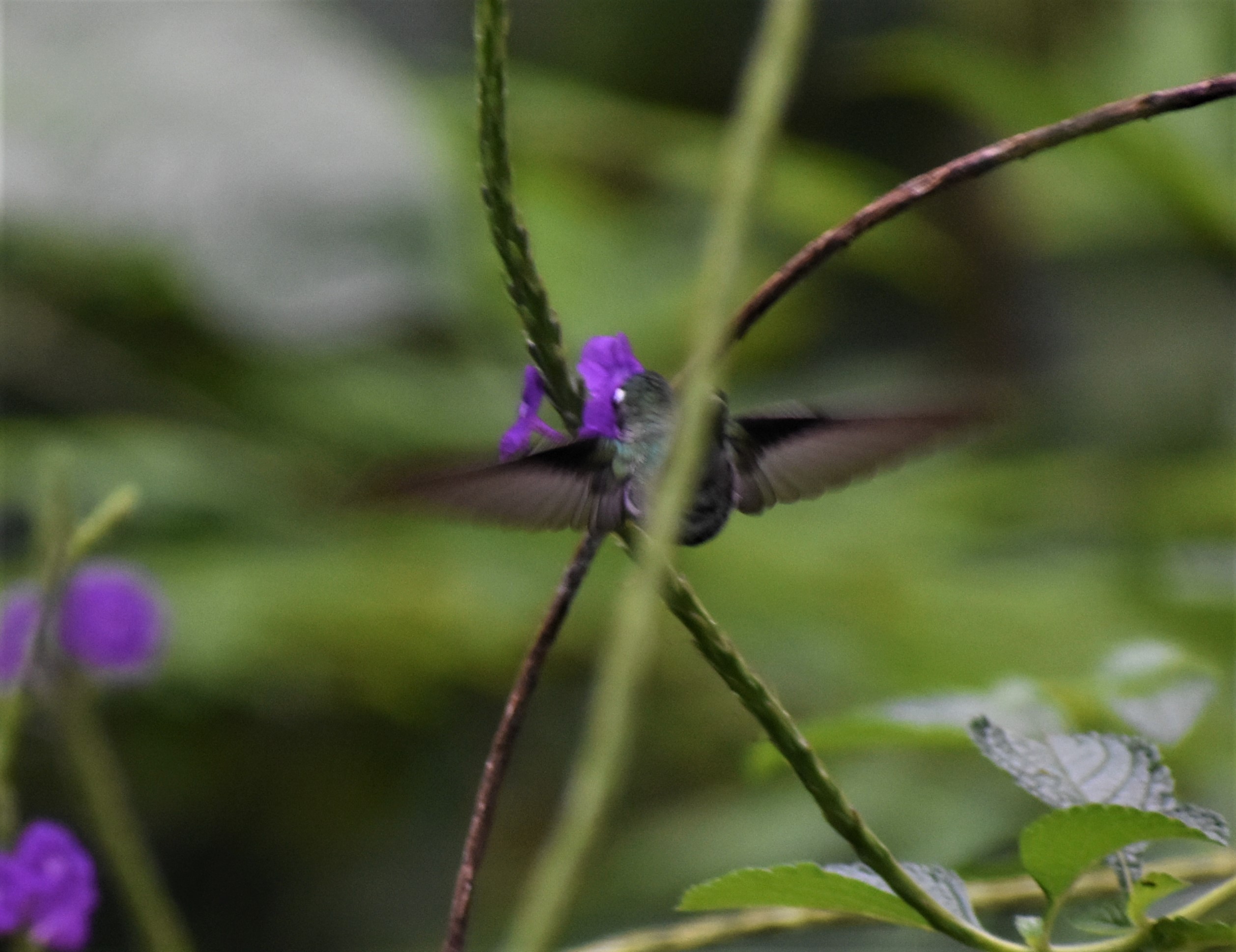
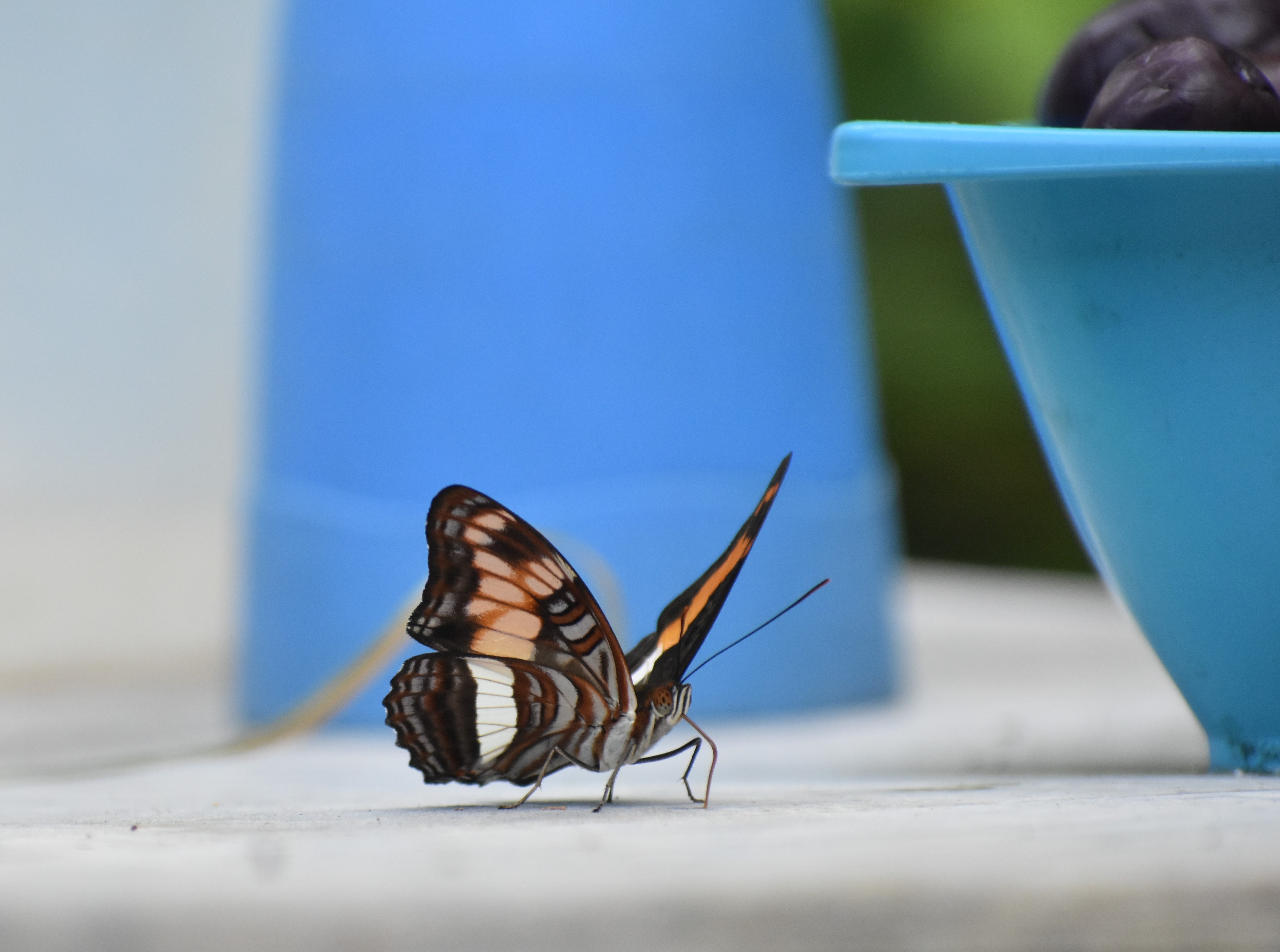
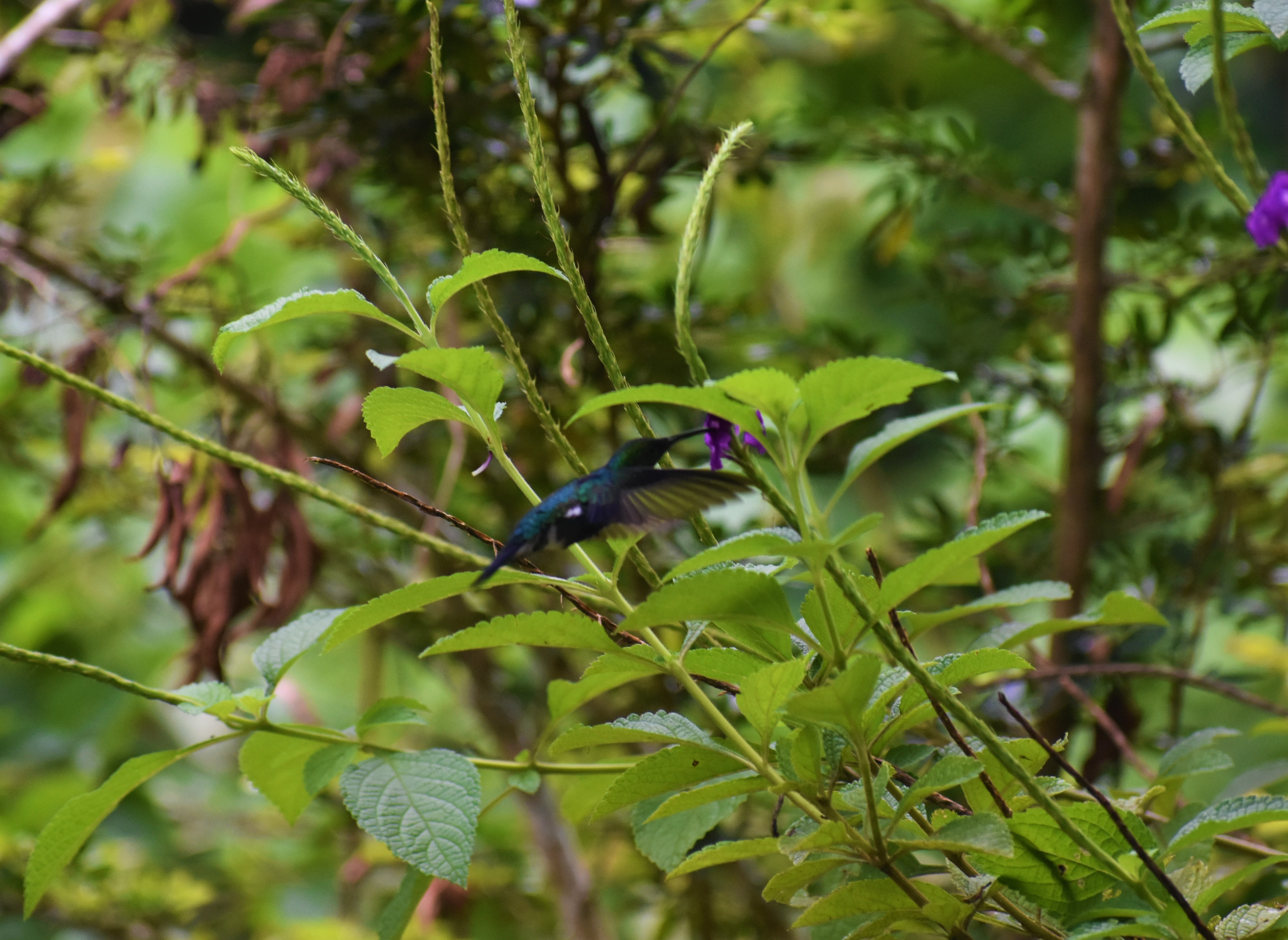
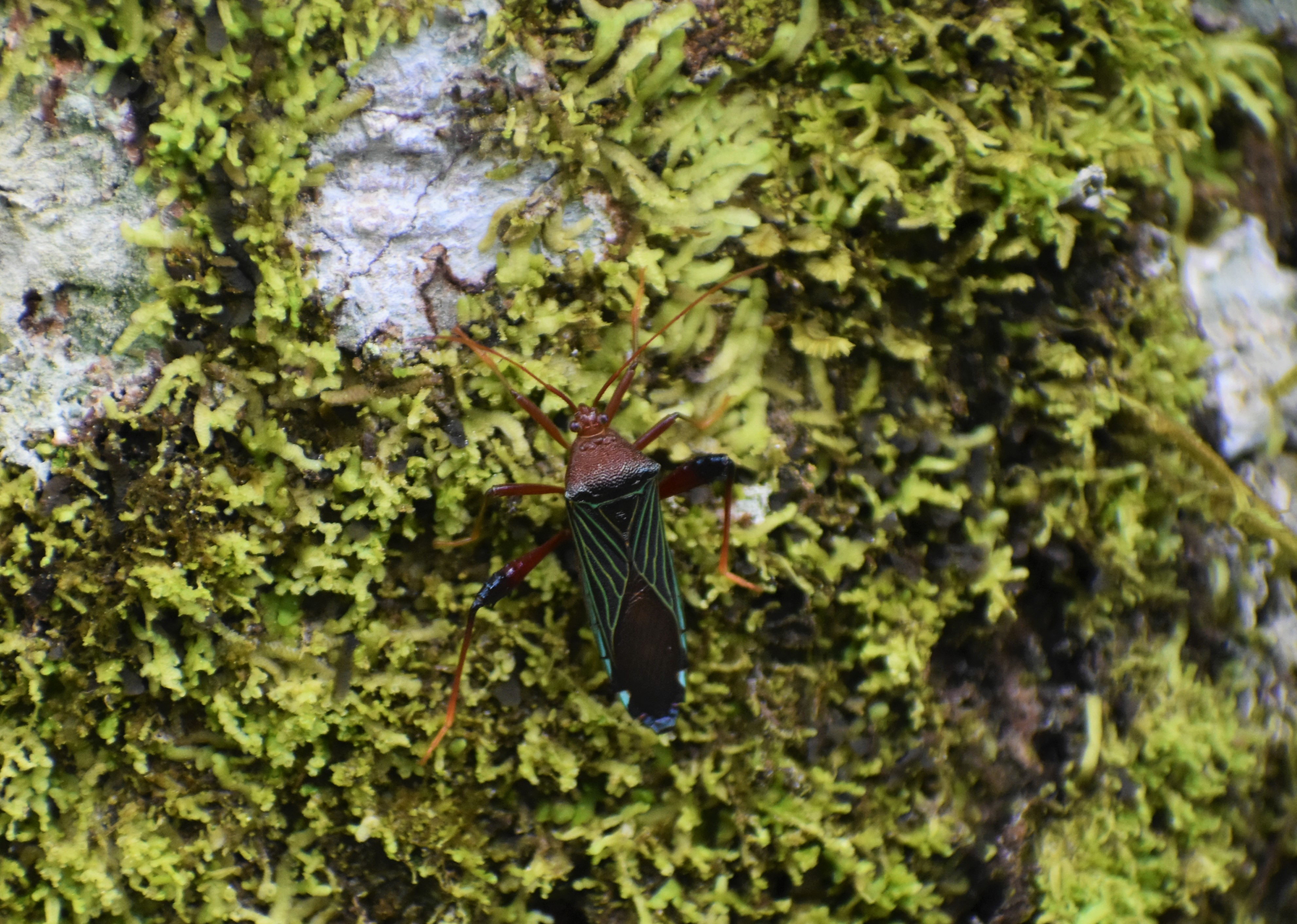
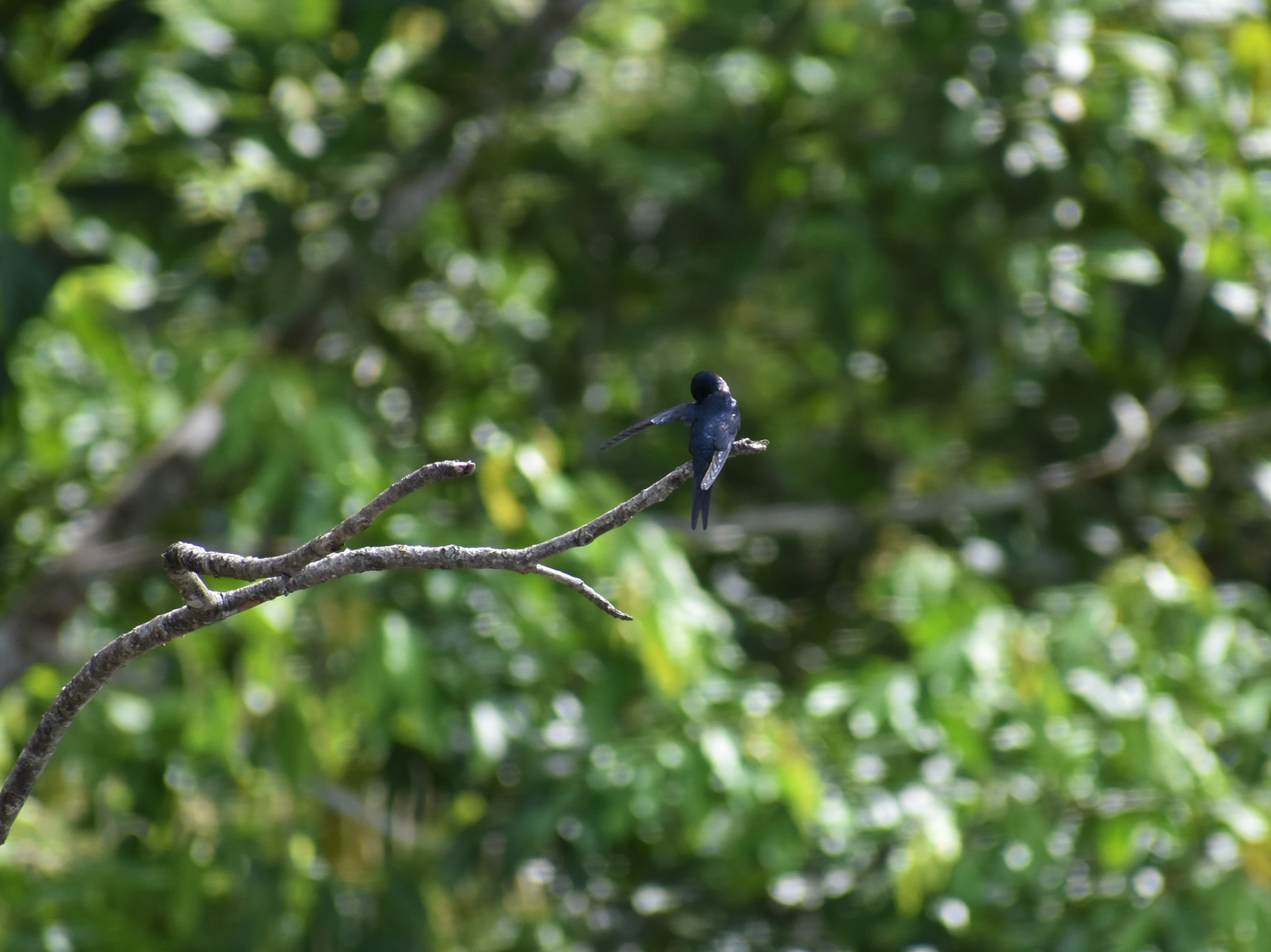
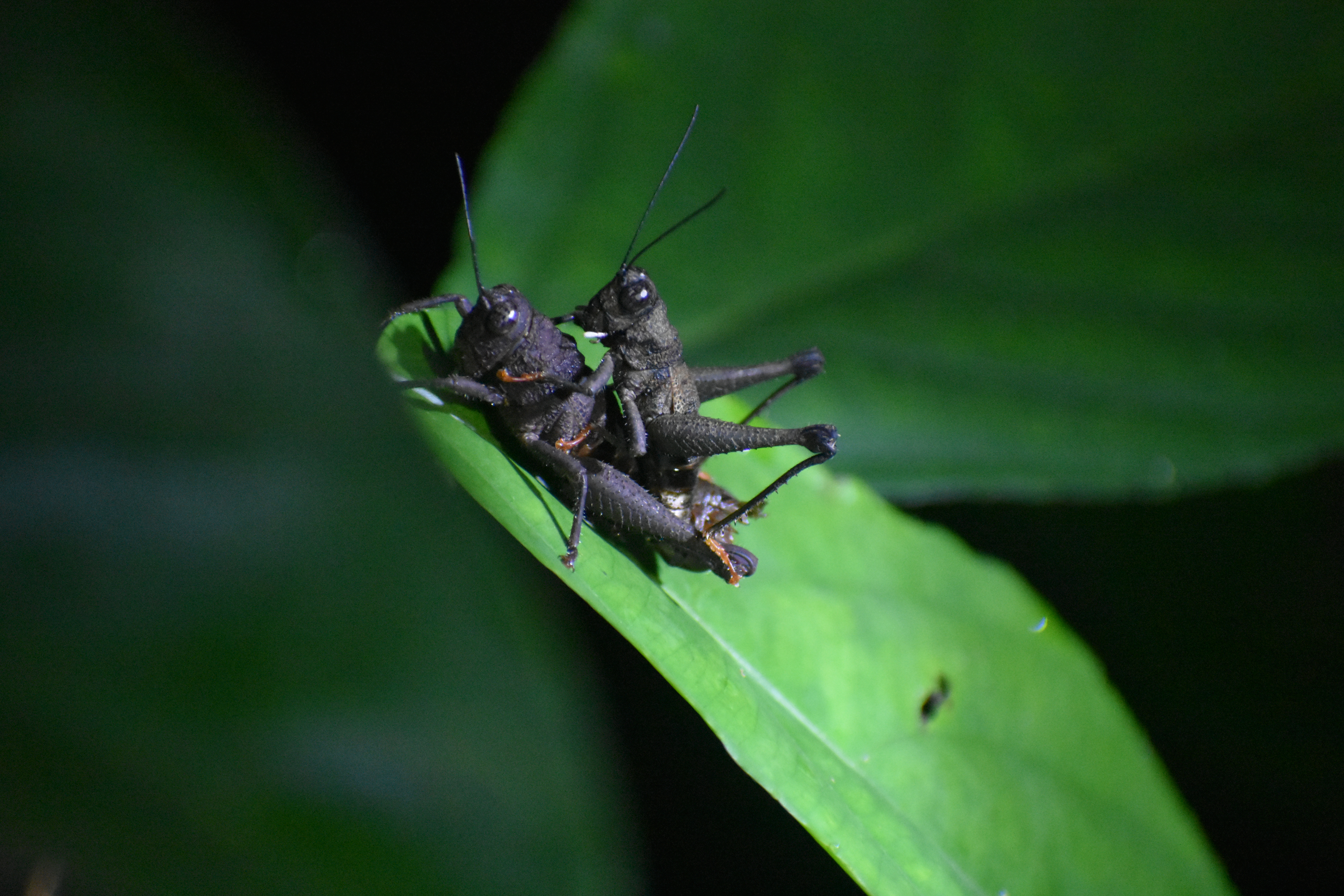
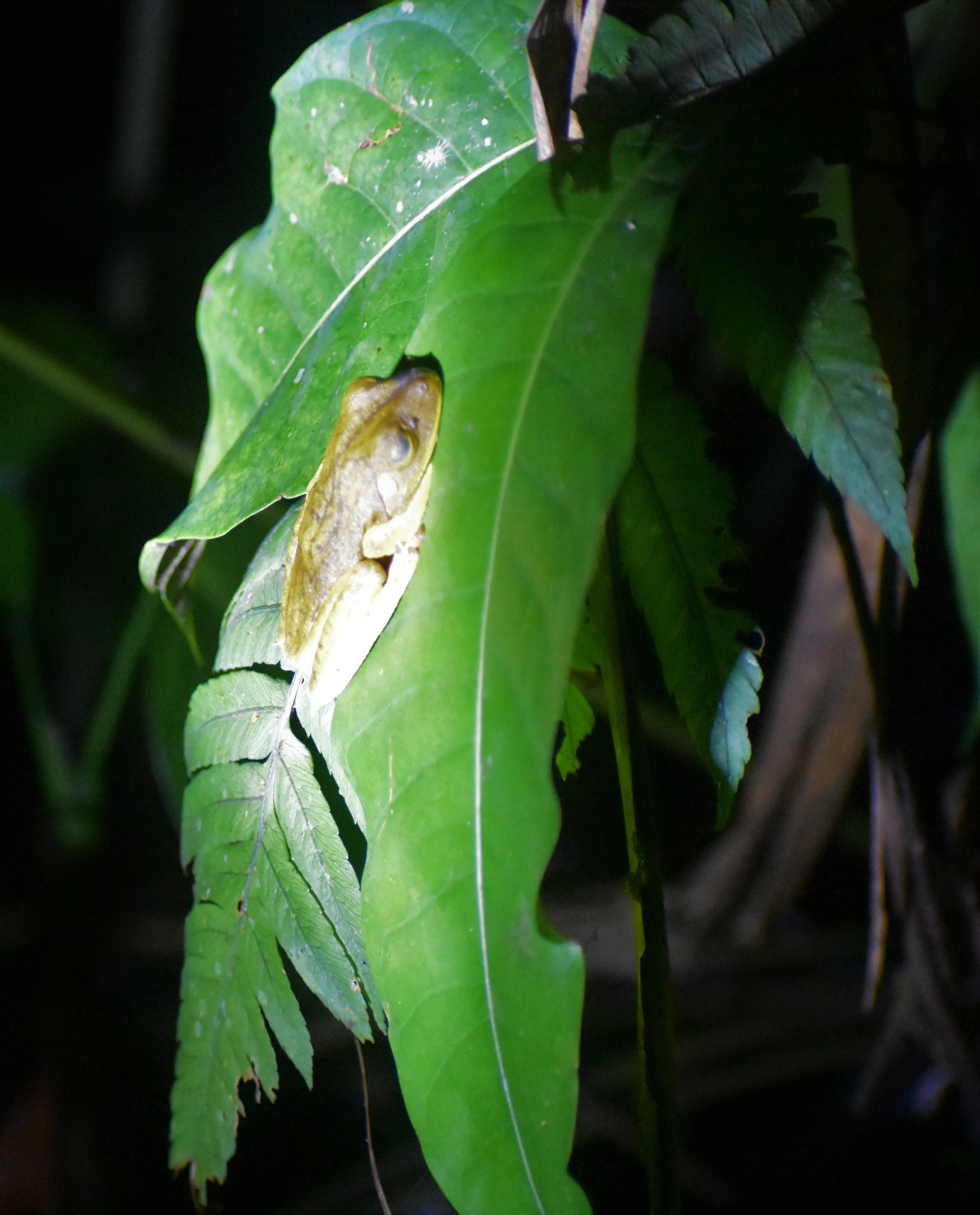
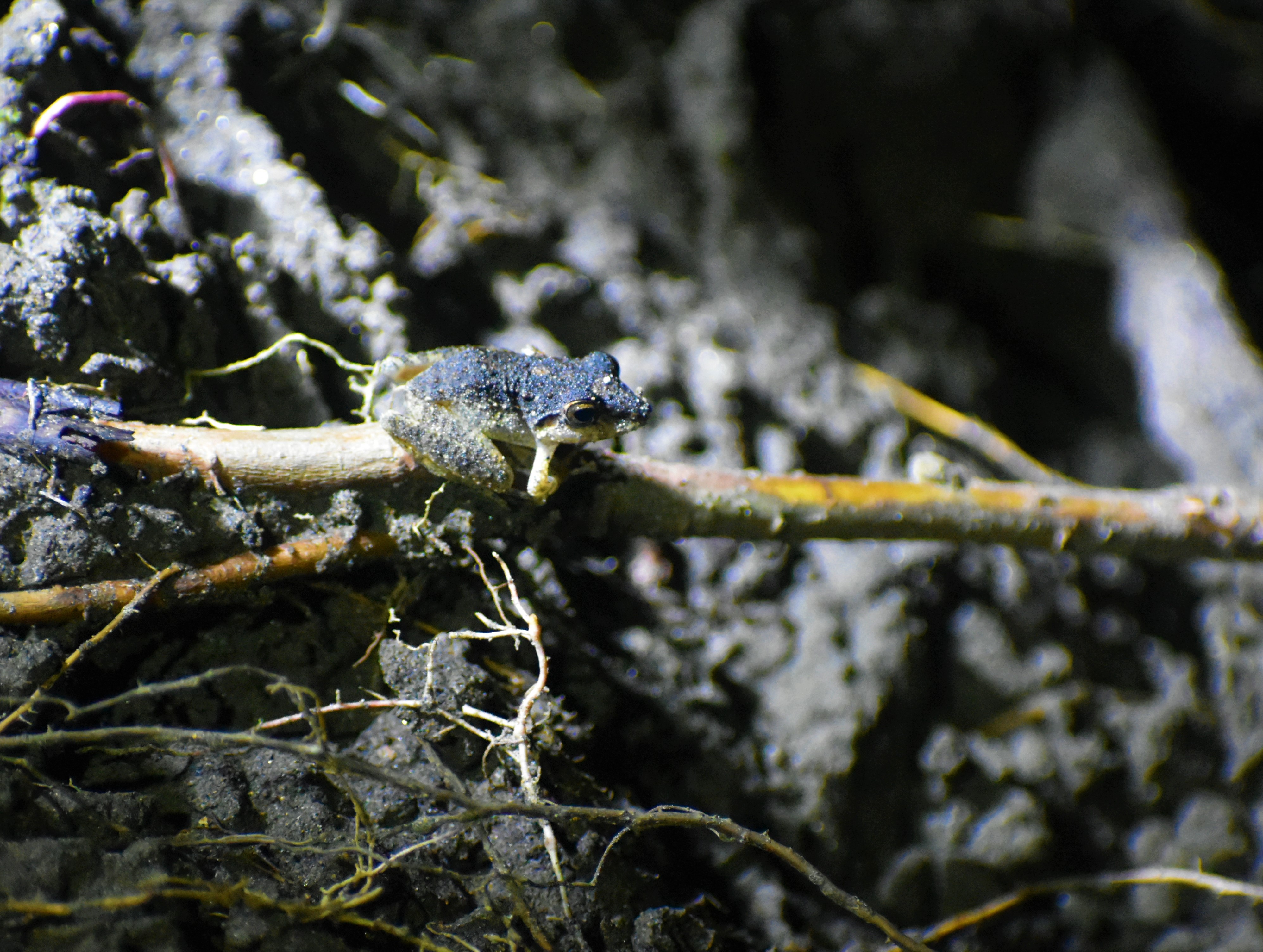
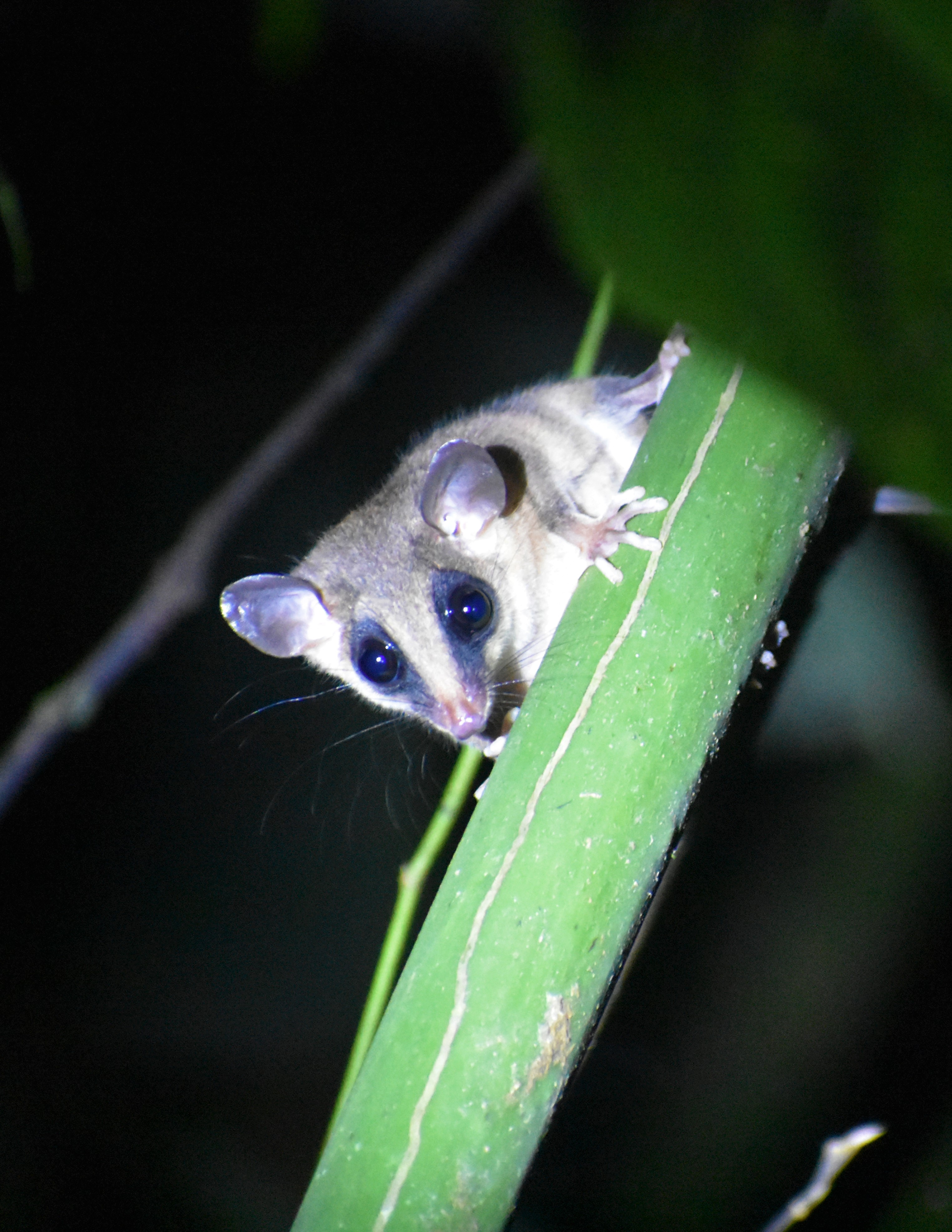
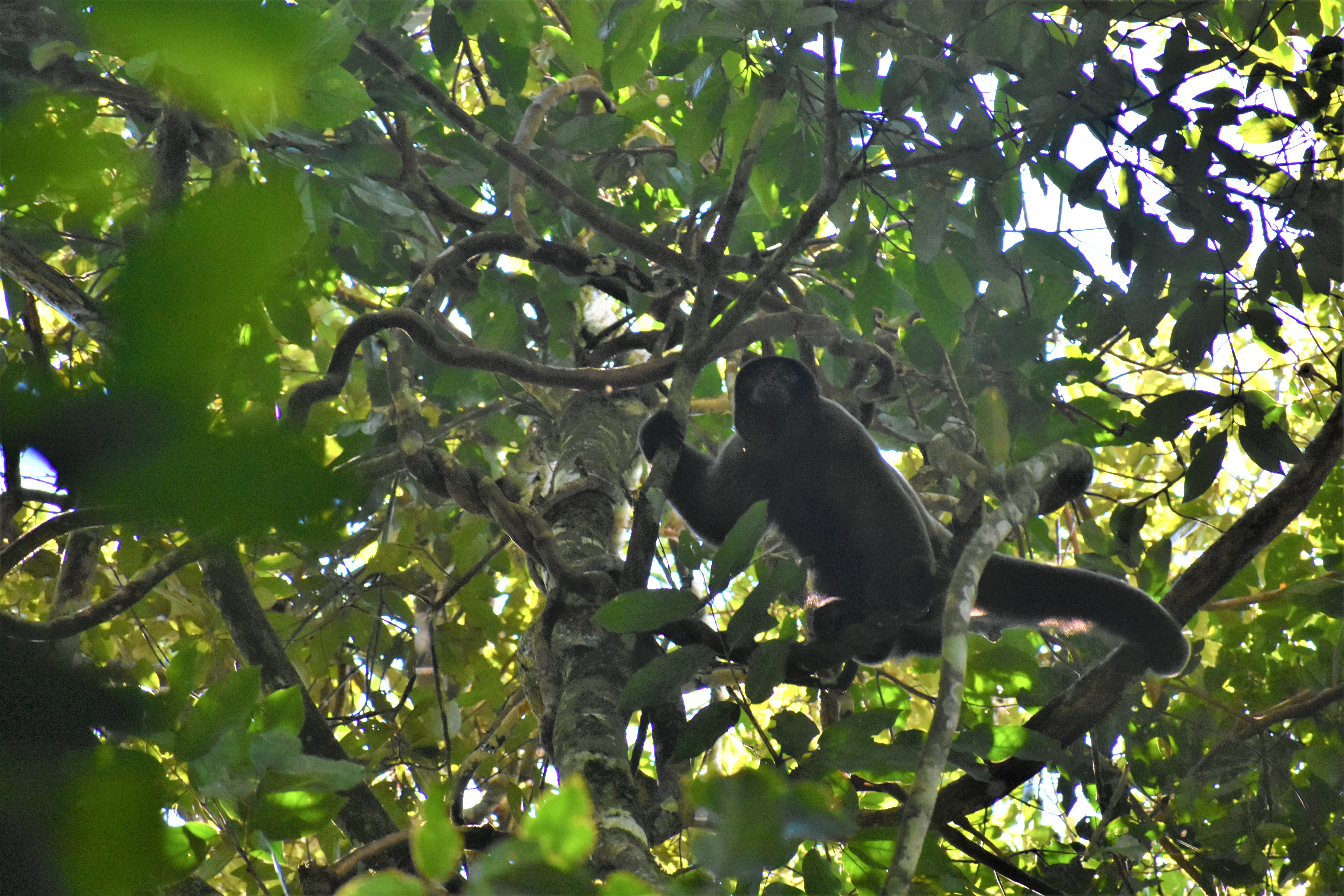
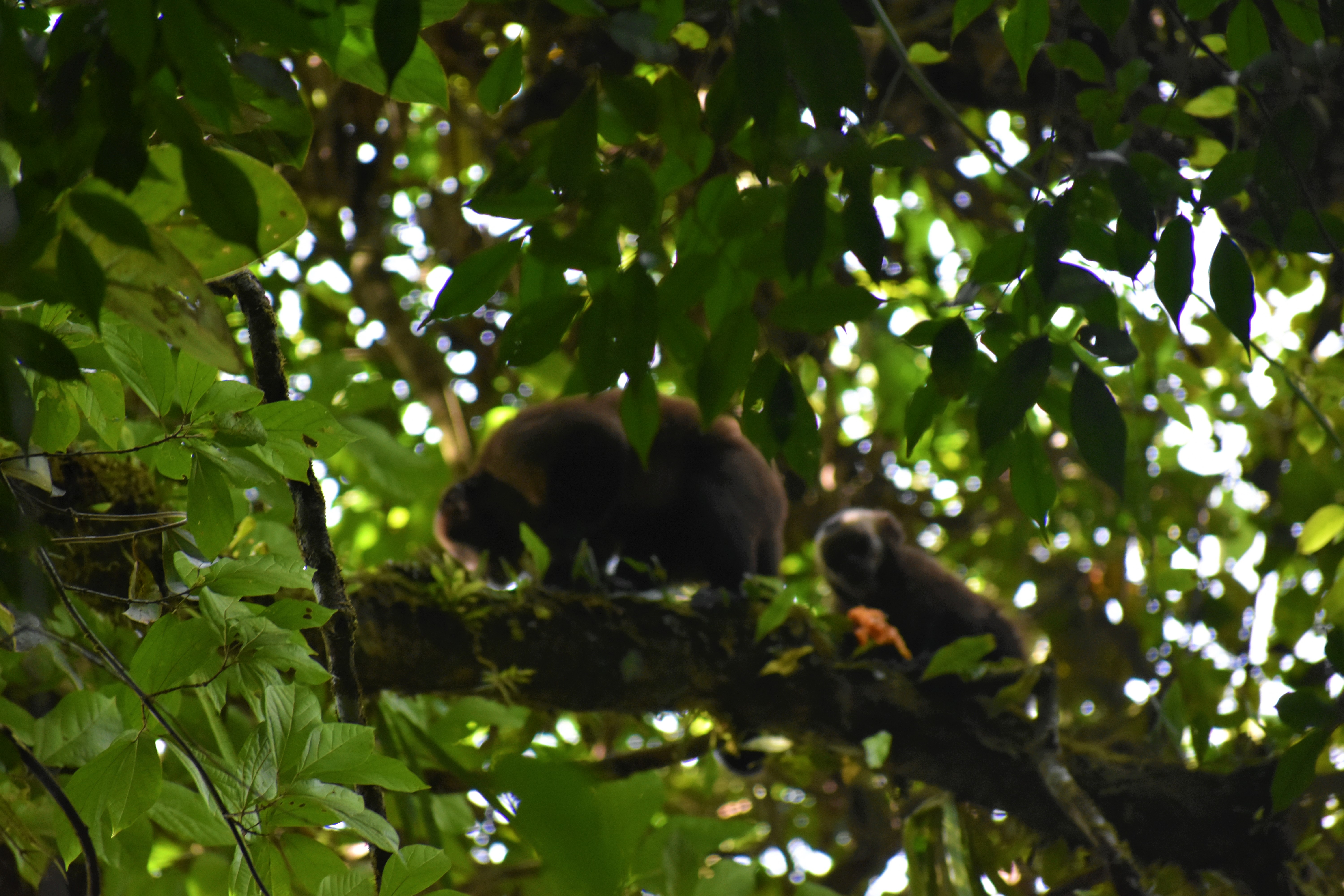
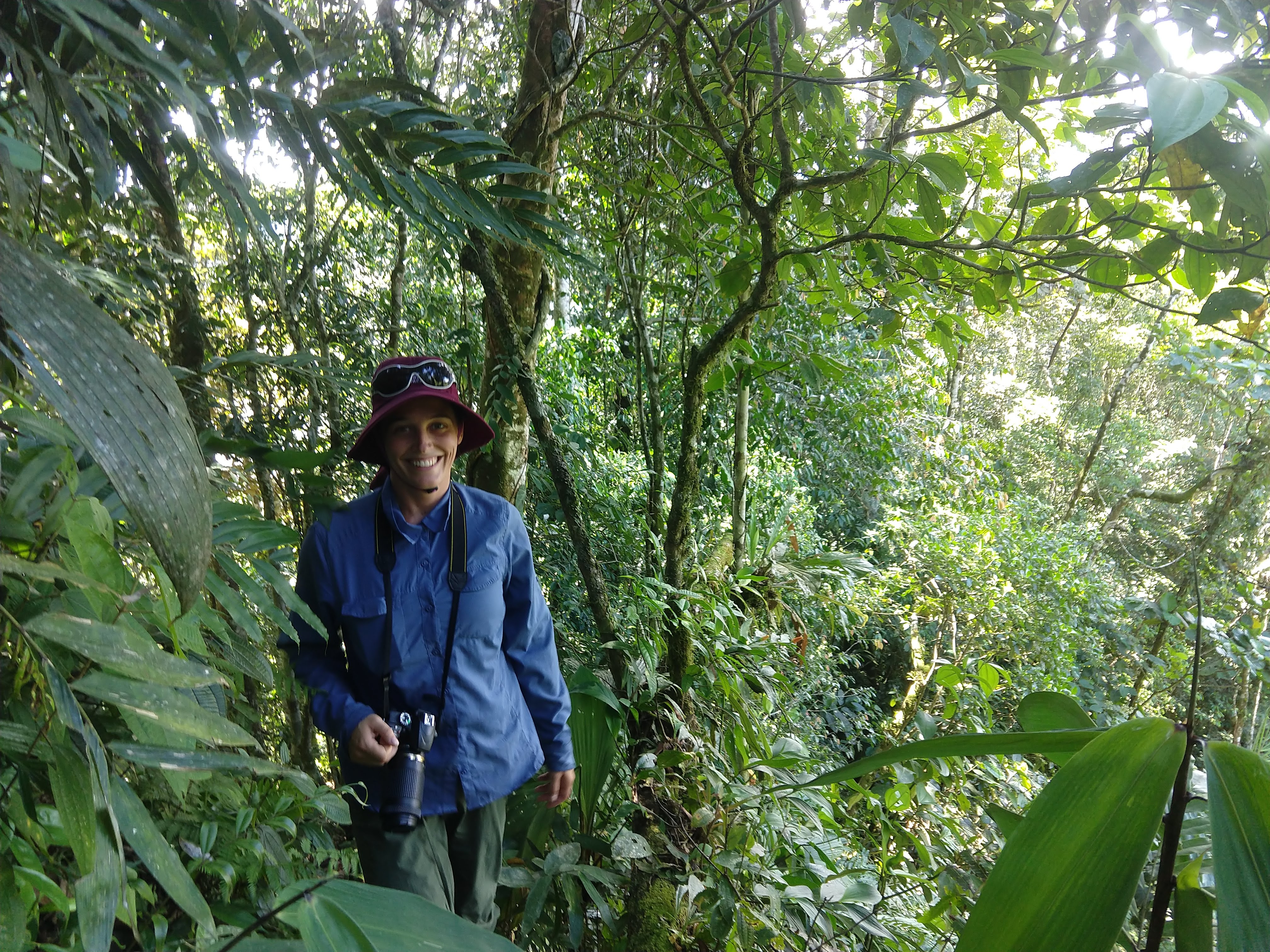
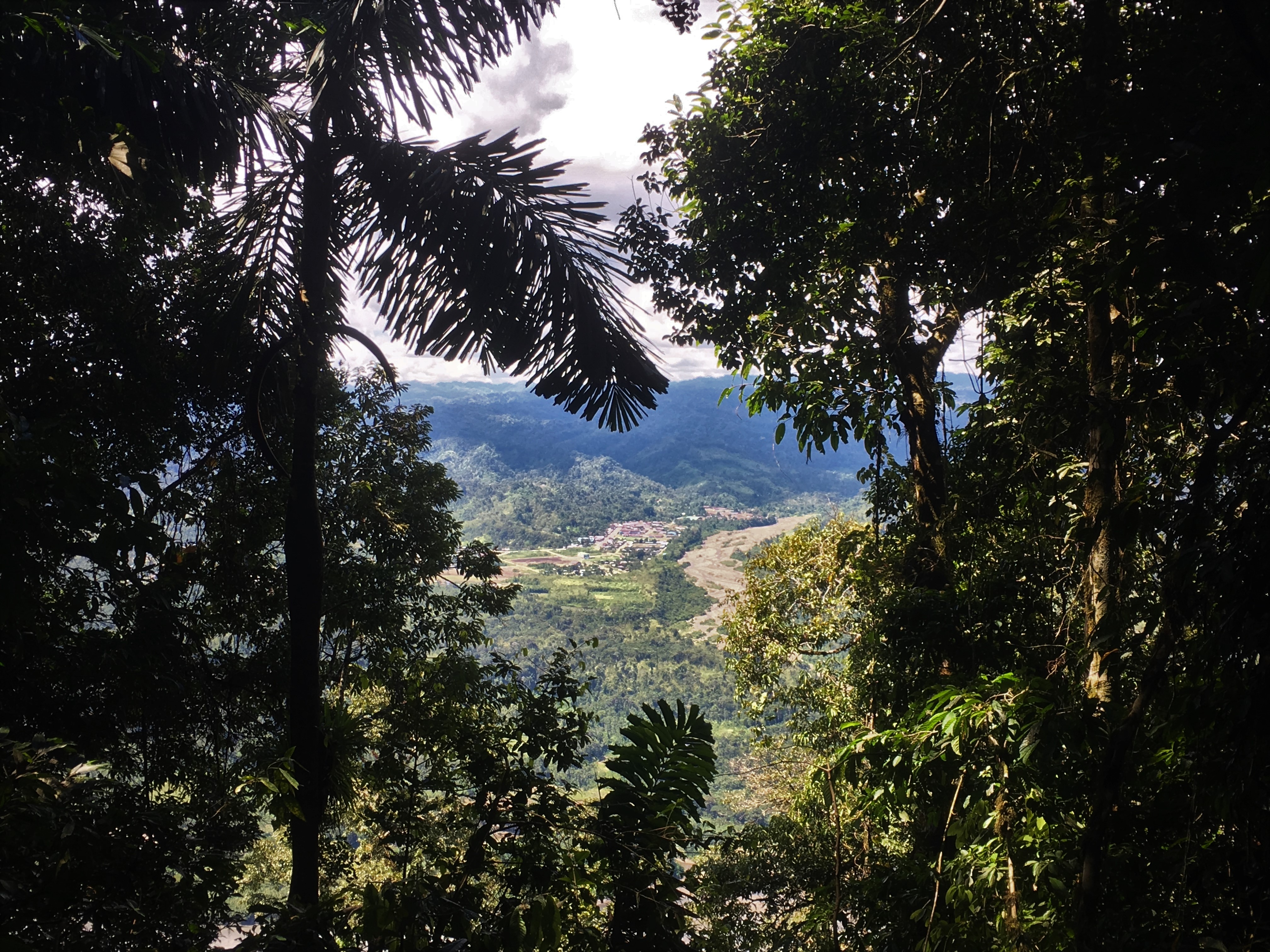
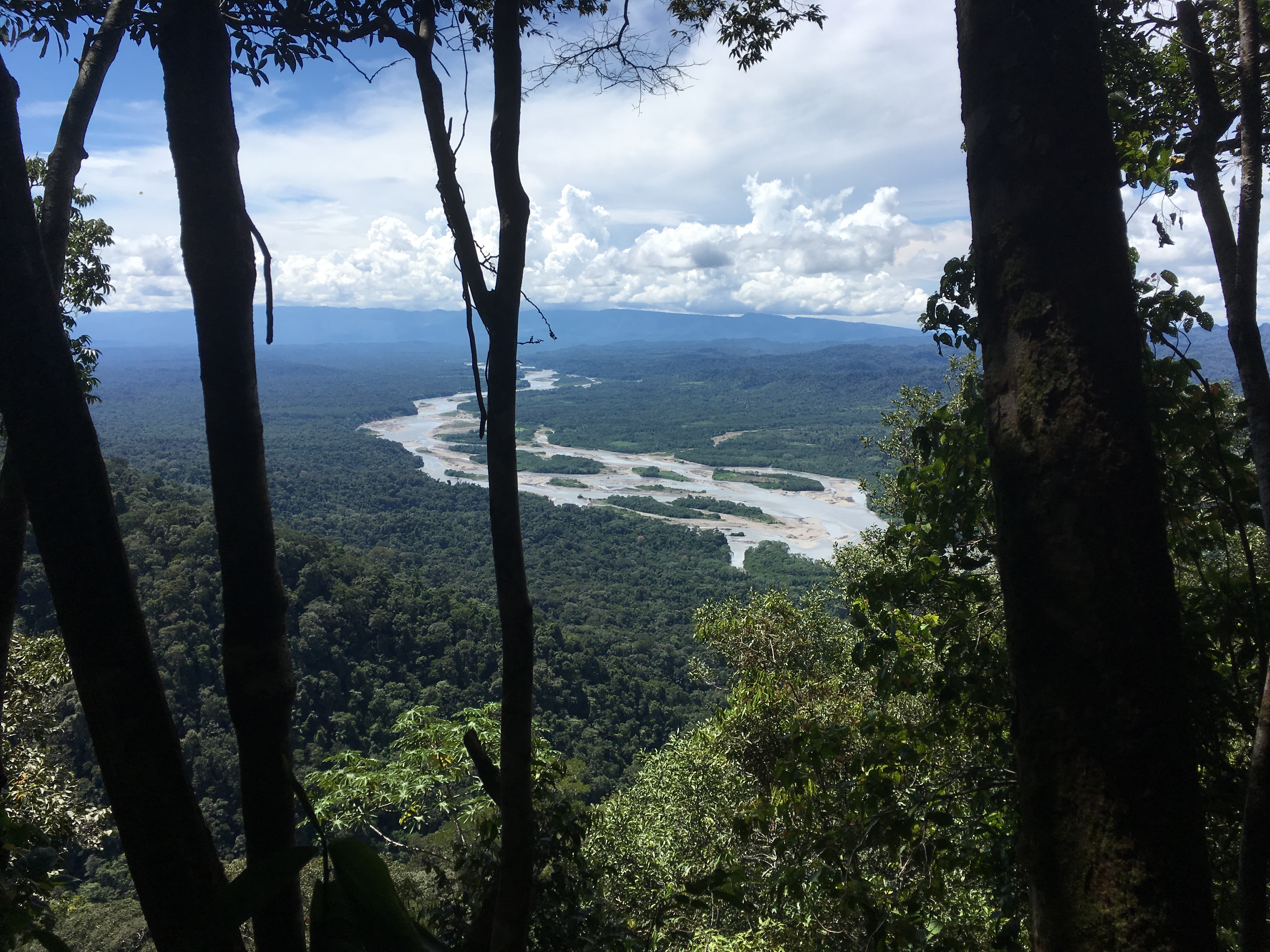
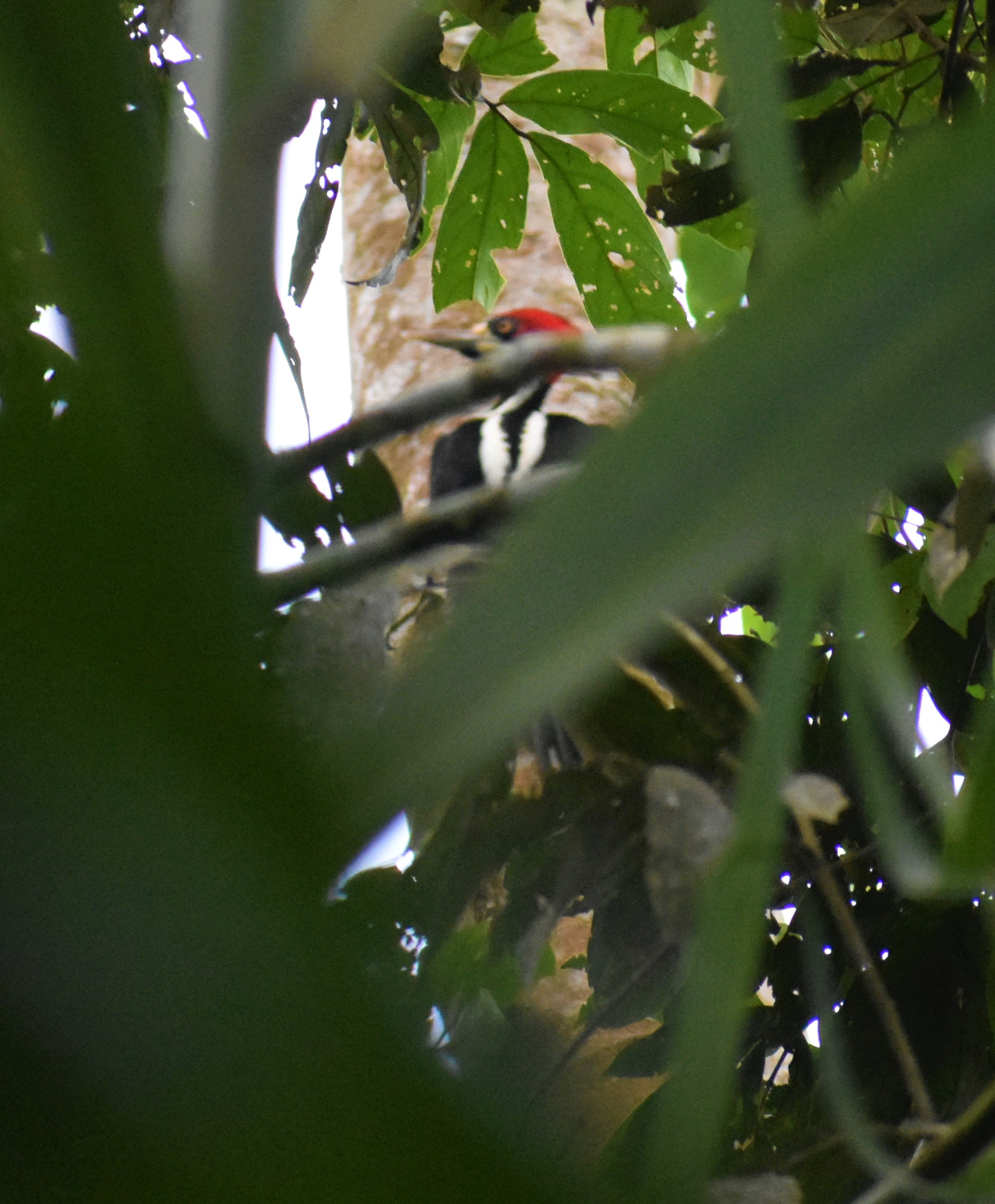
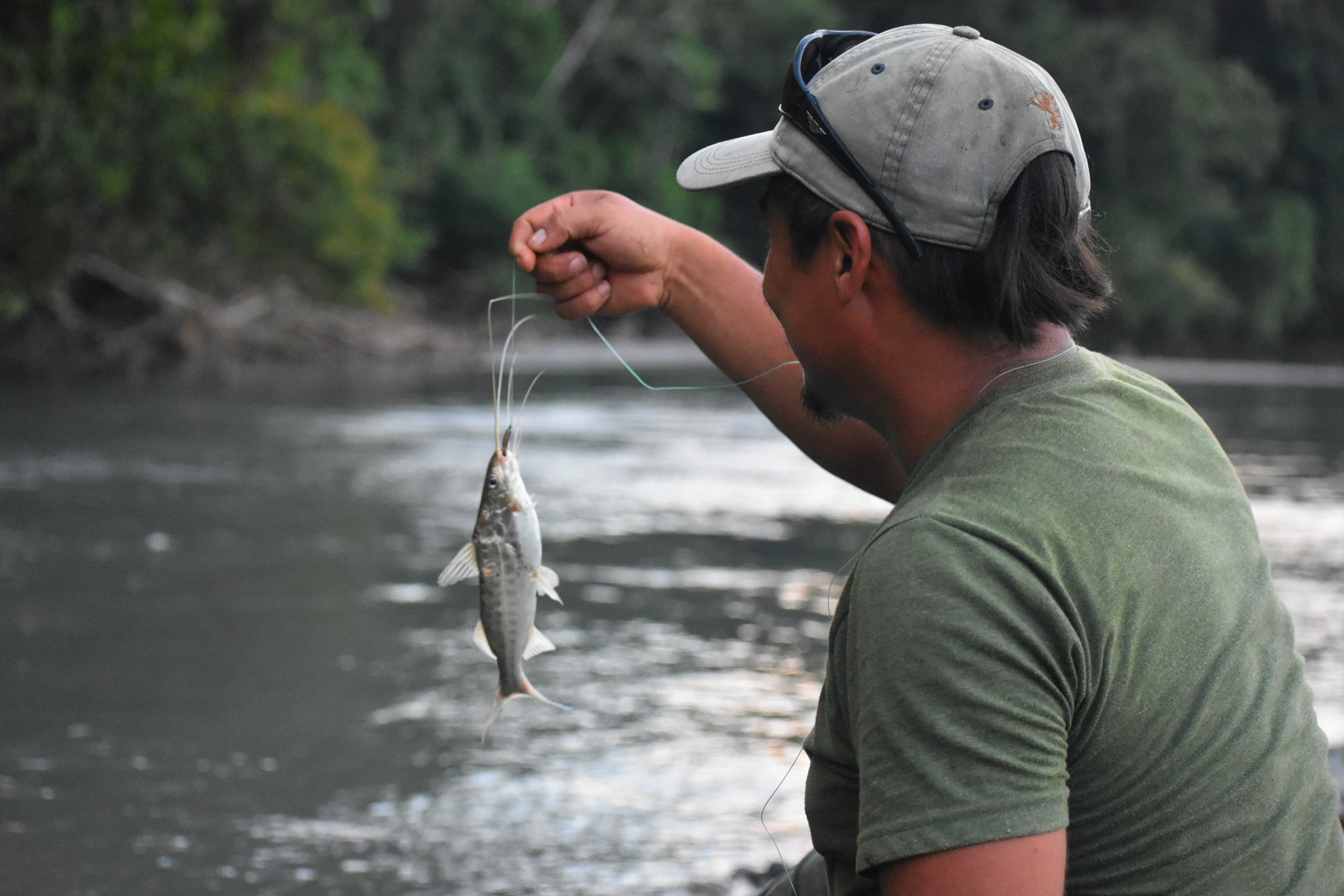
On day four, we went for a big hike up the mountain behind the camp. The camp is on private land, but it borders Manu National Park at the top of the mountain. The views from the mountain are beautiful, and the big highlight of the hike was seeing two species of monkeys: cappuchens and woolly monkeys. We hiked to the top of the mountain where we ate lunch enjoying the view before we were chased away by flies that like the smell of sweat. We walked back down, took a nap, and then went to the river to try to catch a fish for dinner. On our way we saw a woodpecker and a troop of squirrel monkeys! We were very lucky to have seen four species of monkeys during our stay. As soon as we got to the river we discovered the worms we had intended to use as bait were no longer good, so we went looking for something we could use as bait instead. Arturo found a grub, which he used to catch a fish and then he tried to use a piece of the fish as bait, but it didn’t really work. (Apparently this is something that can work, but it didn’t seem to us that fish would like to eat fish.) Eventually we went back to camp to find more worms and then returned to the river to fish. The moon was full and Arturo told us the indigenous people know not to fish on full-moon nights because the moon is fishing and they won’t catch anything. We think they’re on to something as we didn’t catch any fish either.
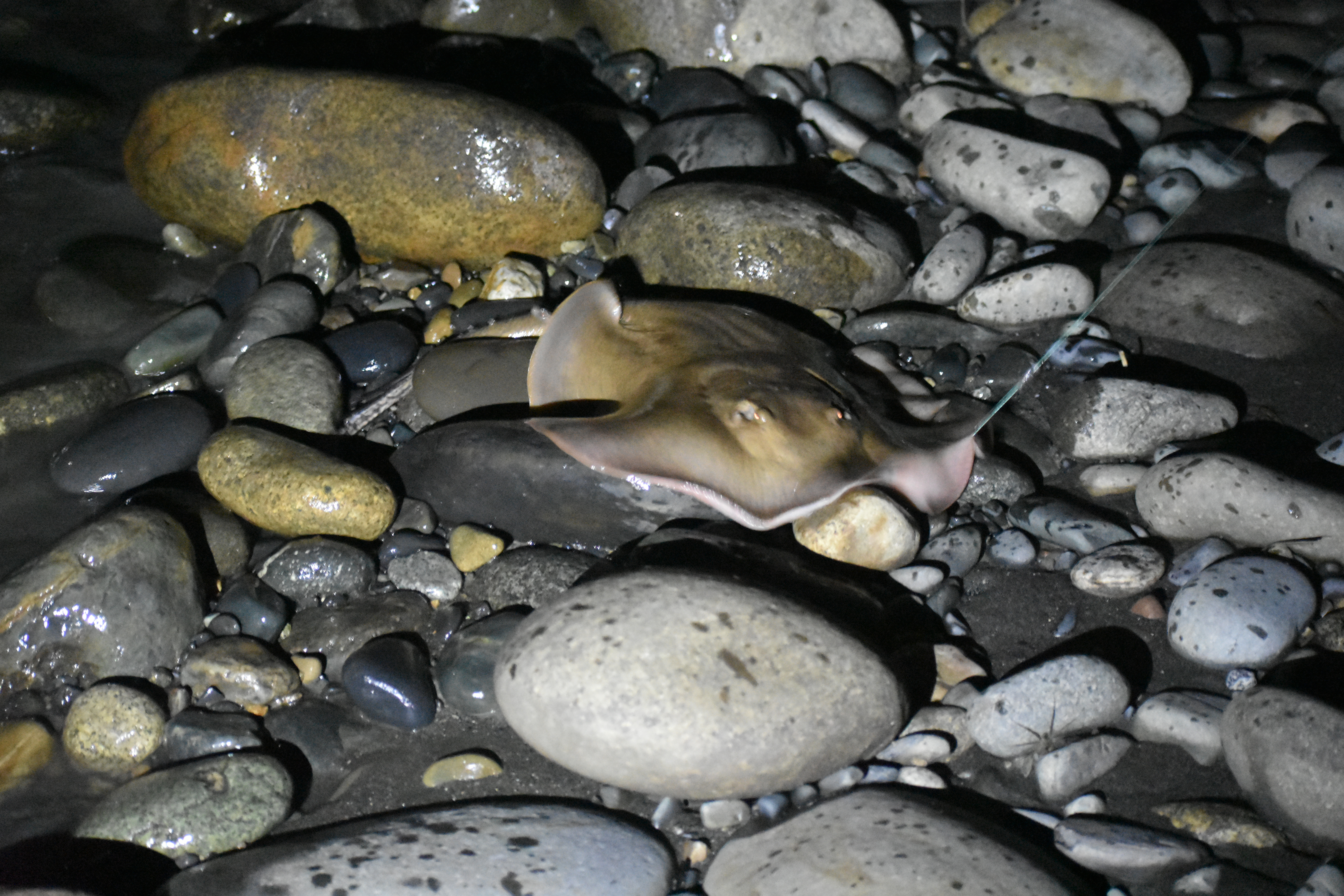
Eric got a bite on his line, and was super excited, reeling it in when Arturo yelled “STOP, STOP… that’s not a fish”. While Eric was supposed to be fishing, he was apparently ray-ing, because there was a sting ray on the end of the line! Arturo helped get the ray onto the beach; then Eric said we had to let it go, and Arturo just looked up and asked “how?” Since the sting of sting rays can be dangerous, freeing the stingray from the hook was a bit delicate, but Arturo did manage to let it go back to the river.
On the last day we cleaned up camp and got in the boat to return to Oliver and Carolina’s house. Our bus back to Cusco left at 11am. We finally arrived back in Cusco around 10pm, checked into our preschool homestay, arranged for a 5am taxi to the airport and went to sleep dreaming of rainforest animals.
Love all the flora and fauna pictures!