

The bus ride from Cajamarca to Chachapoyas is described as dangerous and difficult because it winds through narrow mountain passes dropping into a valley before climbing back up again. Apparently people like to drive too fast and too close on this road, so it can be a bit of an adventure. Many people also report that the scenery is stunningly beautiful, so we were a bit disappointed to have this experience at nighttime; however, after the cliff roads on the way to the rainforest, we think we’re happy we couldn’t see what was happening.
We got on the bus at 6pm and settled in for the night. The drive was estimated to take 12 hours including a stop for dinner in Celendin which was included in our ticket. The dinner stop was very quick with enough time for a bathroom stop and for all of the passengers to scarf a plate of rice and meat and get back on the bus. After dinner we went to sleep figuring the longer we could rest the better. Bus sleeping is never that easy, but we were starting to get pretty good at it. However, sleeping on curvy roads is pretty challenging since you can feel every single bend. At one point our bus encountered another vehicle coming the other direction and had to reverse around a corner on the narrow road to let the vehicle pass. We decided it was best to keep our eyes closed.
We all arrived safe and sound in Chachapoyas at 6:30am at the bus terminal. On our way to the hostel, we decided to buy a night bus ticket for our next departure to Chiclayo in a few days. As is common in northern Peru, many bus companies have their own offices, so we had to find the Movil Tours office. We were easily able to buy tickets for Sunday night and we even scored a discount so our tickets were only 39 soles ($11.75) per person instead of the usual 55 soles ($16.57). With that errand taken care of, we walked the rest of the way to the hostel, called Chachapoyas Backpackers, and checked in at 7:30am. Our room was not ready yet and would not be available until 1pm, so they offered us the option of joining a full-day tour to Kuélap leaving at 8:30am. Since we wanted to see Kuélap, we decided that made sense even though we were exhausted. We grabbed a quick breakfast and came back to the hostel to join the tour. It is possible to visit Kuélap on your own, but it’s worth having a tour guide for this impressive site, and it’s hard to get there and hire a guide for the price of the tour our hostel was offering (80 soles / $24.08 per person).
Having felt fine on the bus all night despite the curves and the dinner, Jess felt sick again immediately upon eating breakfast. The ride to Kuélap involves a one and a half hour minibus ride up to the cable car and then a 40-minute cable car ride to the base of Kuélap. The road up is very windy and many people get carsick because of the curves and change in altitude (from 7661 ft to 9000 ft). Jess who often gets carsick when the road is straight and flat used all of her energy and breathing techniques to keep from being sick until the bus stopped and she couldn’t control it anymore. With breakfast deposited in a gutter for the second day in a row, she decided to skip lunch.
The cable car ride to Kuélap is beautiful. The cable cars go all the way into the valley and back up the other side cutting at least an hour and a half off the travel time to the site. When we arrived at Kuélap, our tour guide led us on a tour of the ruins in Spanish and English. This was the second tour guide in a row who warned the Spanish speakers about not going too quickly because of the altitude without saying anything about it in English.
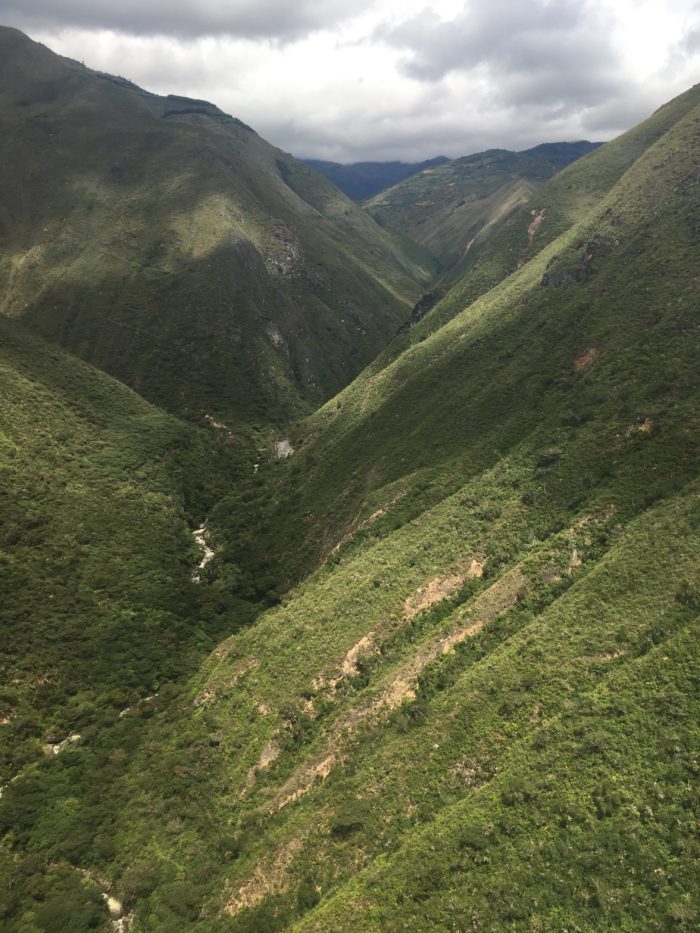
Kuélap was a walled city that pre-dates Machu Picchu by 500 – 900 years with the first inhabitants believed to have settled here as early as 500 AD. Kuélap was abandoned with the Spanish Conquest and rediscovered in the mid 1800s. Kuélap is still relatively unknown and only sees a fraction of the tourists that visit Machu Picchu, but it is stunning nonetheless.
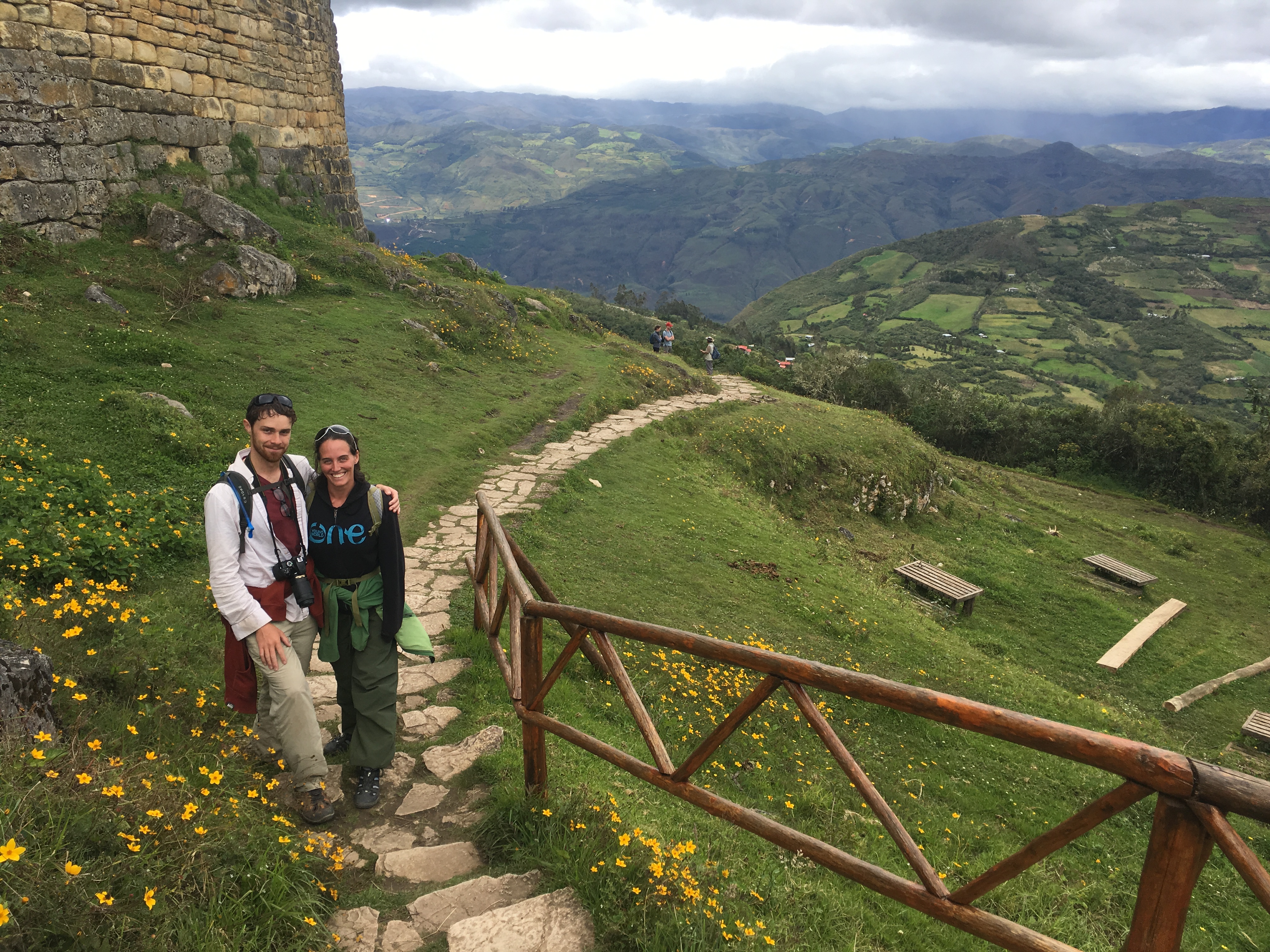
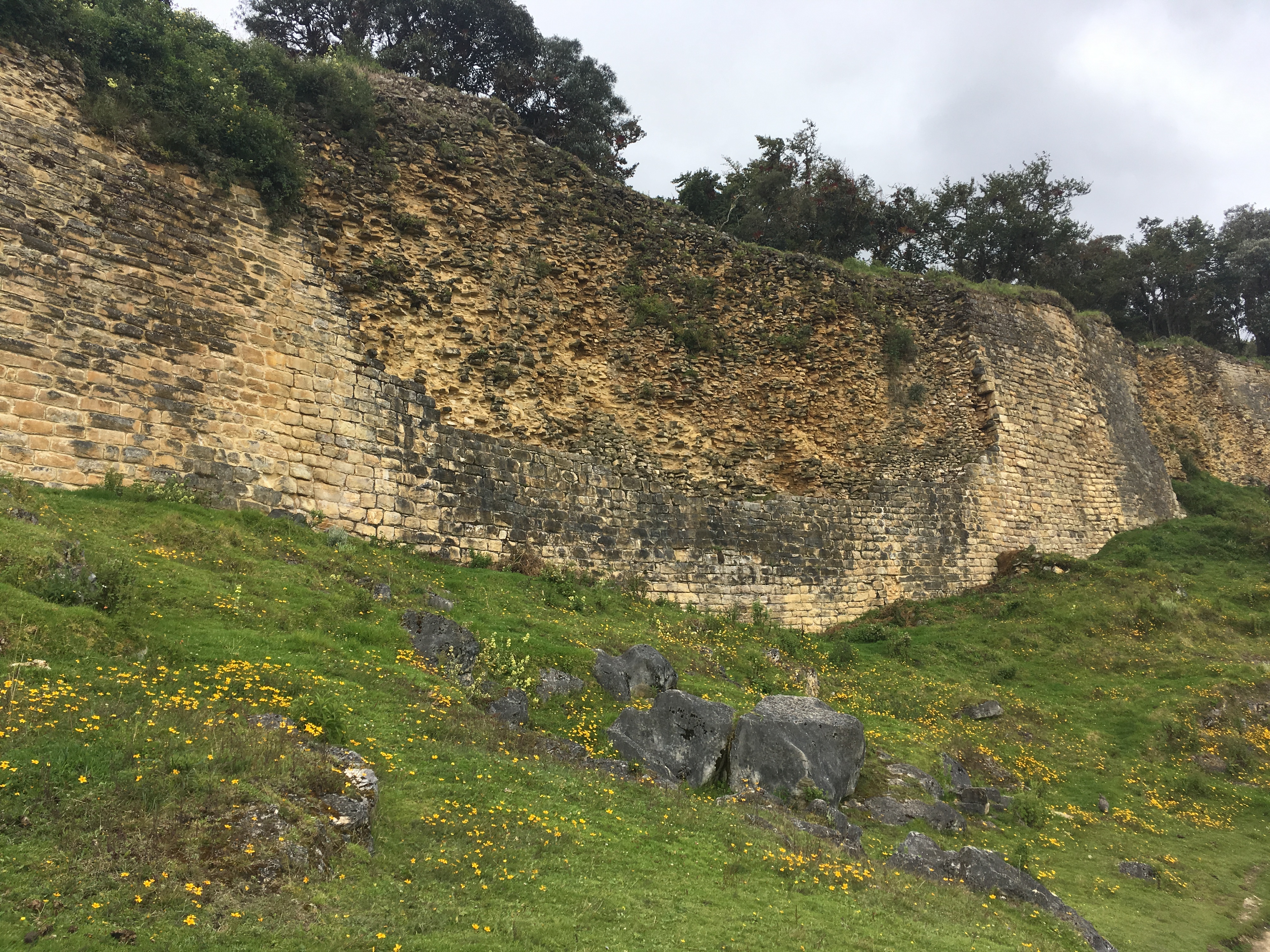
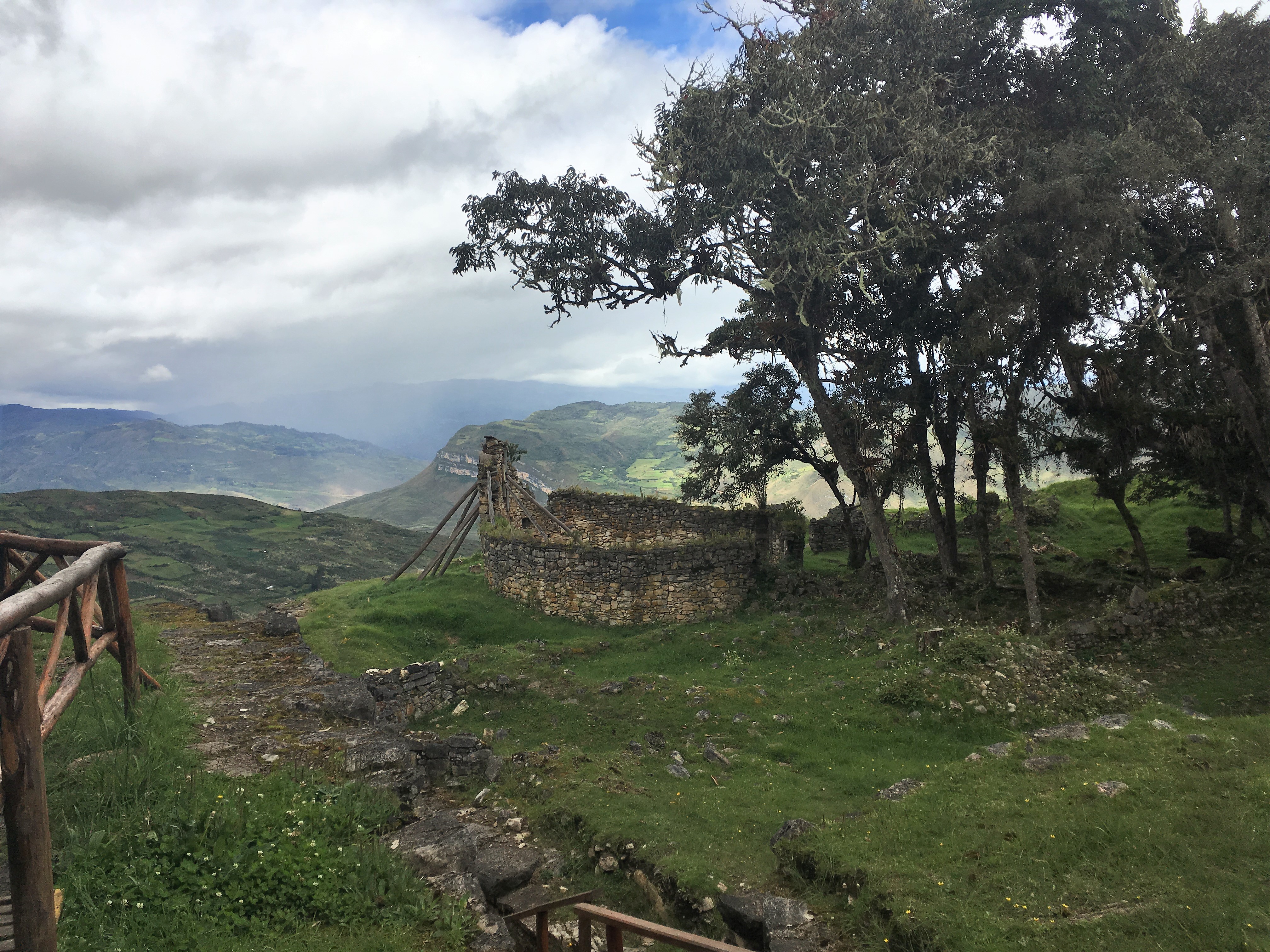
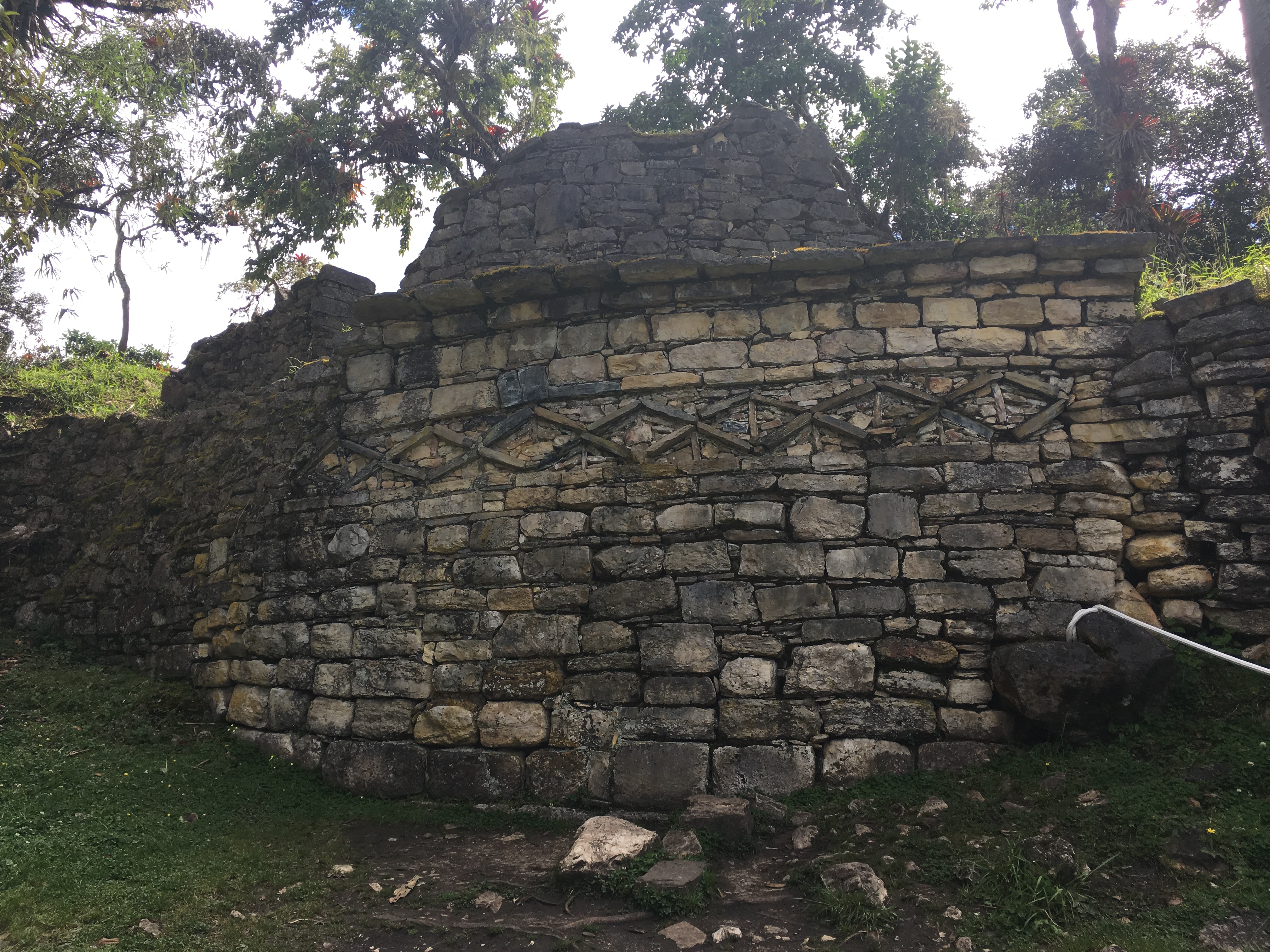
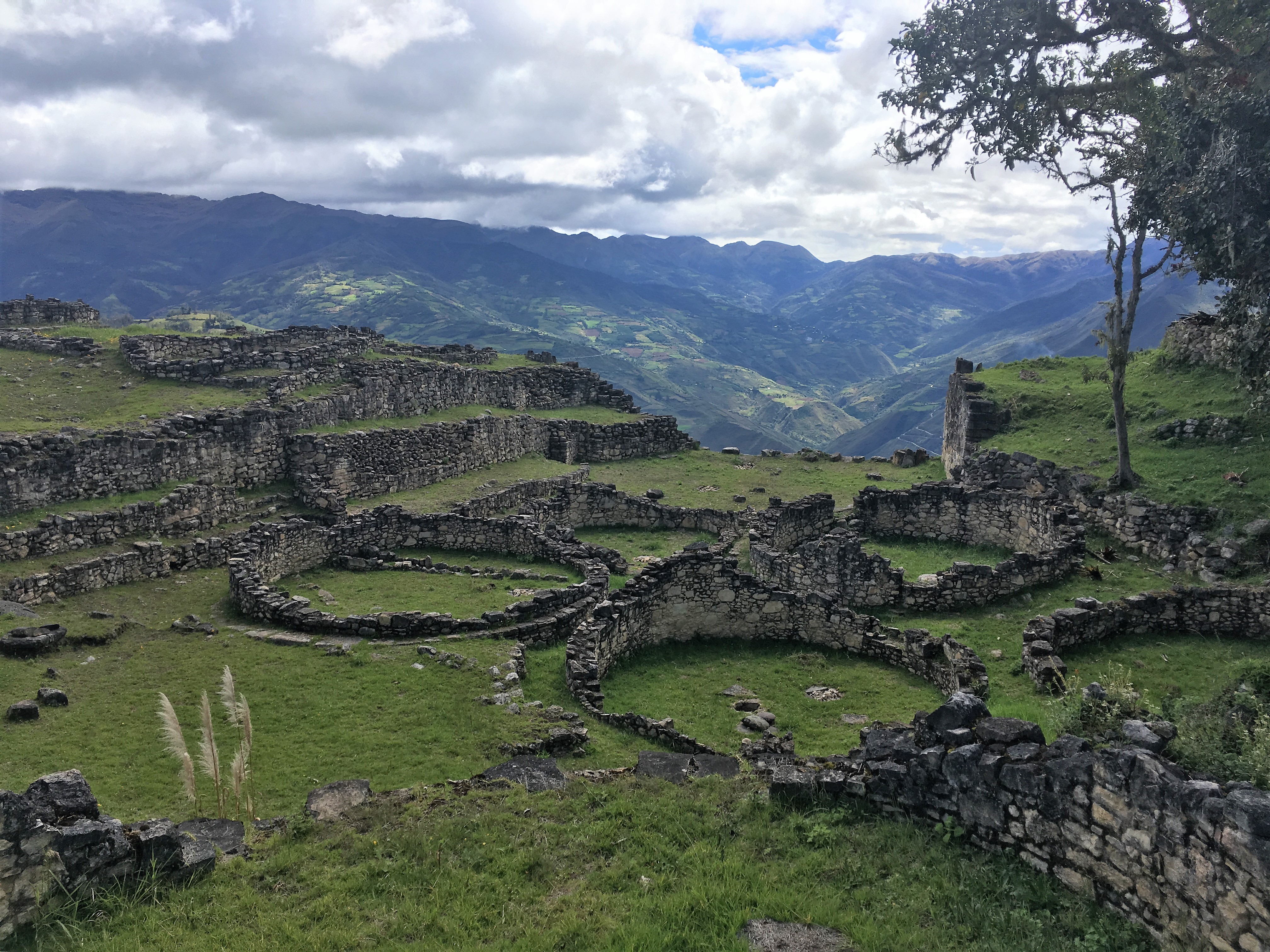
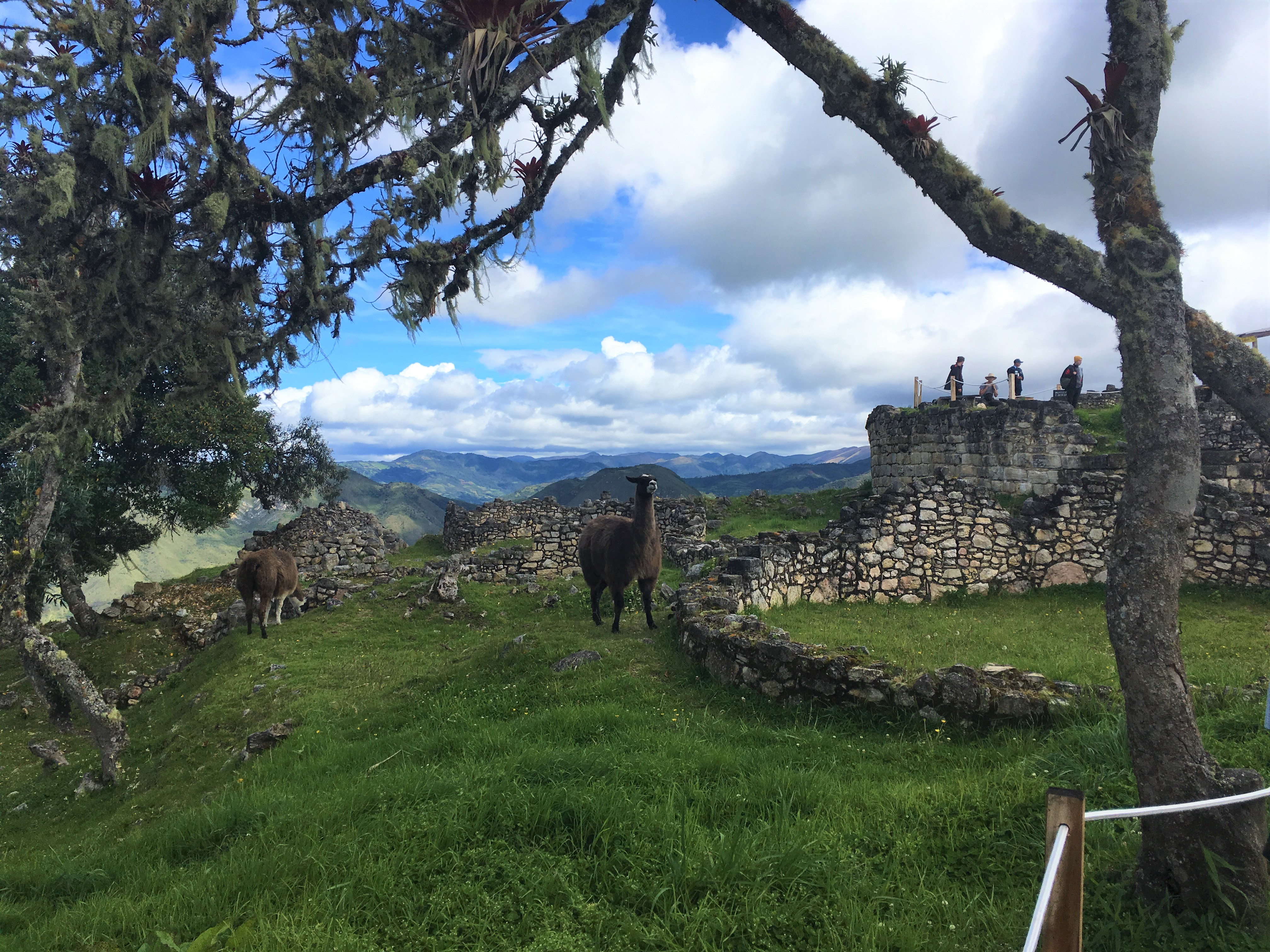
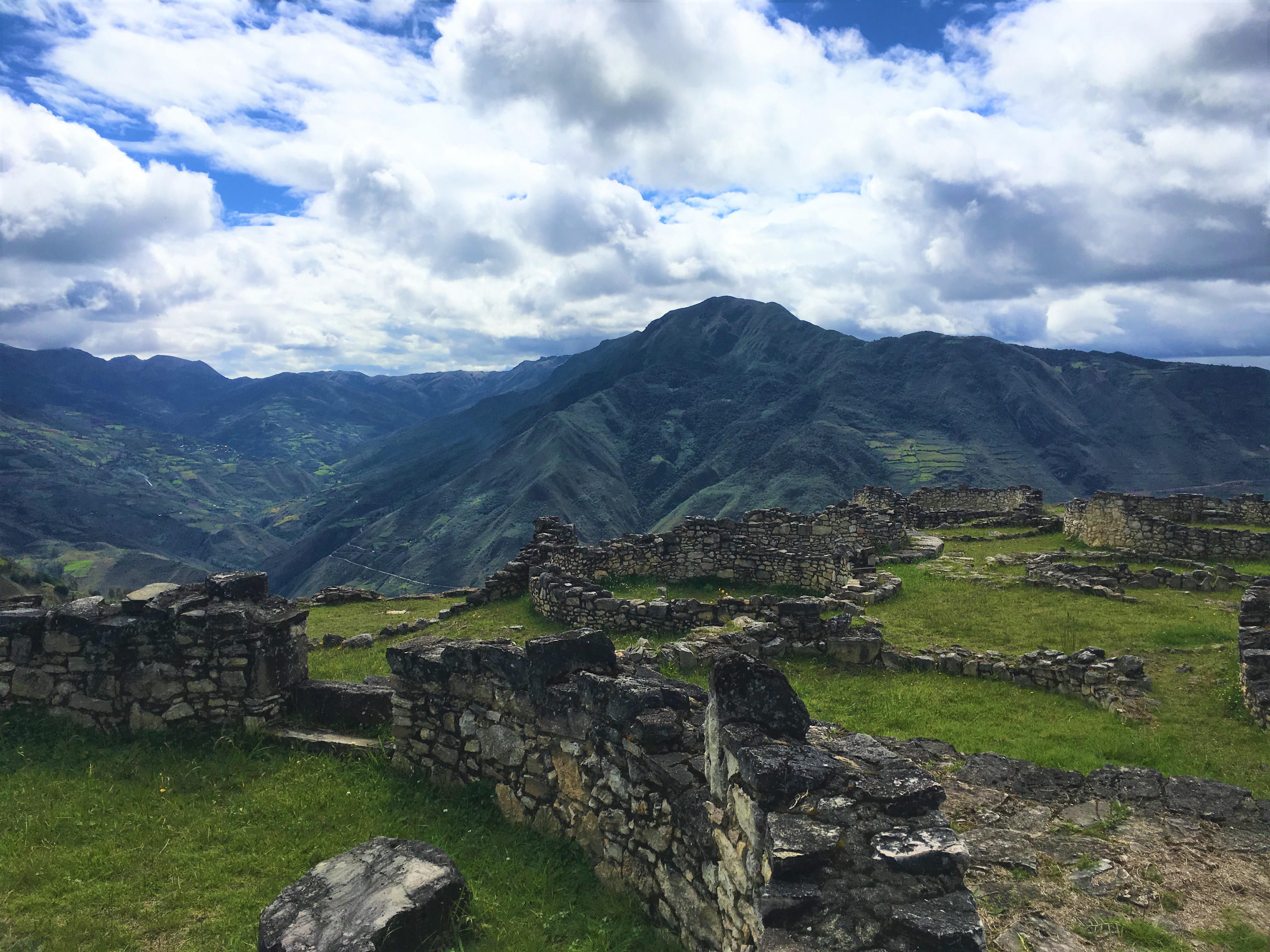
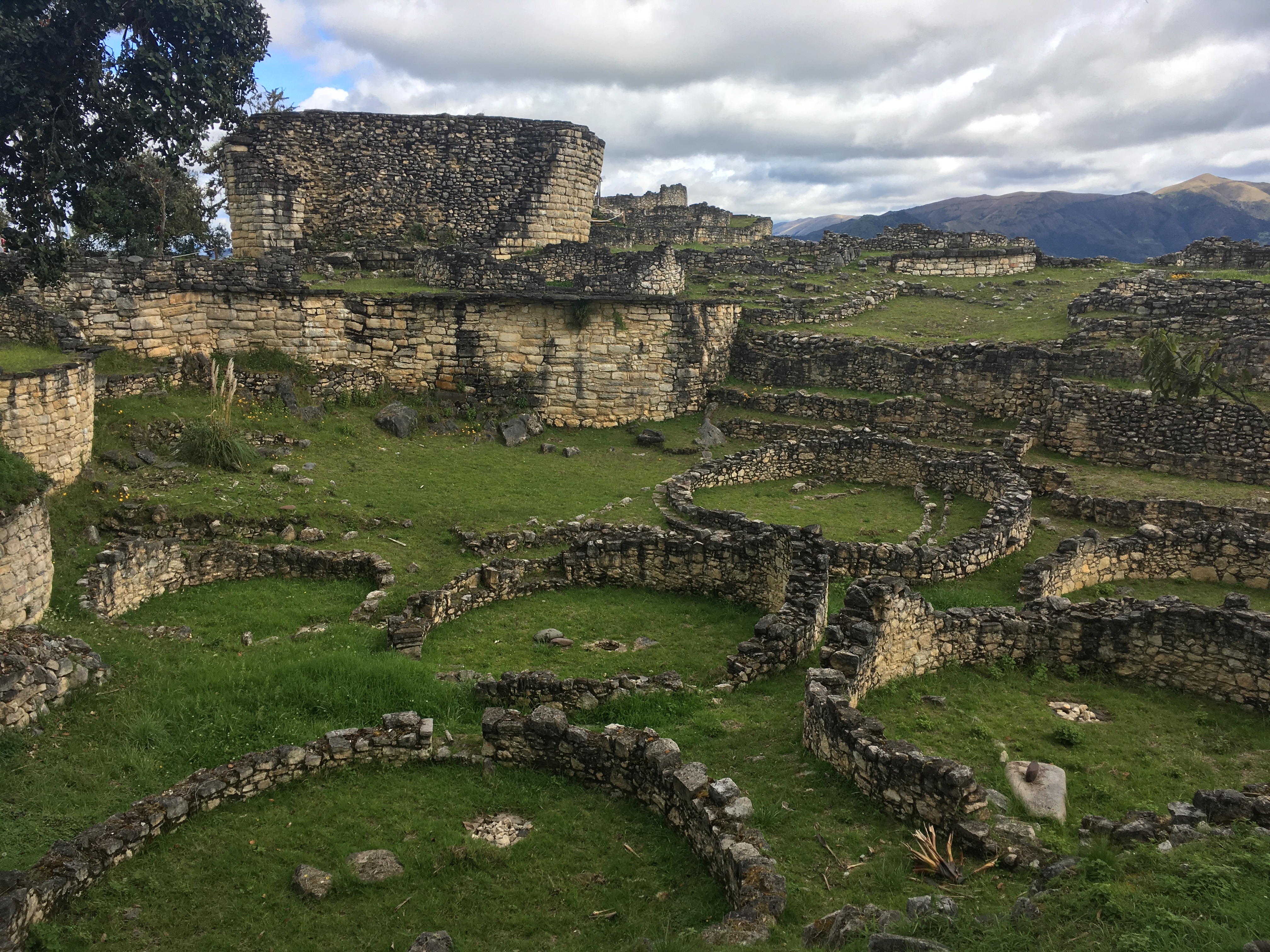
As many as 3,000 people were believed to have lived at Kuélap with all provisions brought in on llamas. In fact, at the entrance you can see llama tracks etched into the stone from repeated stepping in the same area – imagine how many llamas it would take to bring in enough food for 3,000 people! Archaeologists believe the circular ruins were where families lived. Some of them show remains of guinea pig tunnels where guinea pigs were raised for food. The houses stood 8-9 meters (26-30 feet) tall and our guide told us it was common for the houses to have massive flat stones placed on the roof on top of which they grew orchids to perfume the air. 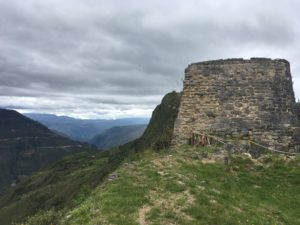 As we wandered around the ruins, we came to a tower where it was believed the Chachapoyas people threw rocks at the clouds to get rain to fall. There is little direct information about the Chachapoyas people who were also called Warriors of the Clouds because they were conquered by the Incas prior to the arrival of the Spanish.
We arrived back at the hostel absolutely exhausted. We could finally check into our room and as we went up to it we ran into a couple from French Canada who were heading out to dinner. They raved to us about this restaurant they had discovered the day before, El Batán del Tayta, and asked if we’d like to join. We ended up going out to dinner for what was a relatively expensive (compared to our $3 menus), but delicious dinner where Jess finally got to try lomo saltado.
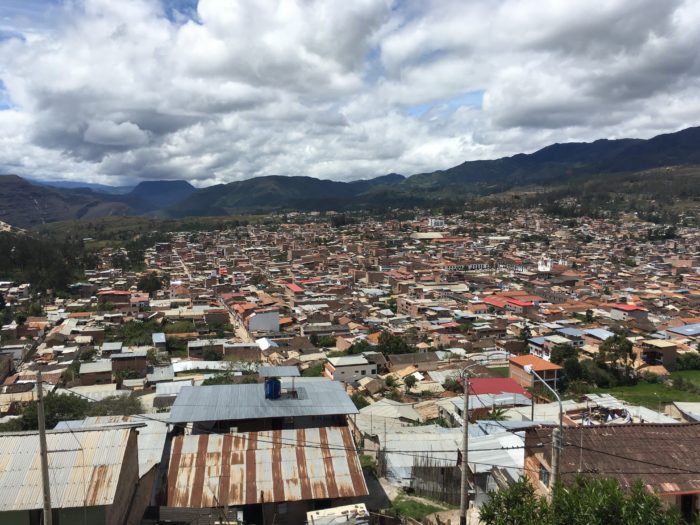
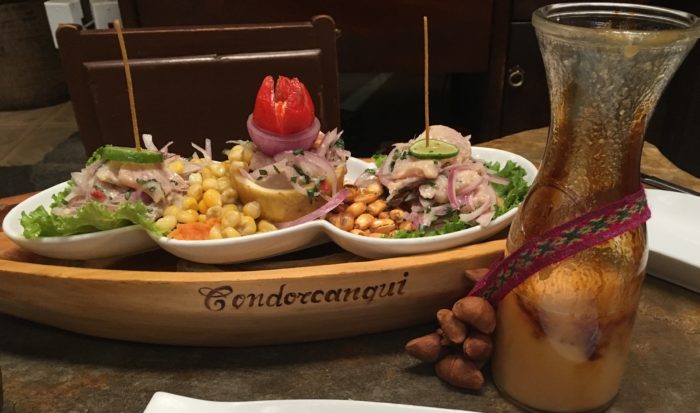
The next day we decided to take it easy and explore Chachapoyas town. There are a few sights to see including the well of Yana Yaku. Legend has it that Santo Toribio de Mogrovejo ended a drought by extracting water from a stone and that the well was built on that location. Anyone drinking from the well will fall in love with the charm of the city. A little further past the well and to the right along Salamanca is Mirador Luya Urco, a viewpoint overlooking the city. We love these Andean towns and cities set into the mountains! After exploring we went back to El Batán del Tayta for the maracuyá ceviche. It was delicious but definitely second to the amazing ceviche we had in Huanchaco.
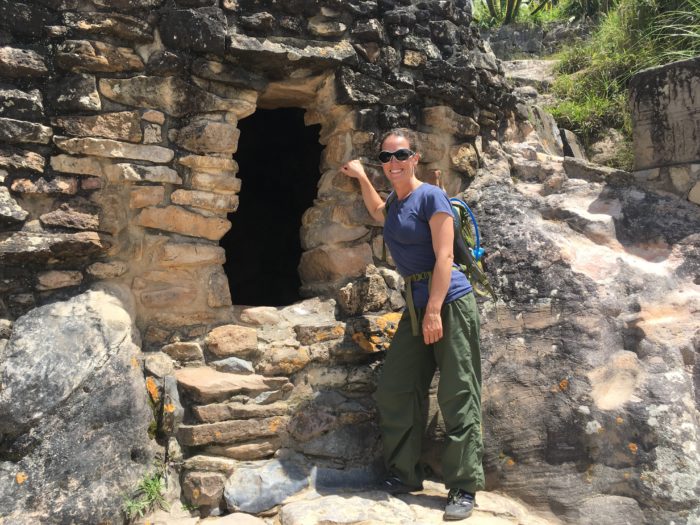
After a much-needed rest day, we set out early on Sunday to do the 16km (10 mile) hike to the Gocta waterfall which is one of the tallest in the world. To get there, you take a collectivo for 5 soles ($1.50) per person from the bus terminal heading to Pedro Ruiz and get out at Cocahuayco. Cocahuayco is not on Google Maps, but you will be dropped in the correct spot. From there you take a mototaxi to San Pablo for 5 soles ($1.50) per person. In the village there is a visitors’ center where you pay the 20 soles ($6) per person entrance fee to the Gocta waterfalls. We were directed down a path between some houses and we were on our way. If you don’t see the church on your left after a few minutes, you’ve made a wrong turn.
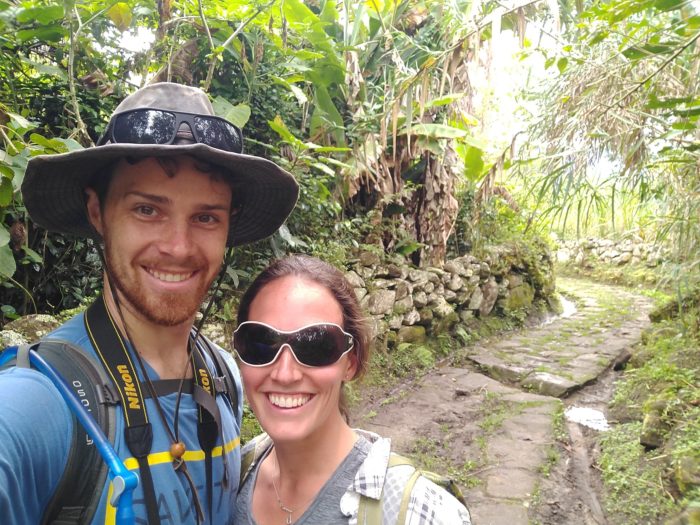
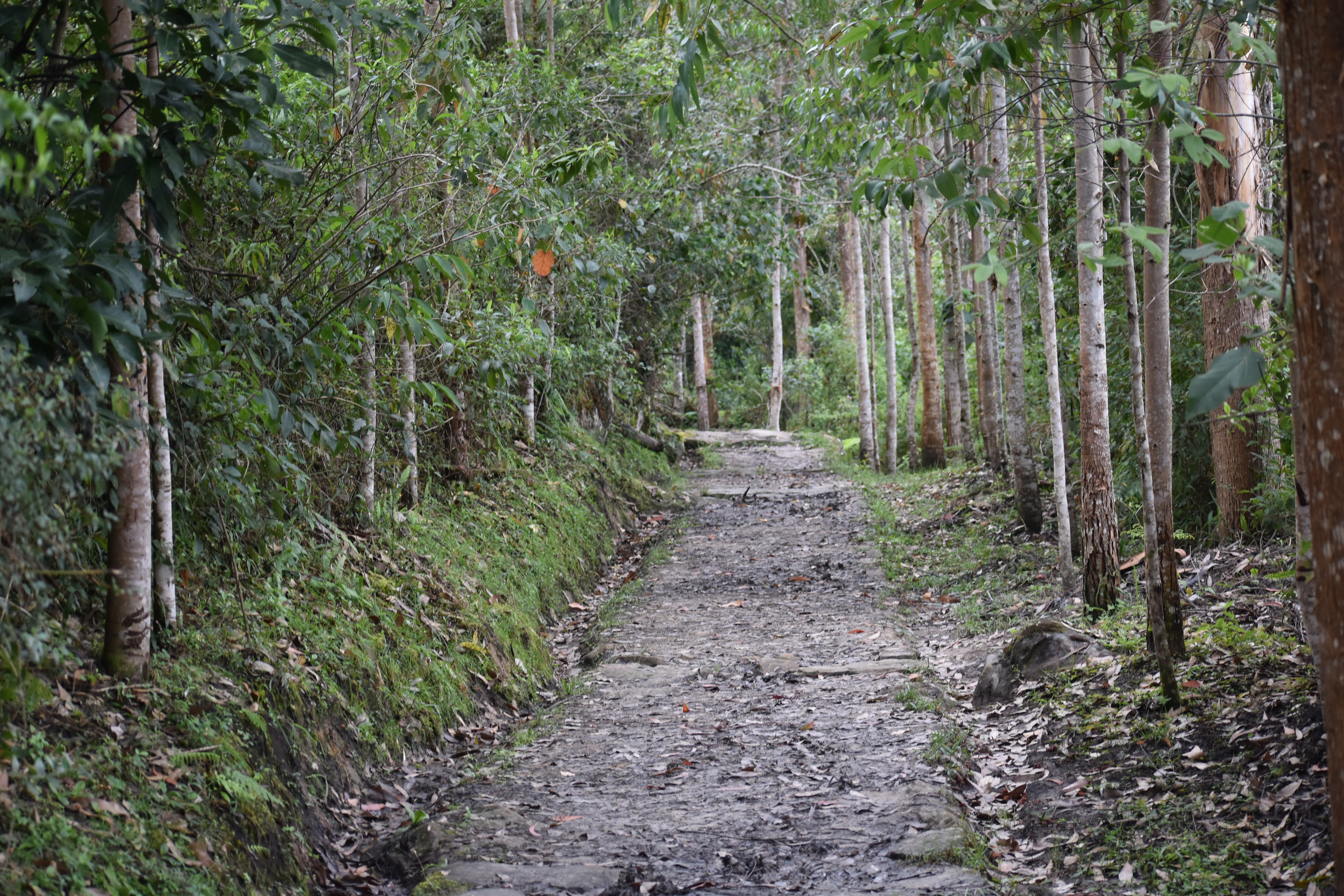
This hike takes you through the some beautiful scenery and tree lined paths before you enter the rainforest (which here too is aptly named). As soon as we entered the rainforest, it started to rain and we were thankful for the ponchos we had borrowed from Elias and Antonia who we met on our Kuélap tour. After about two hours we arrived at the base of the first fall. The force of the water here was incredible. The rocks were slippery with rain and the spray from the waterfall and we didn’t stay long.
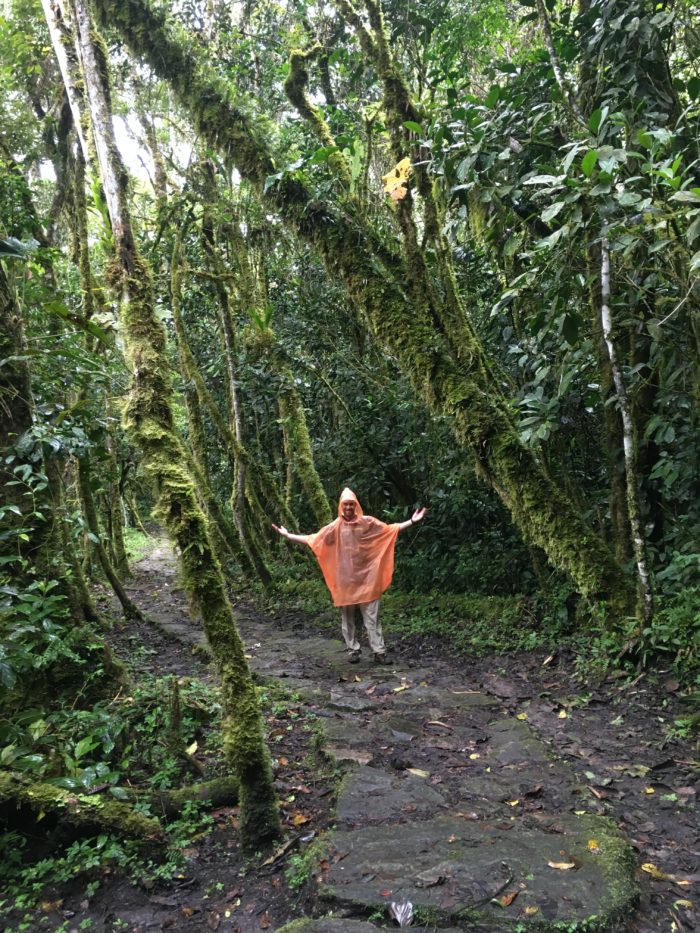
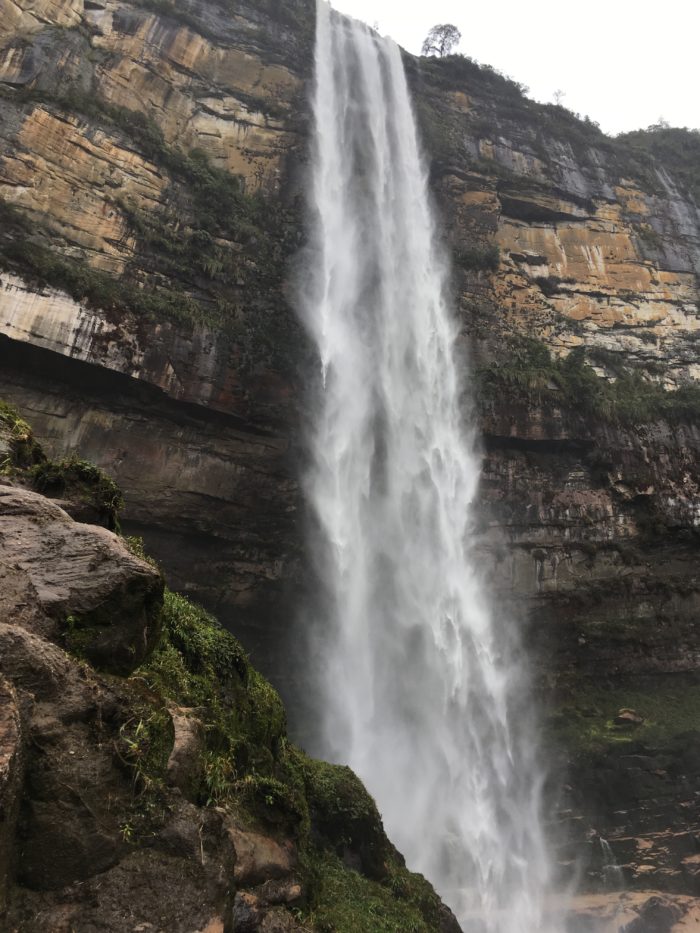
At this point we were in the middle of the cloud forest (also aptly named) and the view down from the waterfall was entirely covered in clouds. We continued back the way we had come until we found the turn to head down to the base of the second fall. The way down was steep and muddy with a lot of switchbacks which made the descent slow. Half way down Eric lost the lock to his backpack. We’re still not sure how he managed that magic trick but after 10 minutes of searching we couldn’t find it anywhere and decided to abandon it.
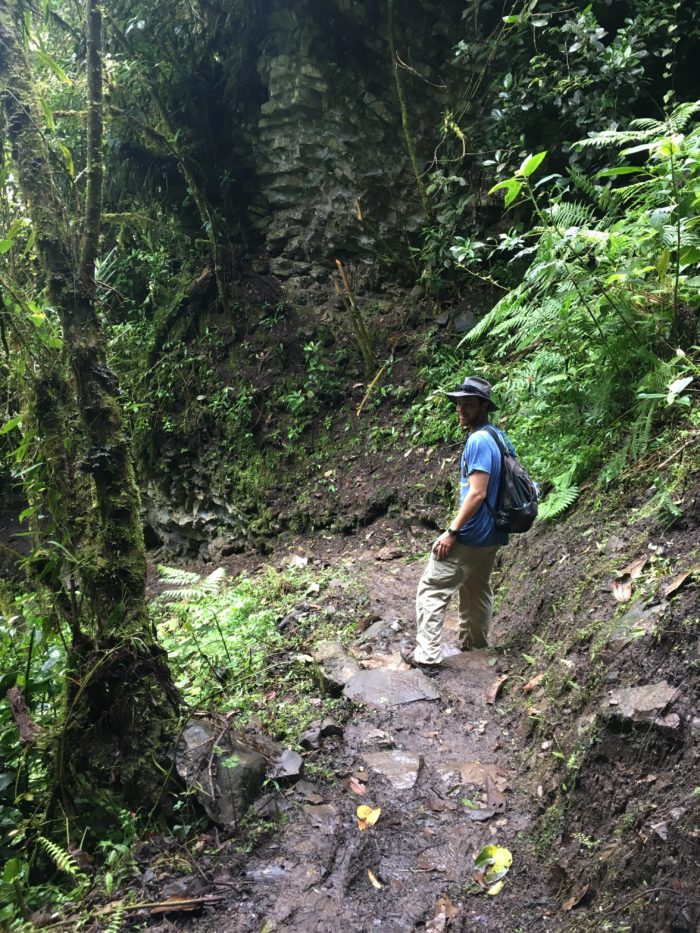
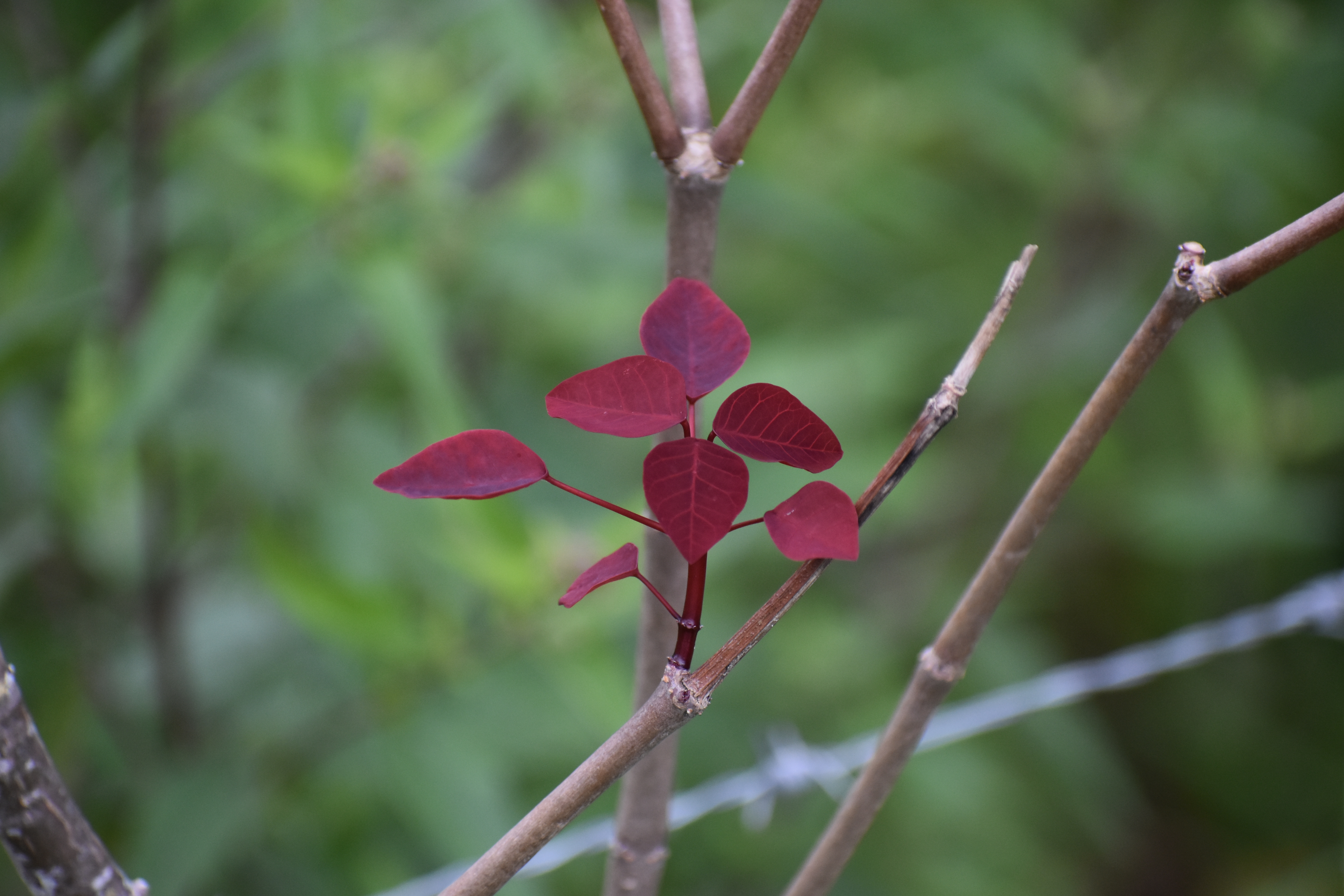
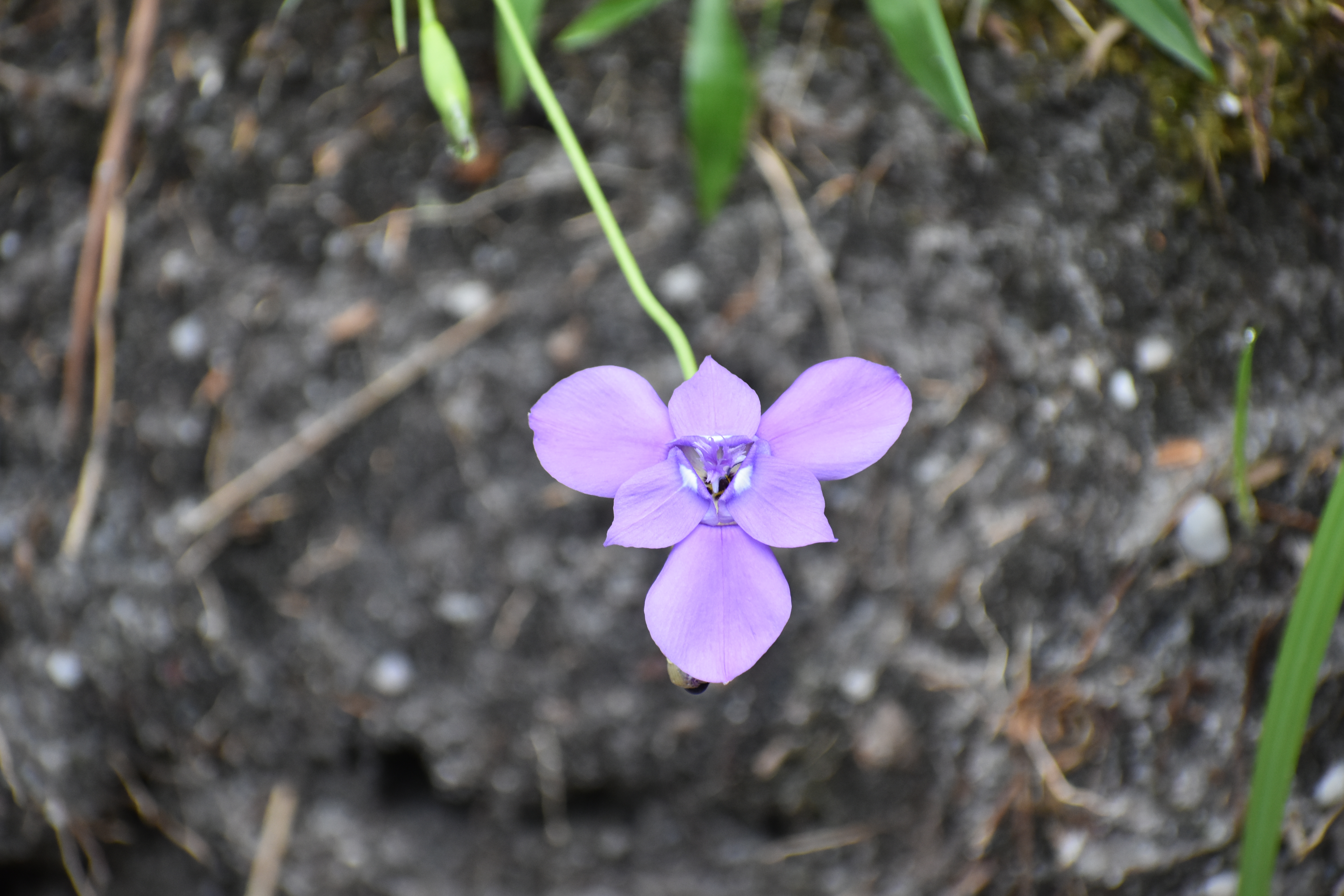
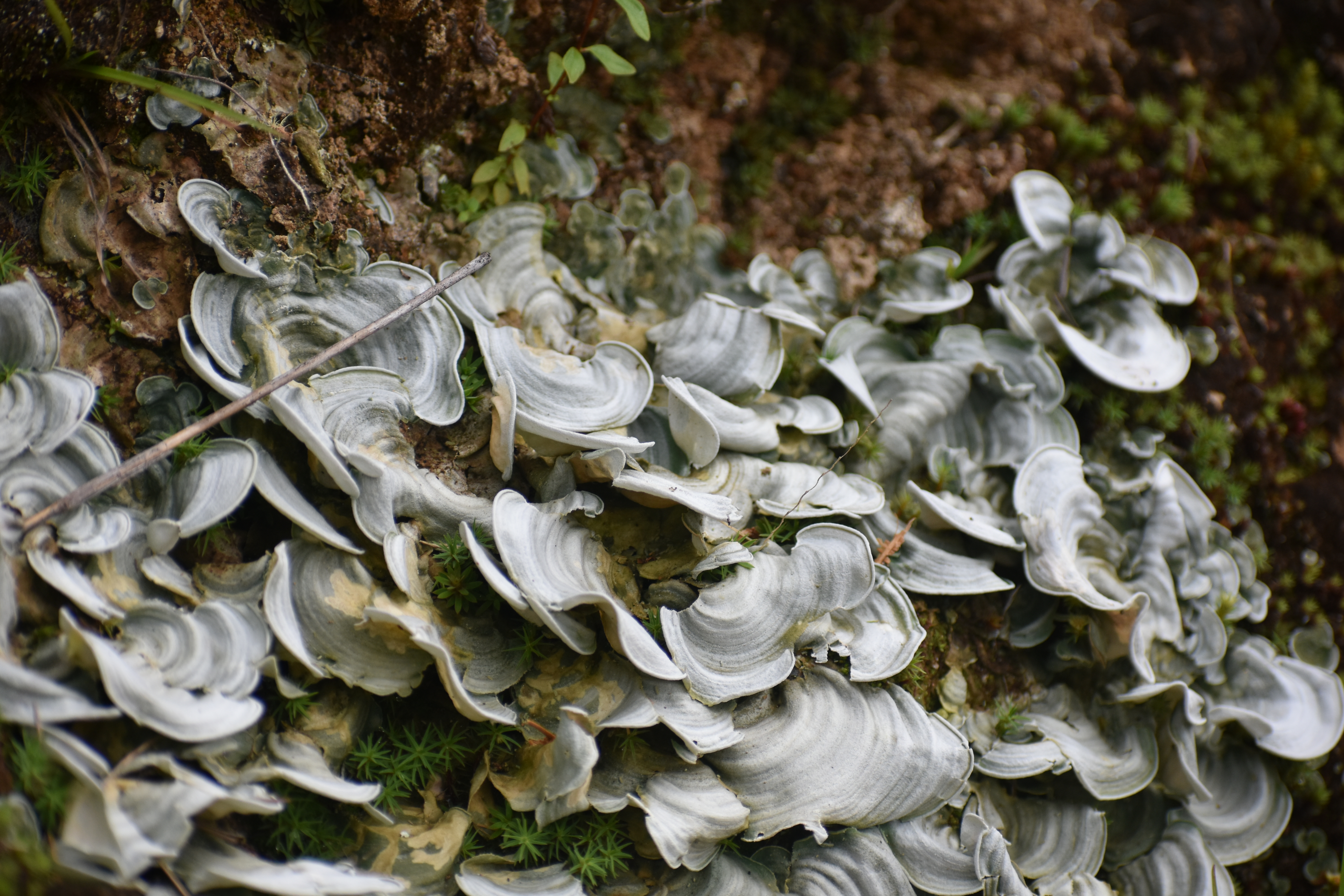
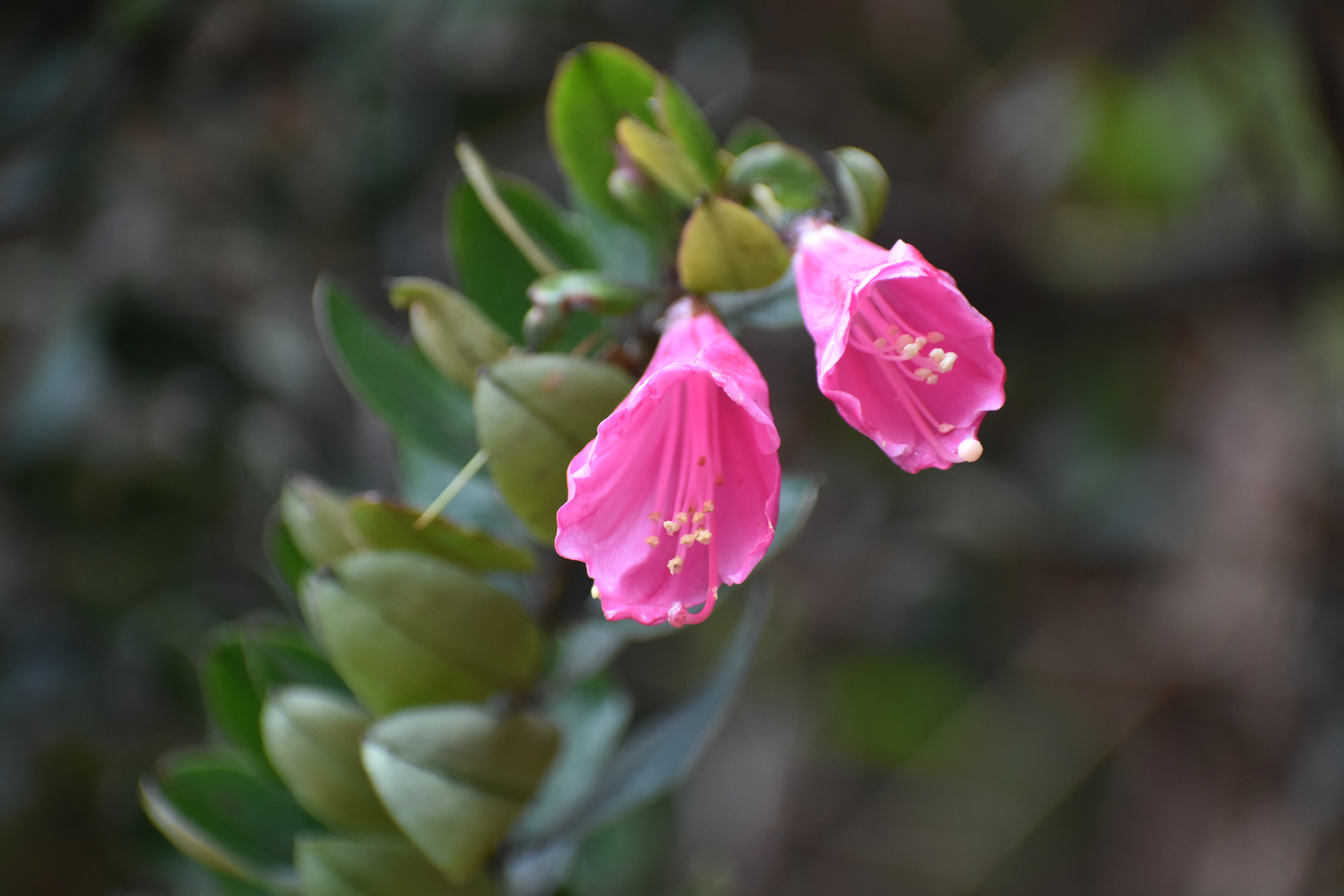
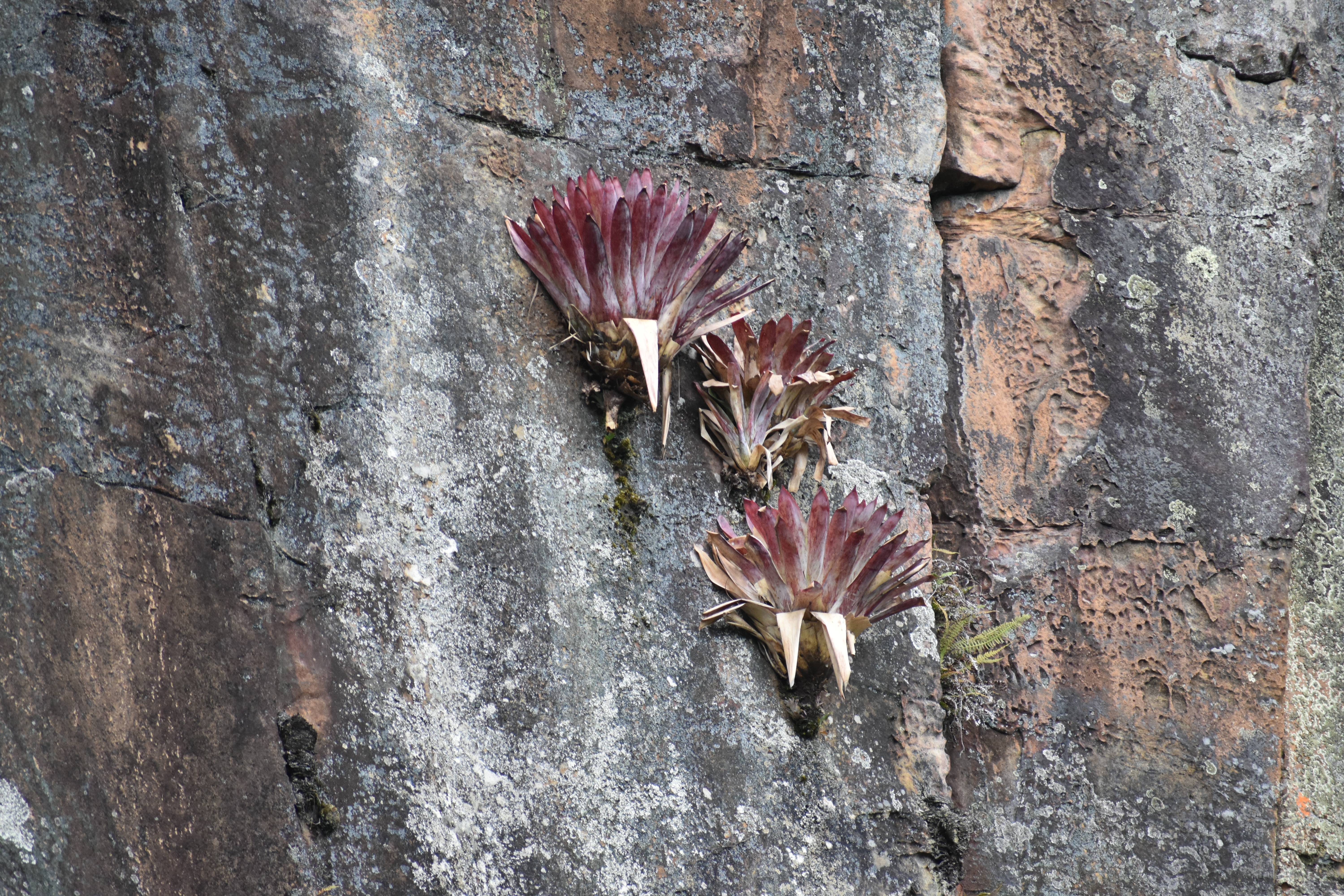
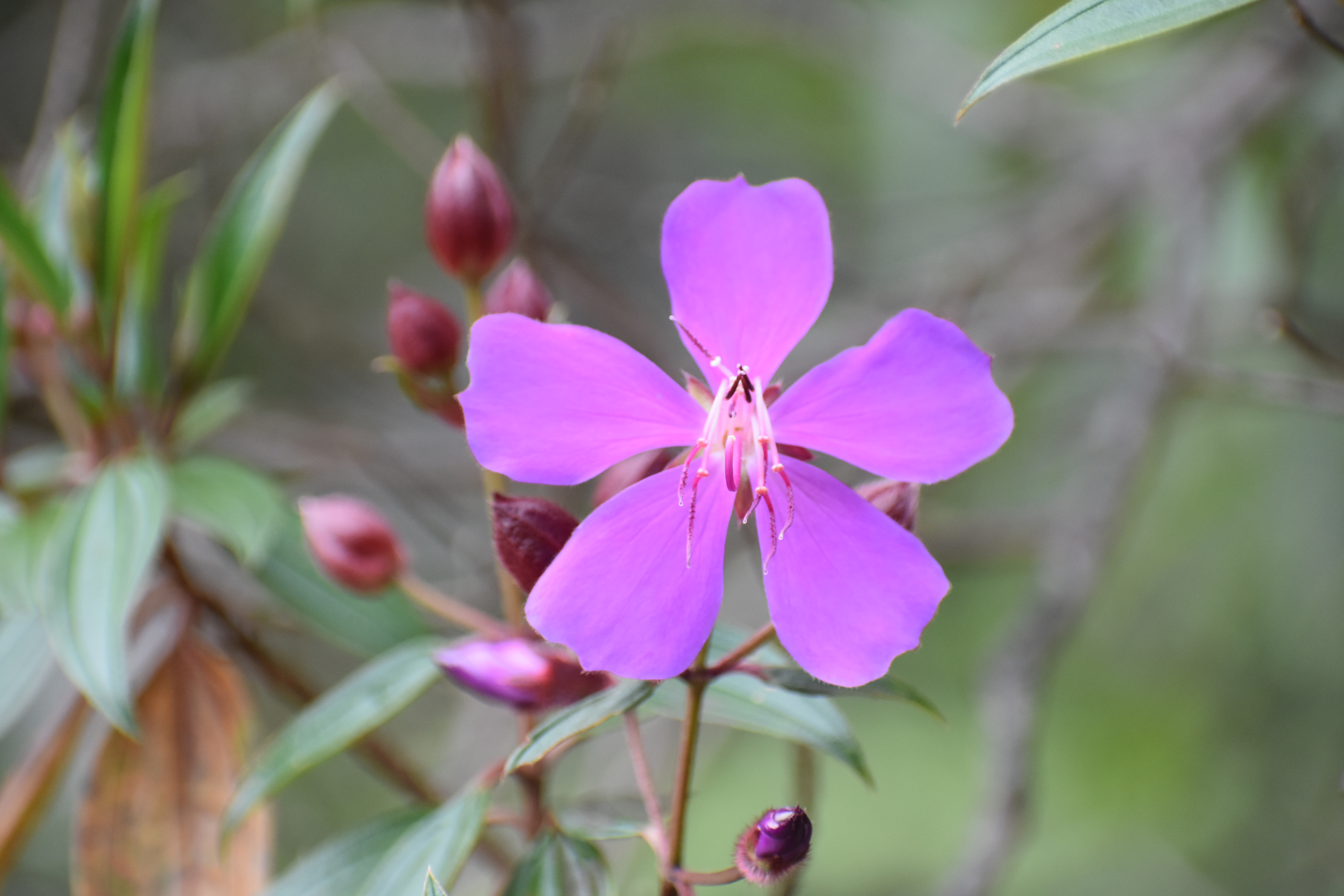
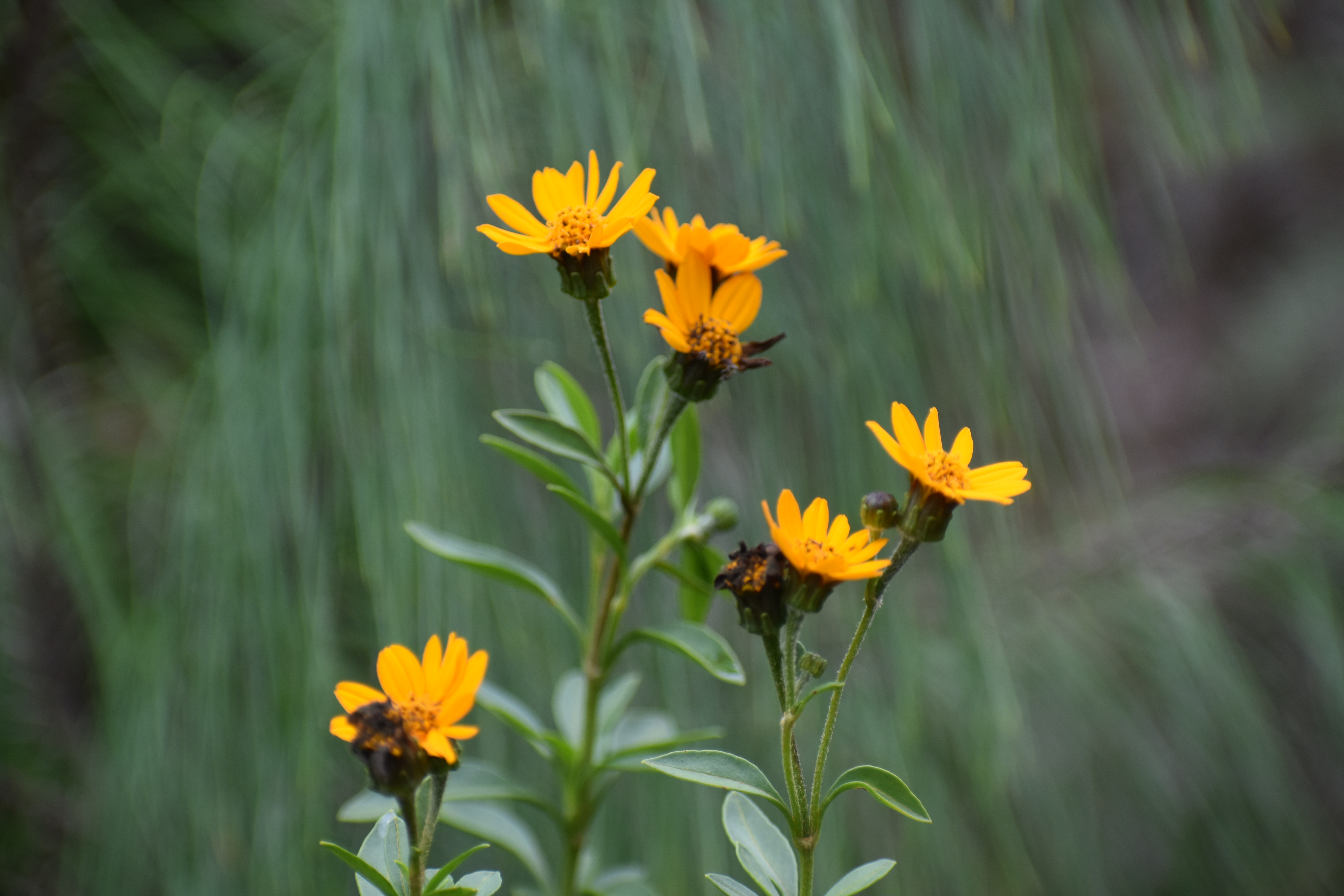
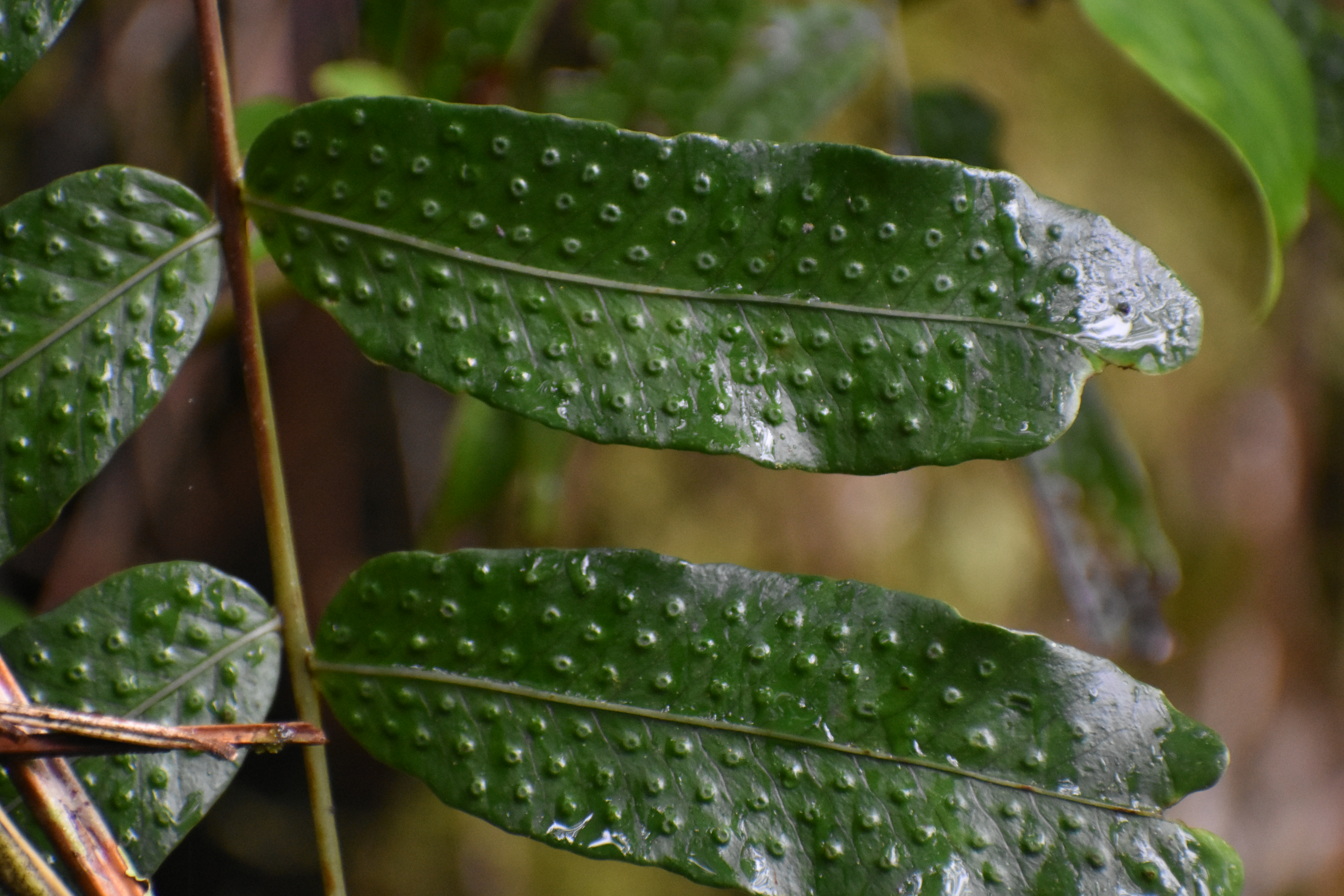
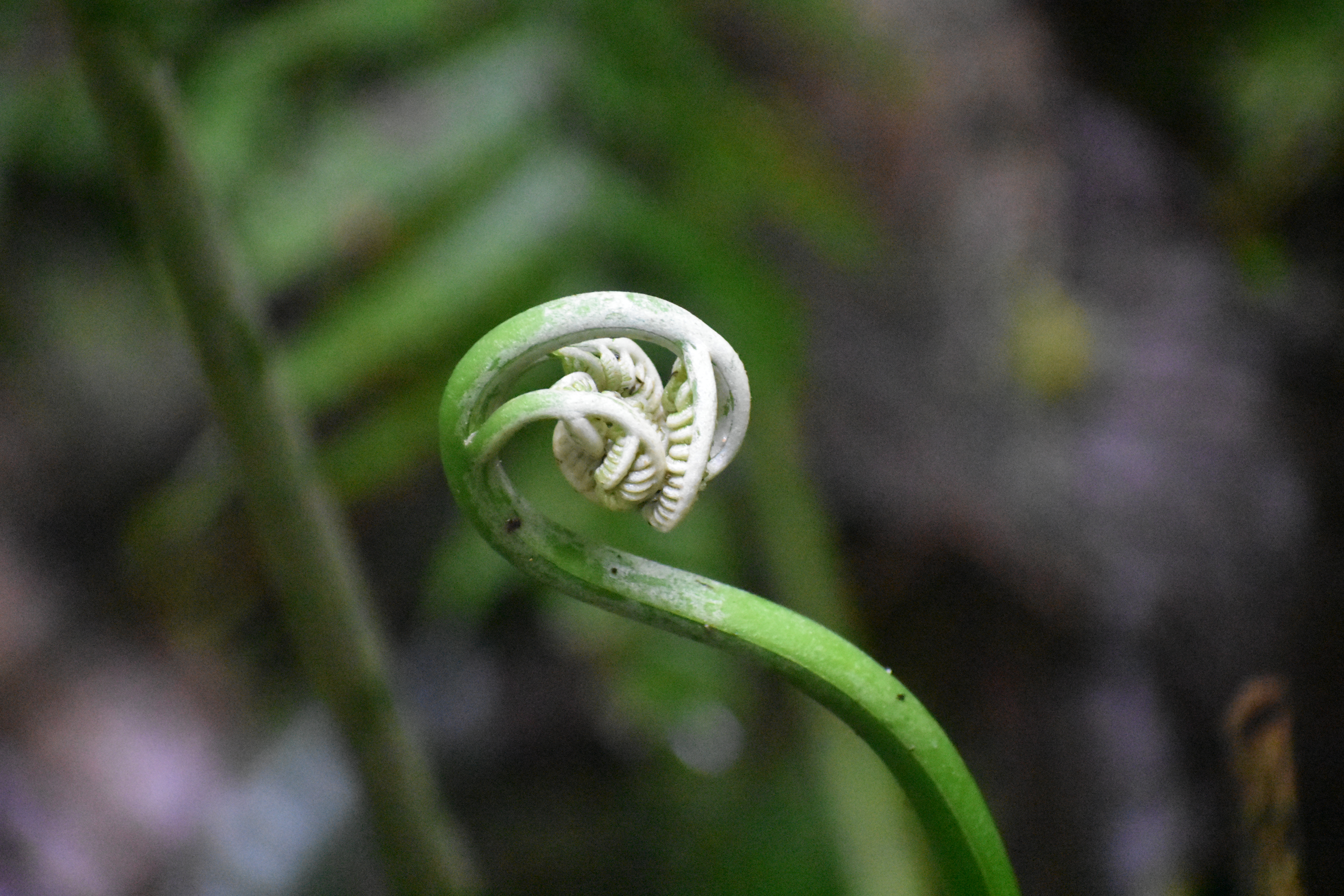
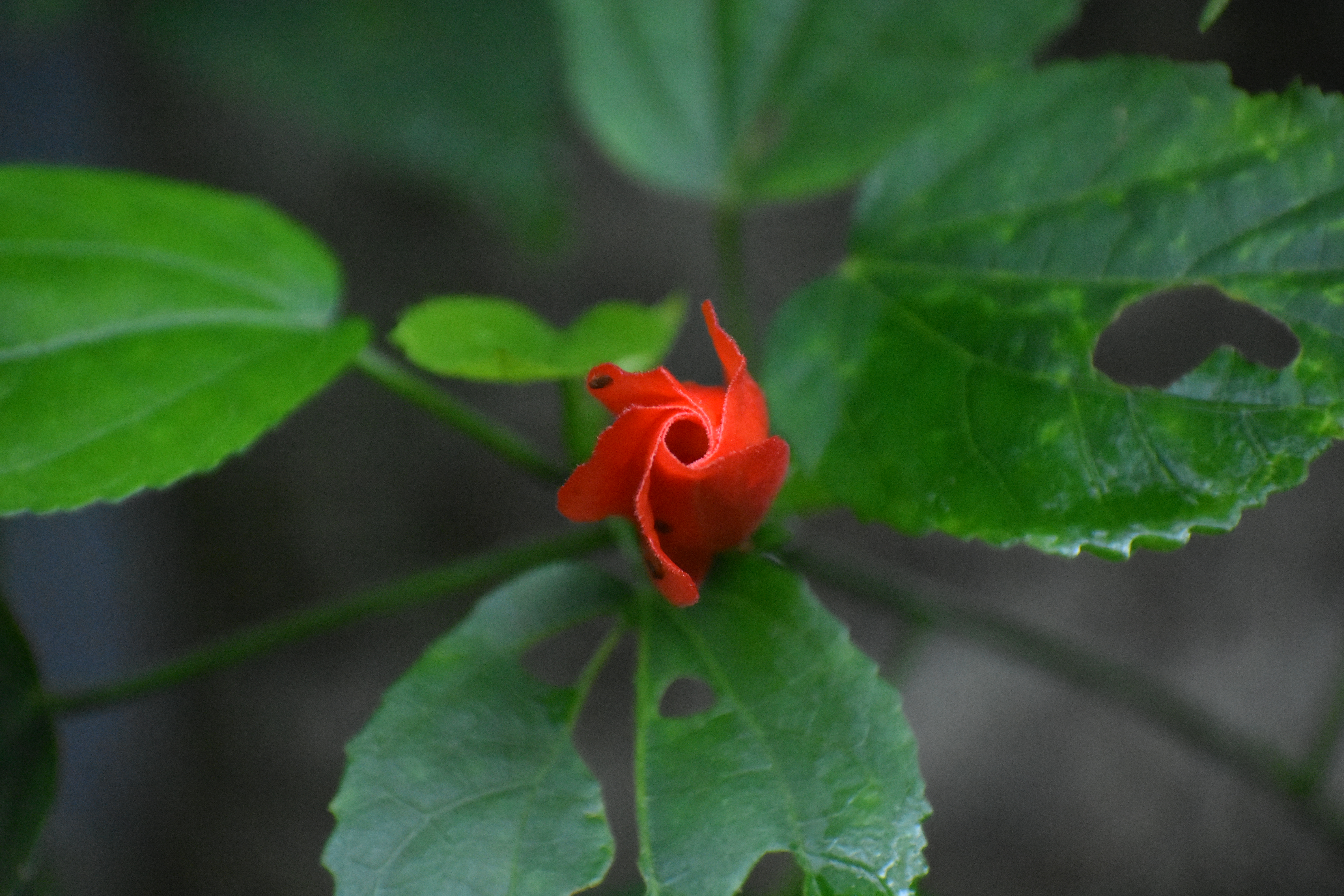
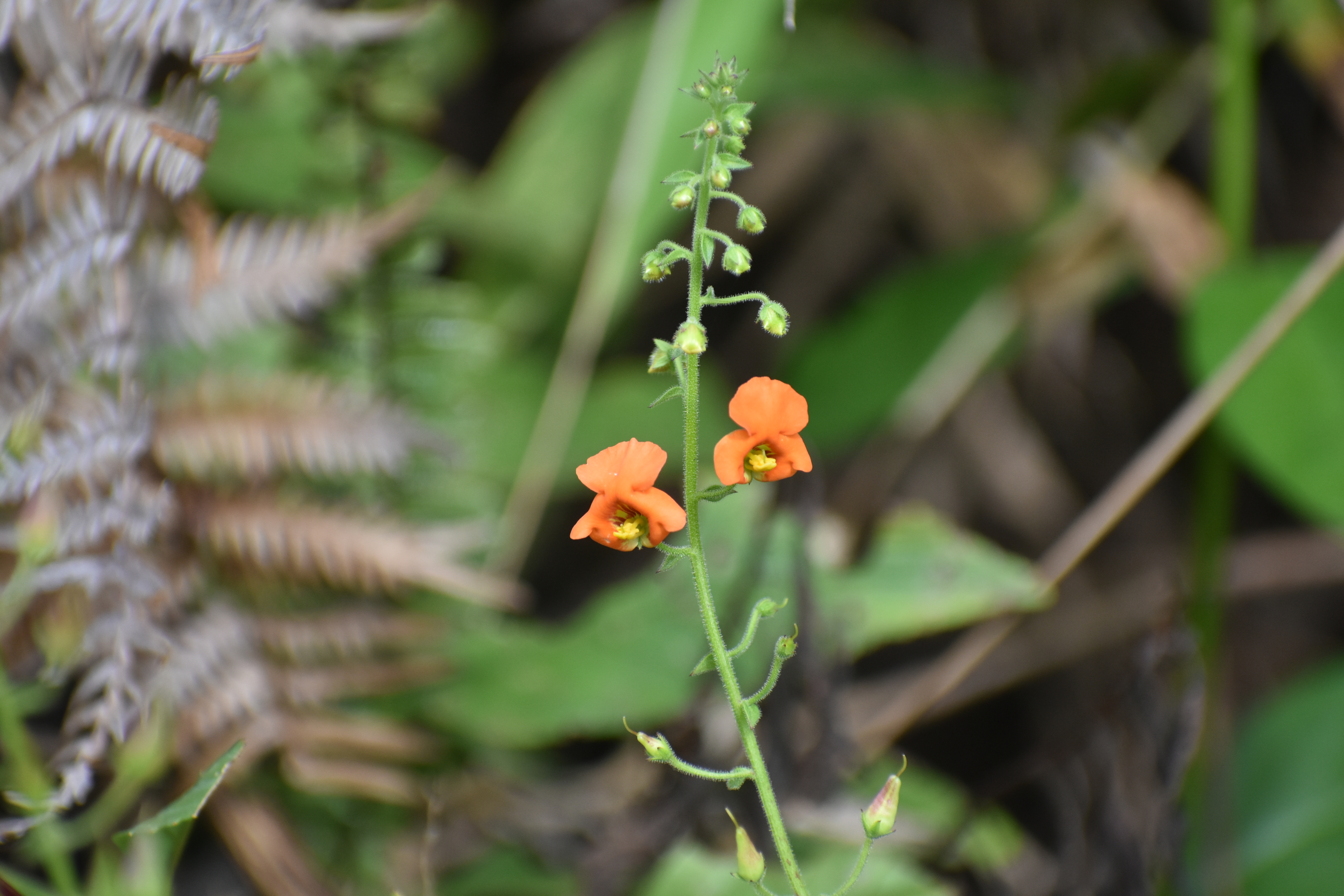
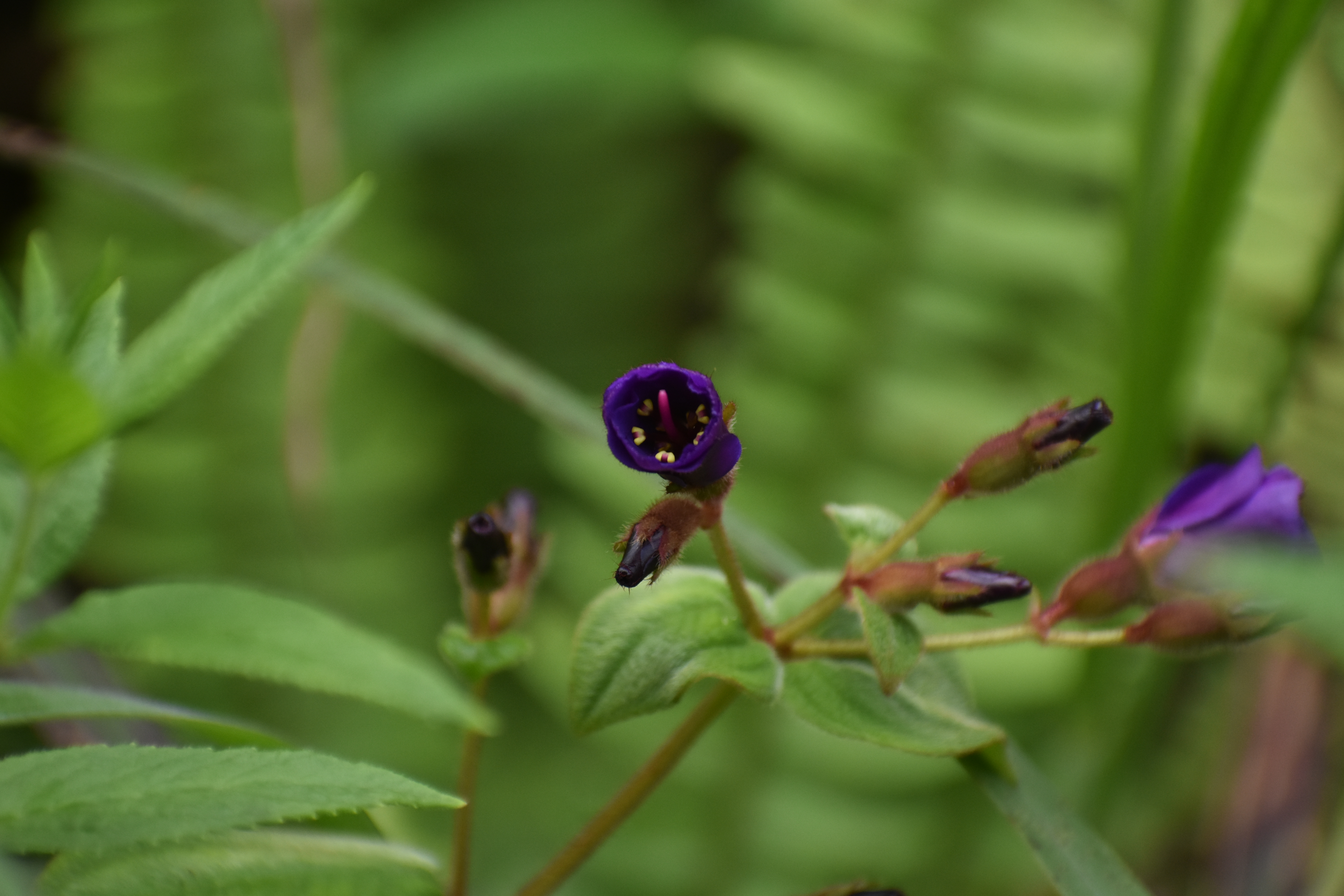
Eventually we made it to the bottom and crossed over the river on a wooden bridge. We found a nice spot by the river to eat our tuna sandwiches and then continued up the other side. On the way back we ran into two other people from our hostel who were just heading down to the waterfall from the Cocachimba side. We chatted with them for a few minutes and then continued walking up to Cocachimba. We had been walking for what felt like many hours and our legs were definitely getting tired, but the pretty scenery kept us going. There are so many plants and flowers along the way we have never seen before, and every few steps we’d be rewarded with a new view of the Gocta waterfall.
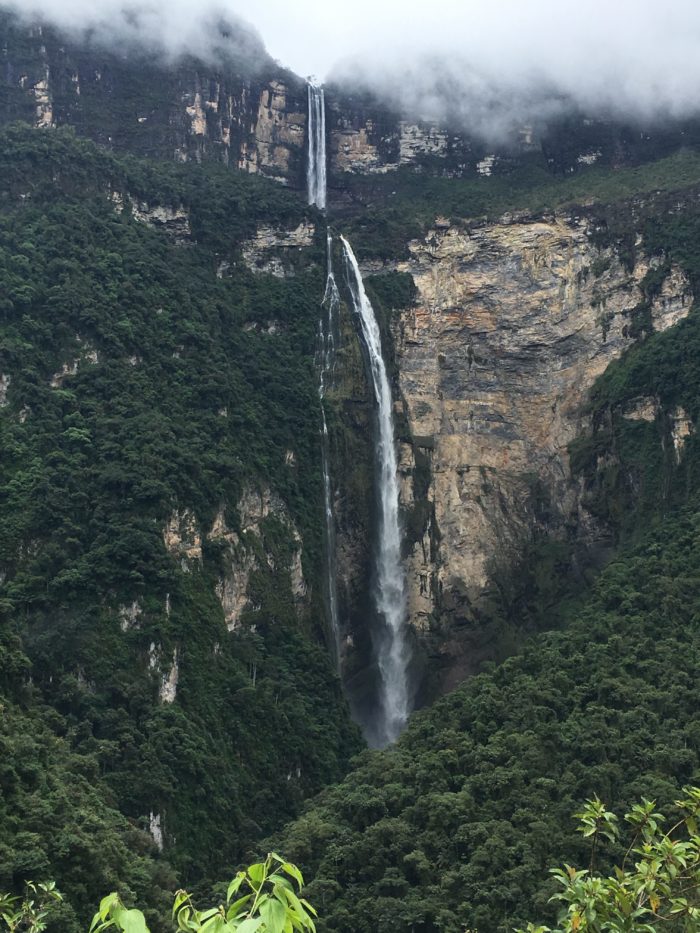
When we finally arrived in Cocachimba just before 4pm we stopped in the visitor center to ask about transportation back to Chachapoyas. We were told we could take a mototaxi to the collectivo as we had done on the way out, or we could ask one of the white tourist vans if they had space to take us back to Chachapoyas directly. There was a van up ahead so we asked the driver if he had space for us. He happened to have two seats in the front and said he would charge us 10 soles ($3) per person which was the same price as the mototaxi and collectivo, so we agreed. We climbed in the front seat and waited for the rest of the tourists to finish their lunch and get in the bus. The bus driver said it should only be a few minutes, but after half an hour we were starting to get anxious. We thought it could be as much as 90 minutes drive back to Chachapoyas and we had a night bus to catch at 8pm. We had been hoping we would make it back to the hostel in time to shower before our bus, but that window was now closing. It seemed the tour bus was waiting for someone but it wasn’t clear who or where they were. After another 30 minutes it became clear that someone had not made it back from the hike in time for lunch and was now late for the bus. Just as we were wondering what we should do, the couple from our hostel came back from the hike and we asked if we could share a mototaxi and collectivo with them. They agreed and we jumped in the next mototaxi down to the collectivo stop. We had to wait a while for a collectivo but the mototaxi drivers were very helpful in calling ahead to arrange one for us. Finally a collectivo arrived and we piled in. After a somewhat harrowing drive in which another car passed us and narrowly avoided a collision with an oncoming vehicle by squeezing into the lane ahead of us, we arrived at the bus station at 6:30pm. That left us enough time to rush back to the hostel, change, sort out our bags for night bus travel and head back out to the bus station in search of a snack on the way. We did not get a shower which was unfortunate as we were about to experience two night buses in a row, but we’ve been prepared to view showers as a luxury from day one.
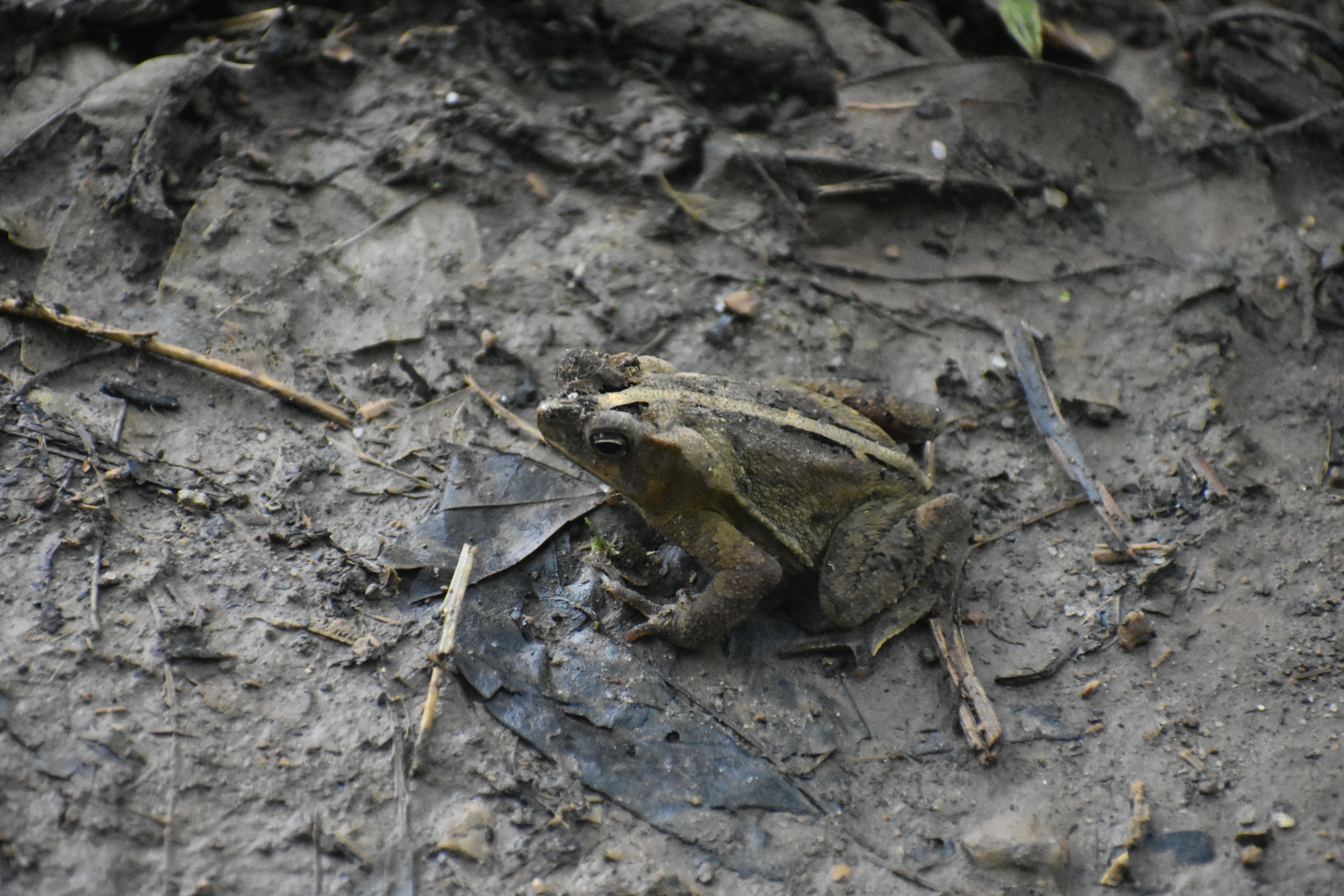
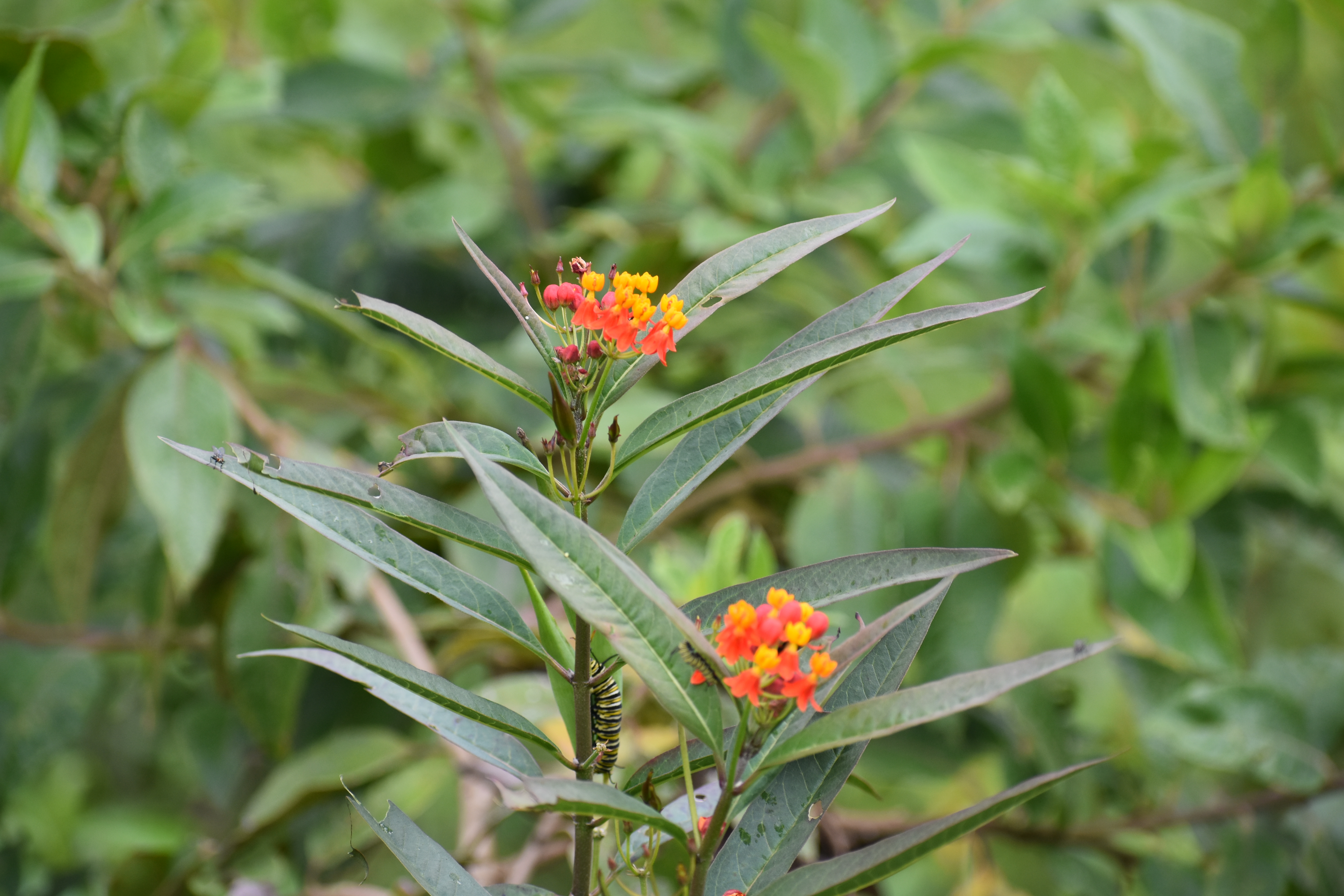
Flora and Fauna at Gocta Waterfall
If you go
Where to stay:
- Chachapoyas Backpackers Hostel is a great hostel that offers mostly private rooms for low prices. We paid $13.72 per night total.
Where to eat:
- Amazonas 632 has excellent coffee and delicious food. The breakfast deals are great.
- El Batán del Tayta has delicious food and fun drinks. We particularly enjoyed the fruit juices but the lomo saltado and maracuyá ceviche were delicious too.