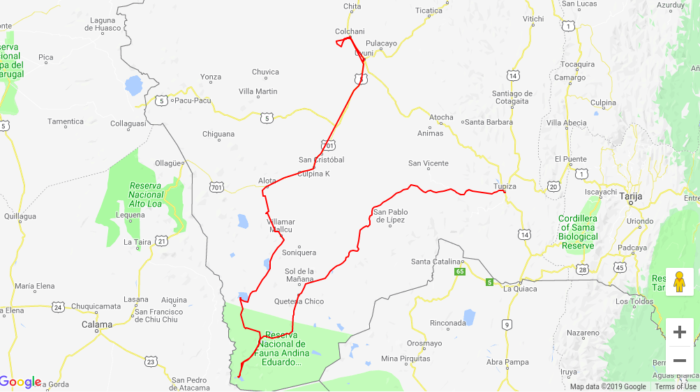
We had expected to see Tito again bright and early for our Uyuni tour, but he had been specifically requested by a group of French tourists overnight, so it was Milton who showed up at 7:30am to pick us up. 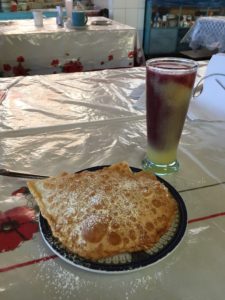 Since the other couple in our car, Laura and Nils, had breakfast in their hostel and ours didn’t offer breakfast, Milton took us to the market in Tupiza, ordered us a fried pastry with cheese inside and “api” which is a hot purple and white corn beverage with cinnamon, cloves and fruit juice, and instructed us to meet him back at the hostel when we were done. With that we were off on our four-day adventure.
Day 1:
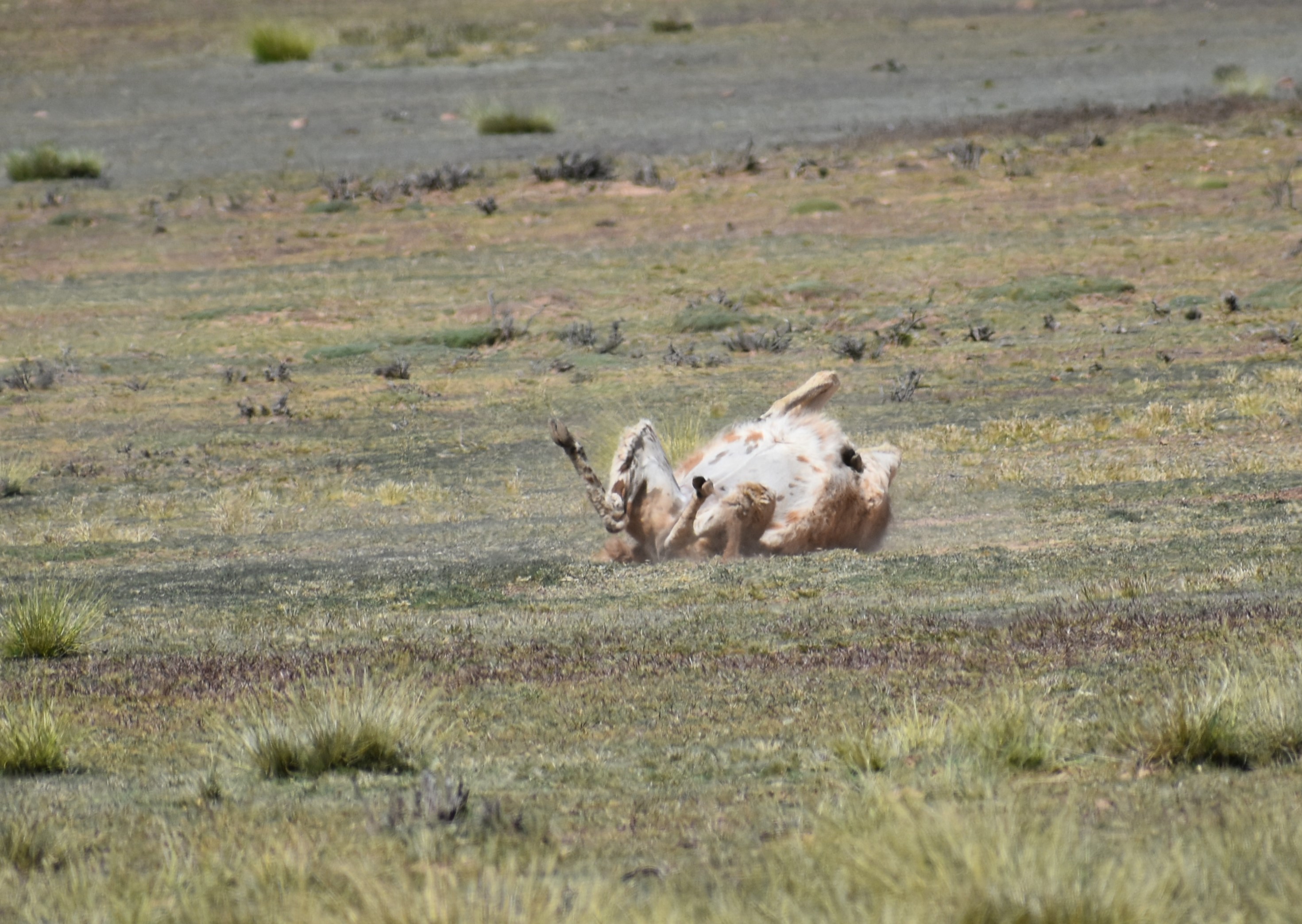
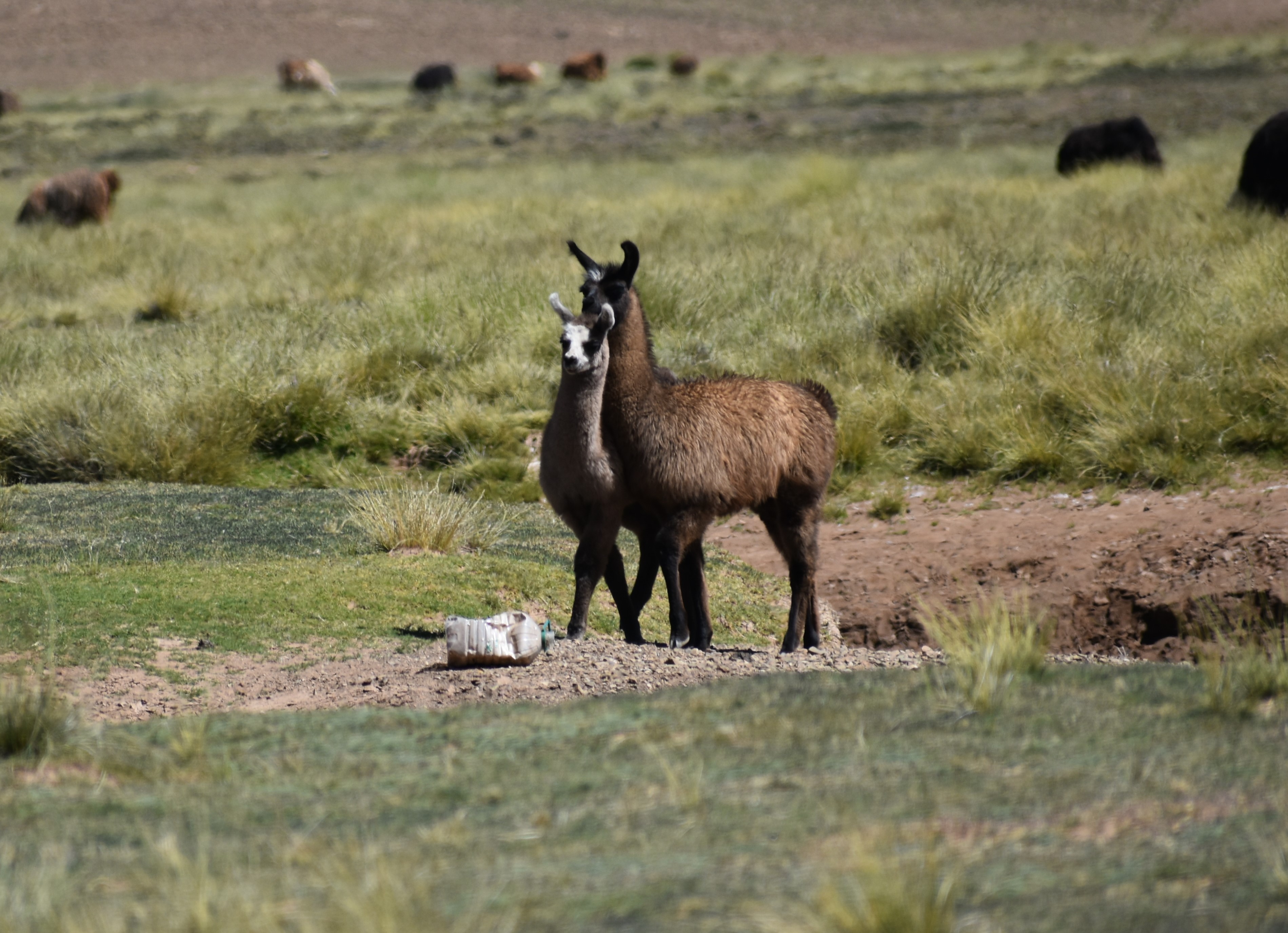
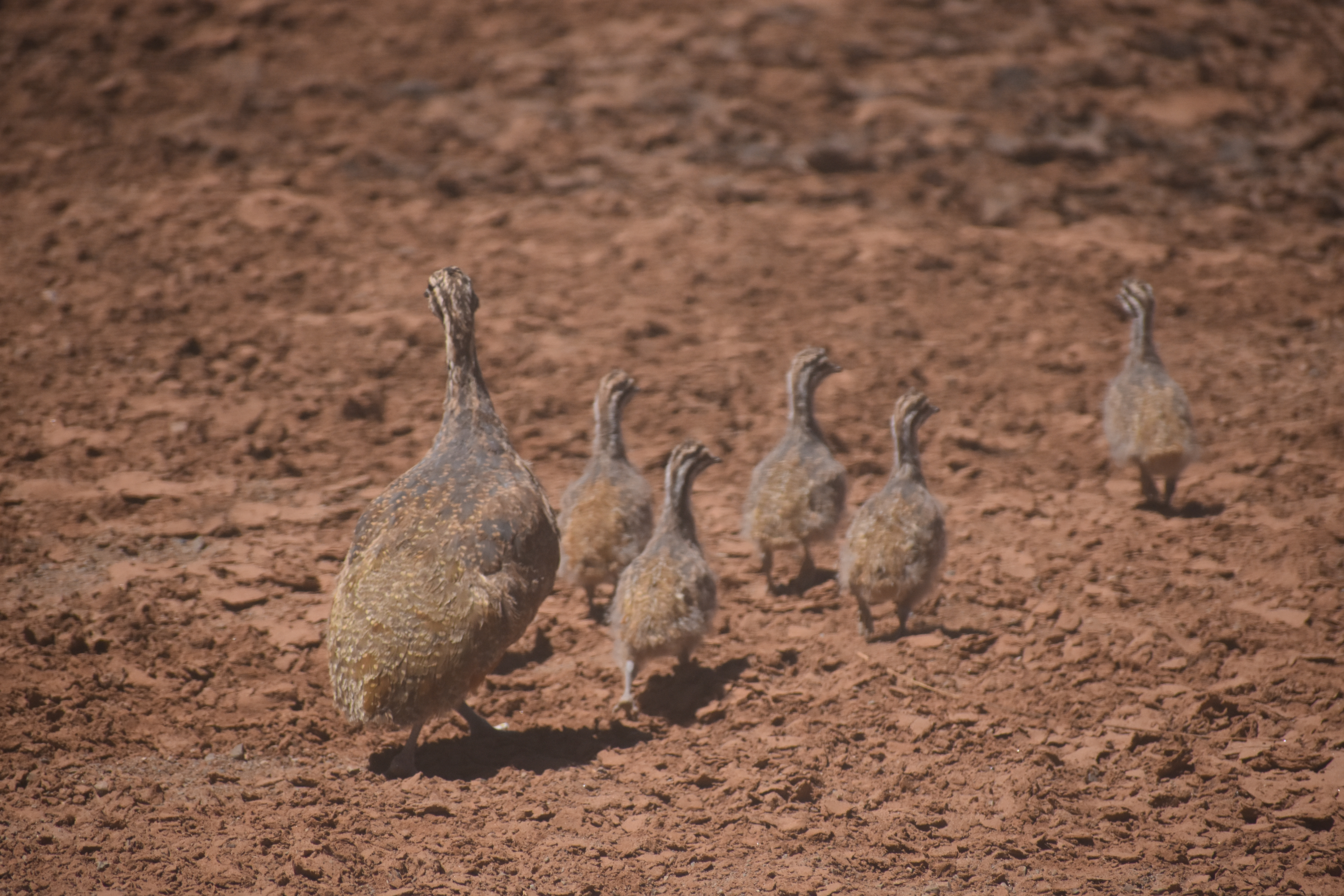
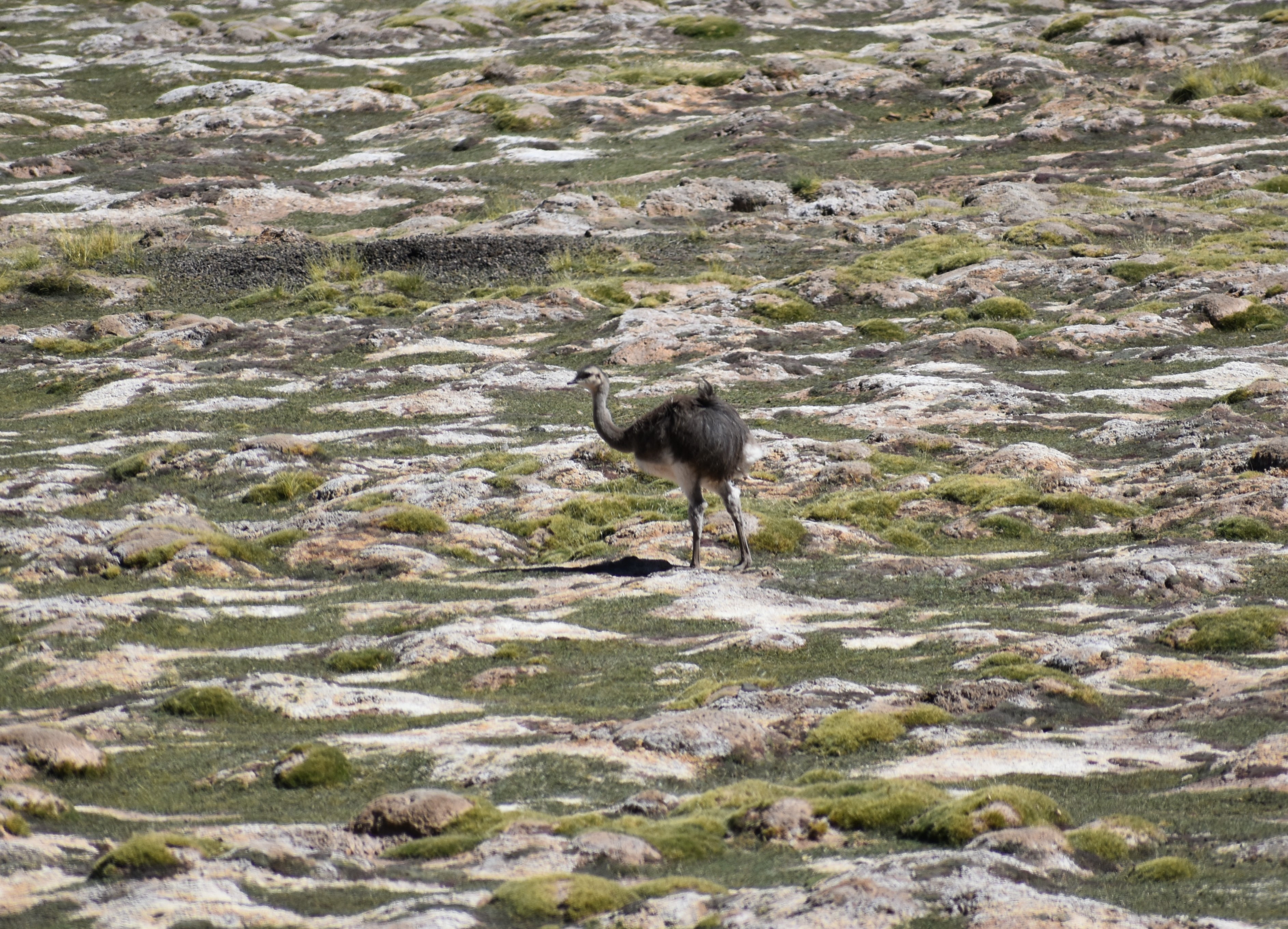
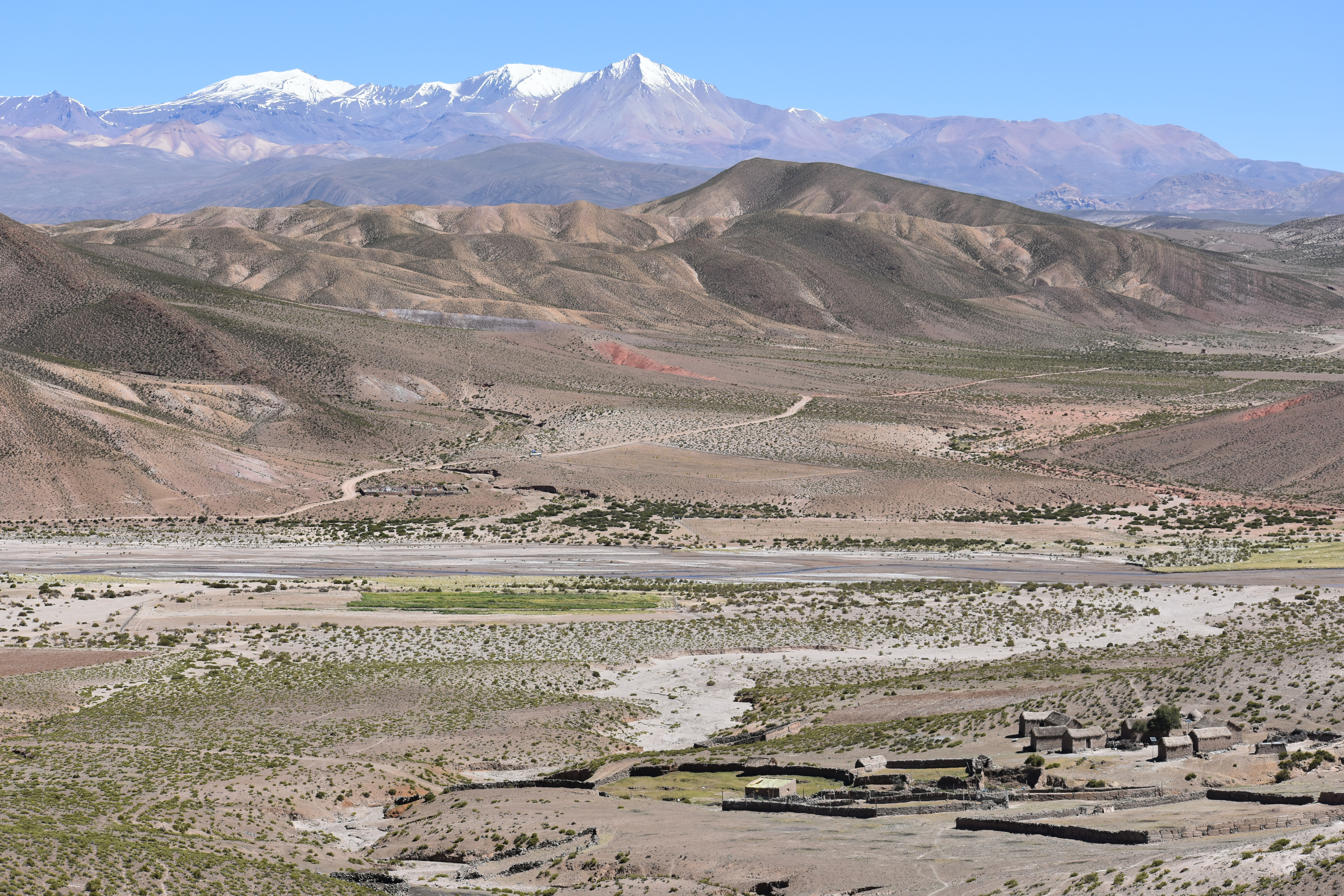
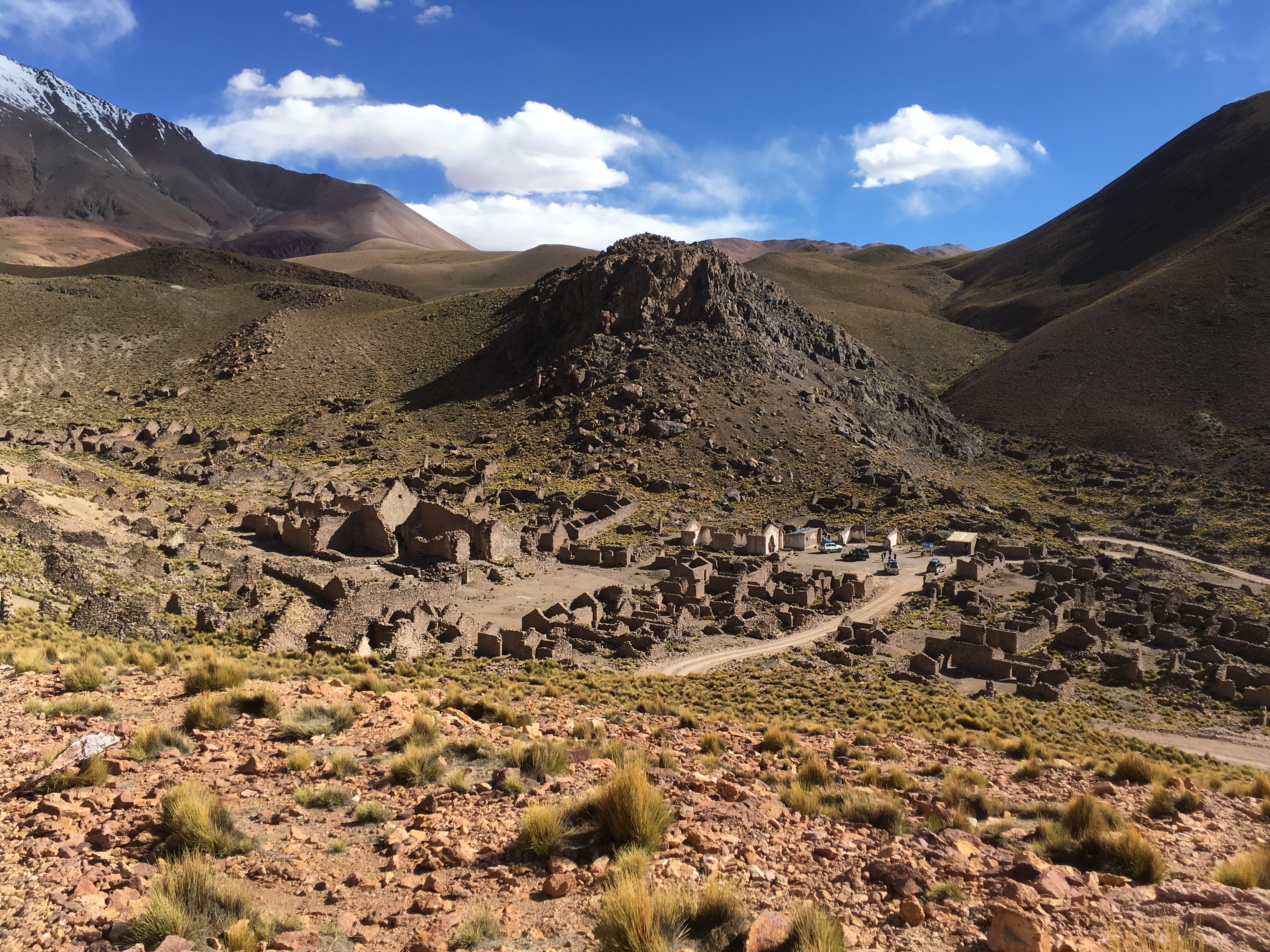
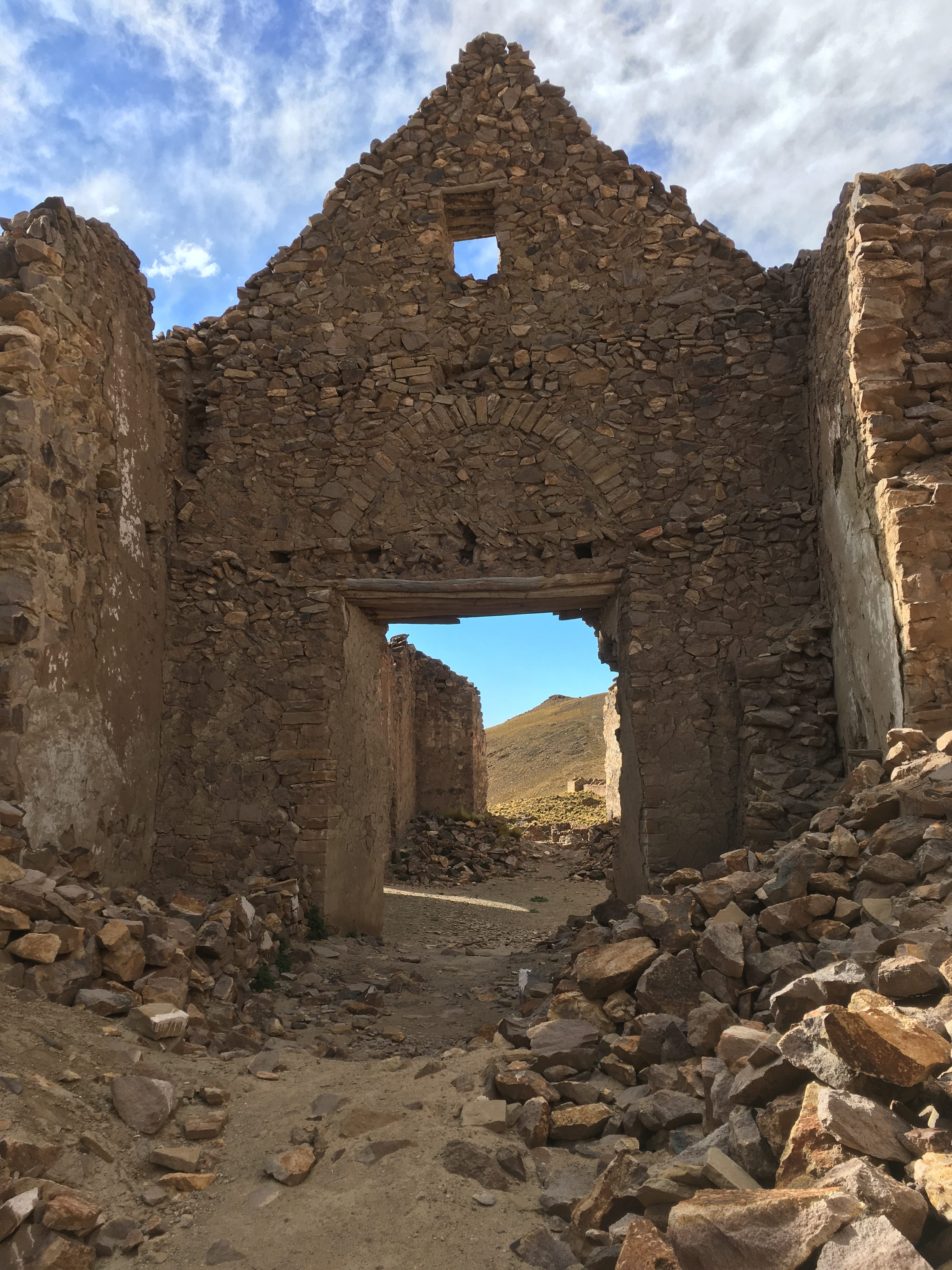
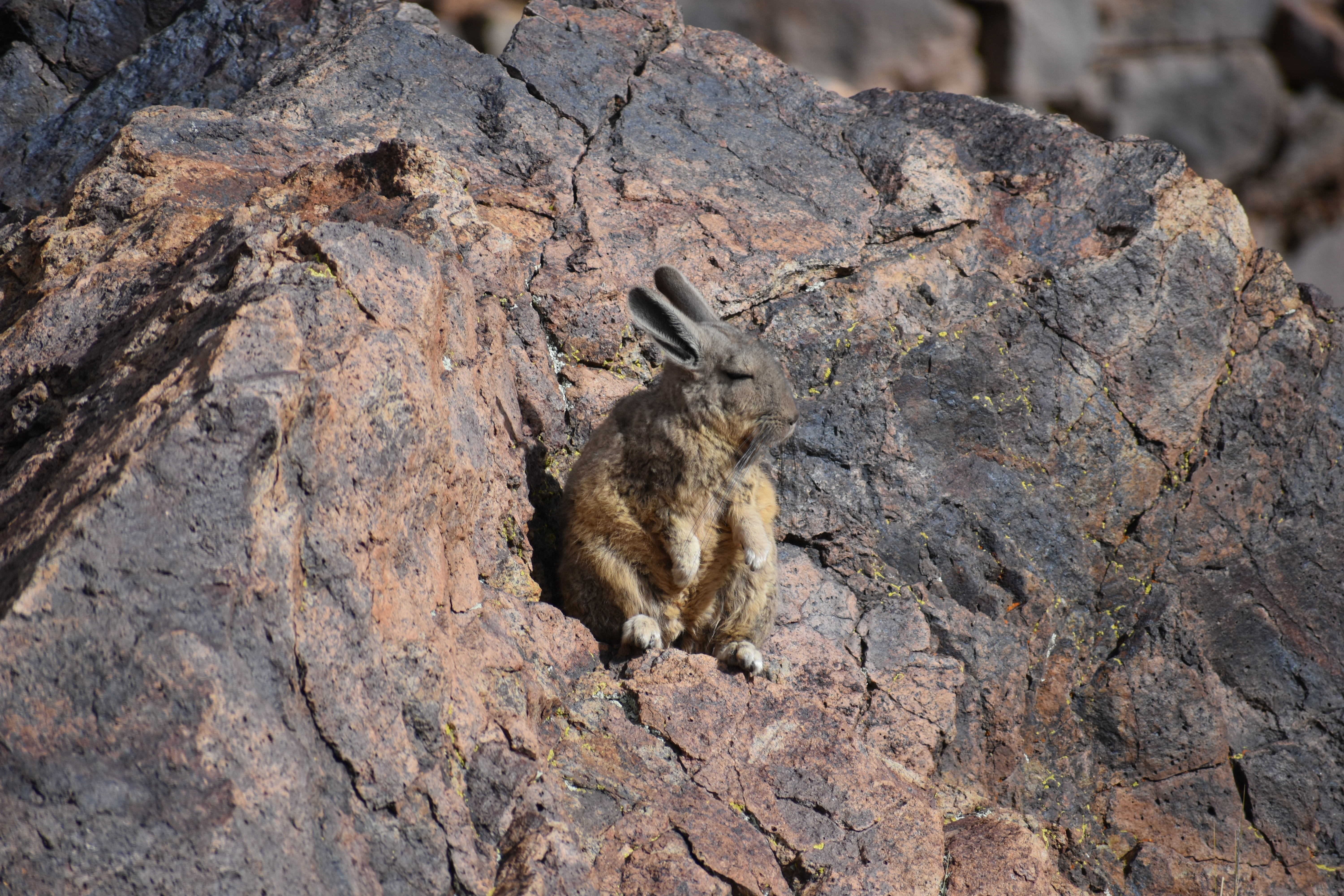
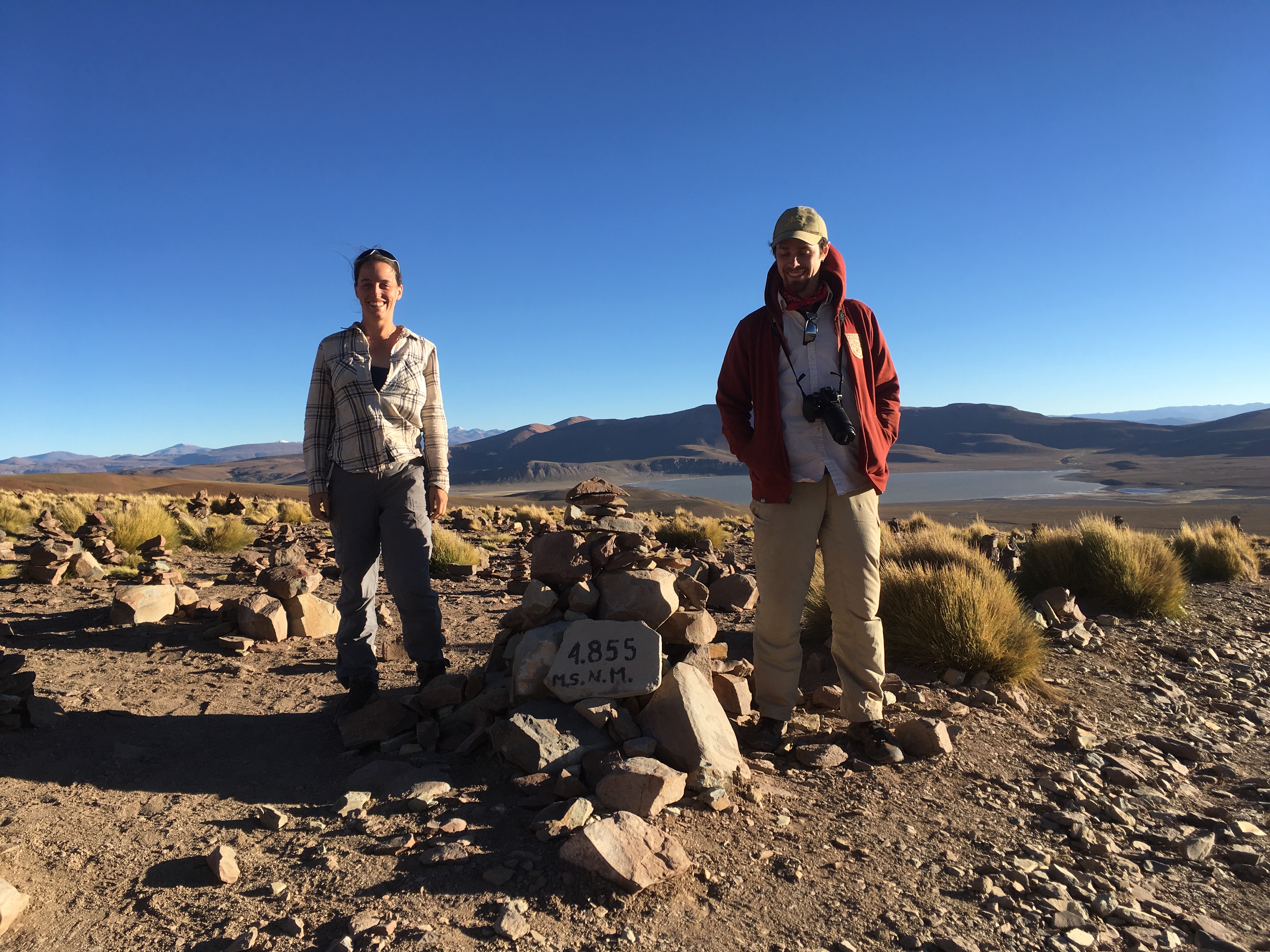
The first day was a long day of driving through beautiful scenery and winding roads with a few stops along the way. We saw the sweeping views down to the Valley of the Moon (the third we’ve seen in South America so far). A little while later we stopped in a wide field to watch some llamas playing. Milton told us to tell him to stop the car anytime we wanted to stop for a photo, so we saw lots of animals along the way as well as plenty of pretty landscapes. In the afternoon, we stopped at Pueblo Fantasma which is an old colonial town, now in ruins. There is an old, very narrow colonial mine that used to produce silver, lead, and zinc, and the remains of a beautiful stone church. The remarkable thing about these ruins is that nothing has been done to uncover or restore them and yet they are surprisingly well preserved. While at the colonial ruins, we spotted a viscacha, which is a native South American rodent that looks like a rabbit with a long tail, but is in fact not related to the rabbit, sunning himself on a rock. Afterwards we drove to the highest point for the day: 4,855 meters (almost 16,000 feet) where we had a beautiful view. From there, we made a beeline for the hostel as it was starting to get dark. We arrived just after nightfall at a private house (we were the only guests) in Quetena Chica where we were served a delicious meal and went to bed. The accommodations were basic (mattresses on concrete “bedframes”, no lights in the bathroom, no water to flush the toilet in the morning, and no heat), but the beds were comfortable and warm and we slept well.
Day 2:
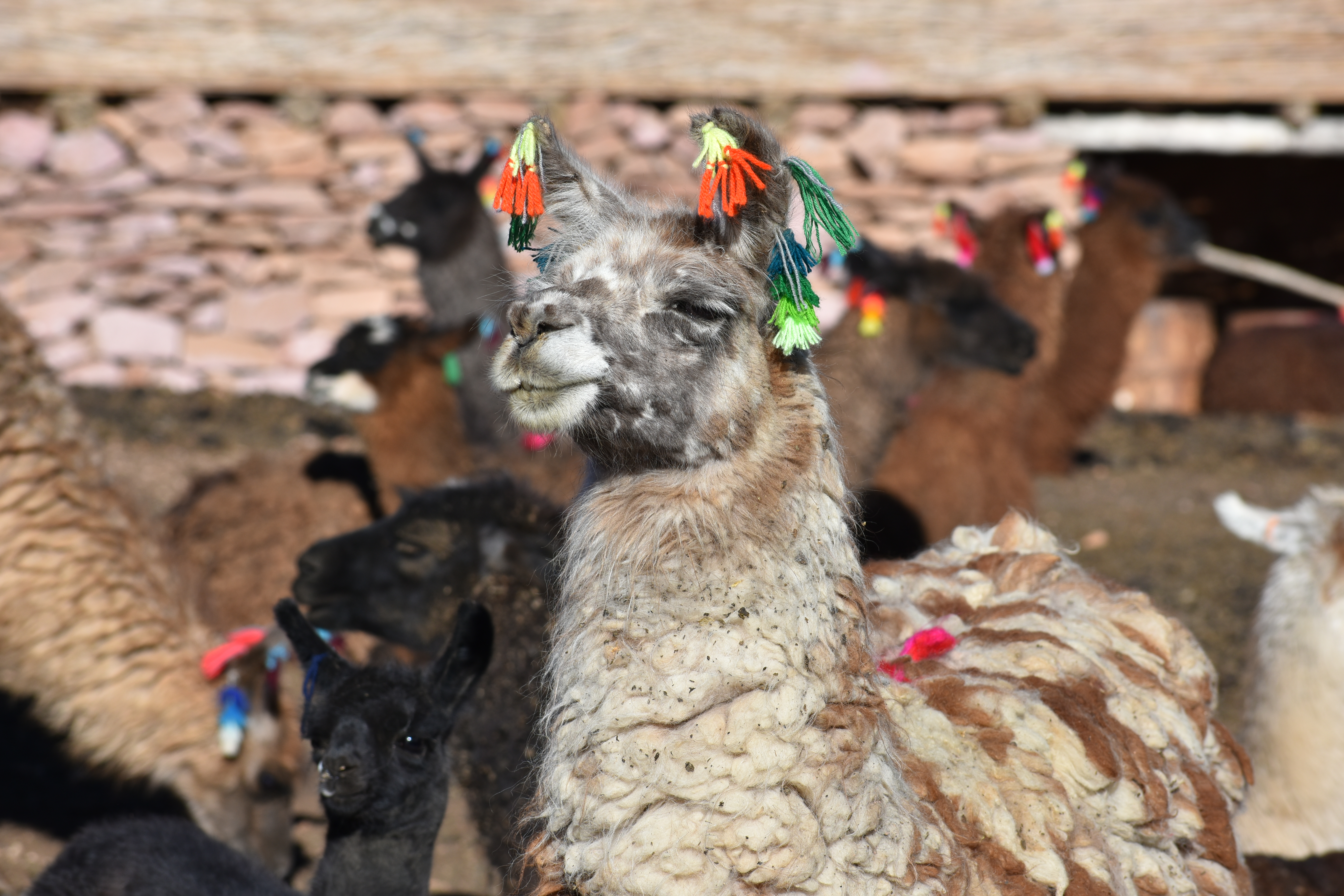
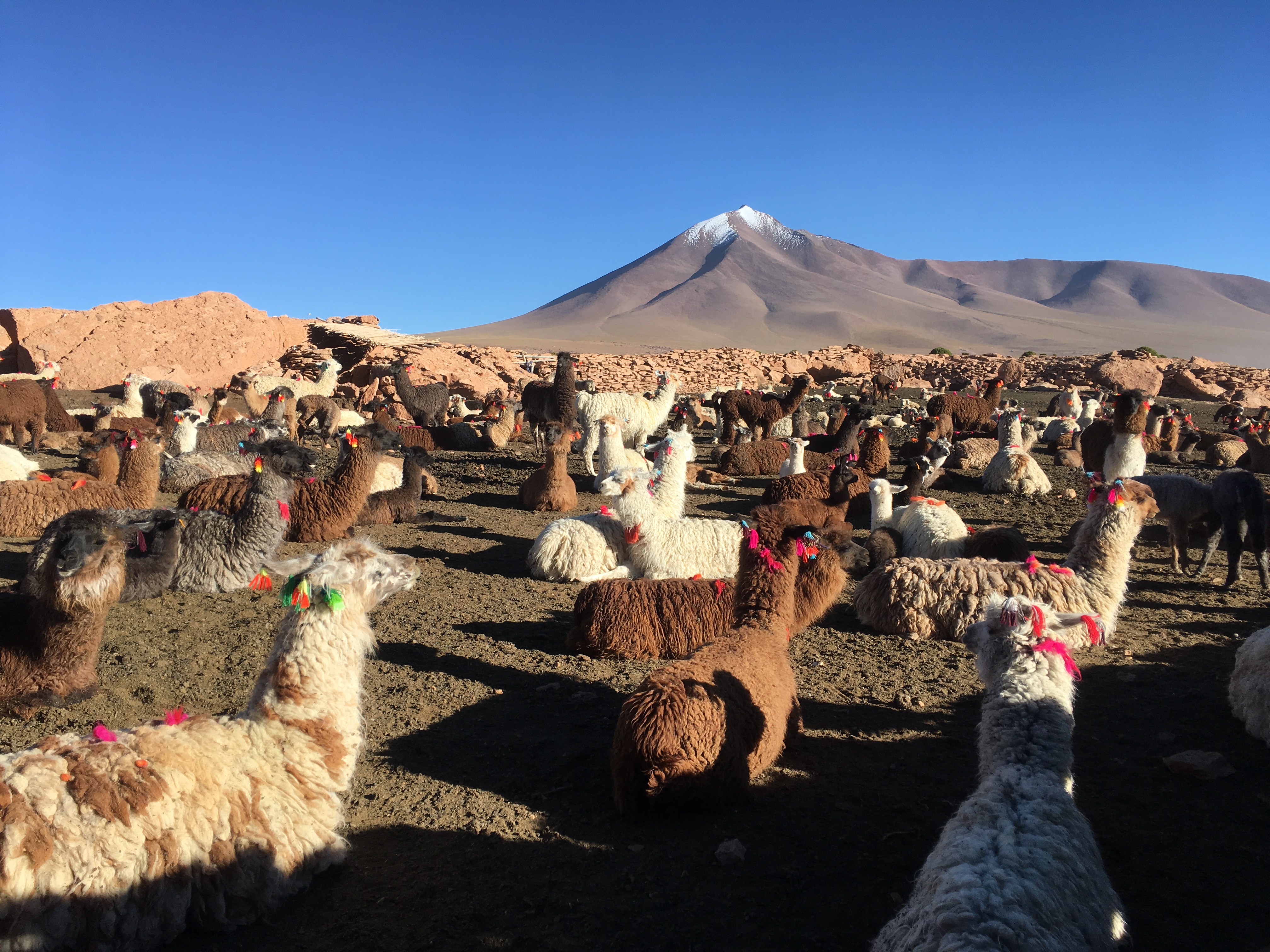
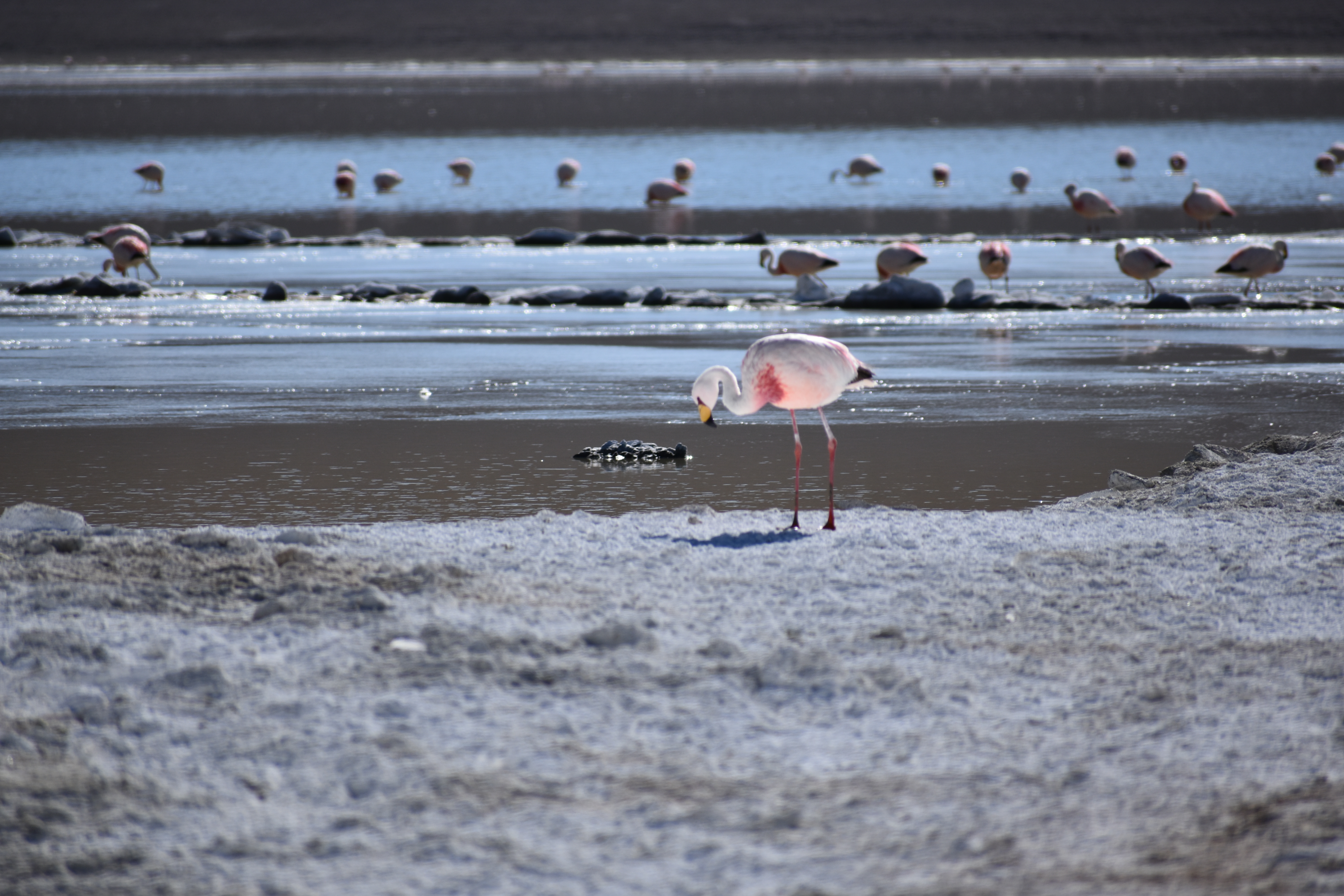
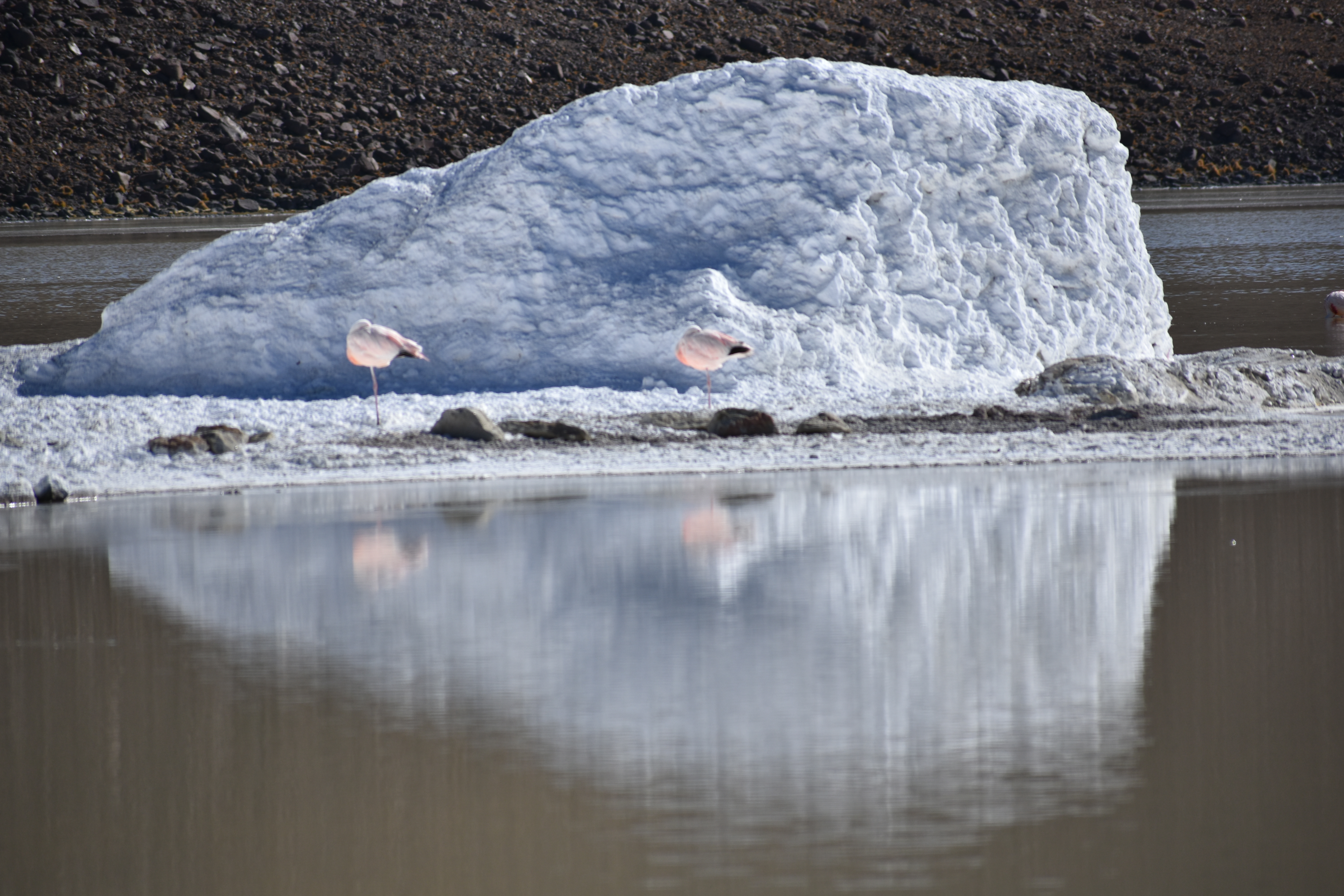
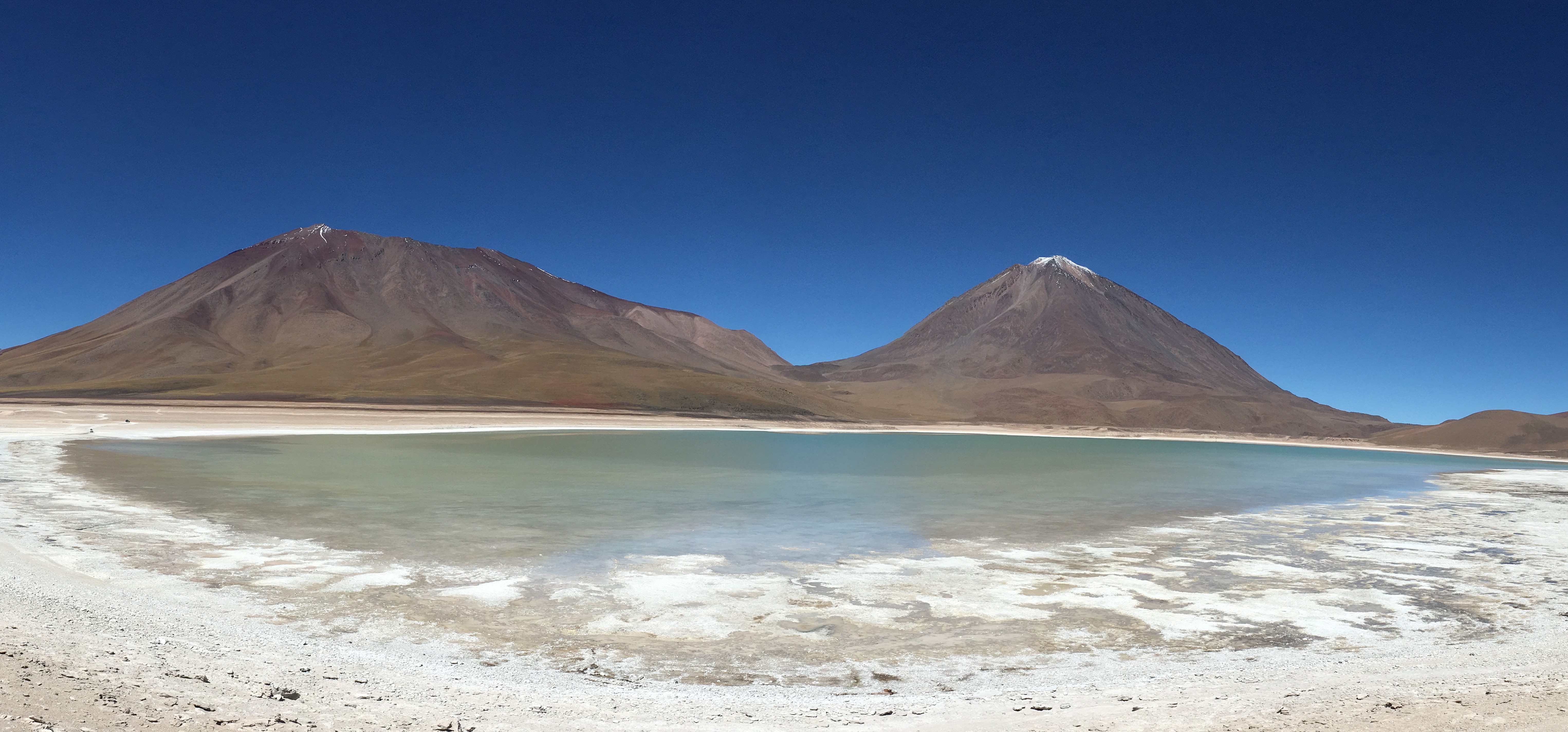
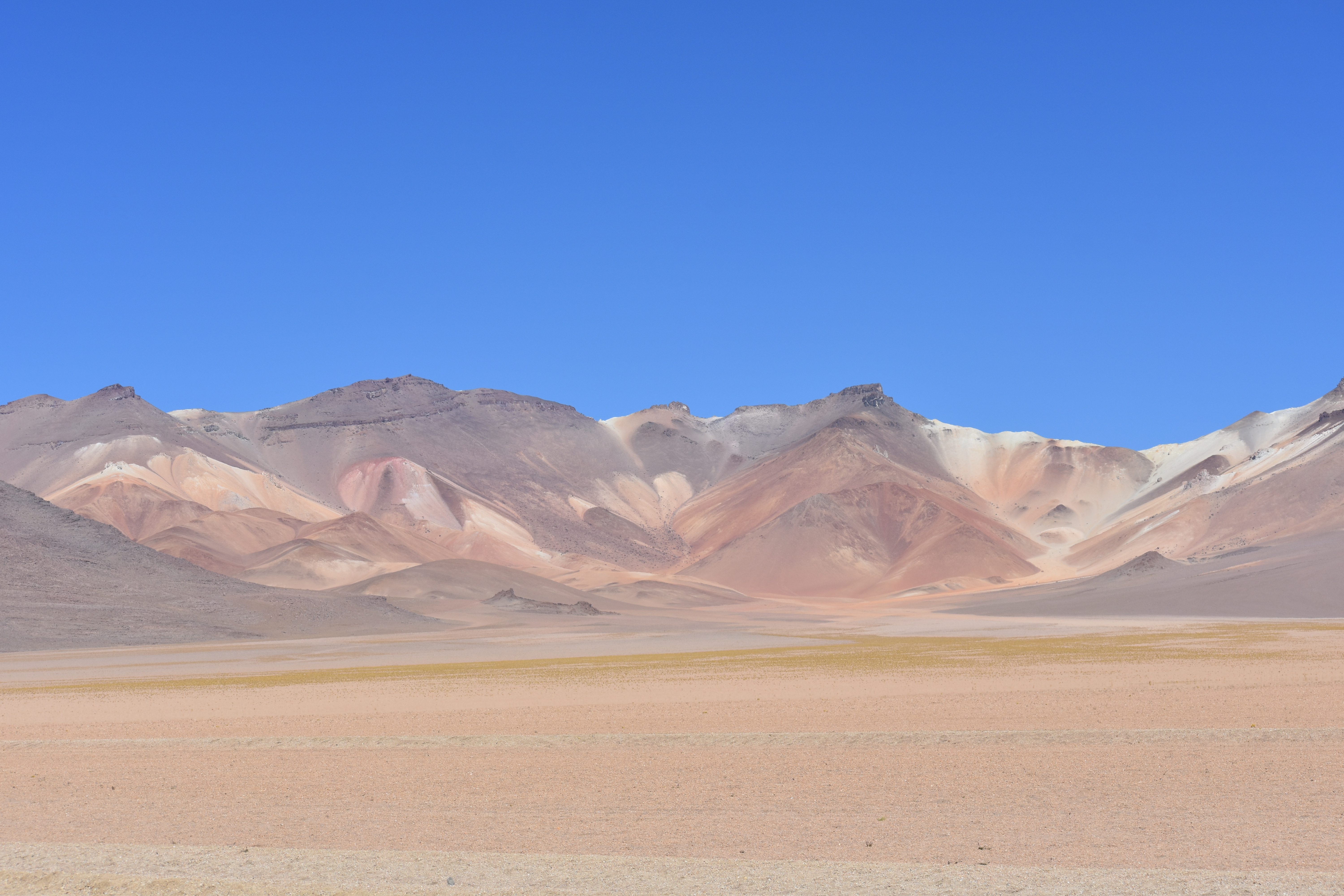
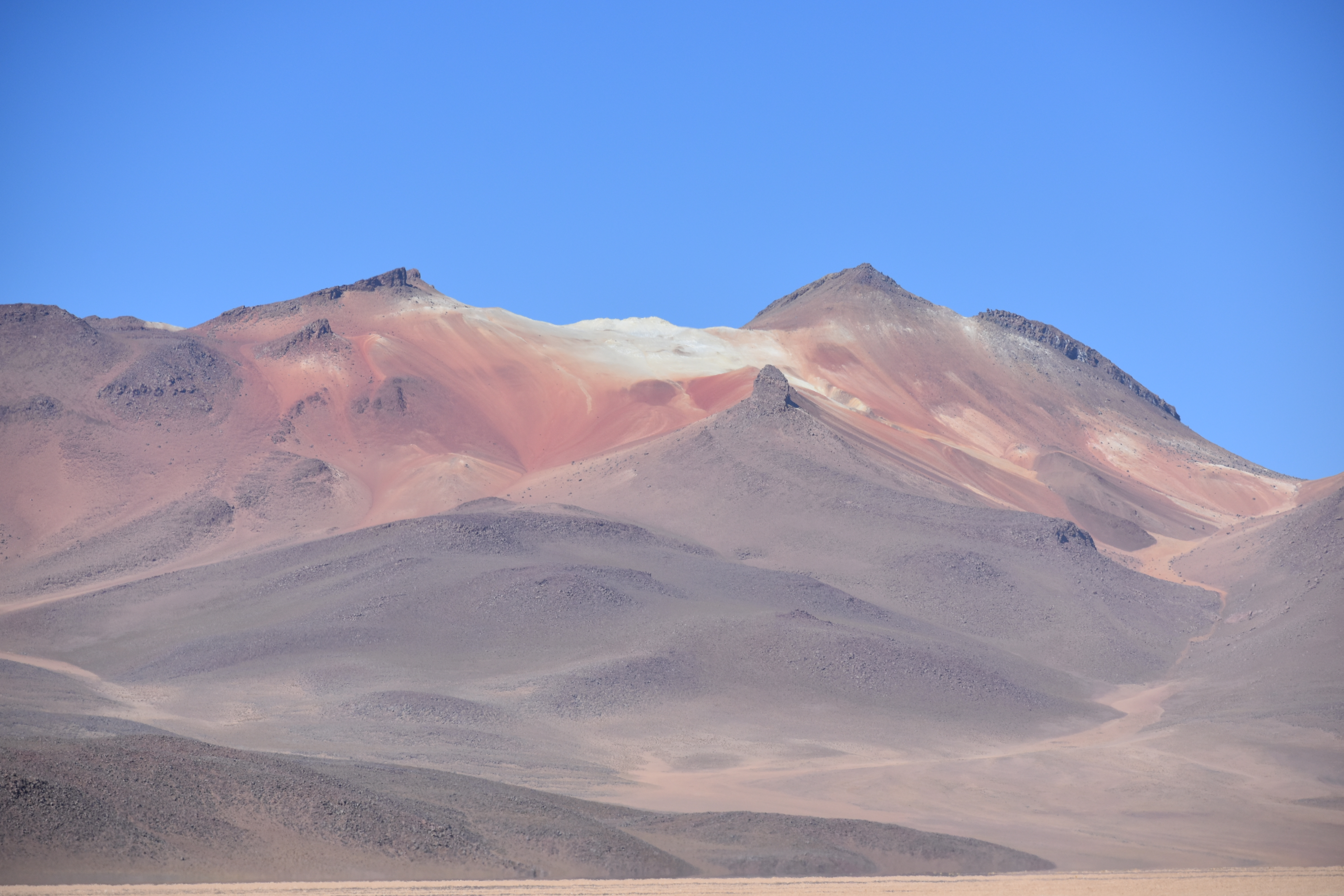
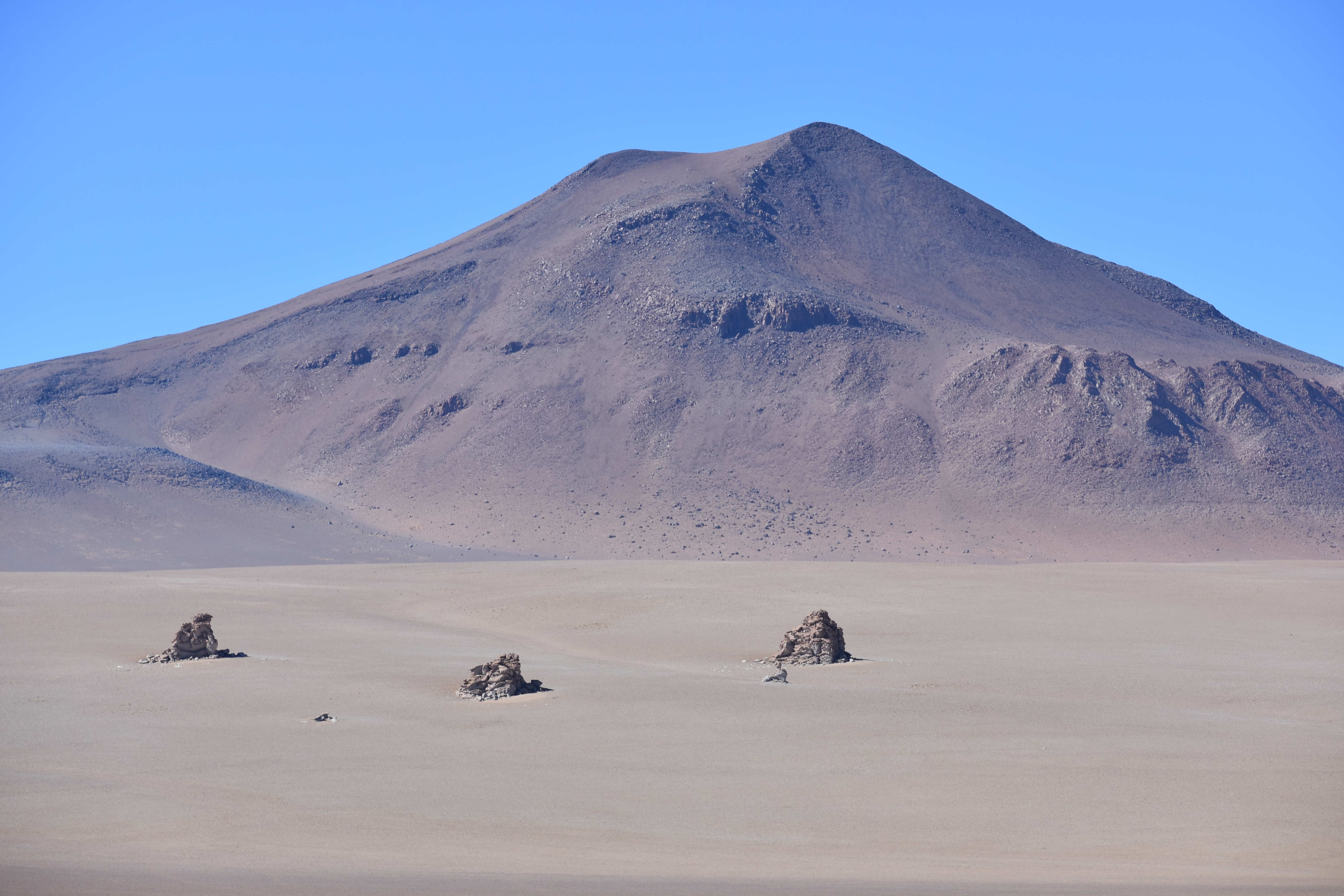
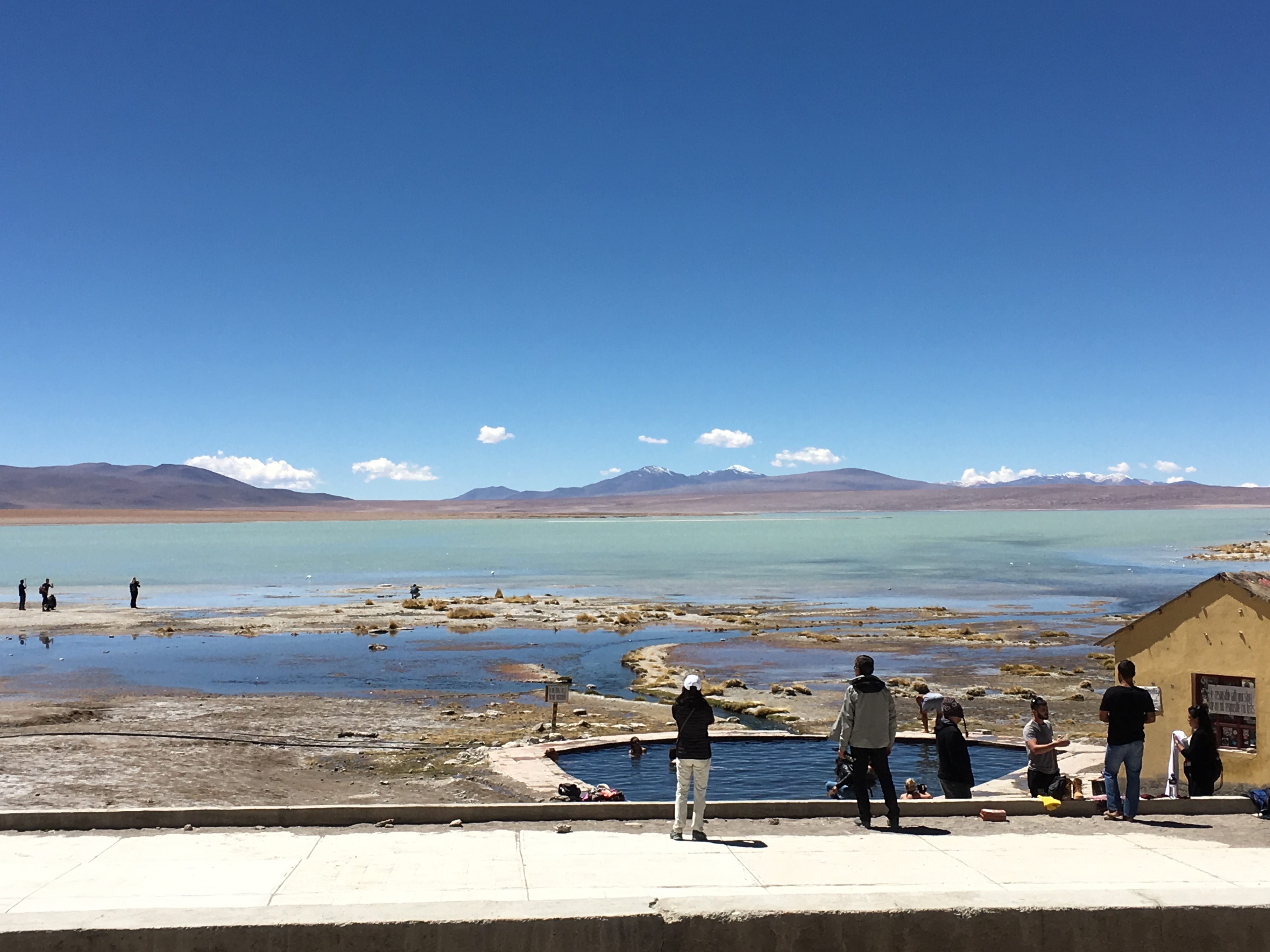
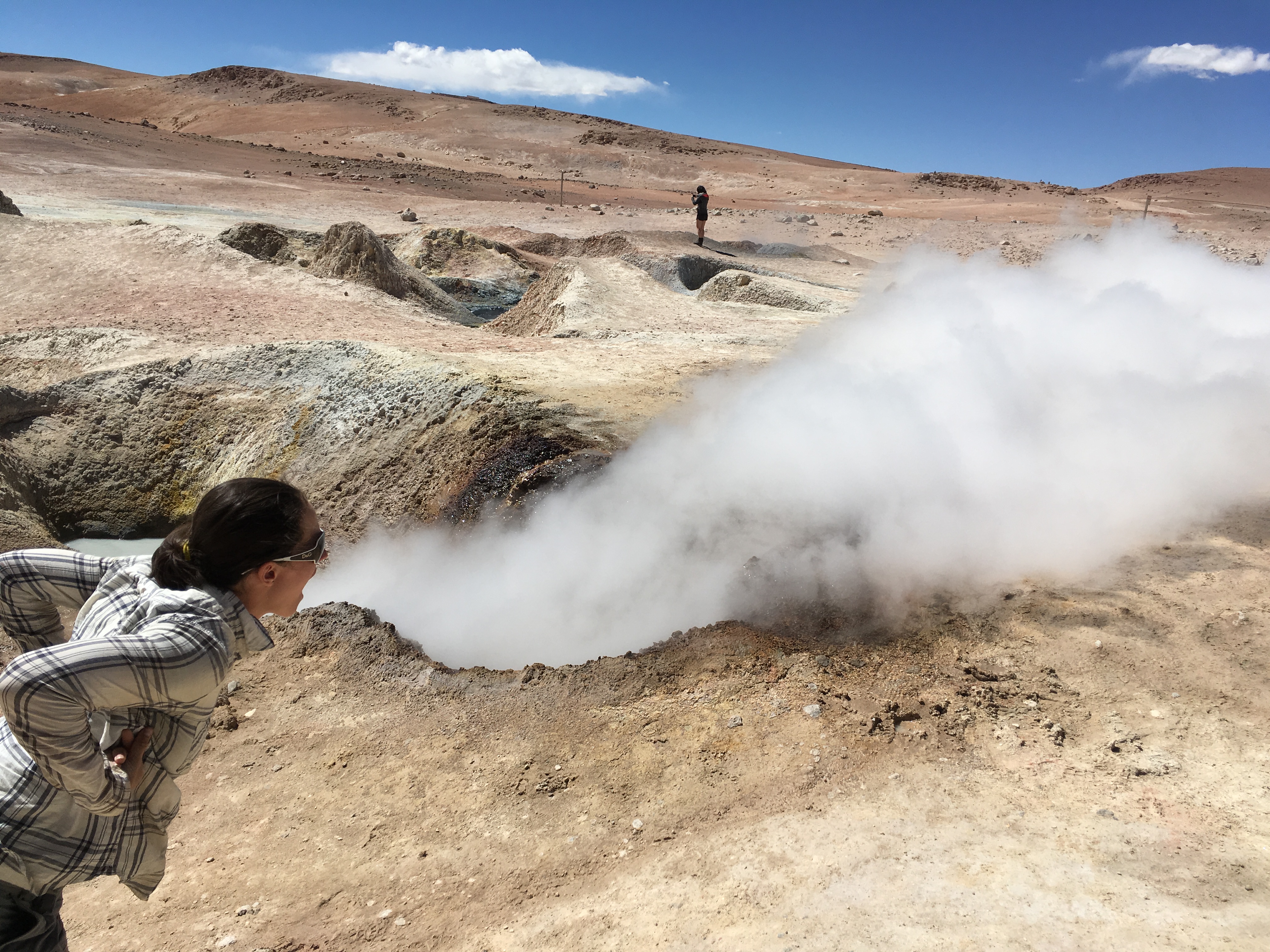
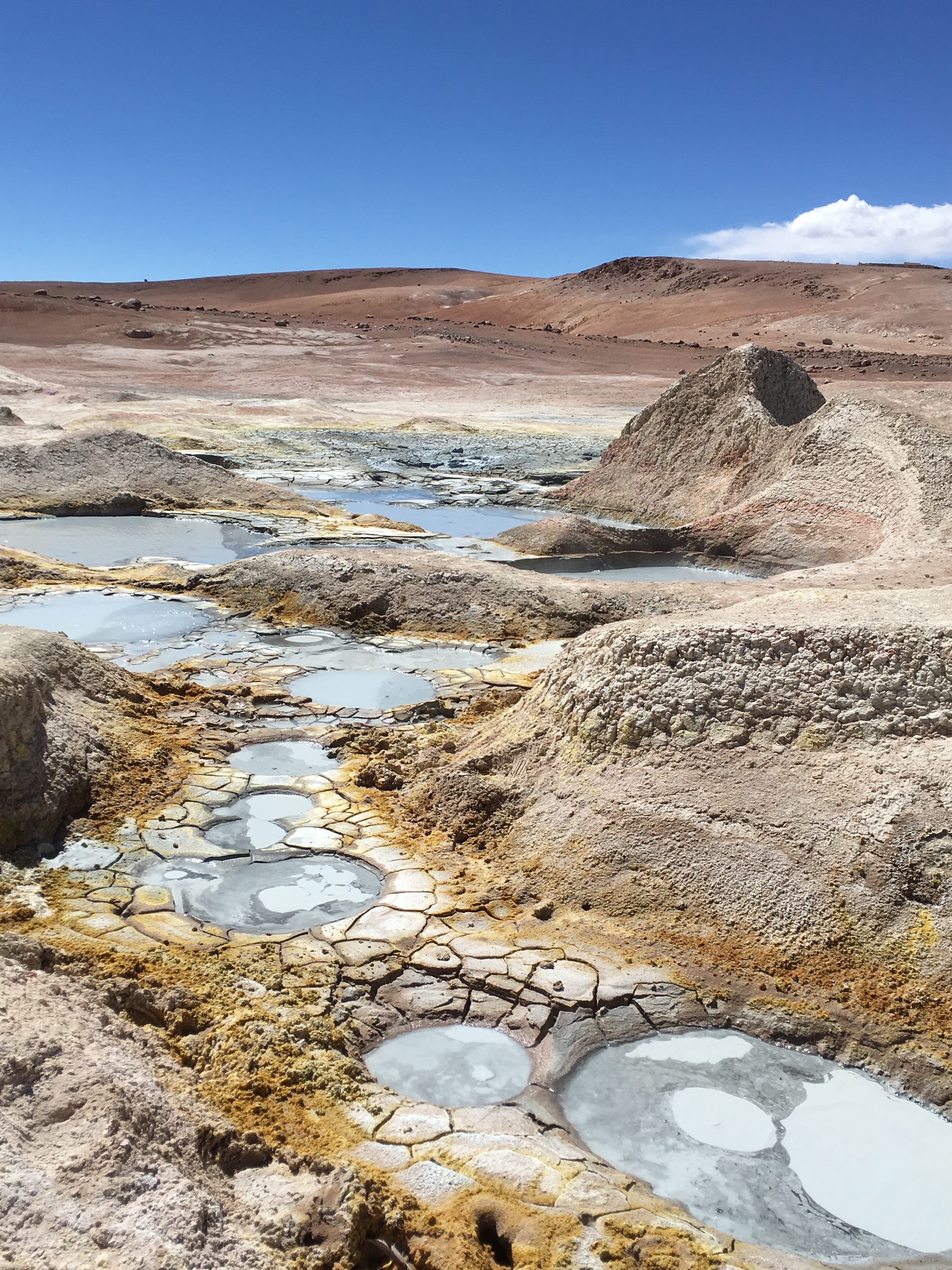
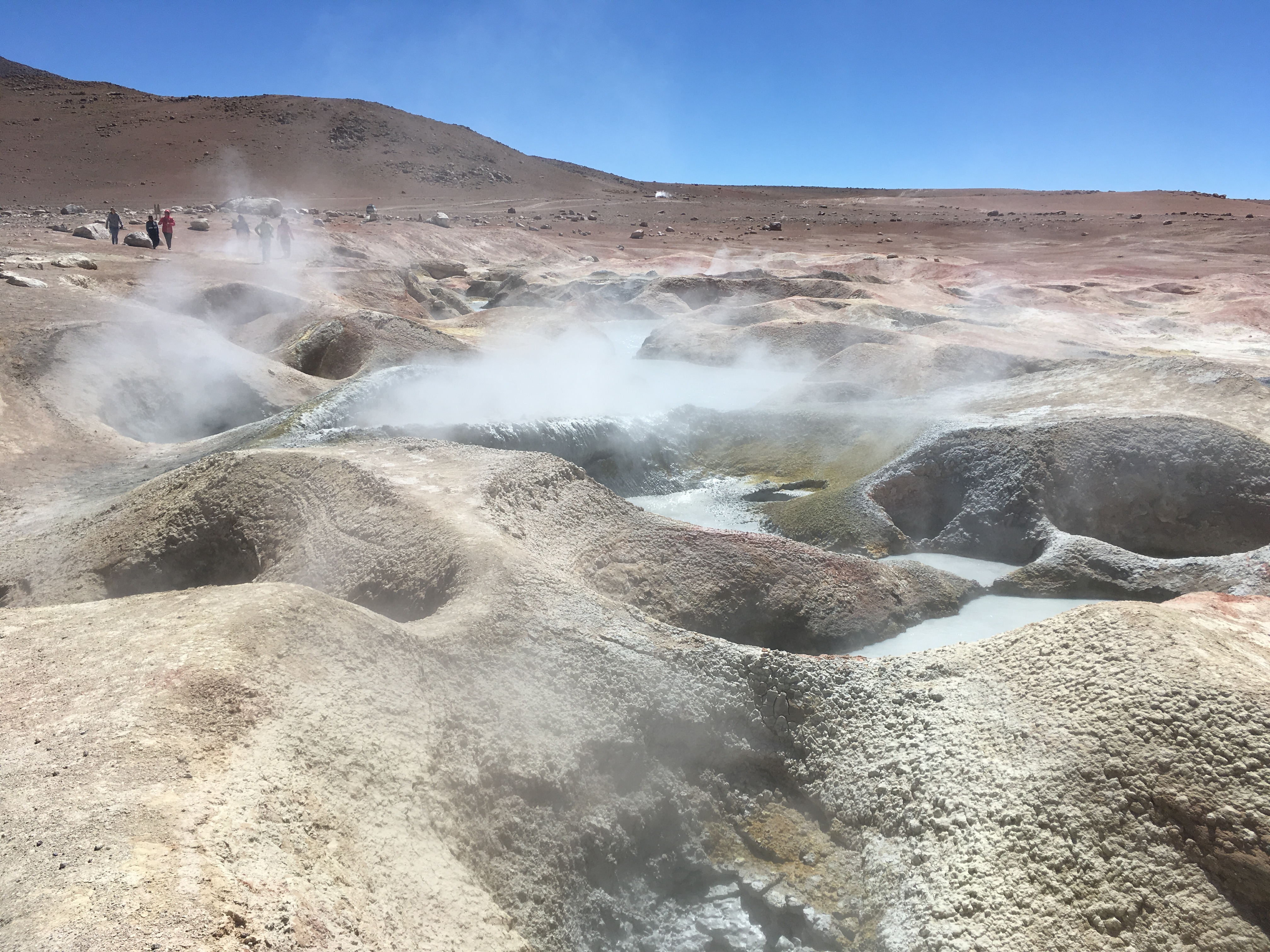
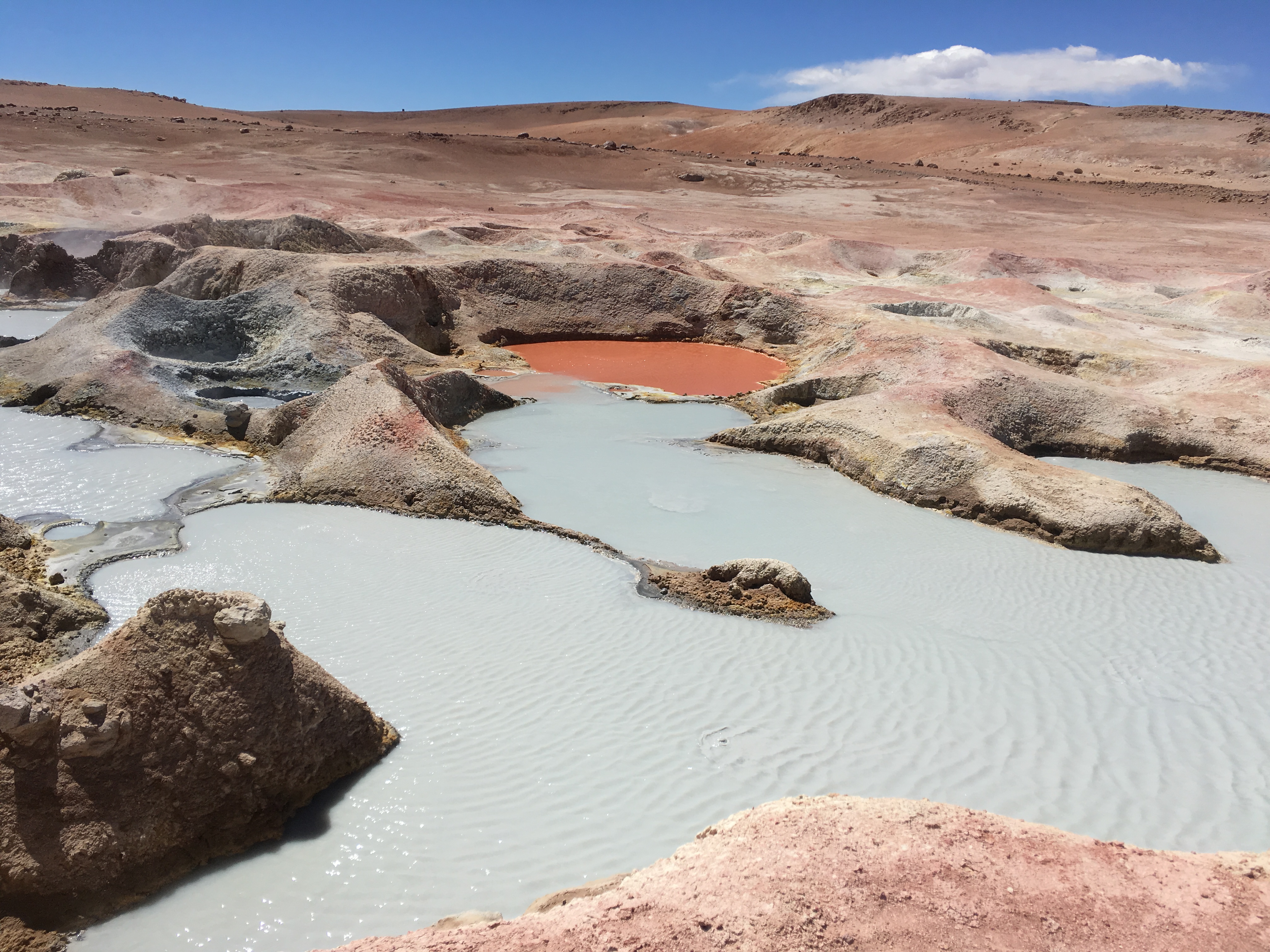
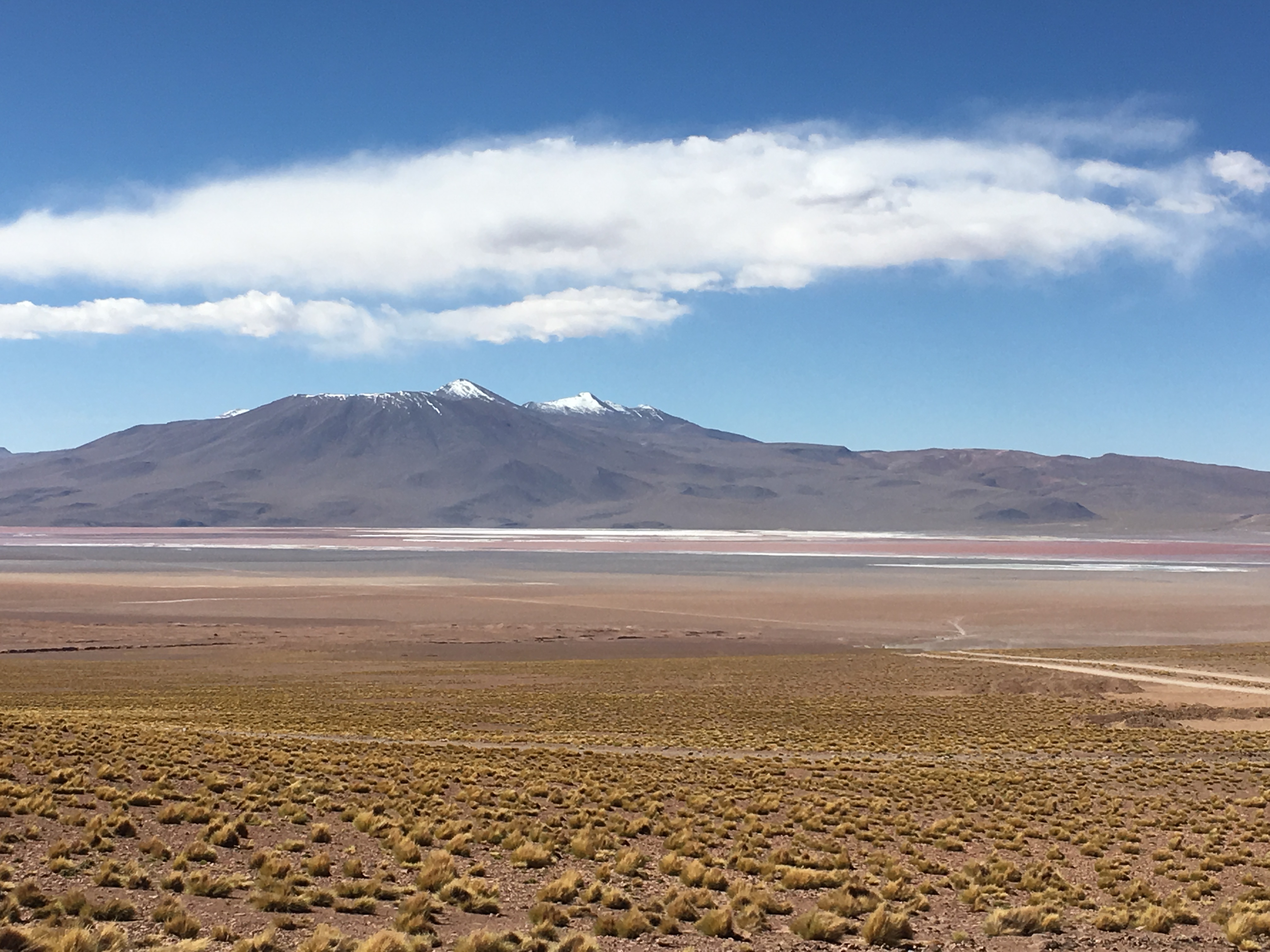
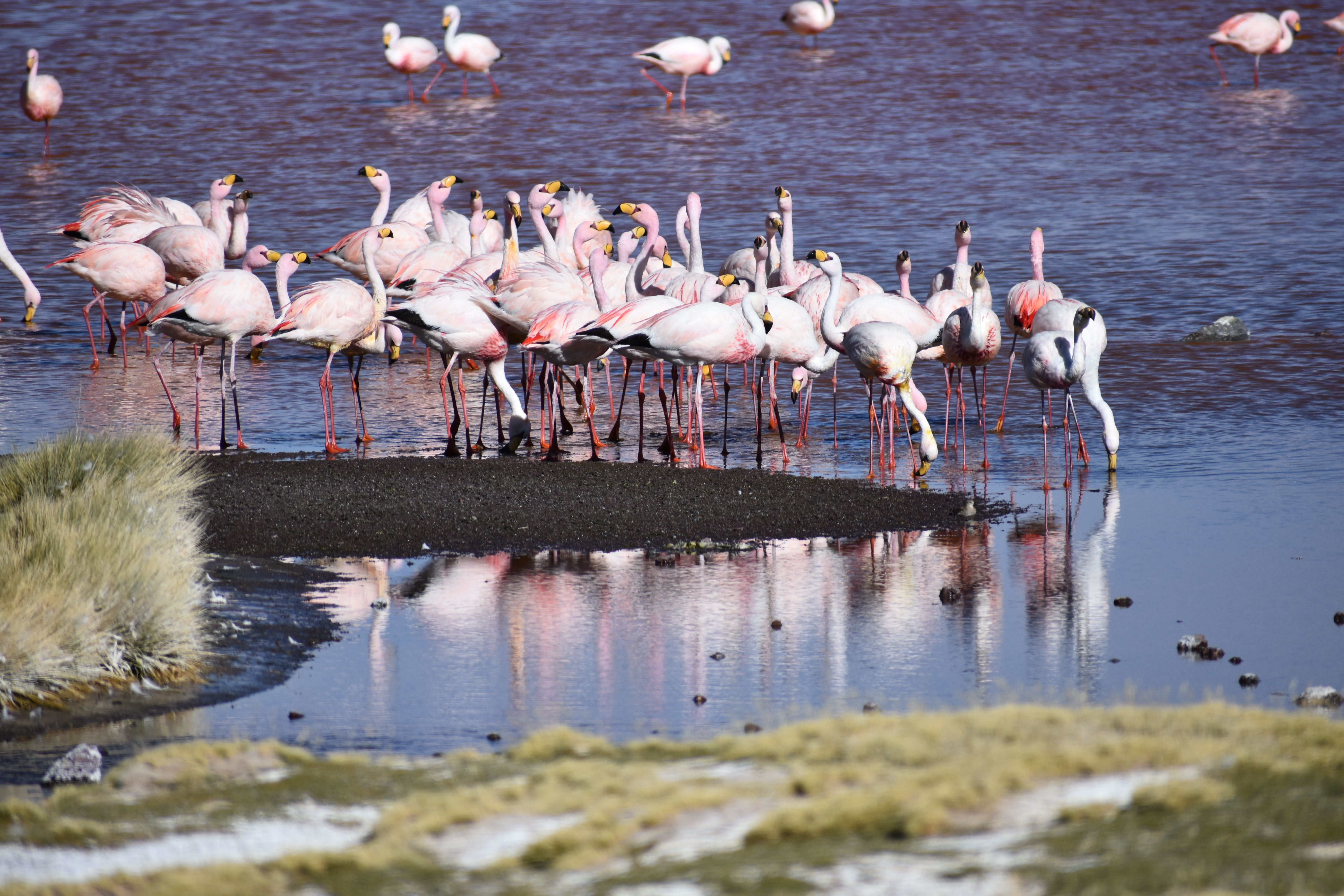
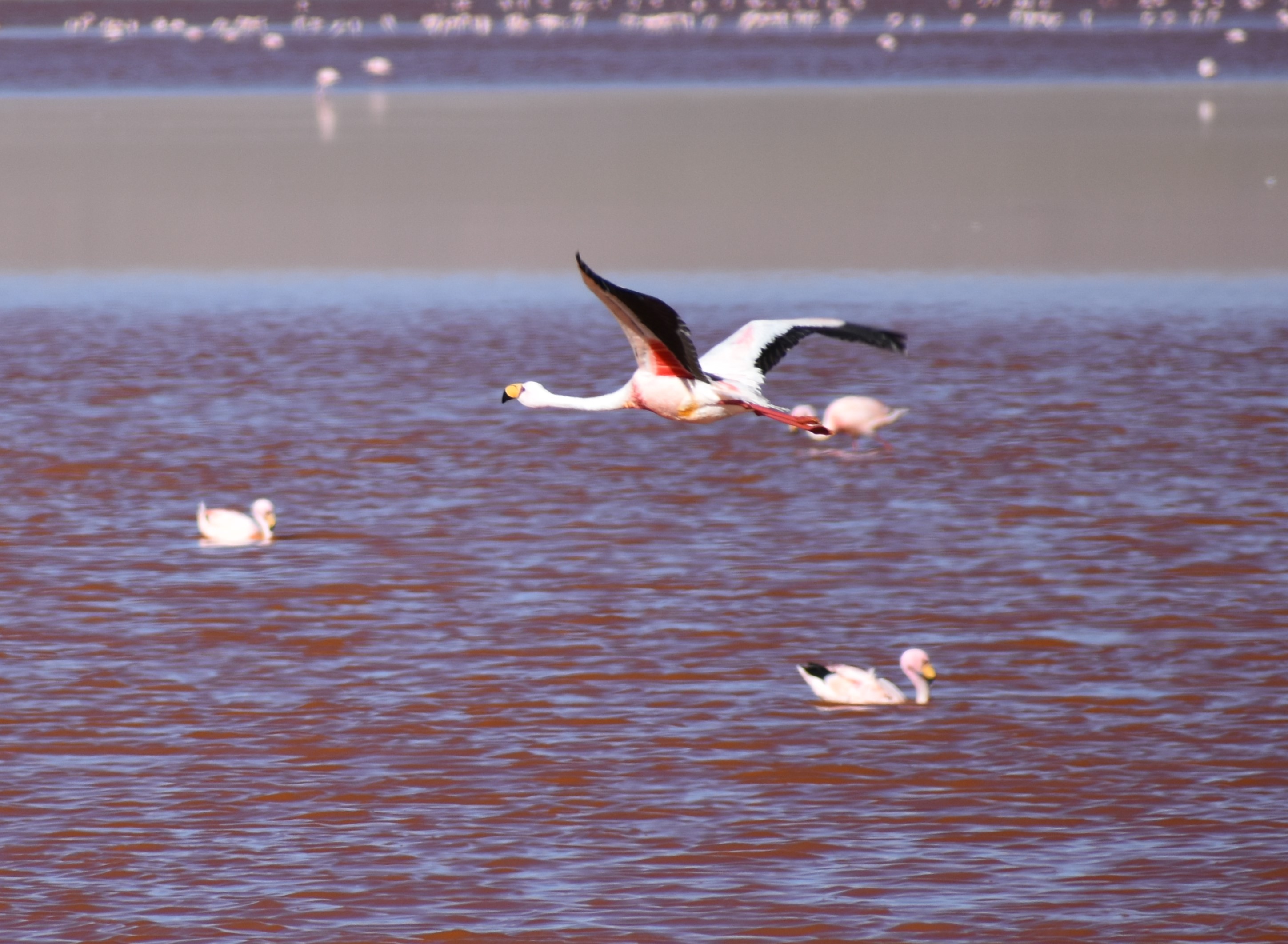
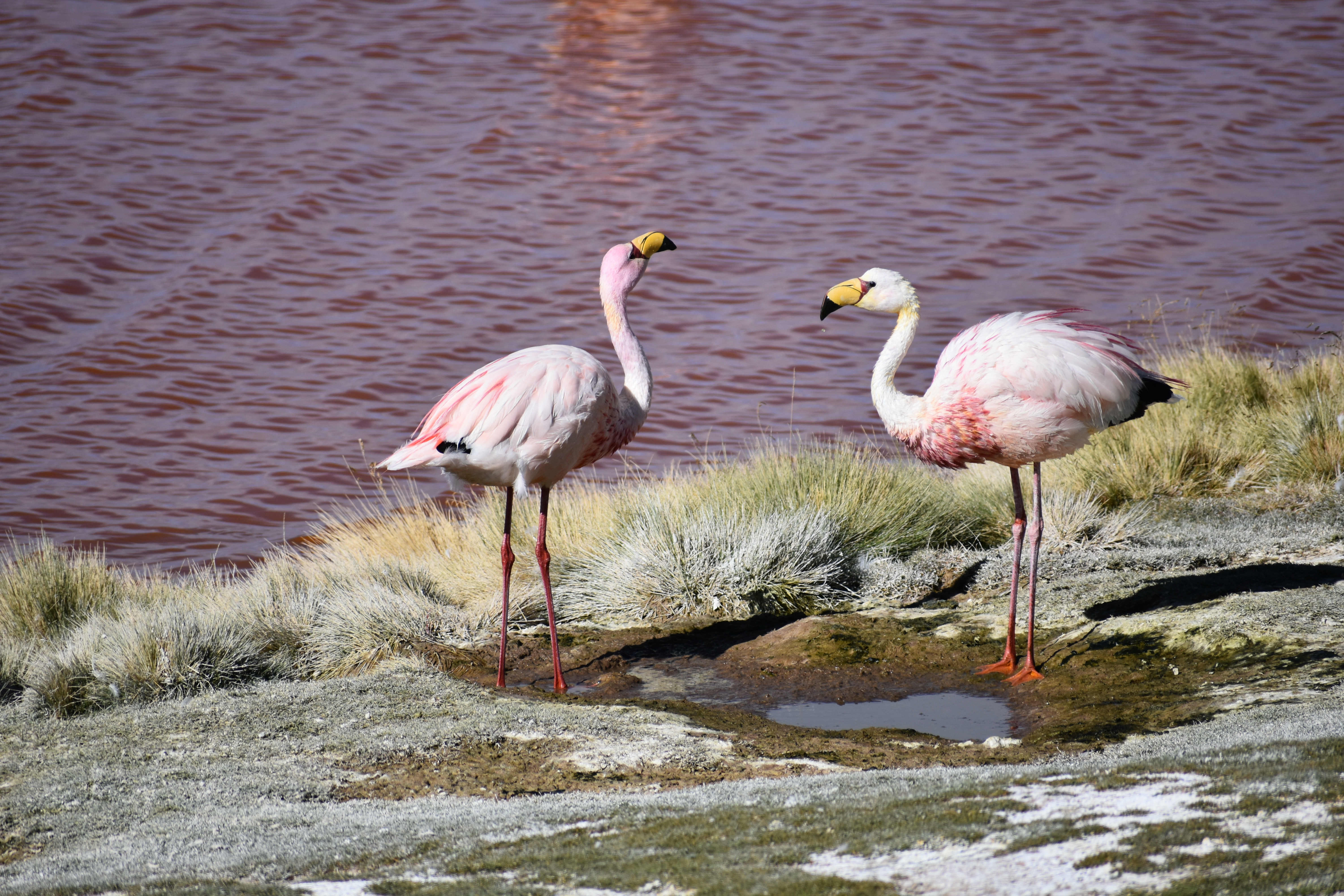
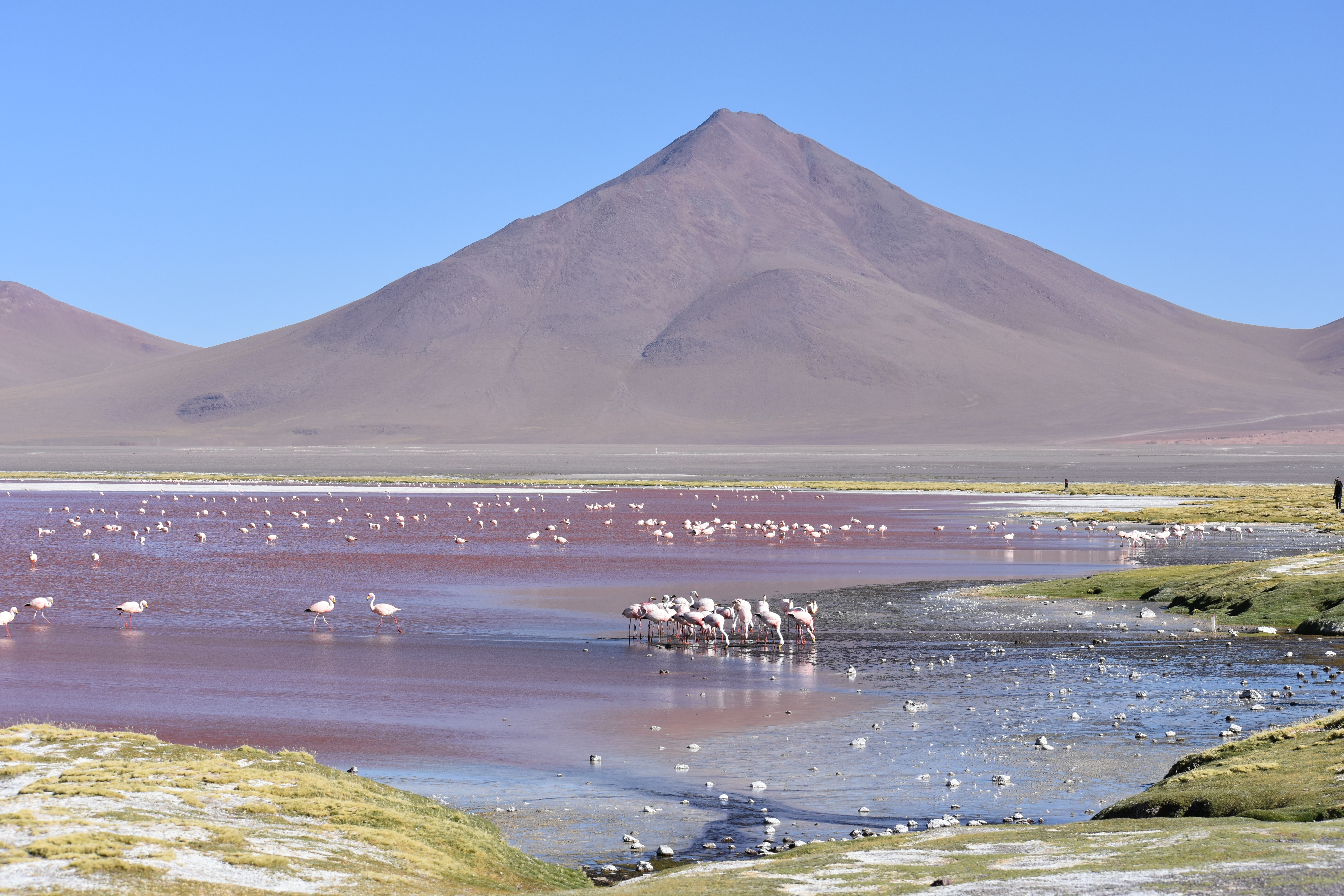
We woke up early the next day, had breakfast, and were on the road by 8am. Our first stop was to a house where llamas live when they are not out grazing. After that we saw a series of lakes on our way towards the Chilean border. Each of the lakes has a different characteristic and usually a different color based on the minerals in the nearby mountains. Laguna Kollpa has a natural cleaning agent (kollpa means shampoo in Quechua) which is harvested and sold as detergent. Laguna Verde (Green Lagoon) is located at the base of Volcano Licancabur on the Bolivia-Chile border. It changes from normal lake color to green at a particular hour of the day depending on the wind which stirs up the arsenic and copper minerals. We drove through the Salvador Dali desert on the way south. Salvador Dalí desert is so named because it is colored similar to many Dalí paintings and some people think the colors look like they are melting. Afterwards, we drove up to Aguas Termales, the hot springs for a short dip and lunch and then continued on to the Sol de Manana geysers. Finally, we arrived at the highlight of day two: Laguna Colorada. This was Eric’s favorite part of our Uyuni tour and a highlight of our entire South America trip. The lake is huge and most of it is a shocking red color due to marine algae. There are also TONS of flamingos that are fascinating to watch as they drink water in synchronized fashion, swim(!) on the lake surface, fly from one part of the lake to another, and get spooked by tourists who are too close. Flamingos can move very quickly when they want to. Milton was amazing about letting us linger as long as we wanted reasoning it as our tour, but here we might have overdone it a bit admiring the flamingos. When we were finally done, we got in the car and drove to our second hostel. This hostel had a lot more people in it and was also basic, but the beds were even more comfortable, and there were hot showers for 10 bolivianos ($1.67) if you wanted them.
Day 3:
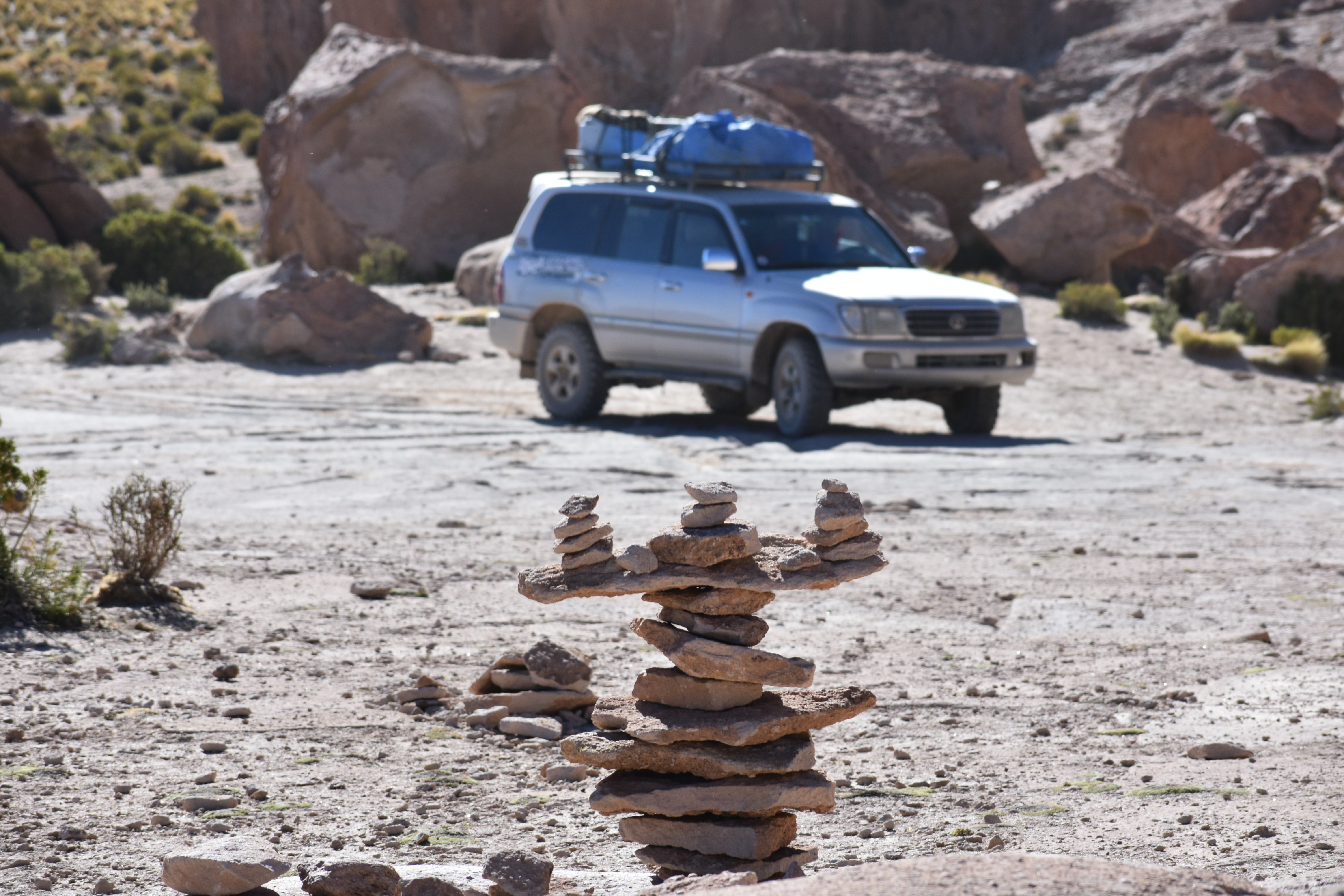
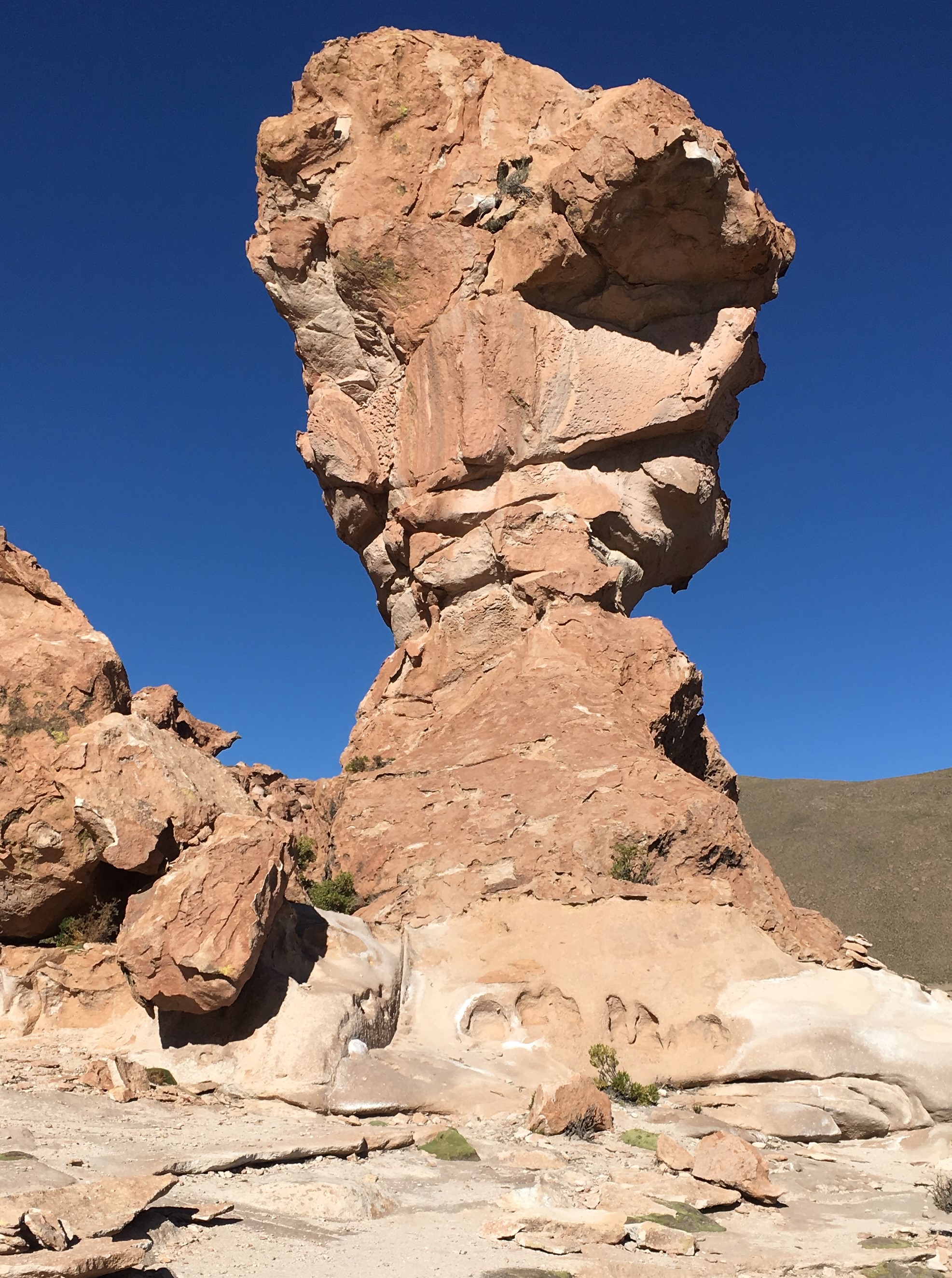
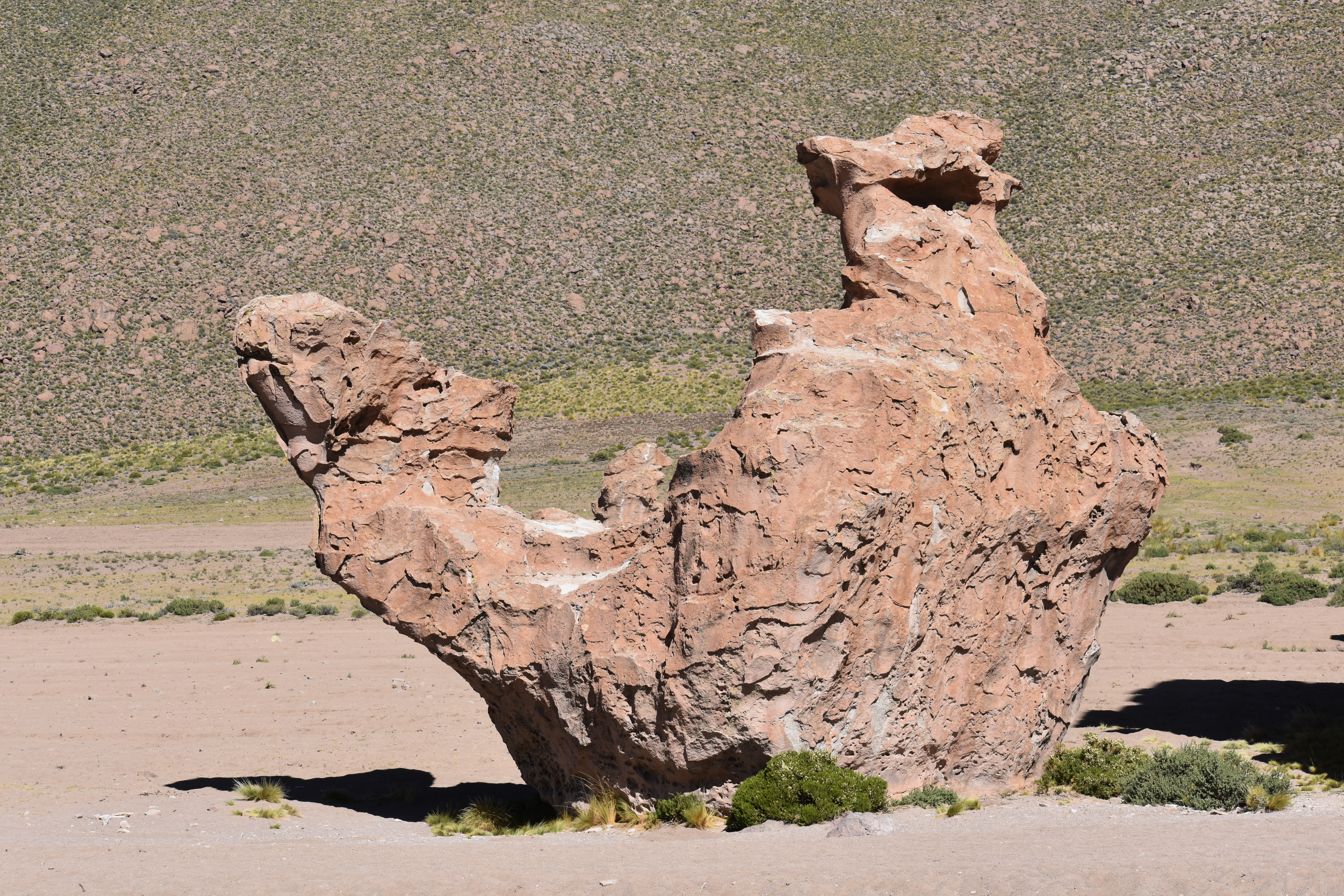
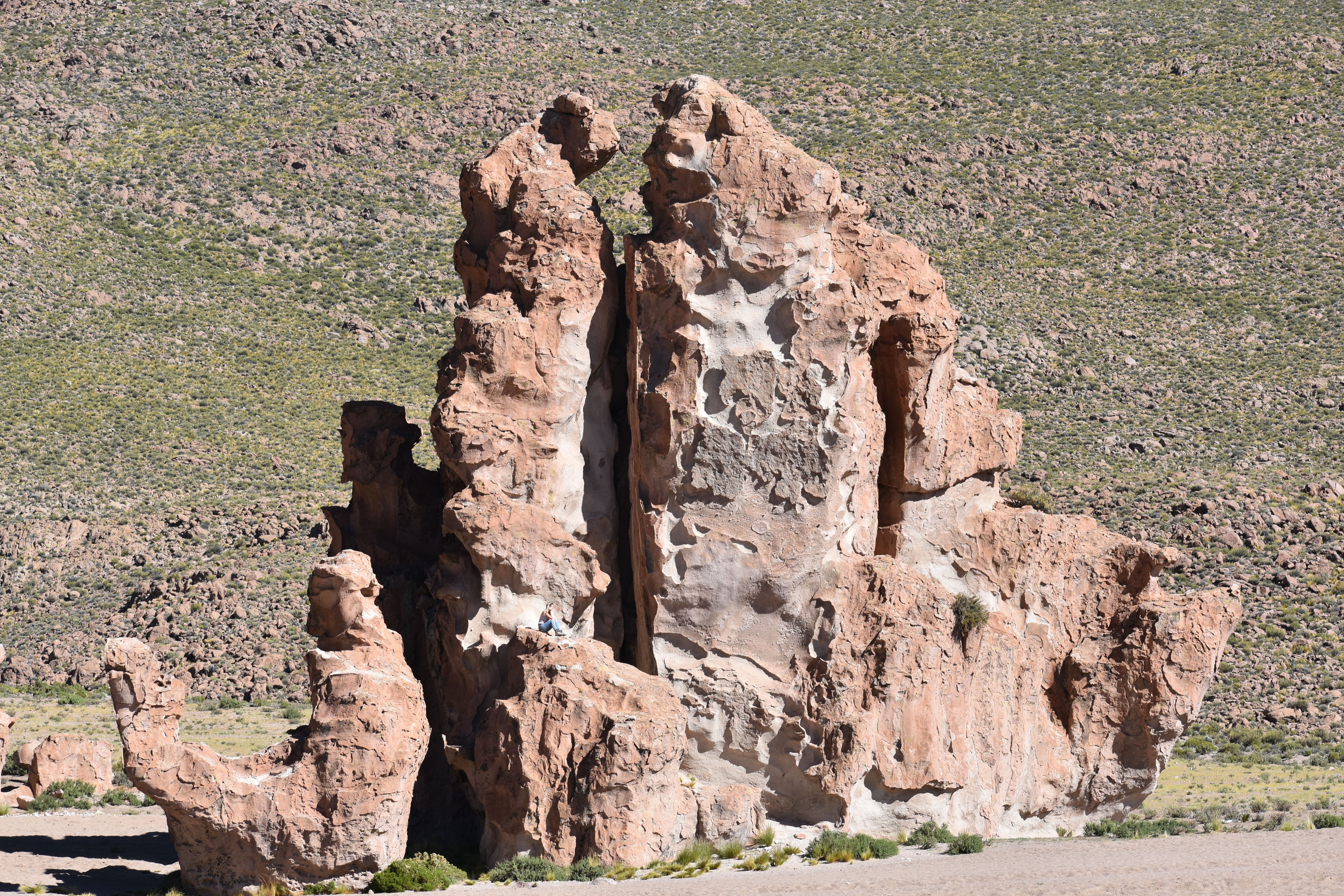
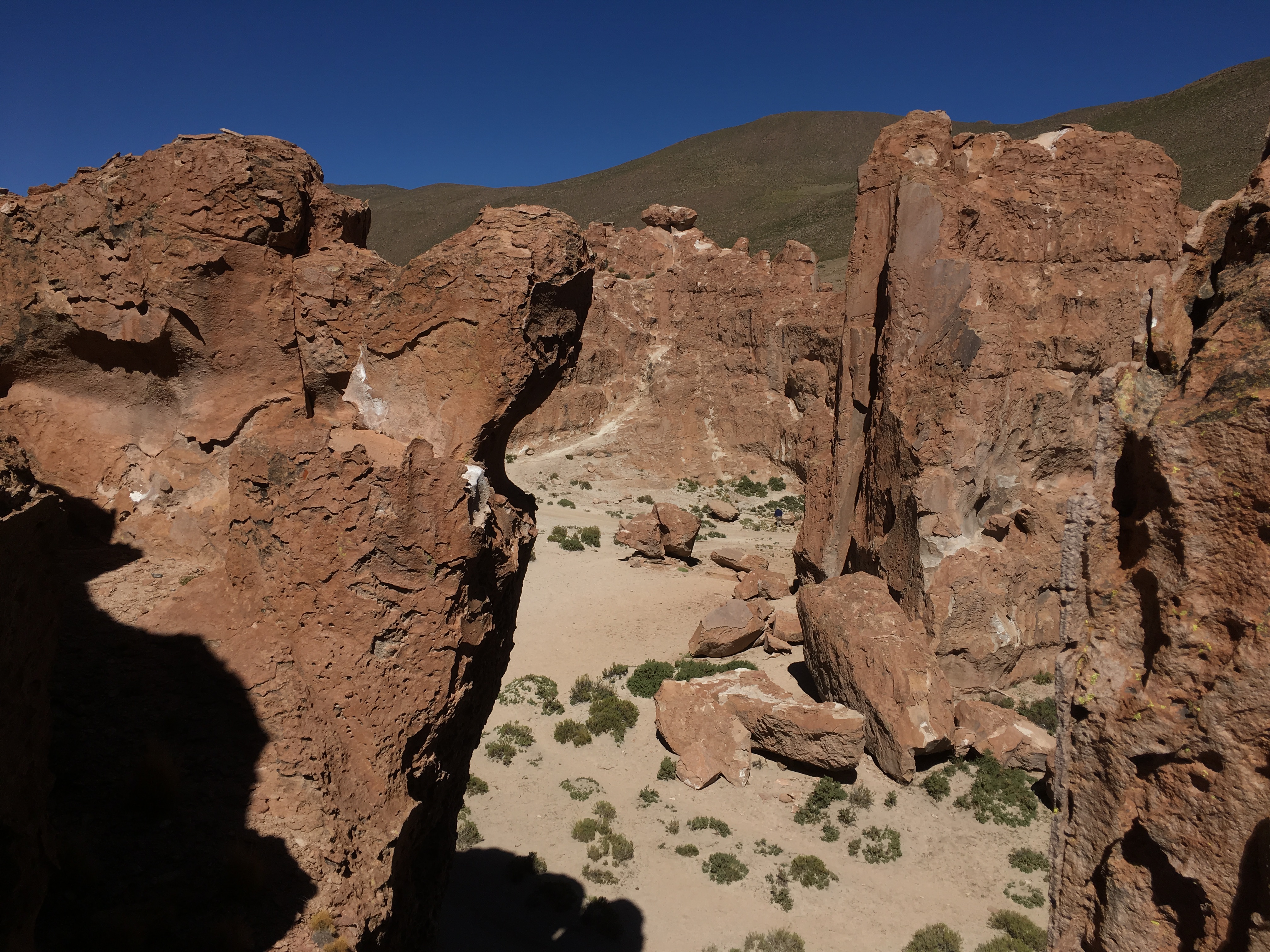
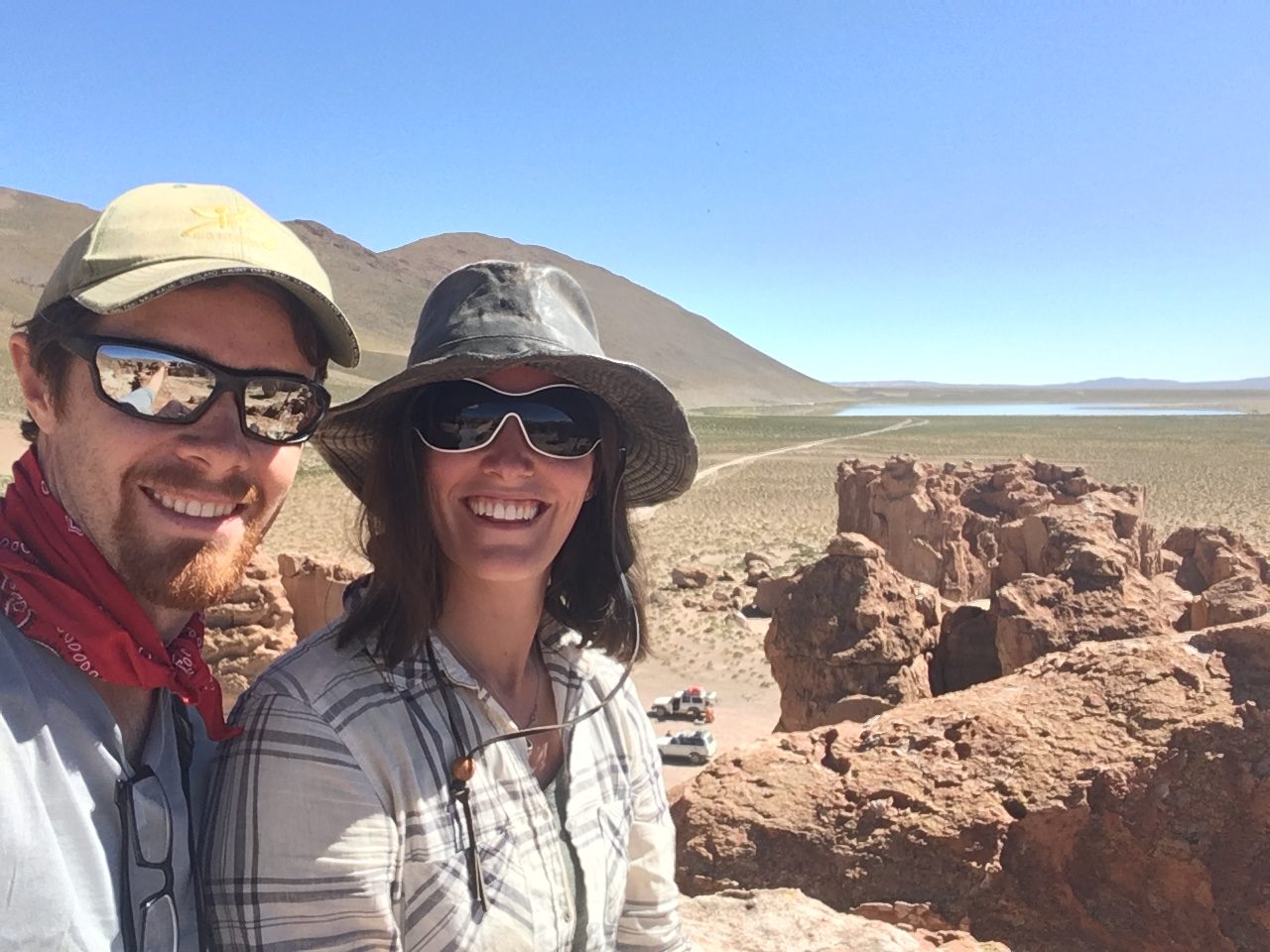
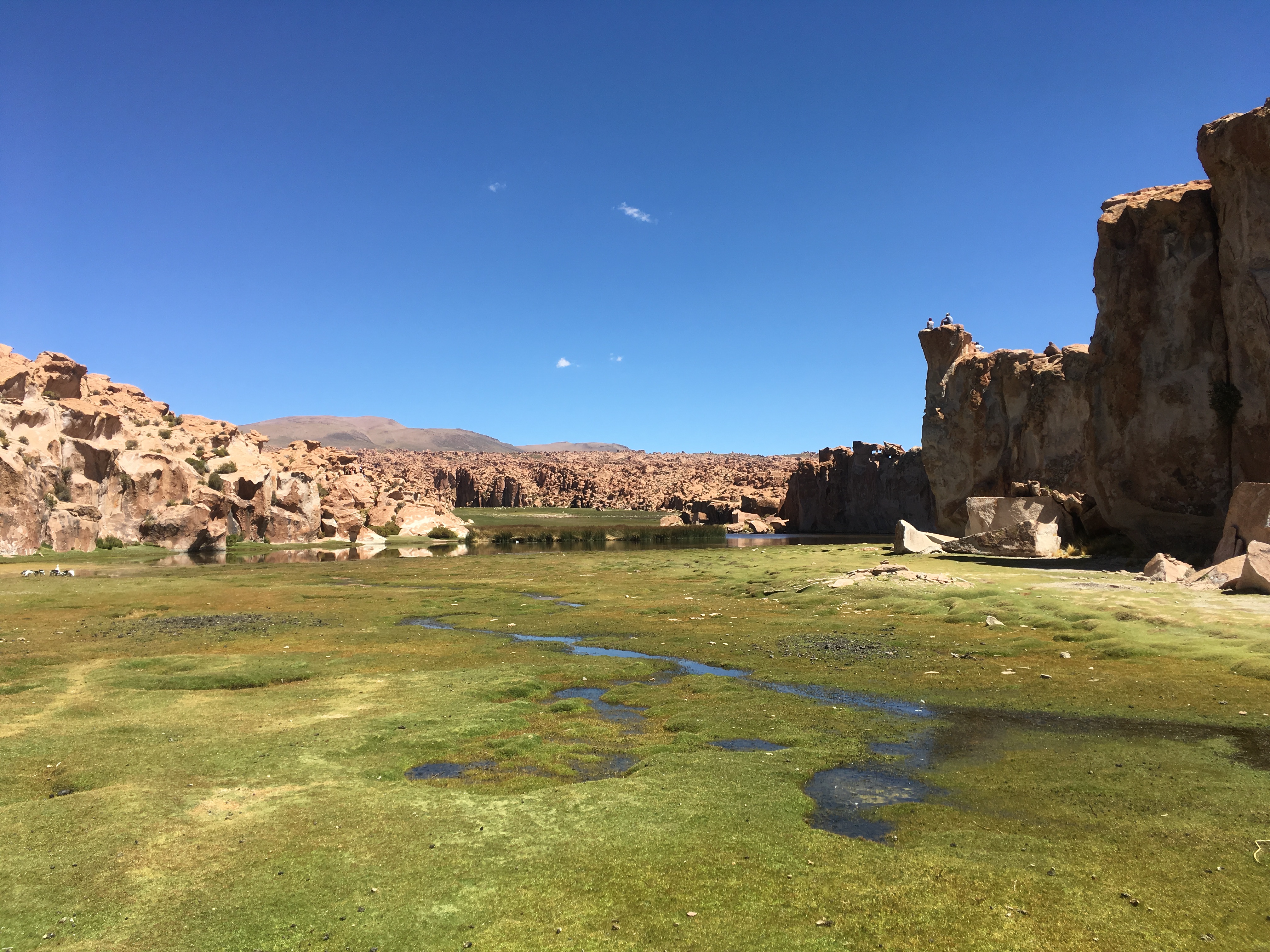
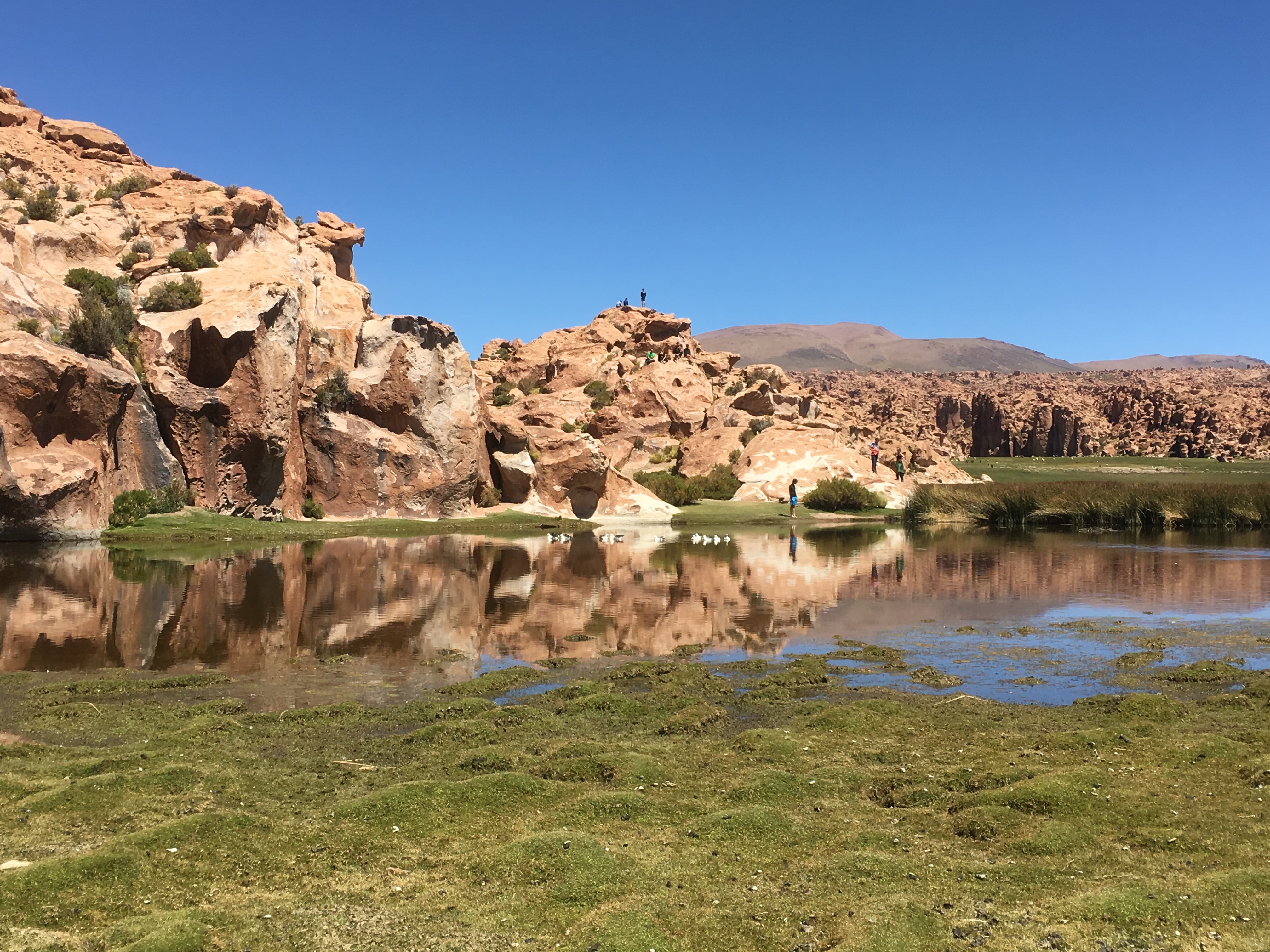
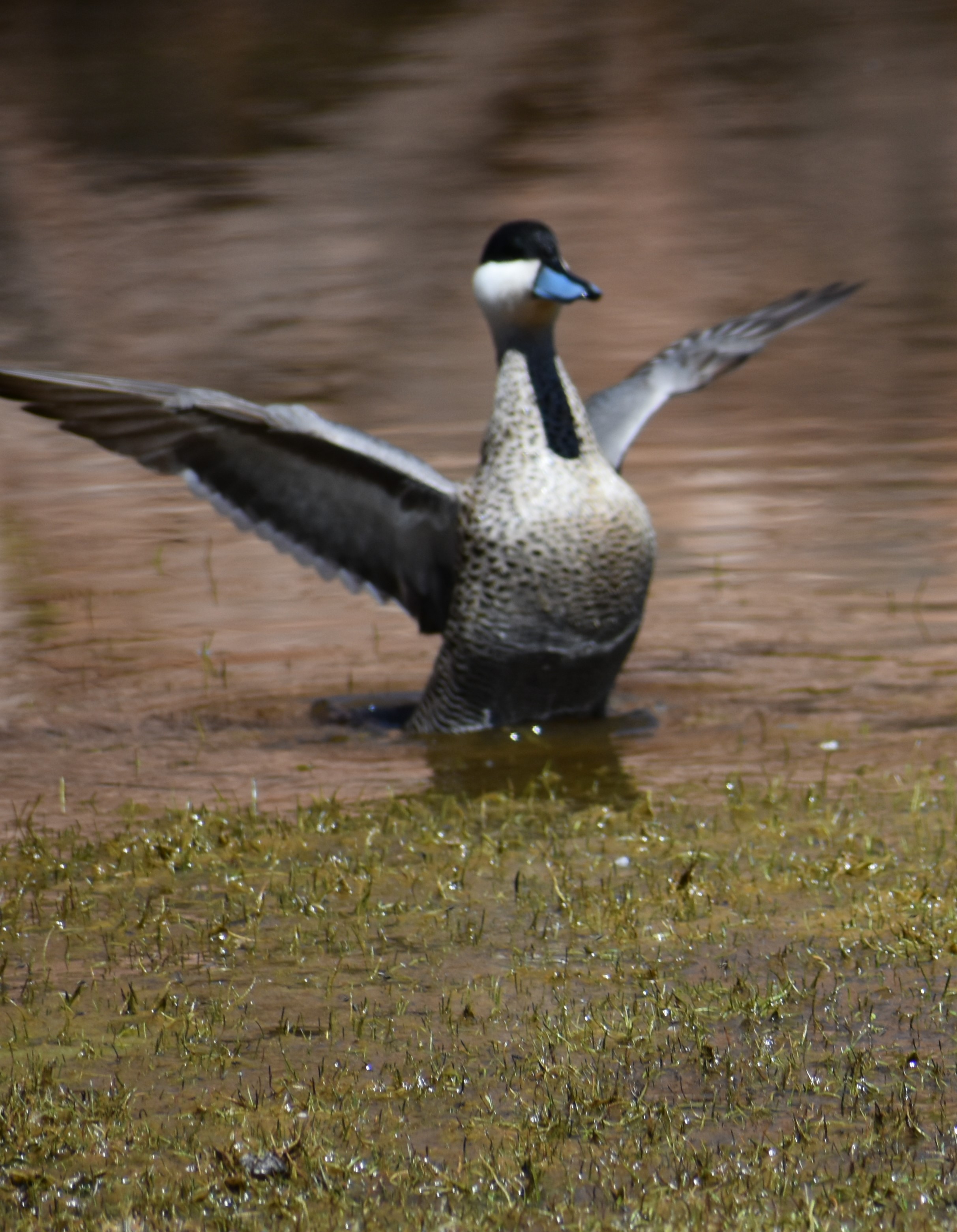
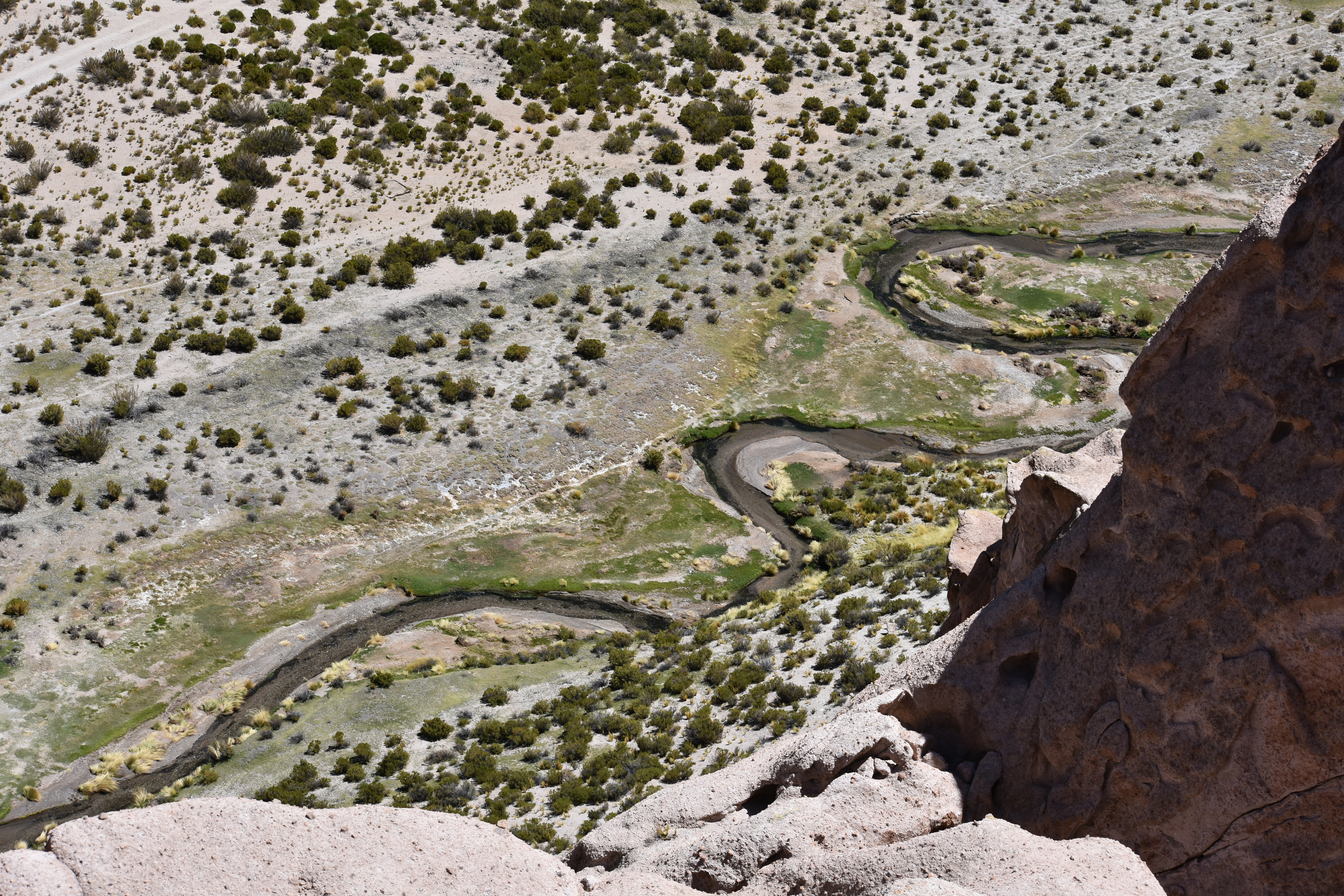
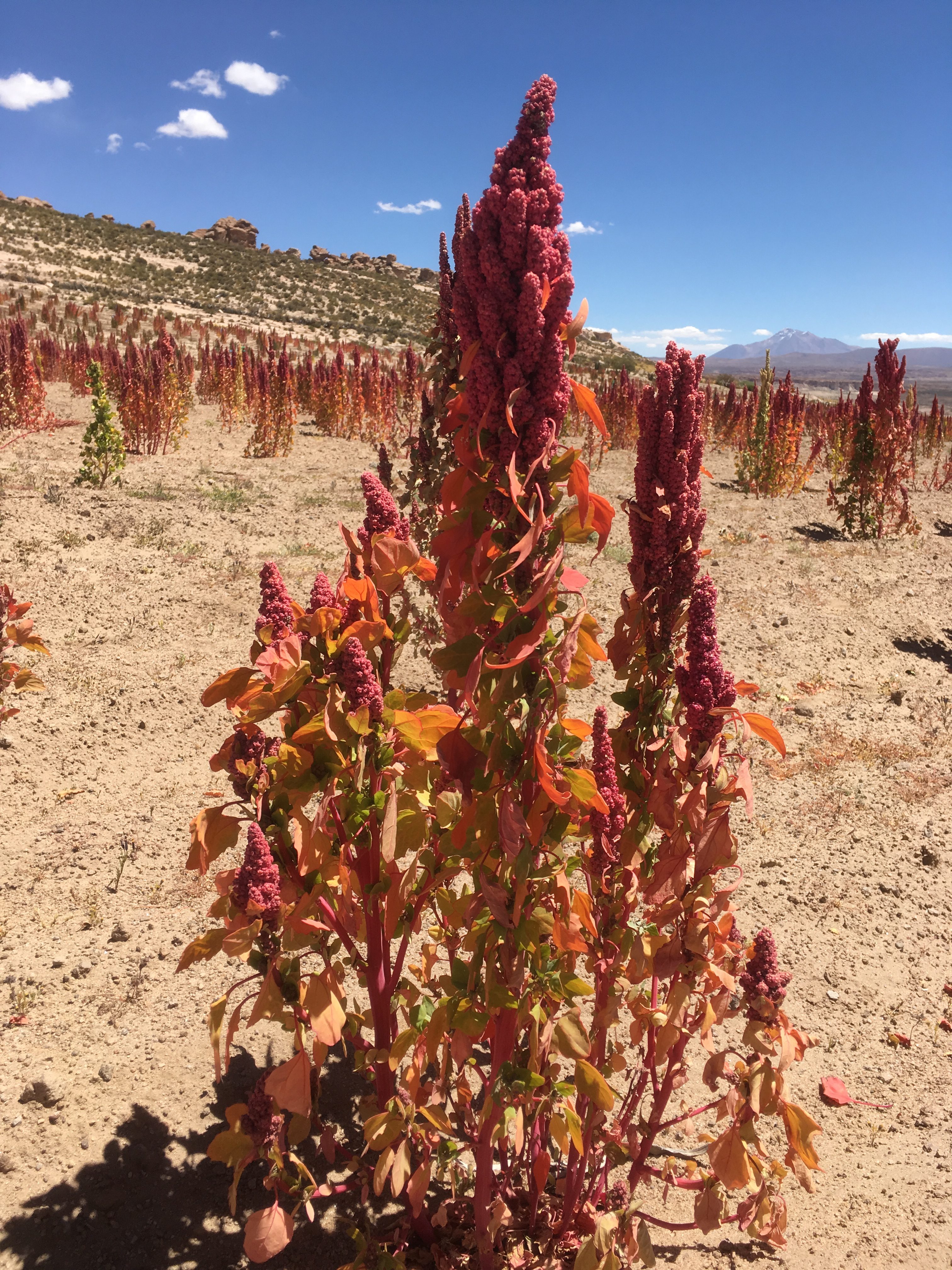
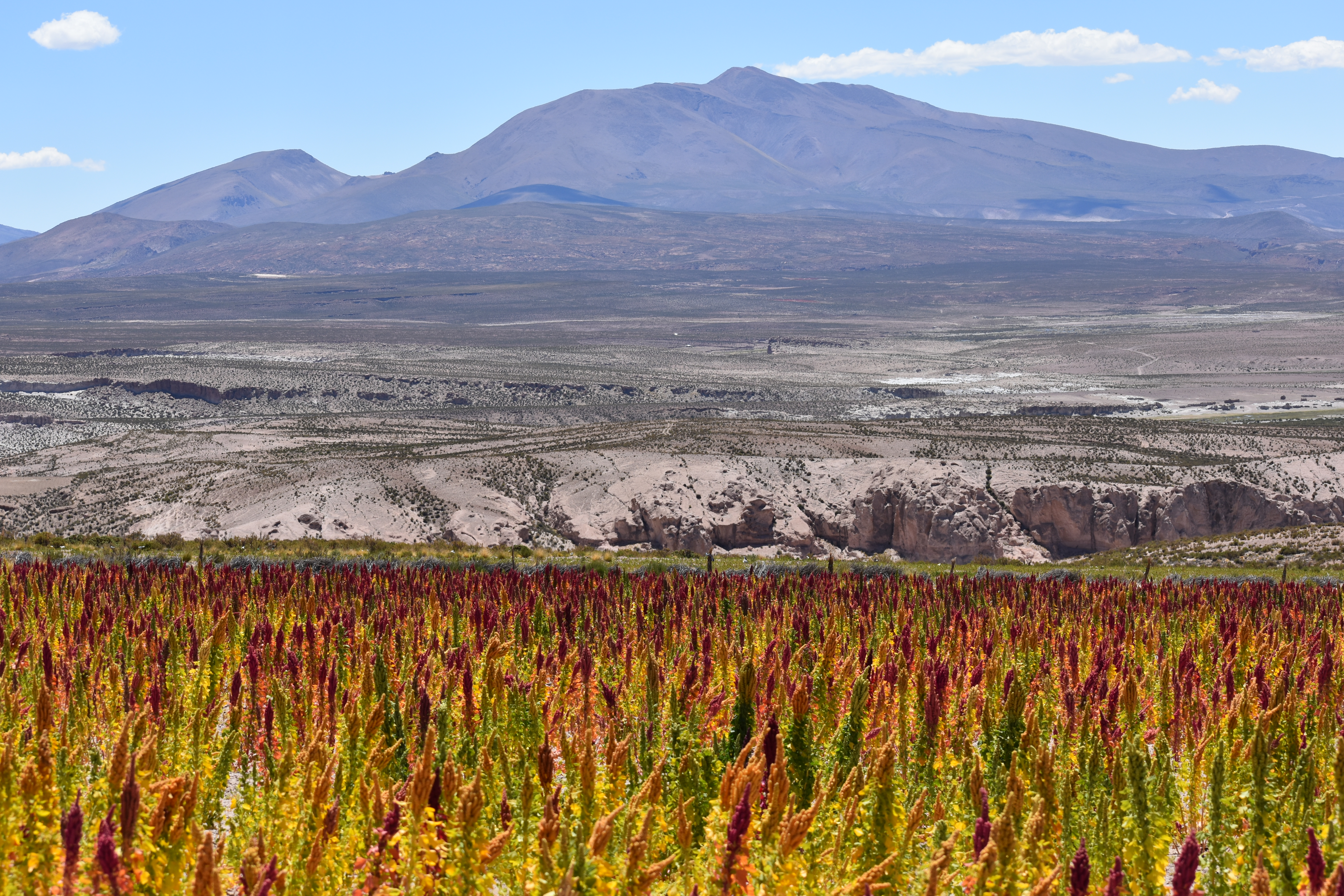
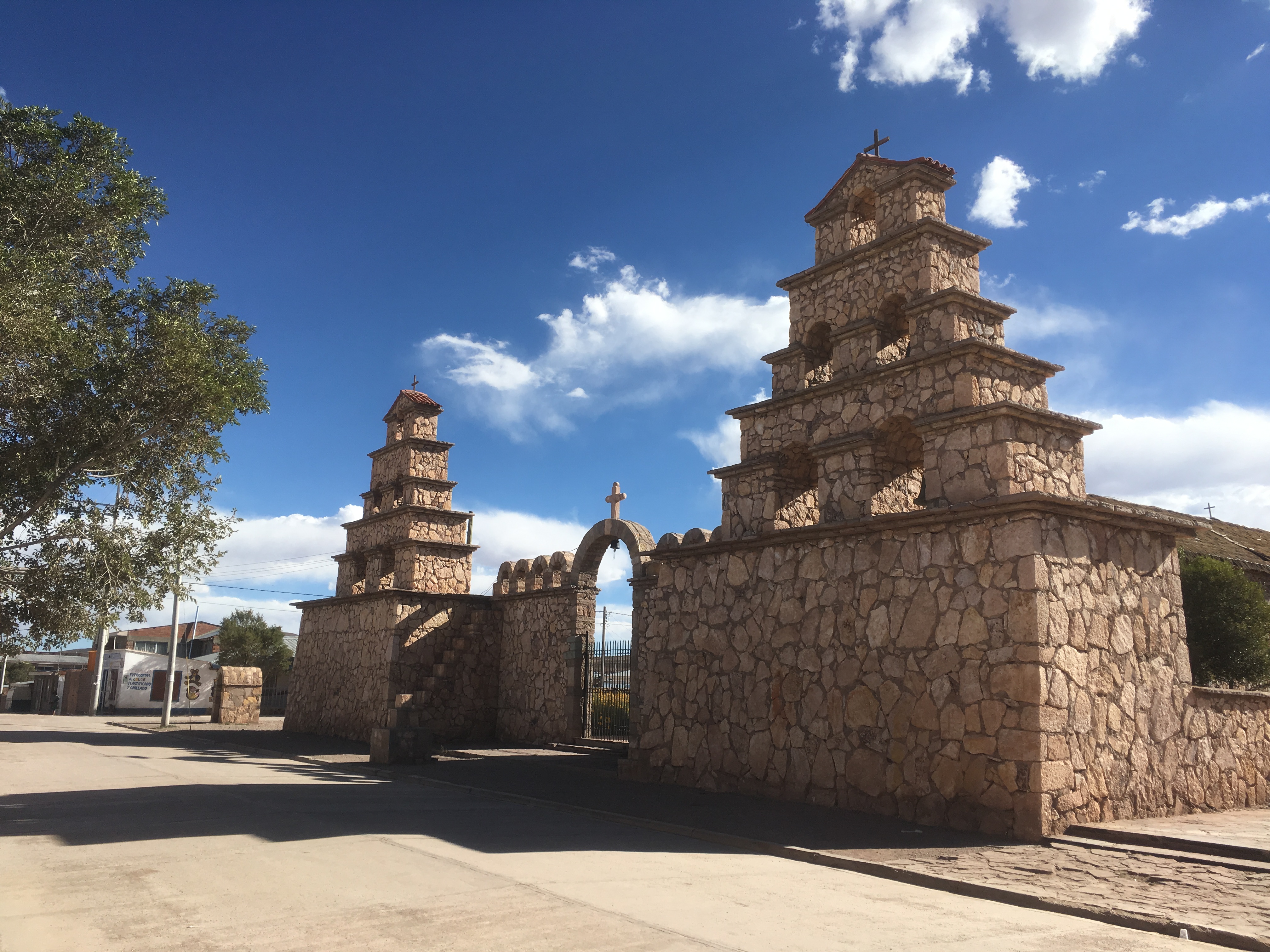
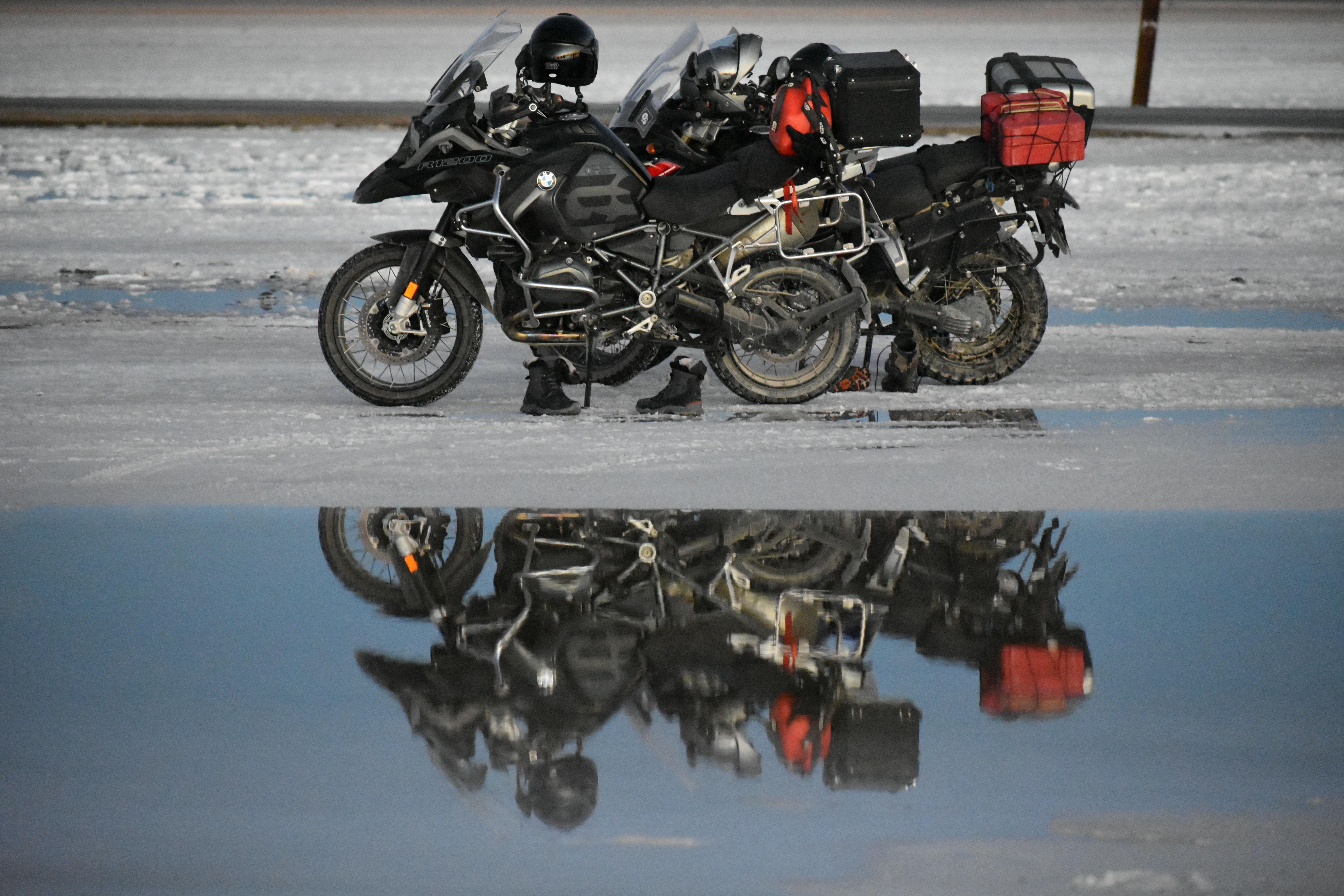
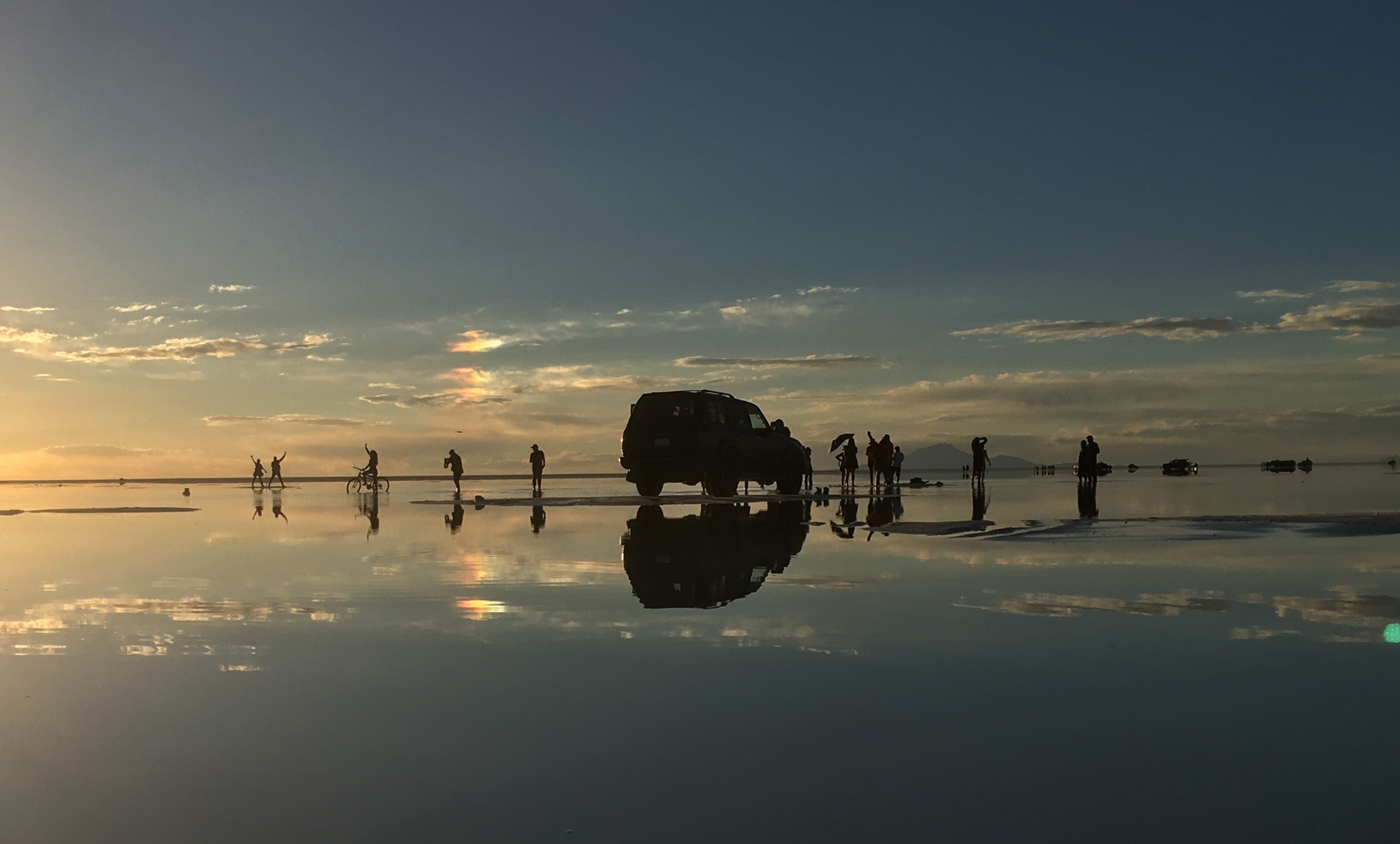
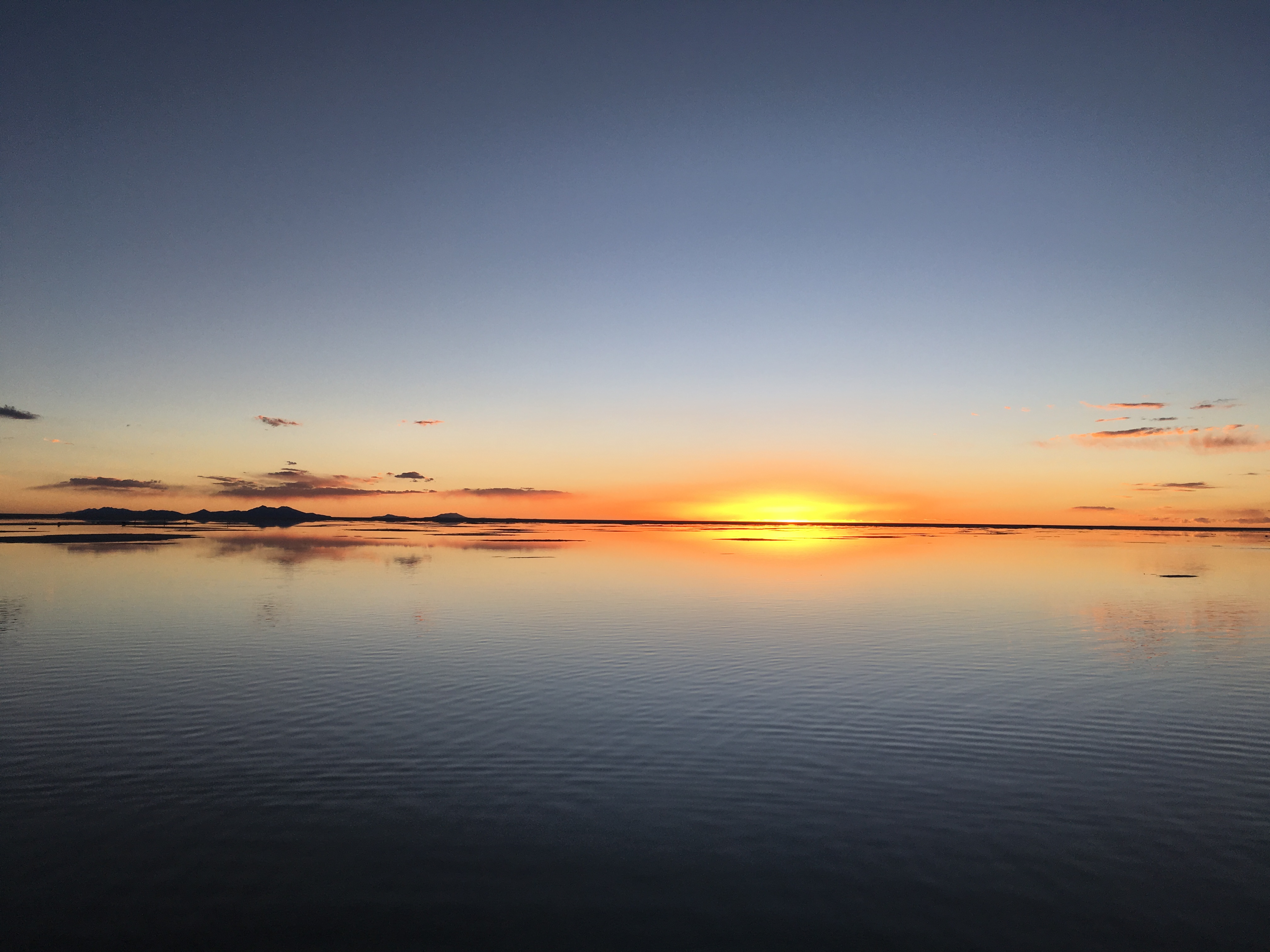
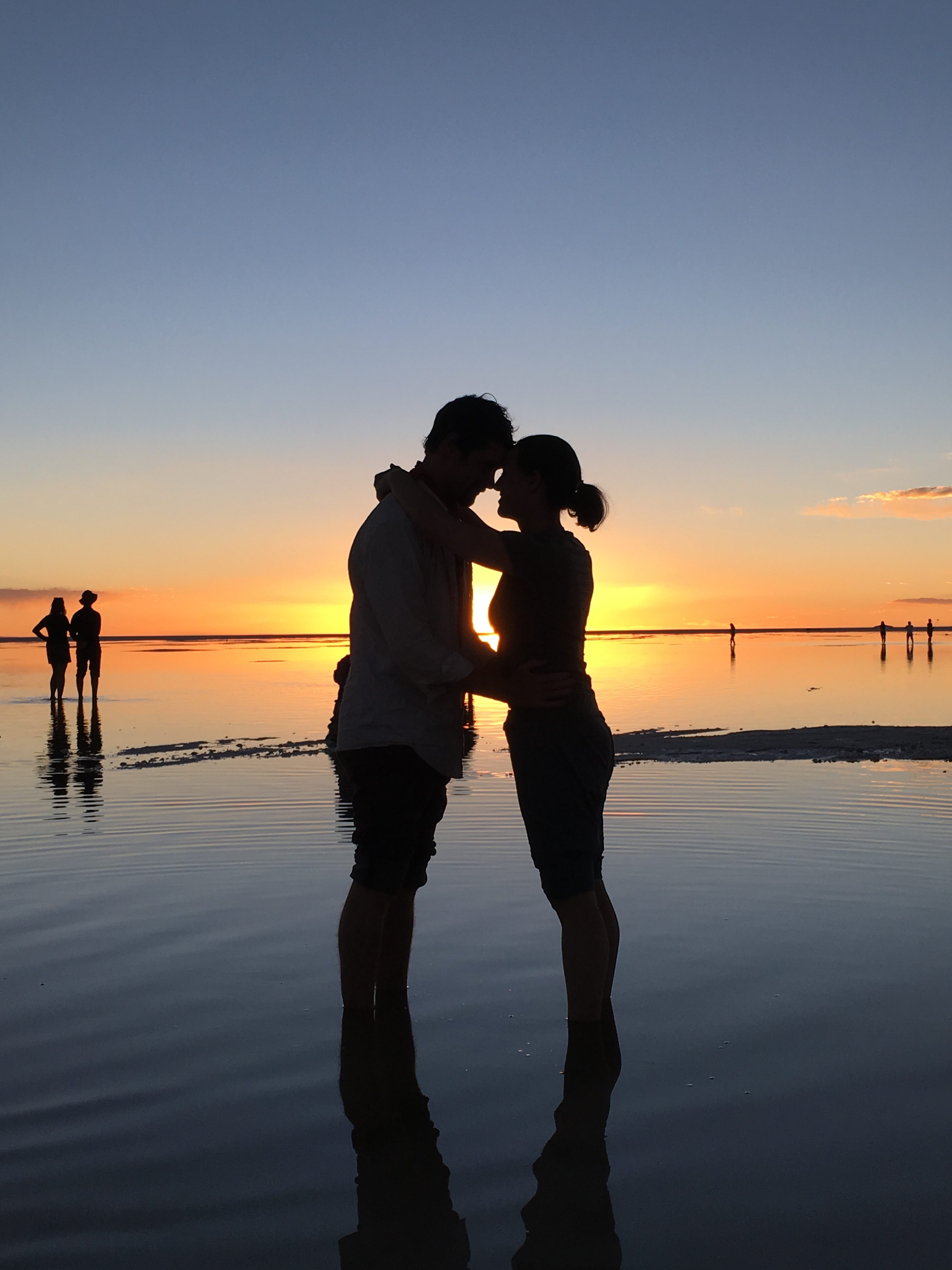
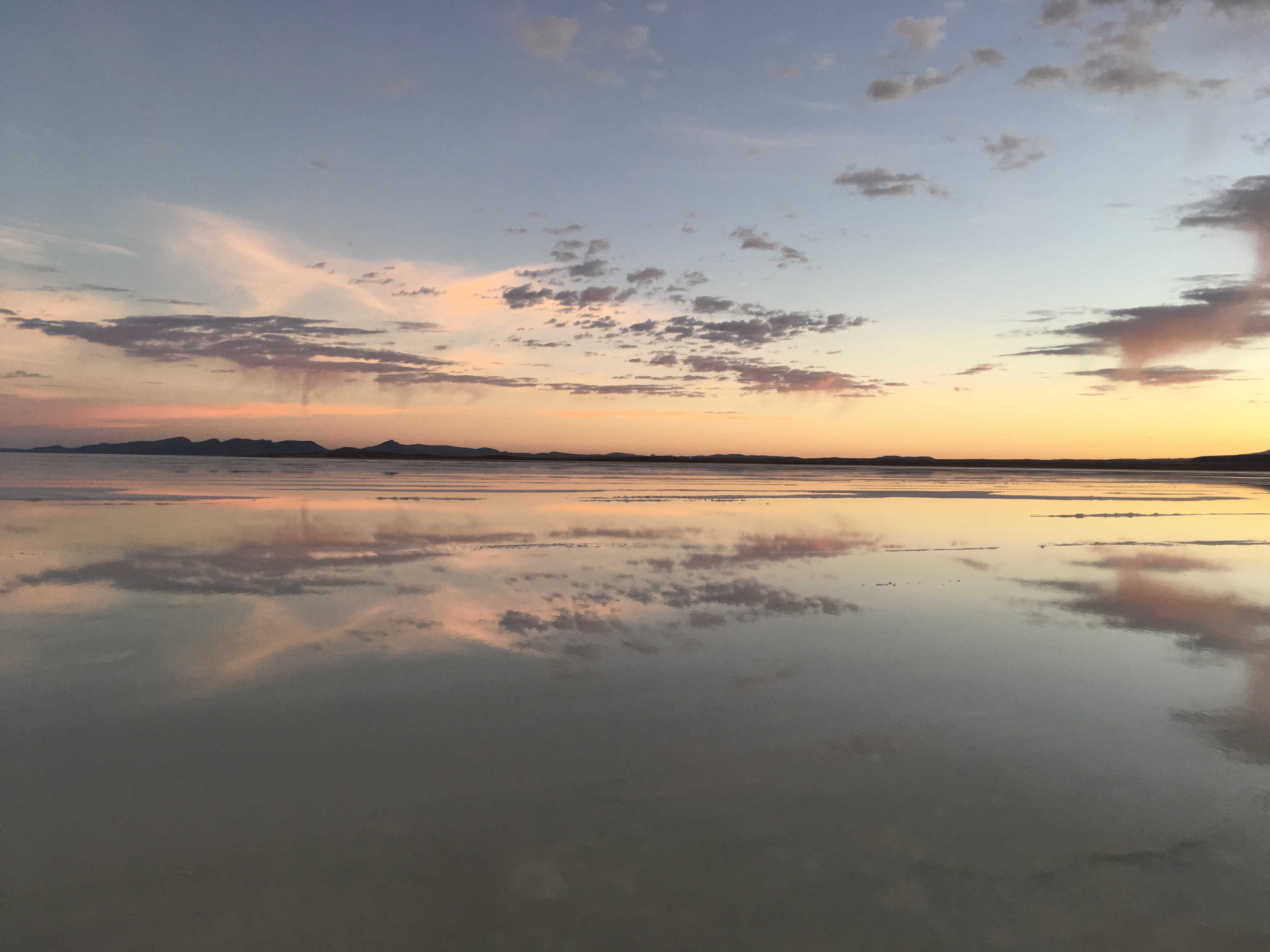
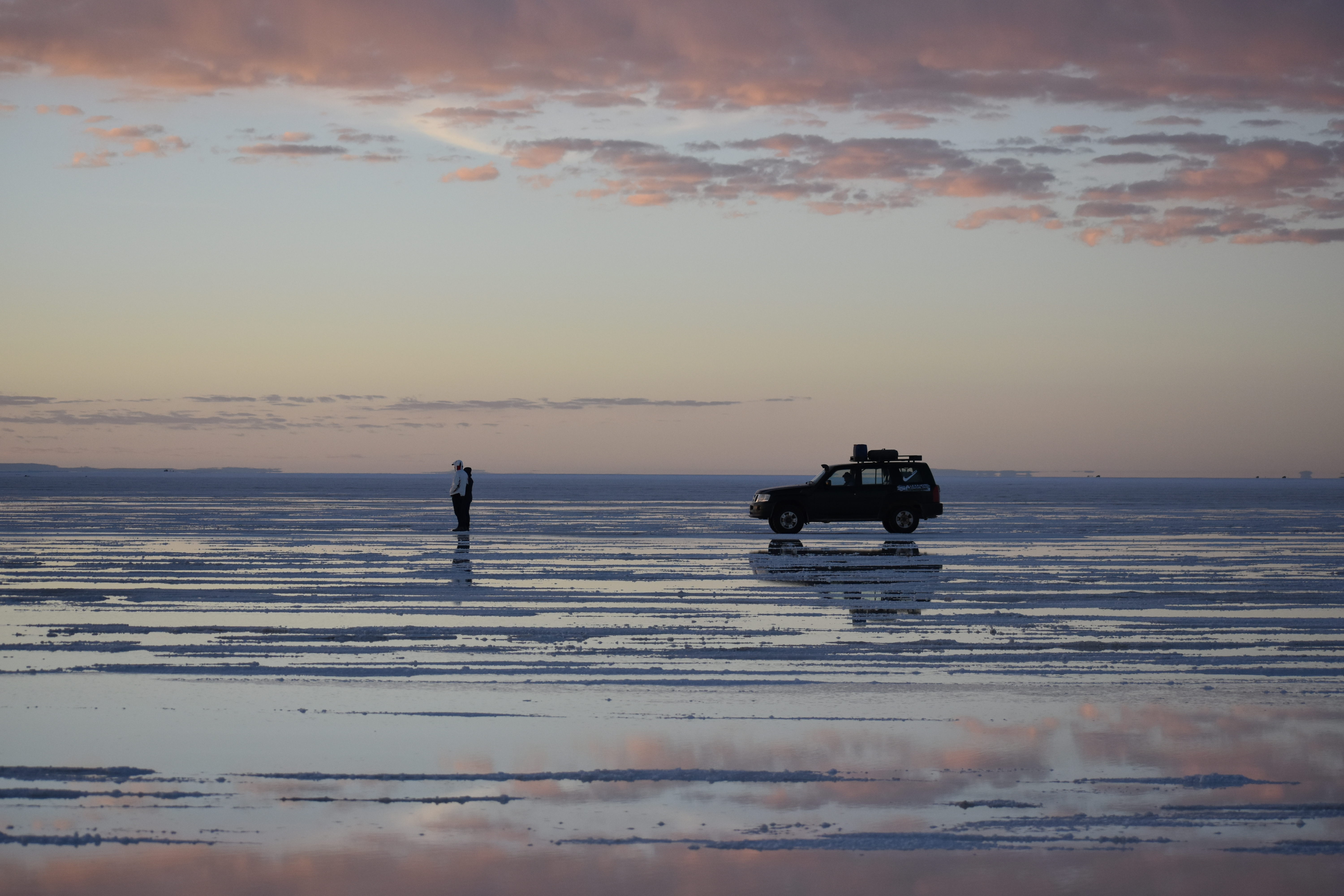
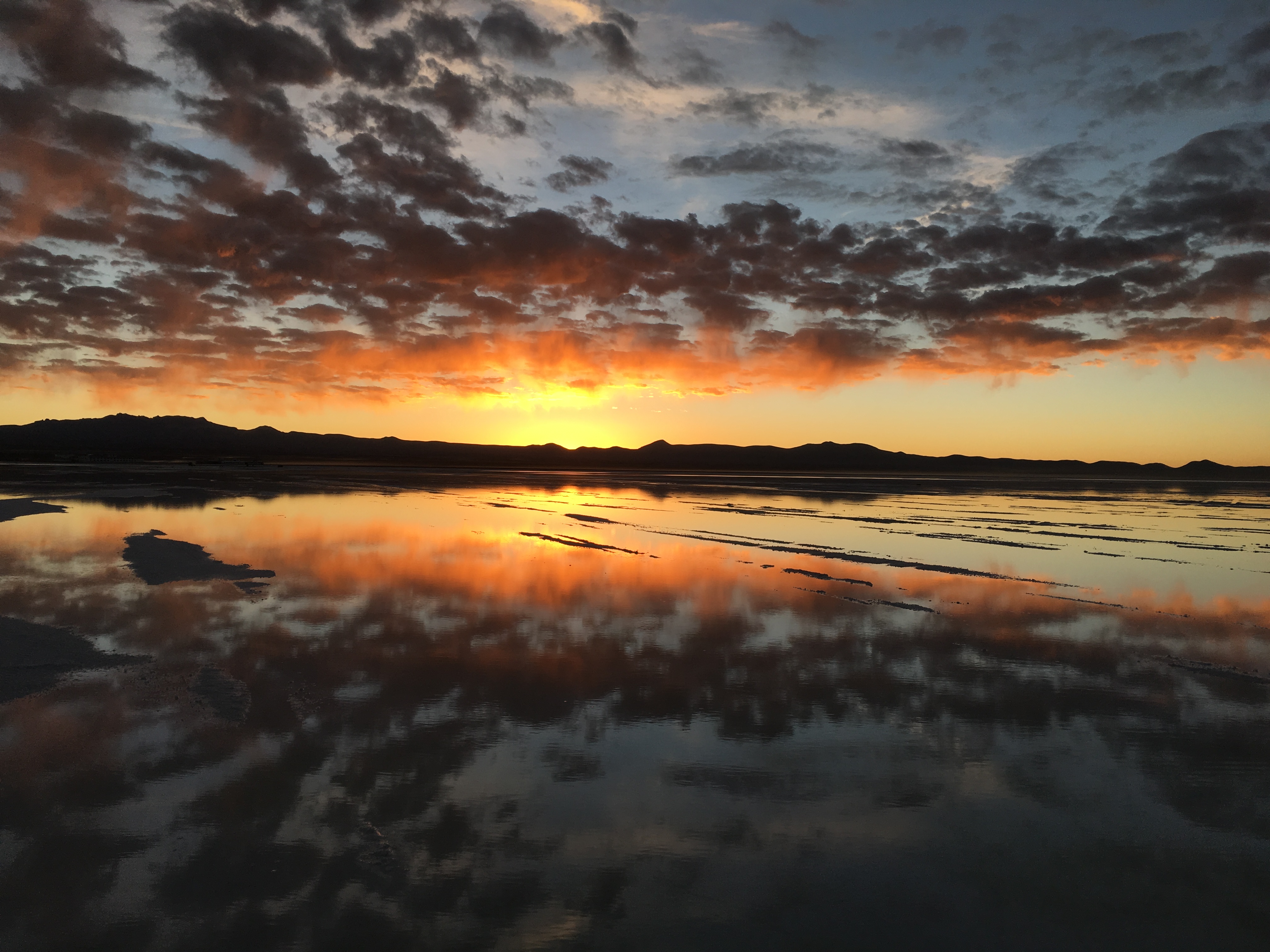
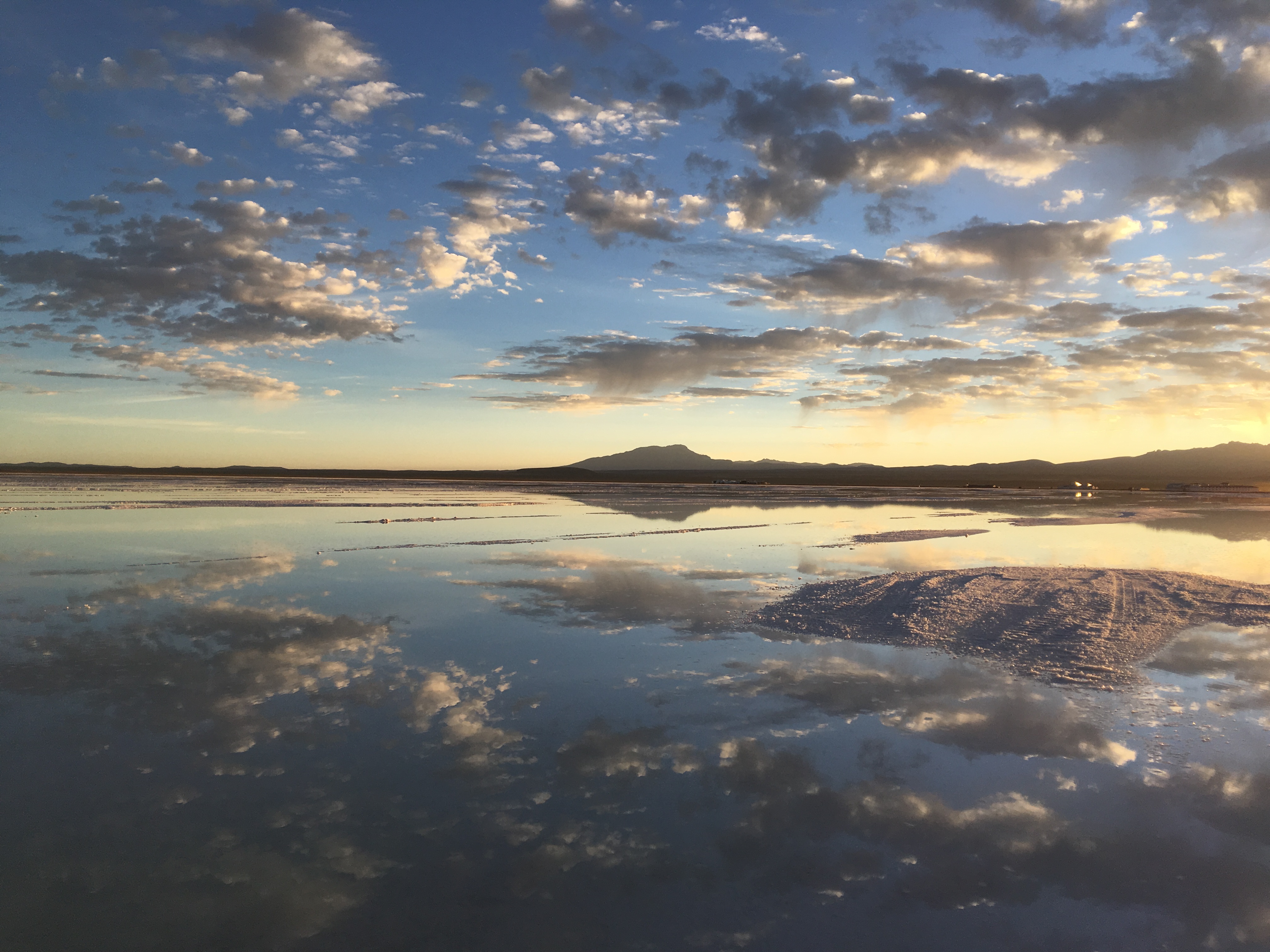
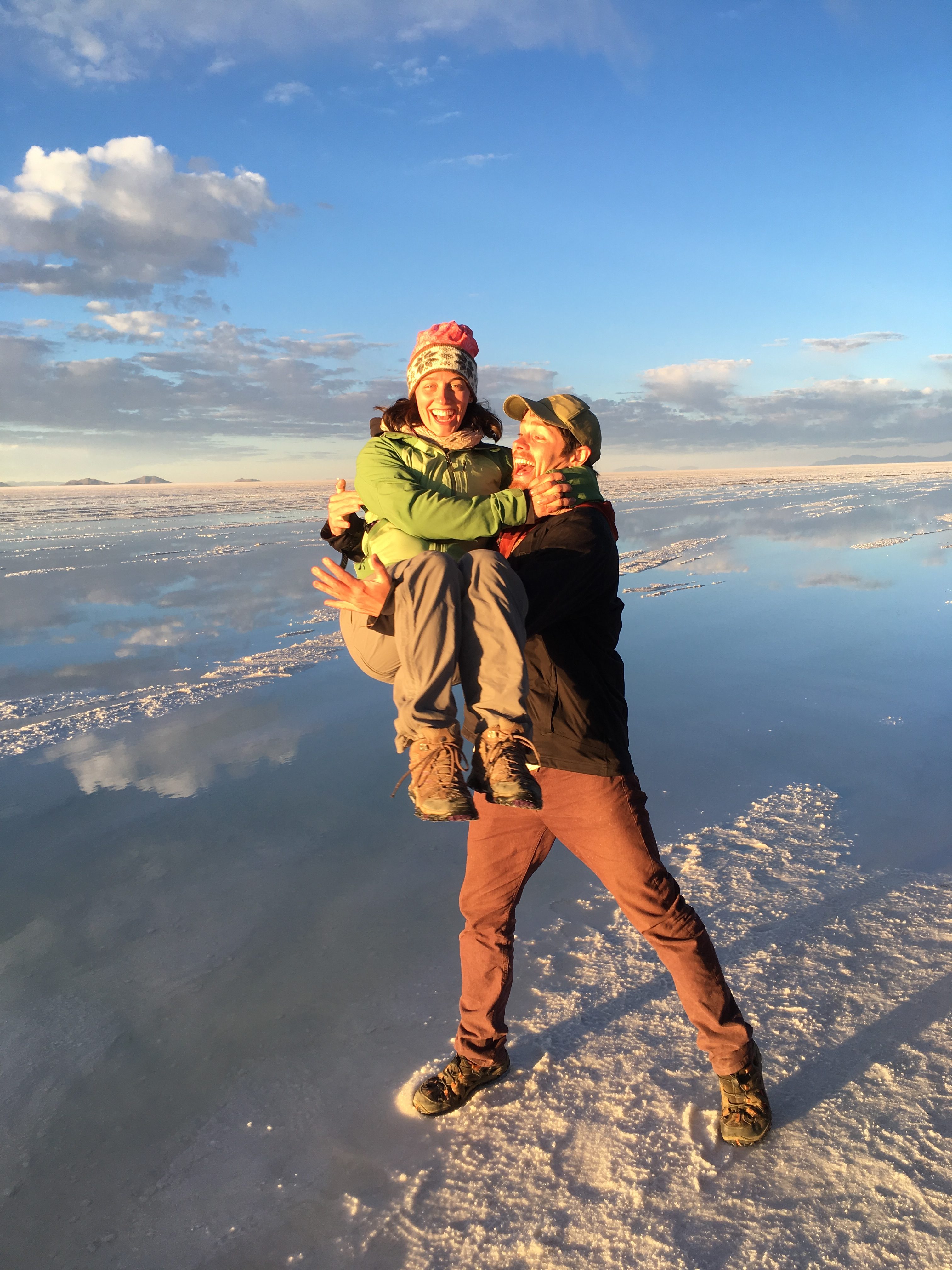
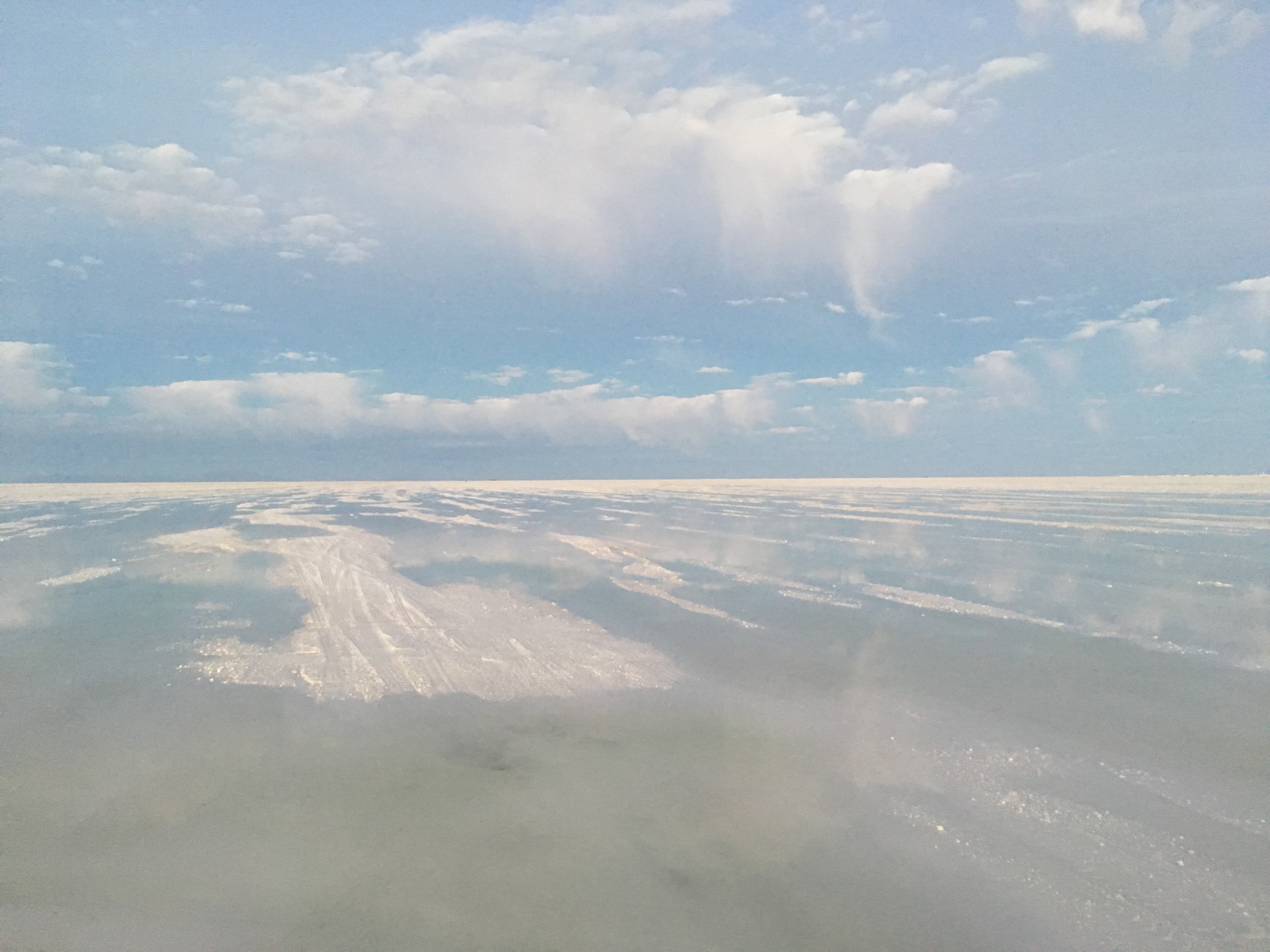
The theme of day three was rock formations. We saw the World Cup rock formation and the camel rock and scrambled around the Valley of Rocks. Milton would let us out of the Jeep to explore each of the rock formations on foot, again letting us take our time to enjoy each spot. Our favorite stop of day three was the Laguna Negra which was incredibly tranquil. We walked over soft green mossy vegetation with streams running between it to arrive at a calm spot with a beautiful lake surrounded by volcanic rocks. There was a family of teals with a small baby that we watched for a while as we took in the peacefulness of this location. Afterwards we drove to the Anaconda Canyon so named for the shape of the river below. Luckily despite their attempts, no tourists fell into the canyon while we were there. The area near the Anaconda Canyon is one of the largest quinoa-producing areas in the world. We could see colorful quinoa fields all around. We had never seen quinoa plants before and didn’t know they were such beautiful colors. Eventually, we arrived in the town of San Cristóbal where we wandered around for a bit before heading to the Salar de Uyuni for sunset. This was an incredible experience. We drove onto the salt flat where it was covered in a layer of water and the reflections were amazing. It is totally flat and there is nothing between you and the horizon, so the sunset is absolutely stunning. When the sun finally went down, we drove back to the Donald Duck hostel for dinner and went to bed to rest up for our 4:30am wake-up the next day.
Day 4:
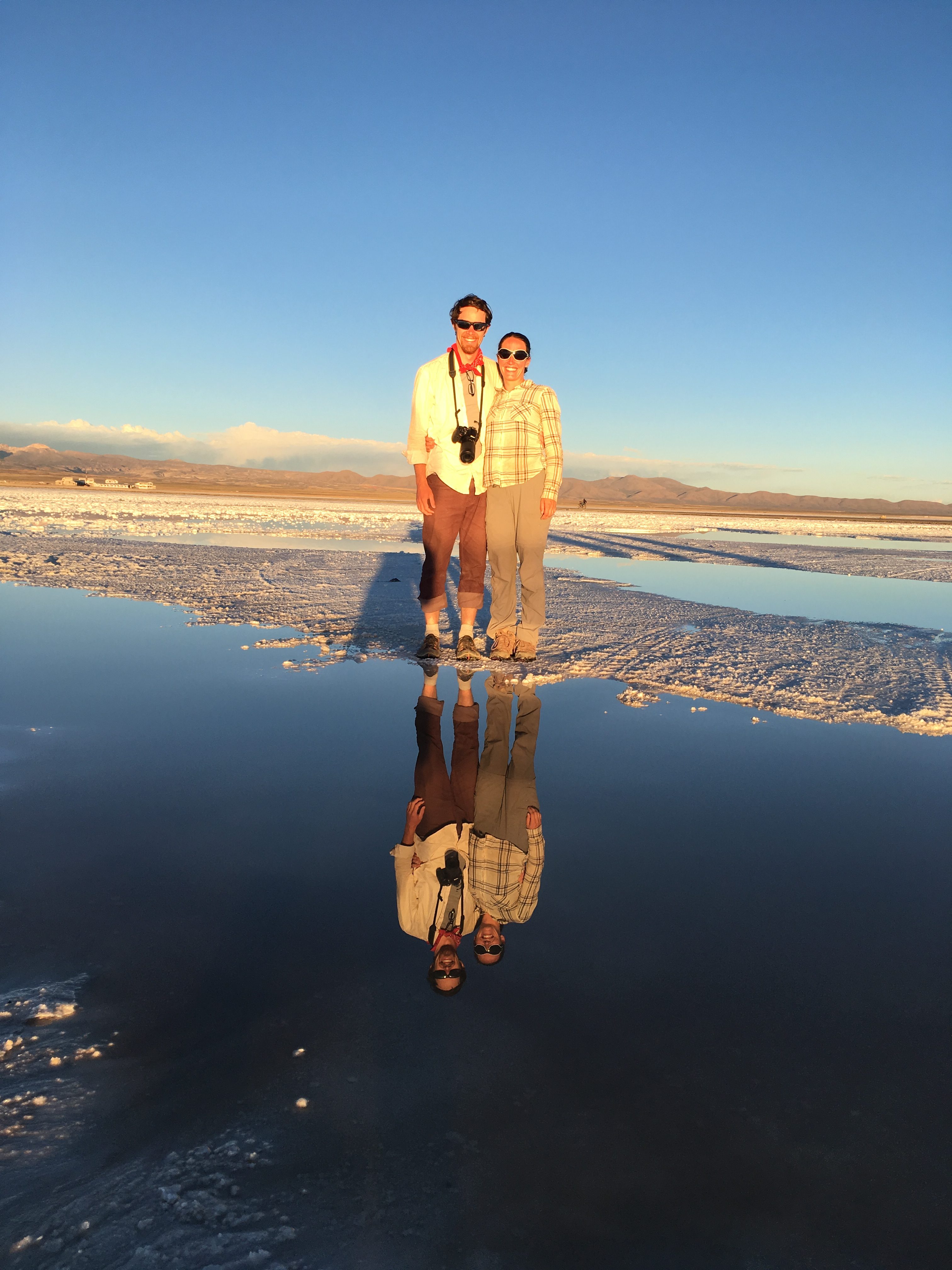
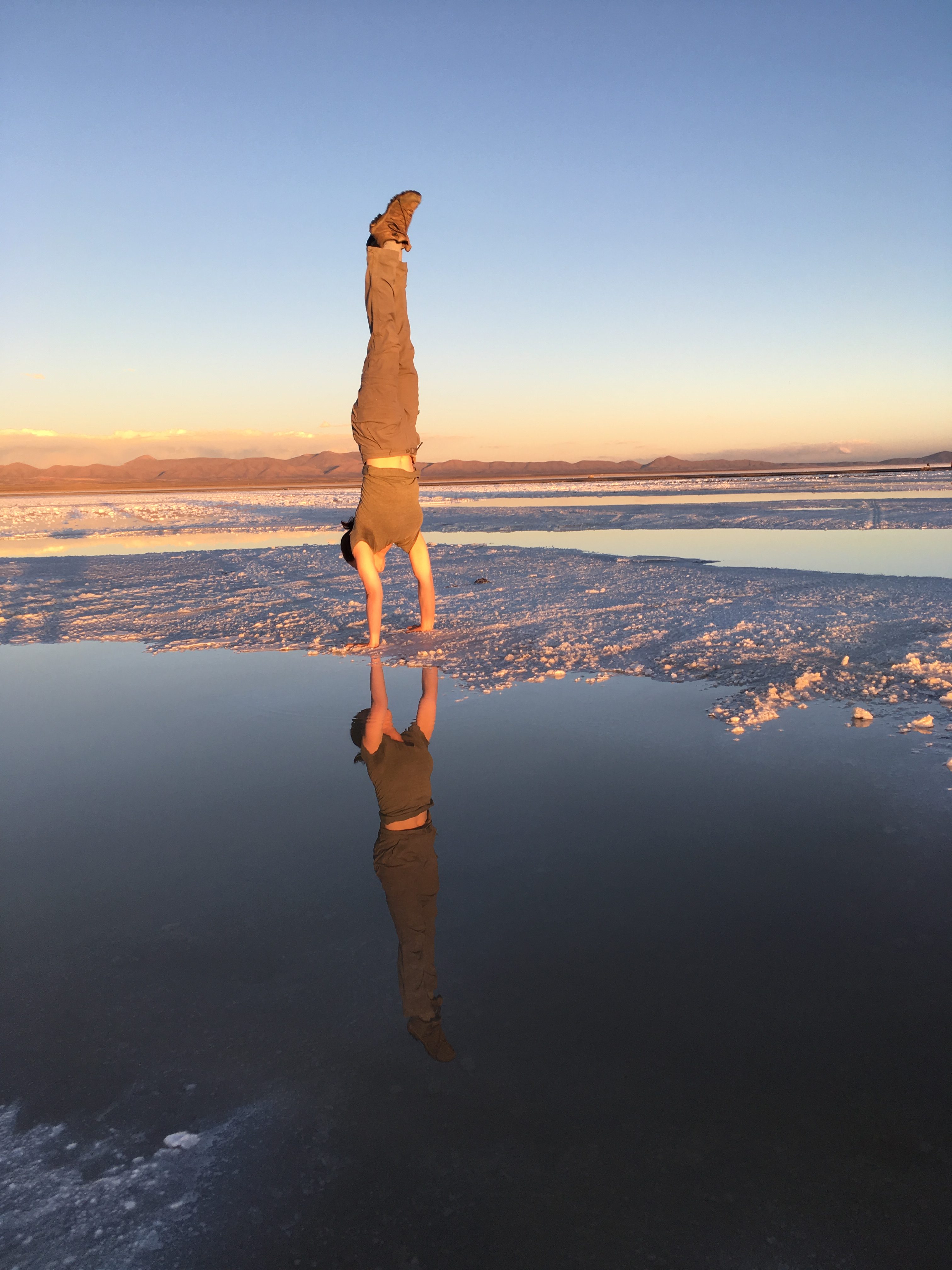
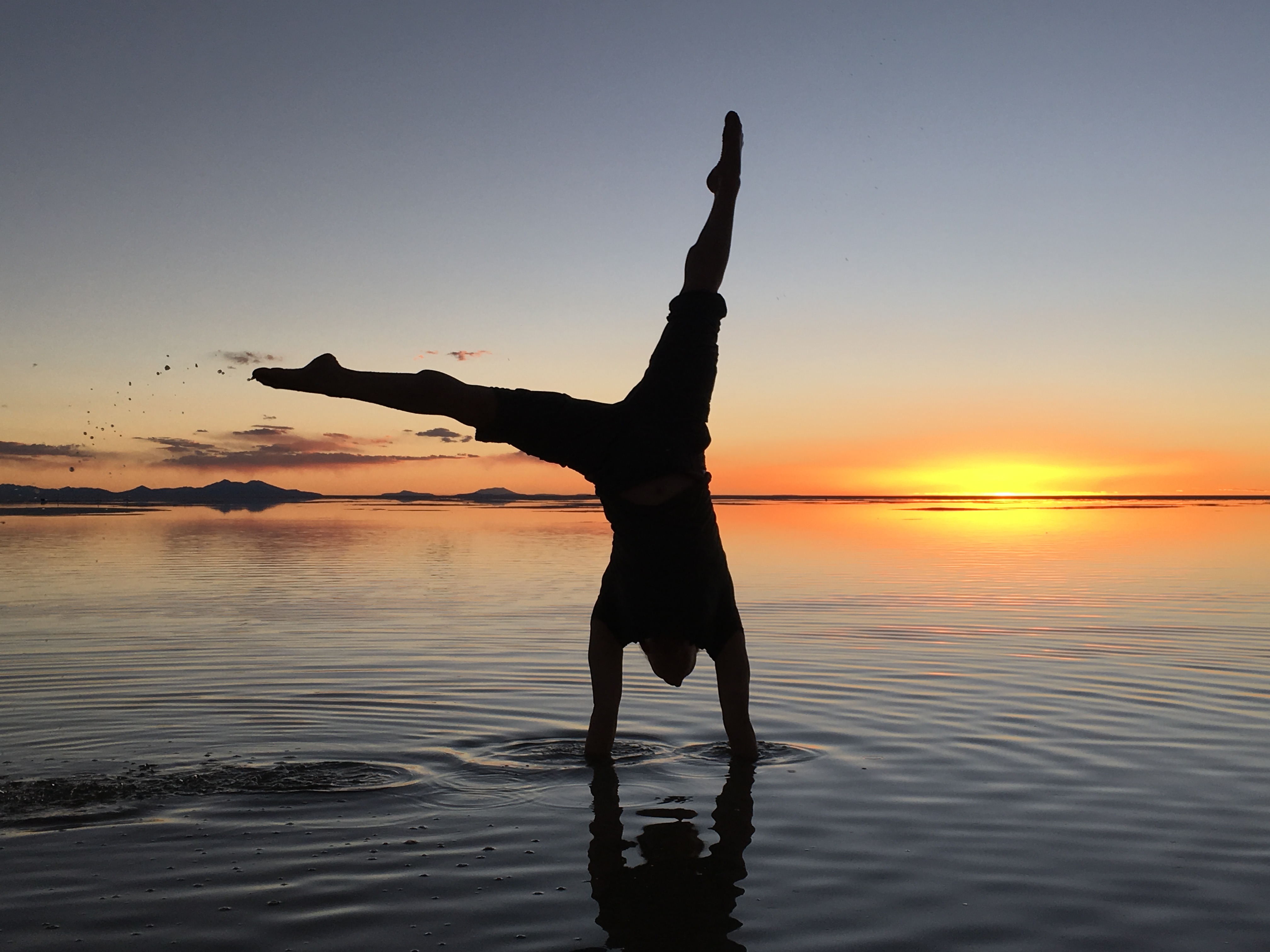
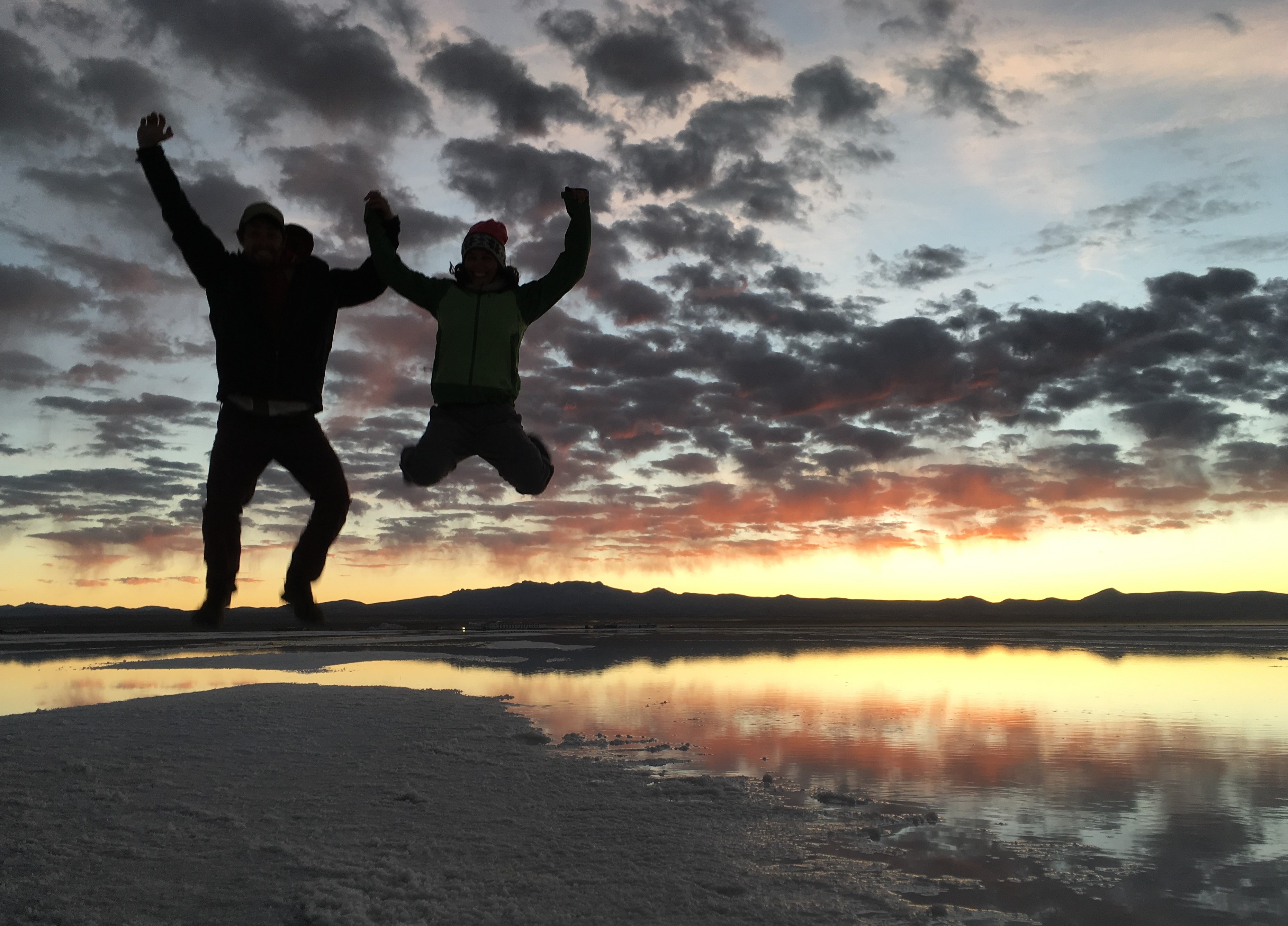
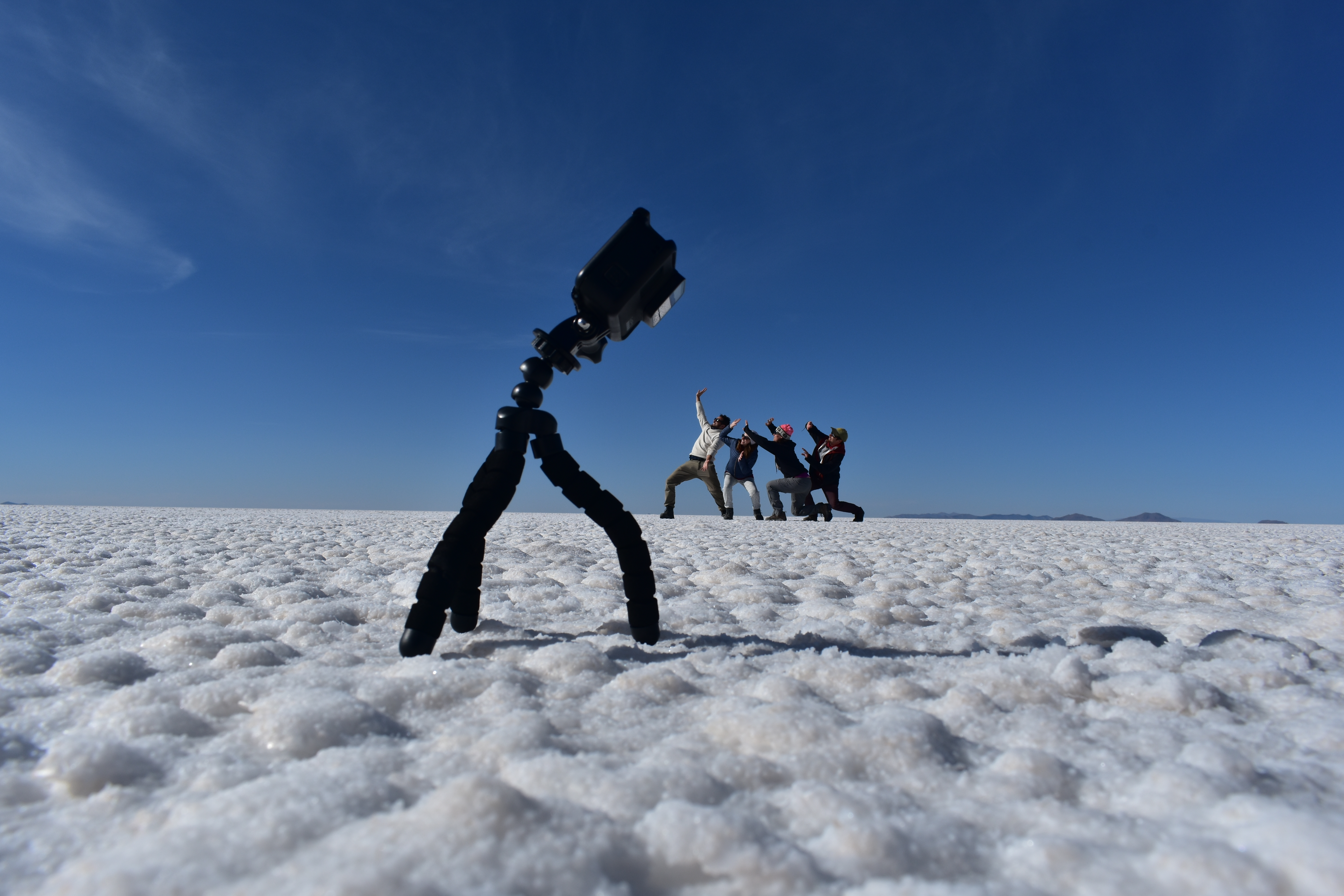
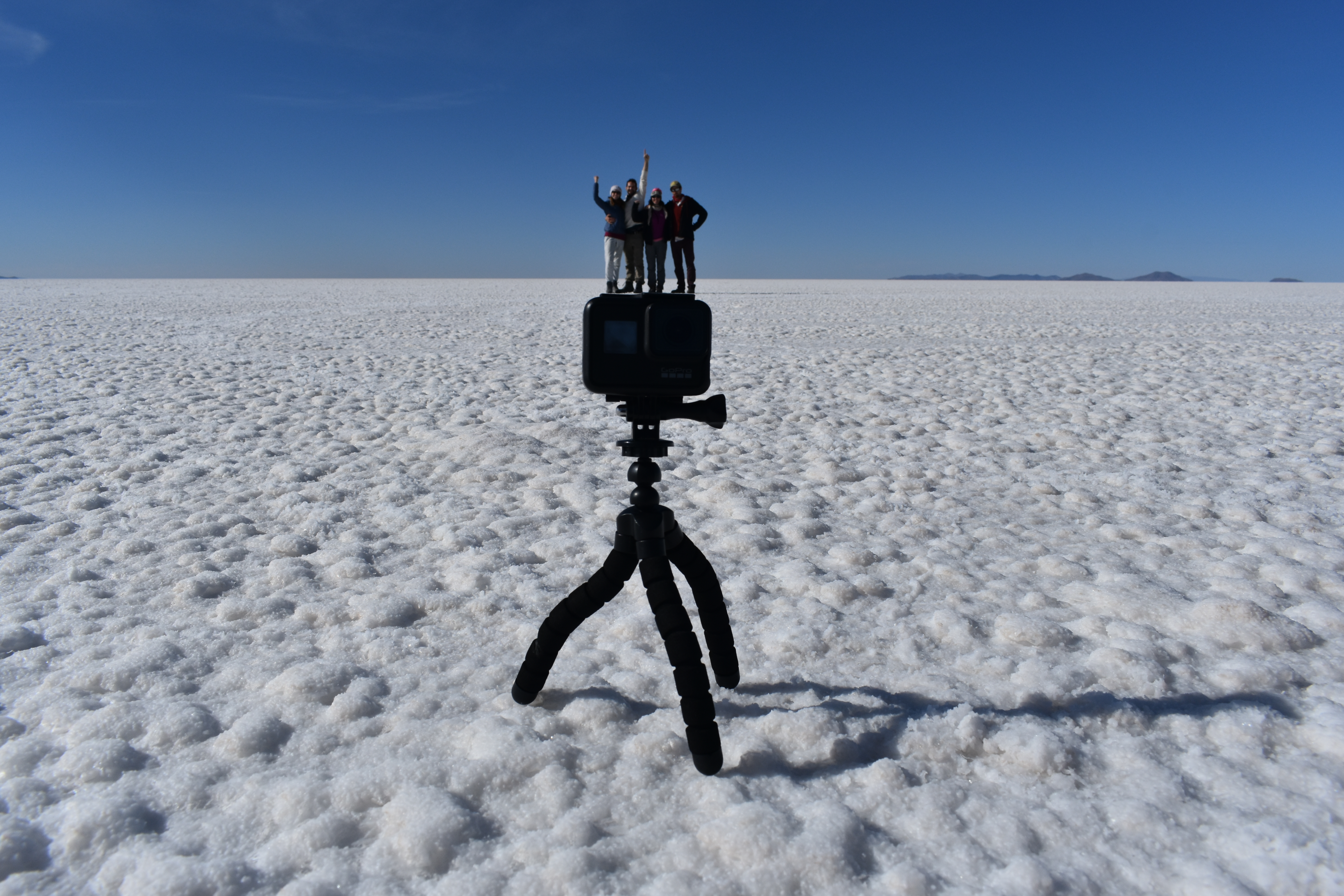
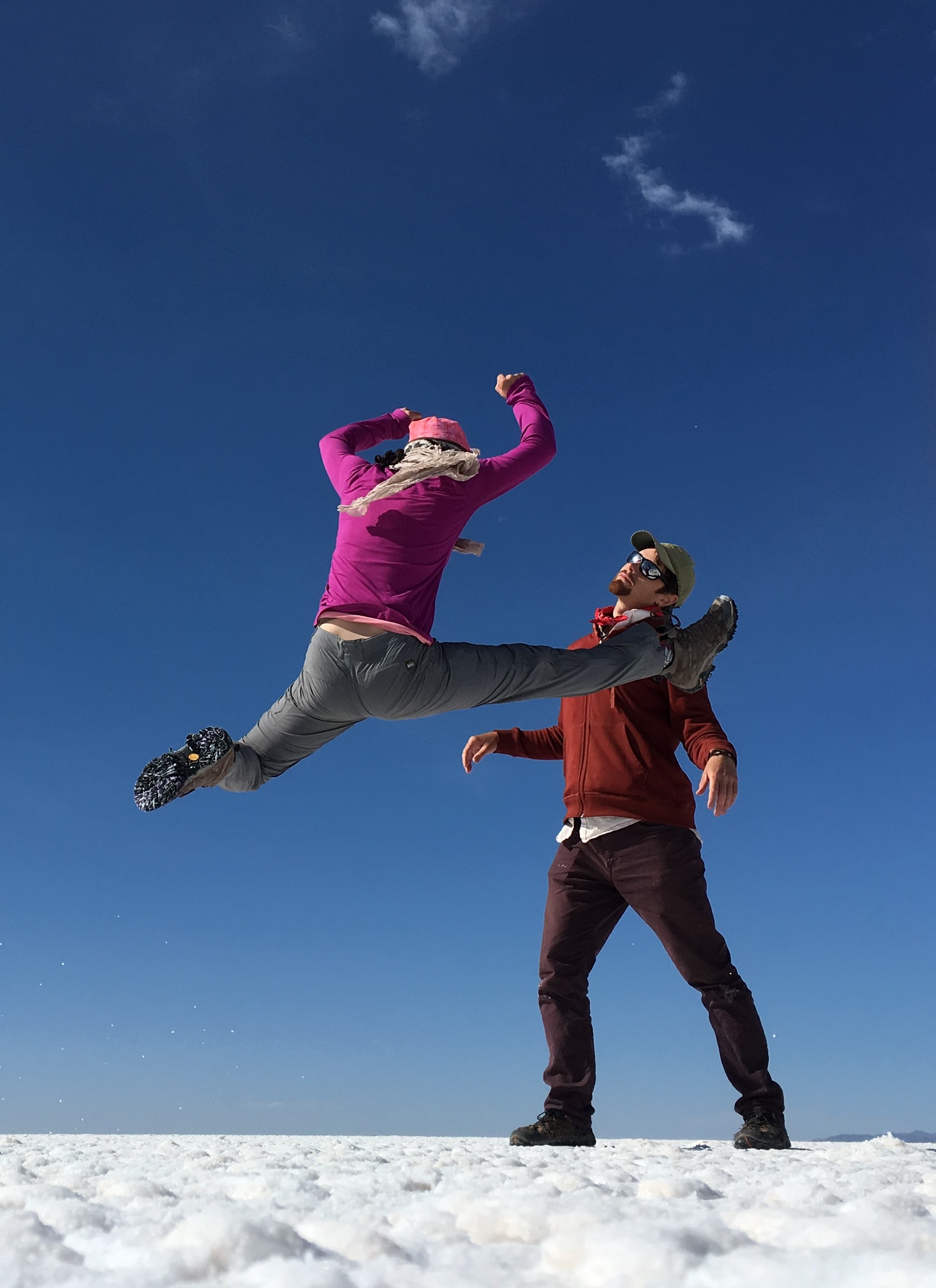
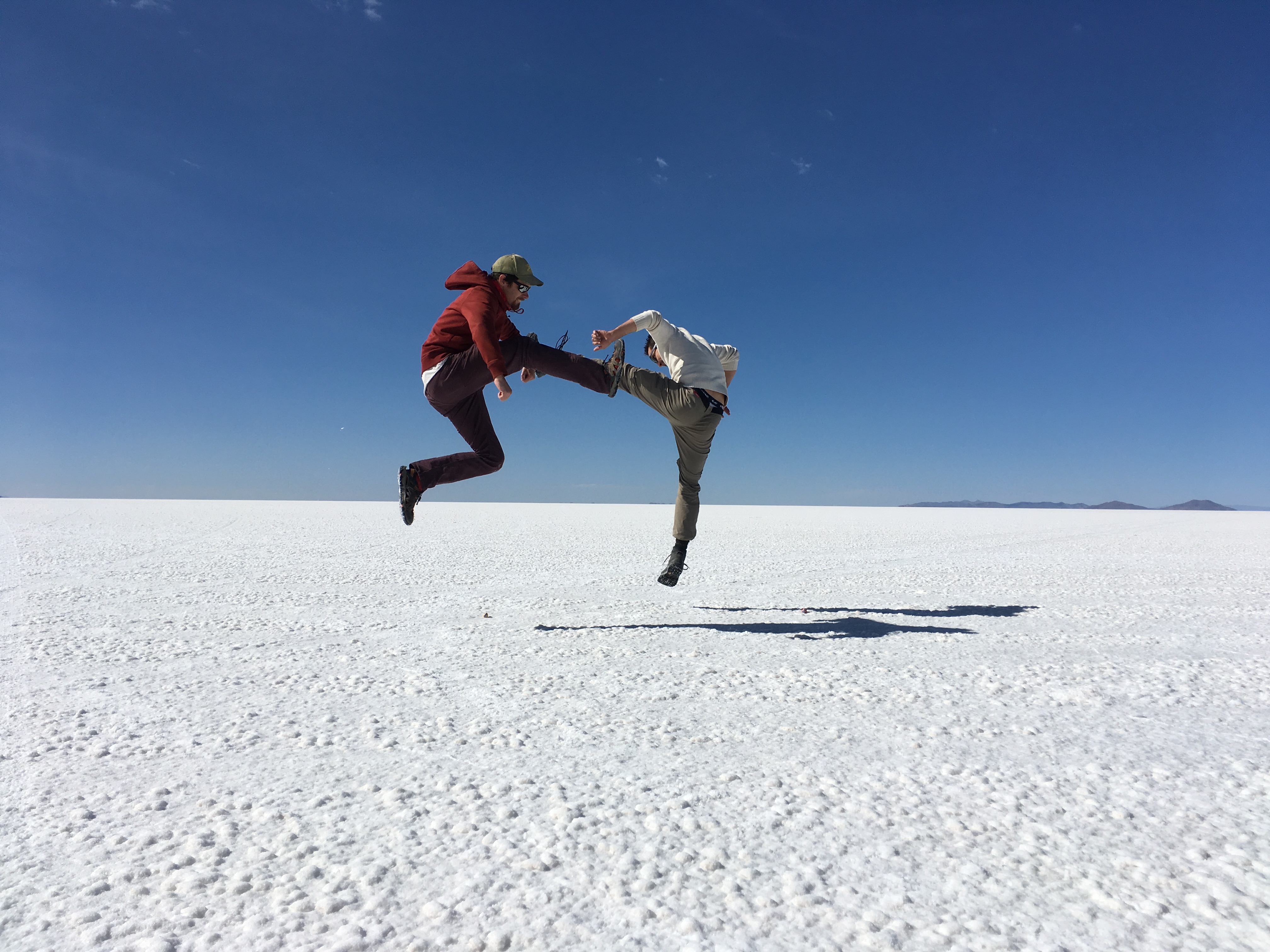
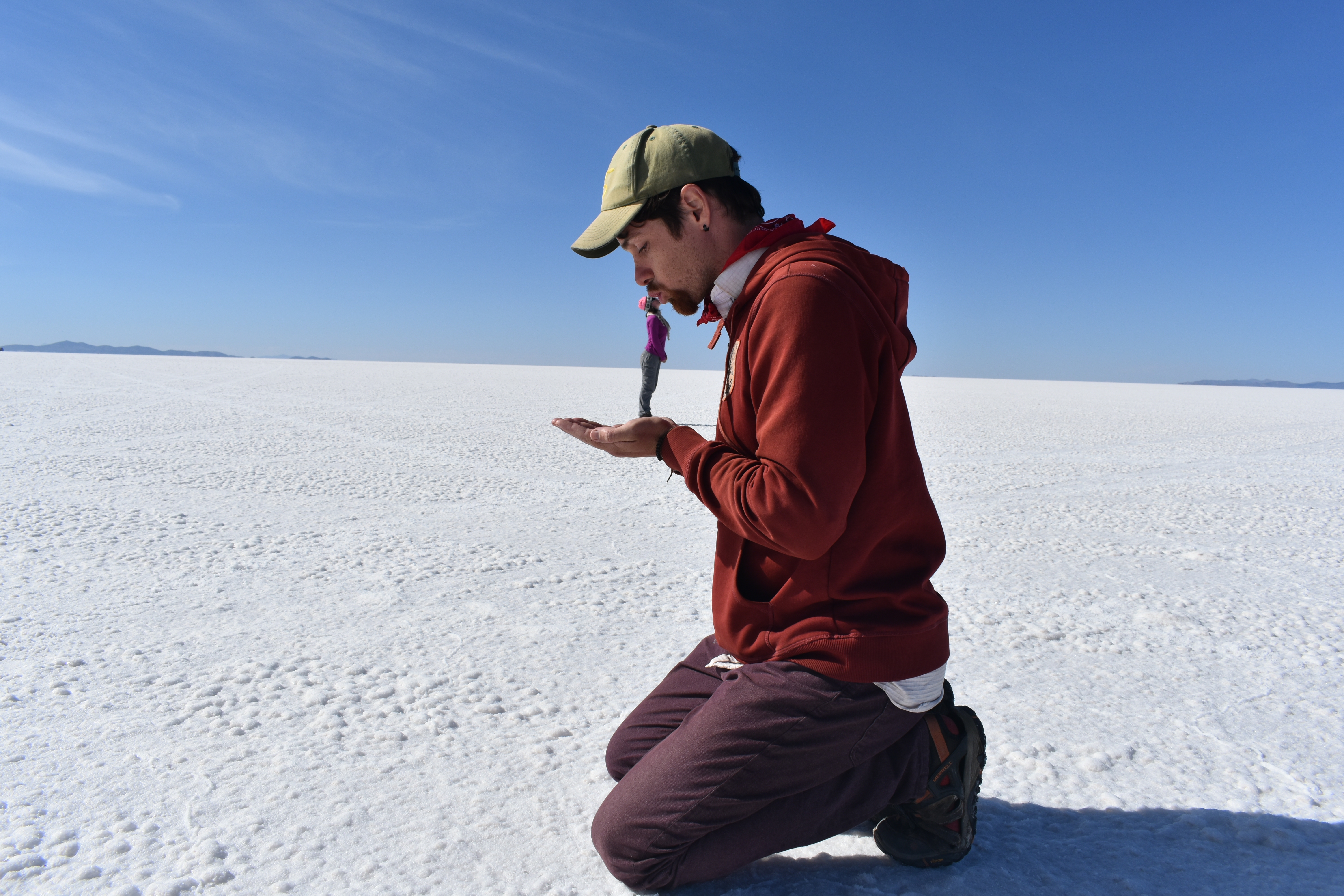
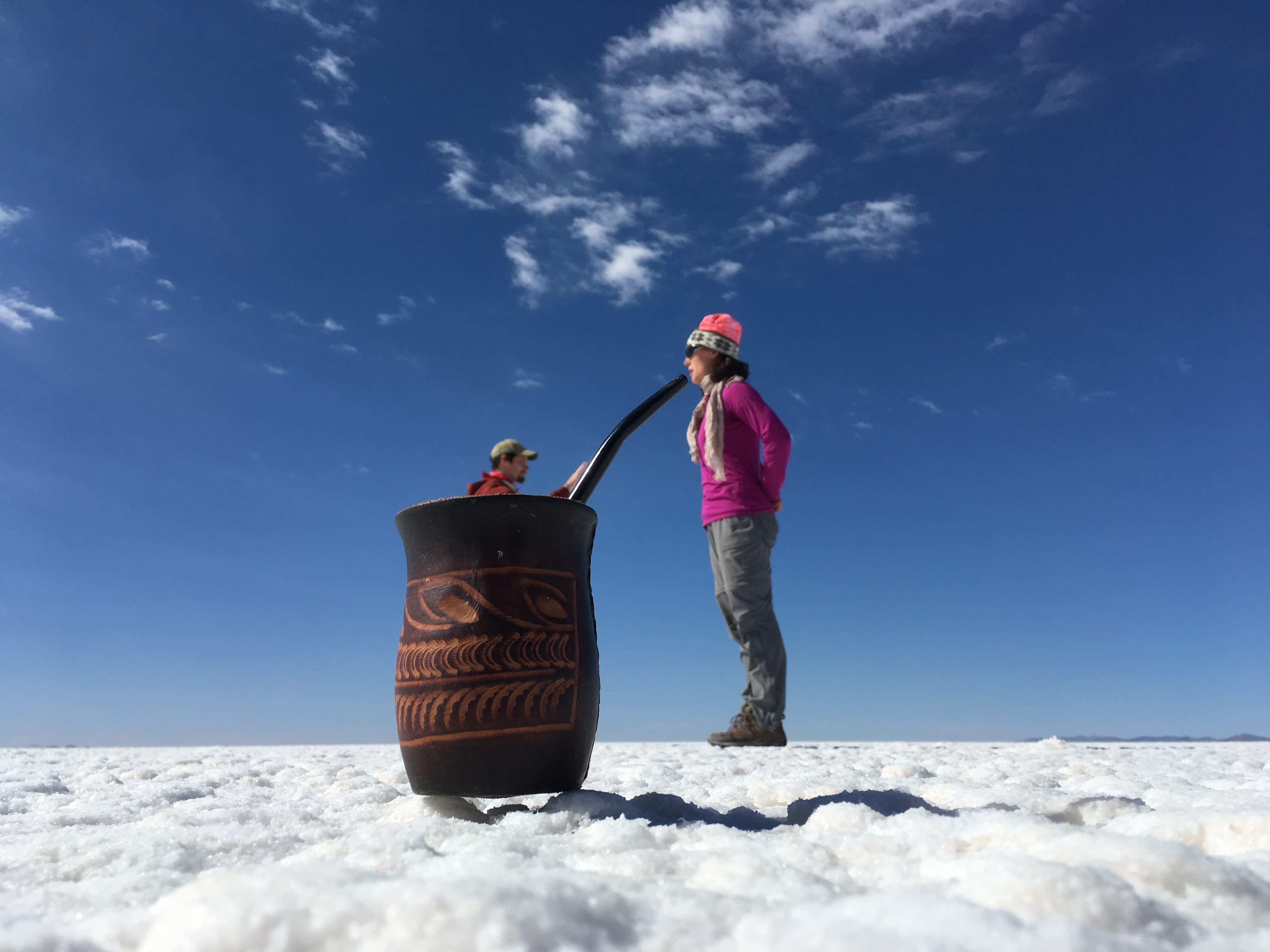
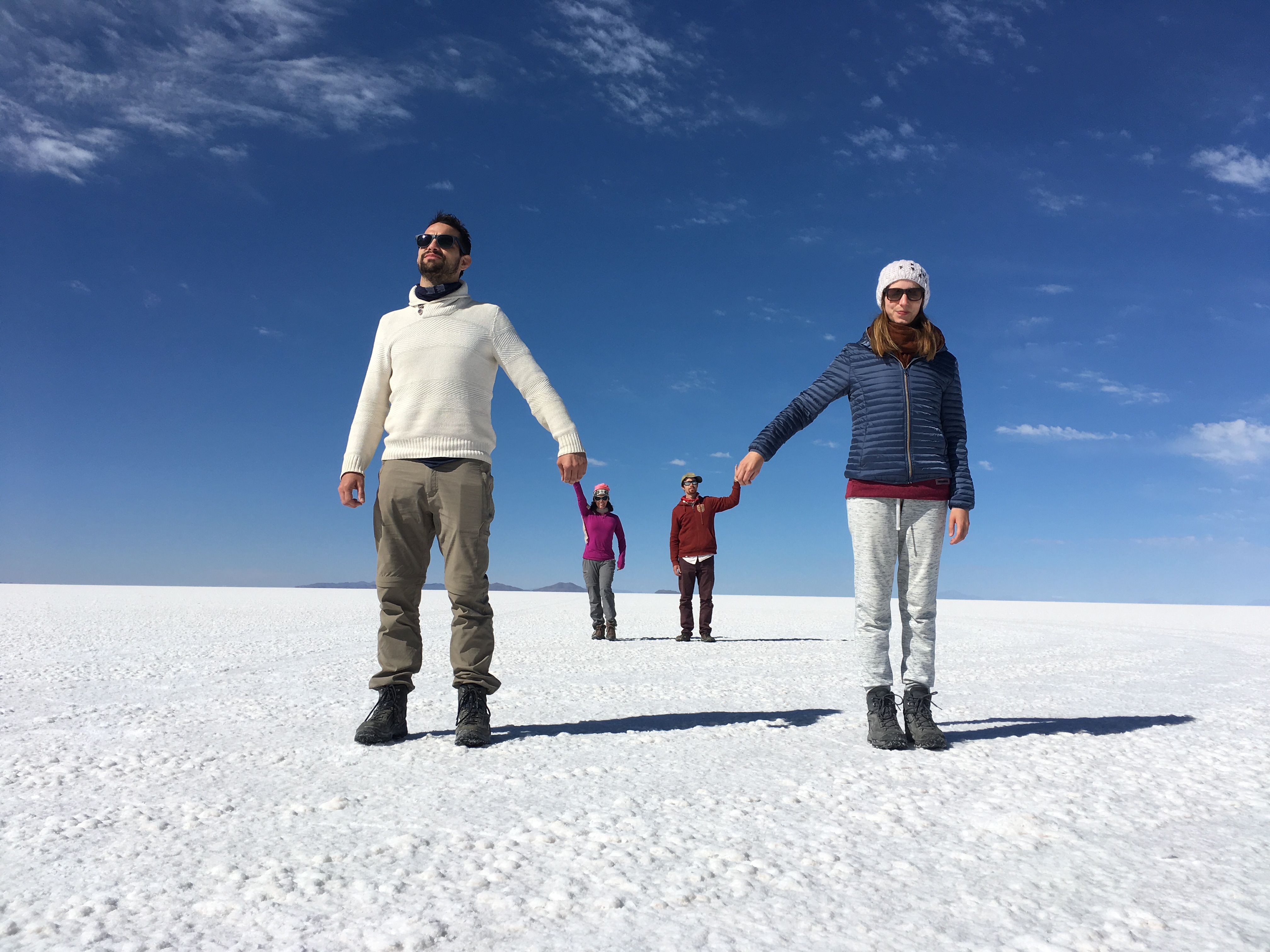
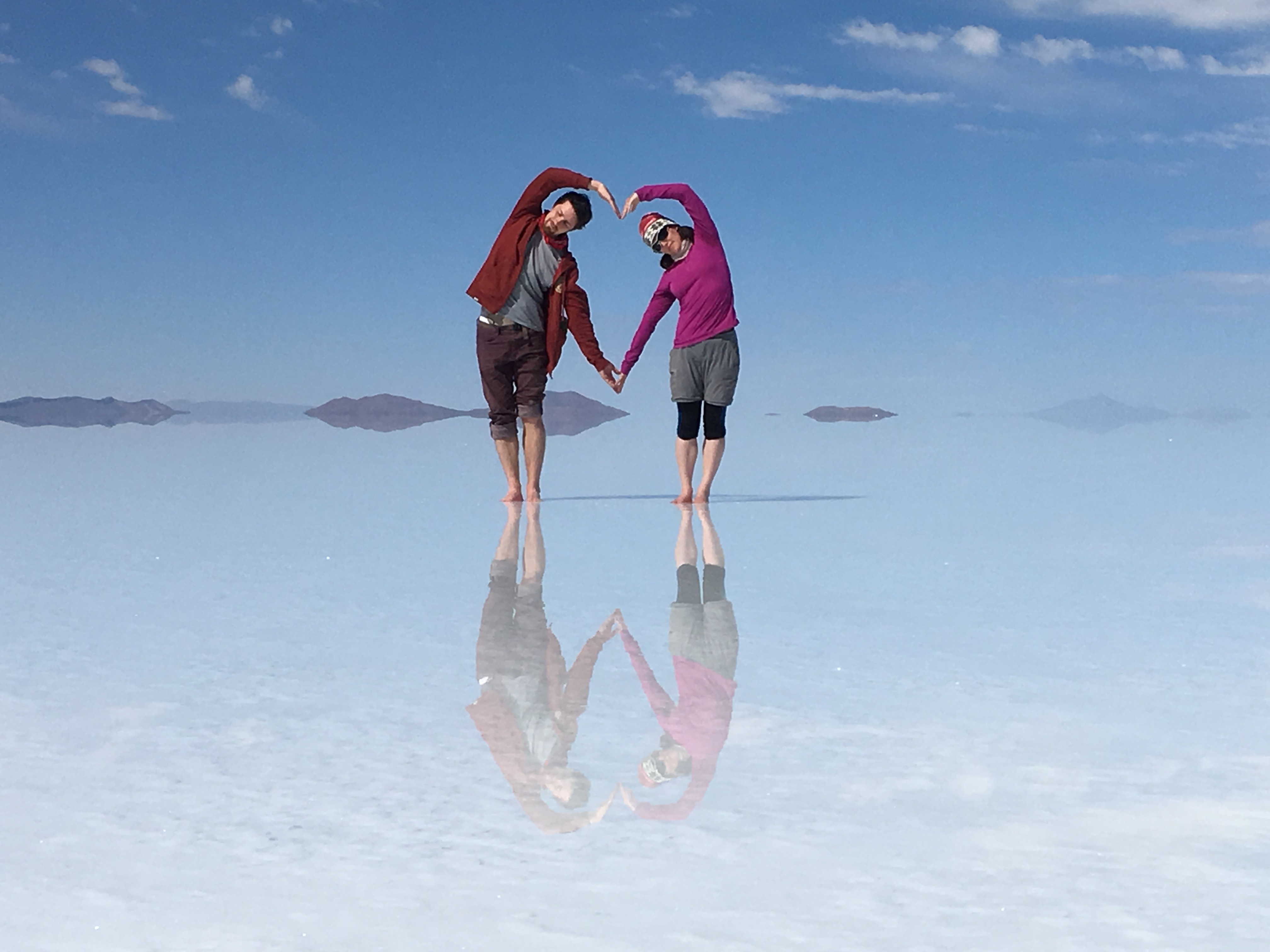
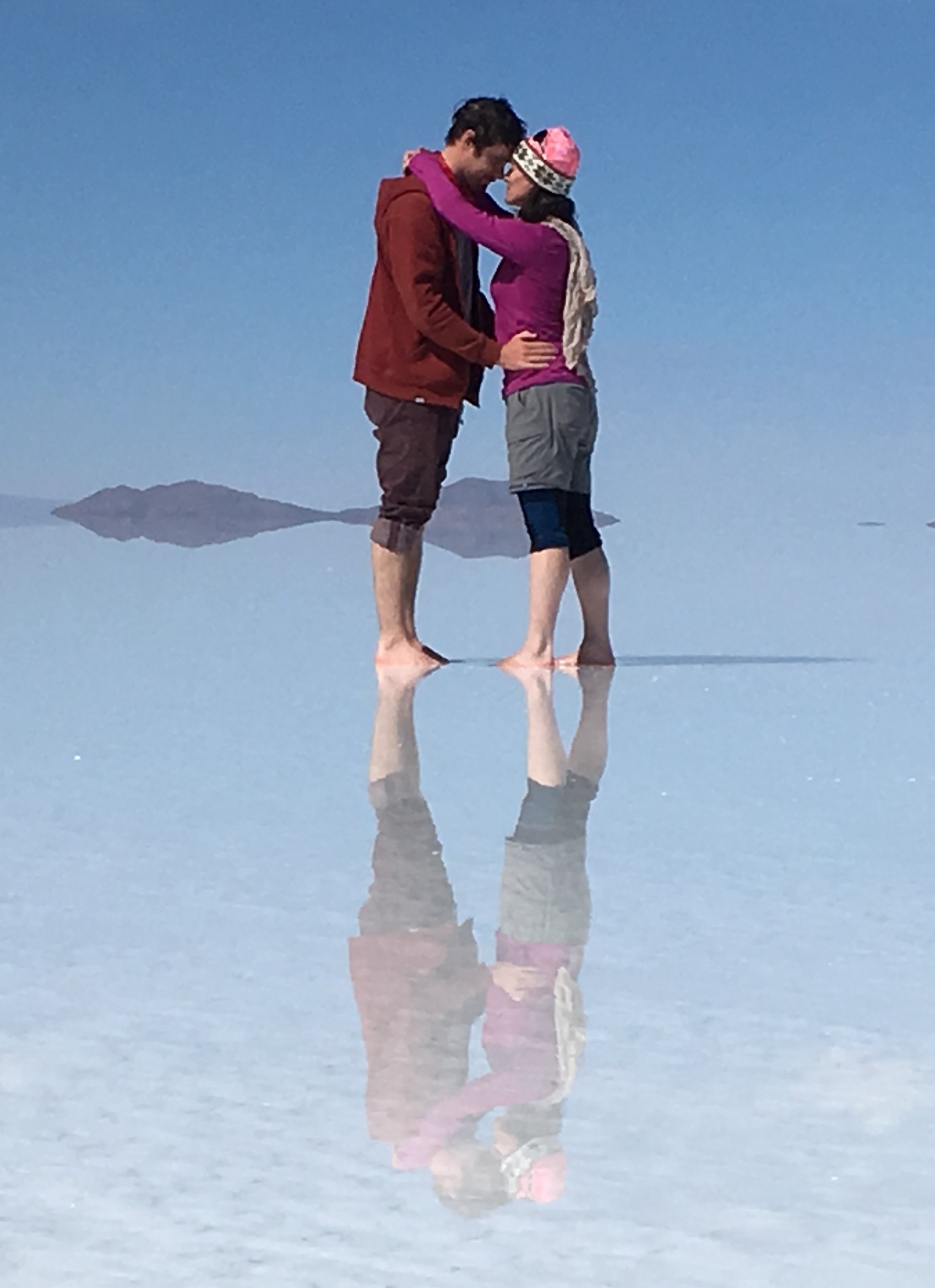
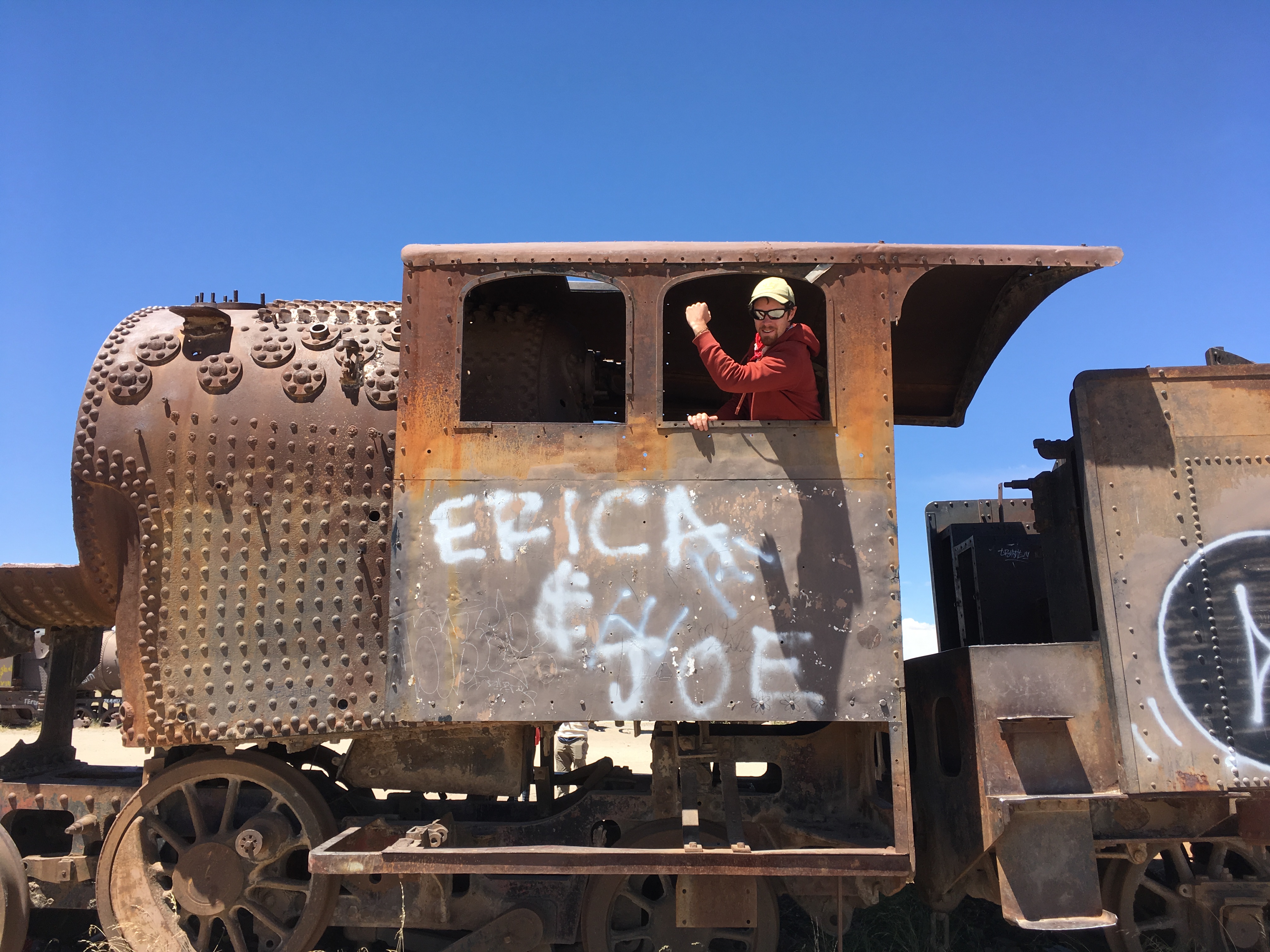
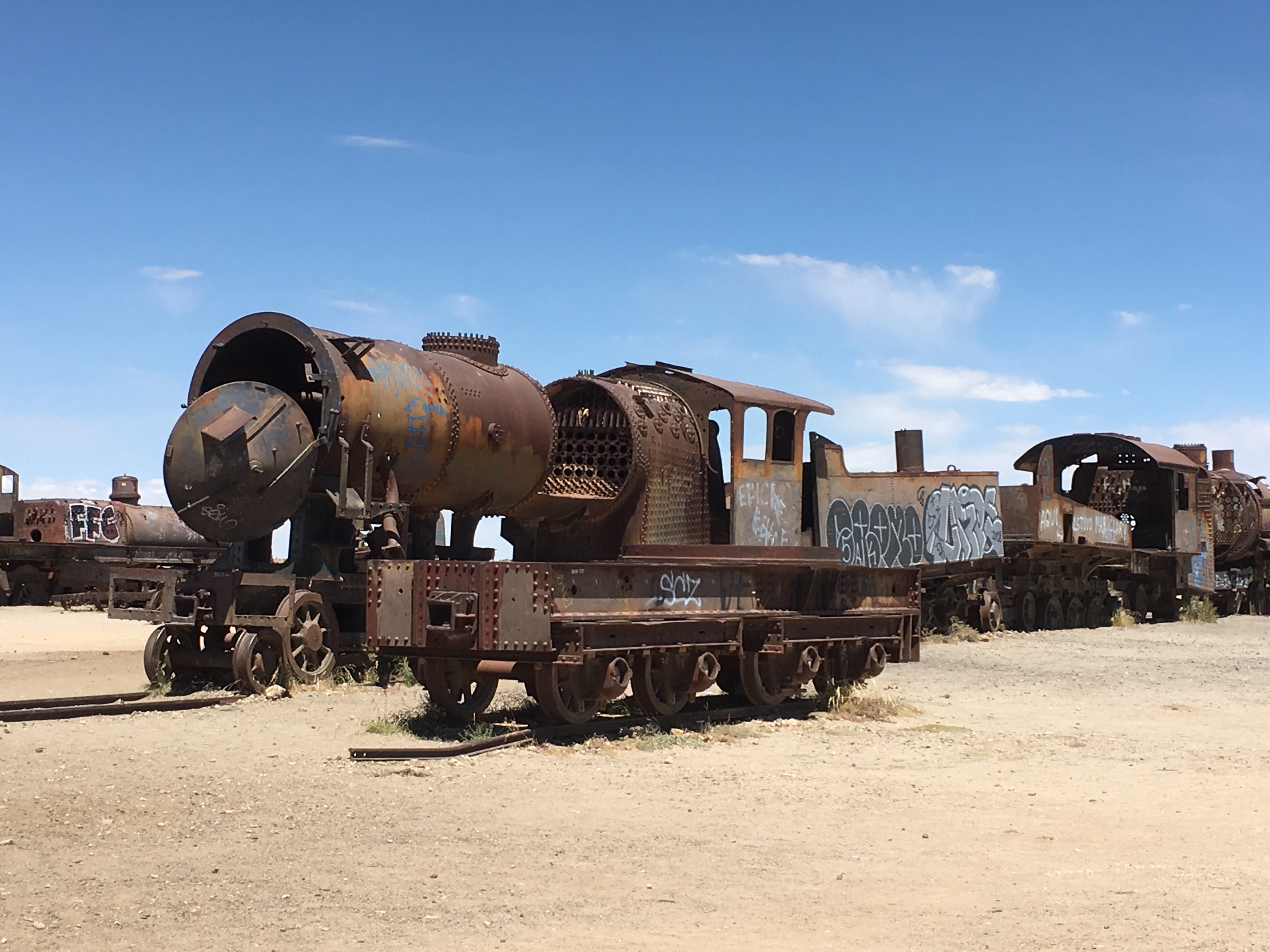
We woke up at 4:30am and were on the road by 5am to see the sunrise. Sunrise was at 6:30am, but we wanted to make sure we got a good spot. By 5:30am, we had chosen our spot (the perfect blend of water for the reflection with enough salt flat for us to stand on without getting wet). It was COLD! We huddled in the car bundled up in all of our warm clothes until the colors started to appear on the horizon and then got out of the car to enjoy the view. The sky was cloudy which made for awesome reflections and one of the most stunning sunrises we have ever seen. When the sun was up, we went to an old salt hotel which is now a museum in the middle of the salt flat for breakfast. Afterwards we went to a dry part of the salt flat to take funny perspective pictures. We had so much fun with this, and Milton was a very patient photographer, humoring us with our silly ideas and taking multiple pictures to get it just right. When we were done in the dry spot, we went to a place with water to take more reflection pictures. Unfortunately, the salt in this area was really sharp and the water was cold, so walking around was pretty painful. Since salt is bad for your shoes, we were trying to walk on it barefoot and gave up after only a short time. With our time on the Salar coming to an end, we drove back to the hostel, picked up our things, and drove to the train cemetery which is a place in Uyuni with lots of old train engines, mostly from the 1950s. The train engines were fun to climb on and explore. It’s clear some people have come to this train graveyard to take metal they need for other projects since some of the trains are missing some components. After the train cemetery, Milton drove us to Uyuni where Eric and I were catching a 1pm bus to Potosí. Milton had advised us not to spend any extra time in Uyuni and we’re really glad we didn’t. When we drove through it was dusty and full of garbage and didn’t seem to have many redeeming qualities. We arrived just in time to buy our tickets and board the bus and with that our Uyuni tour was over.
We think the people really made the experience and we couldn’t have been happier to have shared our tour with Nils and Laura. We had so much fun with them in the Jeep and in the evenings sharing stories and experiences and hope we’ll cross paths with them again. Milton was a great tour guide. He told us the plan for each day the night before, gave us information about each attraction, answered our questions, told us funny stories, played the most amazingly eclectic variety of music ever, drove safely, and kept us well fed (and not sick like some other groups) for four days. We thoroughly enjoyed our Uyuni Tour with Natural Adventures.